Whether a CGC Title Changes Pit Bull Reactions
For Pit Bull owners, one of the most persistent frustrations is the constant uphill battle against public perception. It feels like your sweet, goofy companion is judged before they even wag their tail, and you find yourself constantly trying to prove their worth. Many owners wonder if achieving something like a Canine Good Citizen (CGC) title can truly make a difference in how their Pit Bull behaves, or more importantly, how the world reacts to them. This guide aims to explore just that, delving into the practical impact of CGC training and certification on your Pit Bull's reactions and the perceptions of those around you.
Understanding the Canine Good Citizen Program for Pit Bulls
The American Kennel Club's (AKC) Canine Good Citizen program is a certification program designed to reward dogs who have good manners at home and in the community. It's often described as a "good manners" test for dogs and owners, emphasizing responsible pet ownership. For a breed like the Pit Bull, which often faces unfair stereotypes and restrictions, the CGC can feel like a badge of honor, a tangible piece of evidence that your dog is well-behaved and a credit to their breed.
What the CGC Test Entails
The CGC test consists of ten specific items, all performed on leash, designed to demonstrate a dog's reliability and good manners. These aren't advanced obedience maneuvers; rather, they focus on polite, everyday behaviors. Imagine walking your dog through a park or having a guest over – the CGC aims to ensure your dog can handle these situations calmly.
The ten items include:
- Accepting a Friendly Stranger: Your dog allows a stranger to approach and pet them politely.
- Sitting Politely for Petting: Your dog remains calm and seated while being petted by a stranger.
- Appearance and Grooming: Your dog allows a stranger to examine them (e.g., check ears, paws).
- Out for a Walk (Walking on a Loose Leash): Your dog walks beside you without pulling, even when distractions are present.
- Walking Through a Crowd: Your dog navigates calmly through a group of people.
- Sit & Down on Command/Staying in Place: Your dog performs these basic commands reliably.
- Coming When Called: Your dog comes to you promptly when asked, even from a short distance.
- Reaction to Another Dog: Your dog remains polite and under control when passing another dog on leash.
- Reactions to Distractions: Your dog shows confidence and is not unduly startled by common noises or sights.
- Supervised Separation: Your dog remains calm for a short period while you are out of sight.
Each item tests a fundamental aspect of a well-adjusted dog's behavior. For a Pit Bull, successfully completing these not only demonstrates their individual temperament but also challenges preconceived notions that some people might hold about the breed. There's a real sense of accomplishment when your powerful, enthusiastic Pit Bull calmly performs these tasks, and it speaks volumes.
Why the CGC is Especially Important for Pit Bulls
Let's be honest: Pit Bulls face a harsher judgment than many other breeds. A Golden Retriever jumping on a stranger might be excused as "friendly," but a Pit Bull doing the same can be seen as aggressive or out of control. This double standard is incredibly frustrating for responsible owners. This is precisely why something like the CGC program holds particular significance for Pit Bull families.
First, it forces us, as owners, to hold our dogs to an incredibly high standard. We can't just hope for good behavior; we have to actively train for it. It pushes us to address common challenges like leash pulling, enthusiastic greetings, or reactivity to other dogs. The process of Preparing a Pit Bull for the Ten CGC Items means dedicating time, patience, and consistent positive reinforcement. This isn't just about passing a test; it's about building a solid foundation of manners that ensures your Pit Bull is a polite and pleasant member of society.
Second, the CGC provides an objective, recognized standard of good behavior. In a world where Pit Bulls are often banned from housing, insurance policies, and even certain public spaces, having a formal certification that says "this dog is well-behaved" can be incredibly powerful. It offers concrete proof that your dog is not a stereotype, but an individual who has demonstrated impressive self-control and manners. It’s a tool you can use to advocate for your dog, whether with a landlord, an insurance agent, or a wary passerby. It helps counter the narratives often seen in the media and allows your dog to be seen for their training and temperament, rather than just their appearance.
The Impact of CGC Training on Your Pit Bull's Behavior
While the title itself is a valuable piece of paper, the real magic happens during the training journey. It's the consistent effort, the patient repetitions, and the bond you build with your Pit Bull that genuinely shapes their reactions. The CGC program isn't about quick fixes; it's about instilling reliable behaviors through a structured, positive approach.
Building Core Skills and Confidence
The training required for the CGC program focuses heavily on foundational obedience and impulse control. Think about the "Sit & Down on Command/Staying in Place" item or "Coming When Called." These are not just tricks; they are essential safety commands that give you more control in various situations. When your Pit Bull knows that a "stay" means staying put, even with distractions, it builds their confidence in understanding expectations and reinforces their trust in you as their guide.
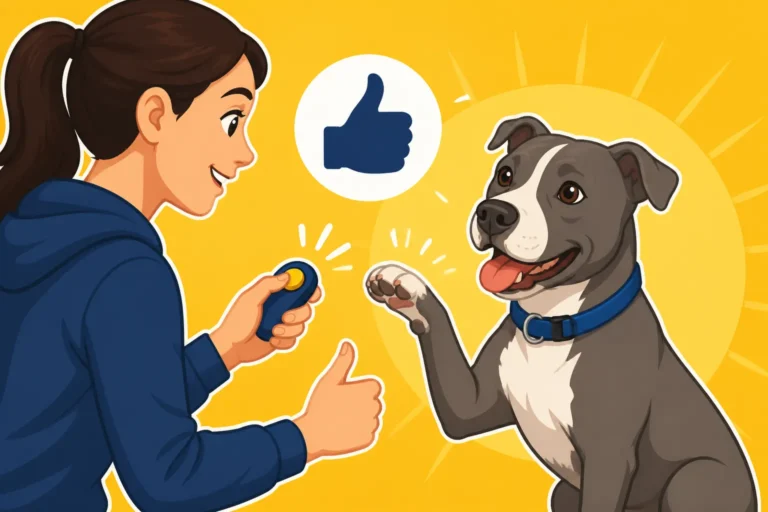
Using positive reinforcement training methods, which are widely accepted as the most effective and humane, helps your Pit Bull learn that listening to you leads to good things – tasty treats, praise, or a favorite toy. This strengthens your communication and makes them more responsive. For instance, practicing Building a Pit Bull's Impulse Control is a huge part of CGC prep. This might involve exercises where your dog waits patiently before eating, or refrains from jumping on a person. These repetitions create new neural pathways, making calm responses more habitual. Instead of reacting impulsively, your Pit Bull learns to pause, look to you, and choose a more appropriate behavior. This process fundamentally shifts their internal state from reactive to thoughtful, leading to genuinely changed reactions over time.
Managing Reactivity Through Consistent Practice
Many Pit Bull owners struggle with their dogs being overly excited or even reactive towards other dogs or strangers. This isn't unique to Pit Bulls, of course, but due to their strength and public perception, these reactions are often magnified. The CGC directly addresses these challenges through items like "Reaction to Another Dog" and "Accepting a Friendly Stranger."
The training process involves gradually exposing your Pit Bull to these situations in a controlled manner, always keeping them under their threshold of comfort. This might mean starting with a great distance from another dog, rewarding calm behavior, and slowly decreasing the distance as your dog shows consistent composure. It teaches your Pit Bull that the presence of other dogs or unfamiliar people doesn't necessarily mean a reason to react with intensity. Instead, it’s an opportunity to stay focused on you and be rewarded for their calm.
This isn't about suppressing natural exuberance entirely, but about channeling it into appropriate responses. A dog that used to bark and lunge at every passing dog on a walk can learn to calmly observe, or even offer a check-in glance to their owner. The transformation is profound, not just for the dog, but for the owner's peace of mind. Walking your dog becomes a joy, not a source of anxiety. This type of consistent exposure and positive reinforcement is key to truly changing a Pit Bull's reactions in real-world scenarios. Tools like specialized harnesses found on Amazon or structured classes with reputable trainers can be immensely helpful here, ensuring you have the right equipment and guidance.
What the CGC Doesn't Magically Fix
It’s crucial to have realistic expectations. While the CGC training process can dramatically improve a Pit Bull's behavior, it's not a magic wand that instantly erases all challenges or changes inherent traits. For example, some Pit Bulls, like many dogs, might have a strong prey drive. While training can improve their recall and ability to ignore distractions, it won't eliminate that drive entirely. Similarly, a dog with a history of severe anxiety or aggression will require much more specialized and intensive behavioral modification beyond what the CGC program alone offers.
The CGC tests for good manners and basic obedience, not for complex behavioral issues. If your Pit Bull has significant fear-based reactivity or struggles with Pit Bull Dog Selectivity Explained with other dogs, the CGC training might be a foundational step, but it won't be the complete solution. It's vital to recognize that the CGC aims to demonstrate a dog is a responsible companion, not necessarily a perfect one. It's a testament to good training and management, but it still requires the owner to understand their dog's individual quirks and continue to manage them responsibly in different environments. It's about setting up your dog for success, not expecting them to be a robot.
How a CGC Title Influences Public Perception and Real-World Interactions
Beyond the direct behavioral changes in your Pit Bull, the CGC title itself carries weight. It's a formal acknowledgment that your dog has passed a rigorous test of good manners, and this can significantly shift how others perceive your dog and interact with them.
Opening Doors: Housing, Insurance, and Public Spaces
Perhaps one of the most tangible benefits of a CGC title for a Pit Bull owner is its potential to open doors that might otherwise be closed. Many apartment complexes, HOAs, or rental properties have breed restrictions, often specifically targeting Pit Bulls. Presenting a CGC certificate, along with a strong letter of recommendation from a trainer and a well-documented training history (Documenting a Pit Bull's Training Record), can sometimes make the difference between acceptance and rejection. It provides concrete evidence that your dog is an asset, not a liability.
The same often goes for homeowners' insurance. Some insurance carriers have breed-specific policies that either refuse to cover Pit Bulls or charge exorbitant rates. While not a guarantee, a CGC title can sometimes be used to negotiate better terms or even find an insurer willing to provide coverage. Many companies are starting to recognize that behavior, not breed, is the true indicator of risk. This is where Whether a CGC Title Helps a Pit Bull Policy becomes a very real and practical concern for many owners. It shows a commitment to responsible ownership and a dog that has proven its temperament.
When out in public, simply being able to say, "My dog is a Canine Good Citizen" can defuse tension or curiosity. It's a simple, powerful statement that communicates competence and control, which can be invaluable when you're trying to navigate public spaces with a breed that's often misunderstood.
Changing Minds: The Ripple Effect of a Well-Behaved Pit Bull
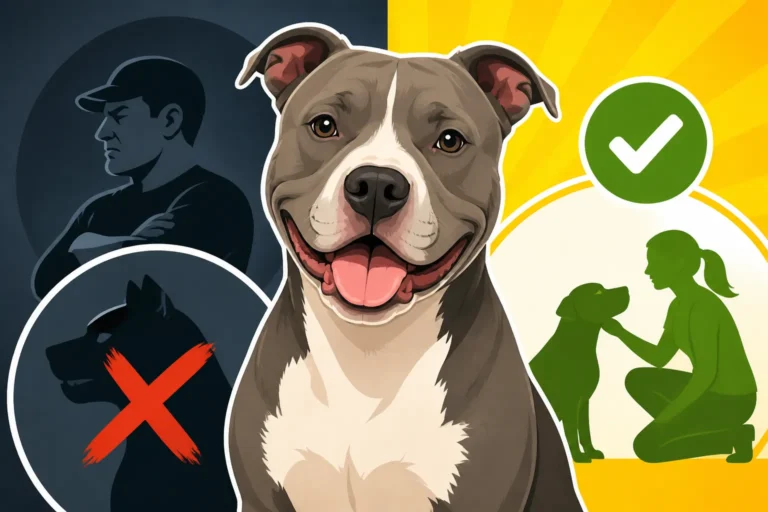
While the title itself provides practical benefits, the greatest impact might be the subtle, yet powerful, shift in public perception. When people encounter a Pit Bull that walks calmly on a leash, greets strangers politely, and ignores distractions, it challenges their preconceived notions. Every well-behaved Pit Bull is an ambassador for the entire type.
Think about a common scenario: you're walking your Pit Bull, who is wearing a harness from a brand like BAXTER & Bella and calmly ignoring a squirrel. A curious neighbor approaches cautiously. Instead of immediately tensing up, you can engage, mention your dog's CGC title, and perhaps even demonstrate a polite "sit" or "stay." This positive interaction creates a ripple effect. That neighbor might then share their positive experience with friends or family, slowly chipping away at the negative stereotypes.
This isn't to say every interaction will be perfect, or that every mind will be changed overnight. But consistent, positive exposure to well-trained Pit Bulls is the most effective form of advocacy. The CGC title backs up your dog's good behavior with an official stamp of approval, making those positive interactions even more impactful. It gives you a strong narrative to share, proving that with good training and responsible ownership, Pit Bulls can be exemplary companions.
Providing a Standard for Owners
The CGC program also serves as a fantastic benchmark for owners themselves. It provides clear goals and a structured path to achieving them, especially concerning The Manners a Pit Bull Needs in Public. It encourages owners to invest in training and to continuously work with their dogs, rather than letting skills lapse. It’s an ongoing commitment that fosters a deeper bond and a more harmonious relationship.
Even if you achieve the CGC, the journey of responsible dog ownership doesn't end. The skills need to be maintained through regular practice and continued socialization. The title is a reflection of your dedication as an owner, and that dedication is what truly sustains good behavior in your Pit Bull.
Beyond the Title: Maintaining Good Manners and Advocating for Your Pit Bull
Achieving a CGC title is a fantastic milestone, but it's really a stepping stone. True behavioral change and lasting positive public perception come from ongoing commitment and living as a responsible Pit Bull ambassador every single day.
Ongoing Training and Socialization
The CGC should be seen as a baseline, not a finish line. Dog training is a lifelong endeavor, and maintaining the skills learned for the CGC requires consistent practice. Just like a muscle, if you don't use it, you lose it. Continue to practice those loose-leash walks, polite greetings, and reliable recalls in various environments. Enroll in advanced obedience classes, try out dog sports like agility or rally, or simply incorporate short training sessions into your daily routine. This continuous engagement keeps your Pit Bull mentally stimulated and reinforces their good manners.
Equally important is ongoing, positive socialization. This means carefully orchestrated exposures to new people, places, sounds, and appropriate dog interactions. Not every dog needs to love every other dog, but all dogs should be able to calmly coexist. For a Pit Bull, this might mean structured playdates with known, stable dogs rather than frequenting chaotic dog parks. The goal is to build confidence and resilience, allowing your Pit Bull to handle novel situations with grace rather than fear or over-excitement.
Being a Responsible Pit Bull Ambassador
You and your Pit Bull are representatives of the breed every time you step out the door. This means always being mindful of your dog's behavior and your own presentation. Always use appropriate, secure equipment for your strong Pit Bull, such as a well-fitting harness or head halter if needed. Always pick up after your dog. Always be polite and calm in your interactions with others, even if they show apprehension towards your dog.
It means understanding that you sometimes have to work twice as hard to prove your Pit Bull's good nature. This is an unfair burden, but it's the reality for many Pit Bull owners. By consistently demonstrating that your Pit Bull is well-trained, friendly, and under control, you are actively dispelling myths and educating the public one interaction at a time. Your composure and your dog's behavior combine to create a powerful message.
Advocacy Through Example
The most effective way to change public perception about Pit Bulls is through direct, positive experiences. A CGC title gives you an official credential to back up those experiences, but your daily life with your well-behaved Pit Bull is the strongest form of advocacy.
Imagine a table comparing the potential perceptions:
| Pit Bull Without Training / CGC | Pit Bull With CGC Training & Title |
|---|---|
| Public Perception: "Dangerous," "unpredictable," "untrained" | Public Perception: "Well-mannered," "responsible owner," "good dog" |
| Owner Experience: Stressful walks, limited access, judgment | Owner Experience: Confident outings, more opportunities, pride |
| Dog's Reaction: Anxious, overly excitable, easily distracted | Dog's Reaction: Calm, focused, resilient in new situations |
| Access: Restricted from housing/insurance/public places | Access: Potentially greater access, may ease restrictions |
| Advocacy Impact: Reinforces stereotypes | Advocacy Impact: Challenges stereotypes, educates public |
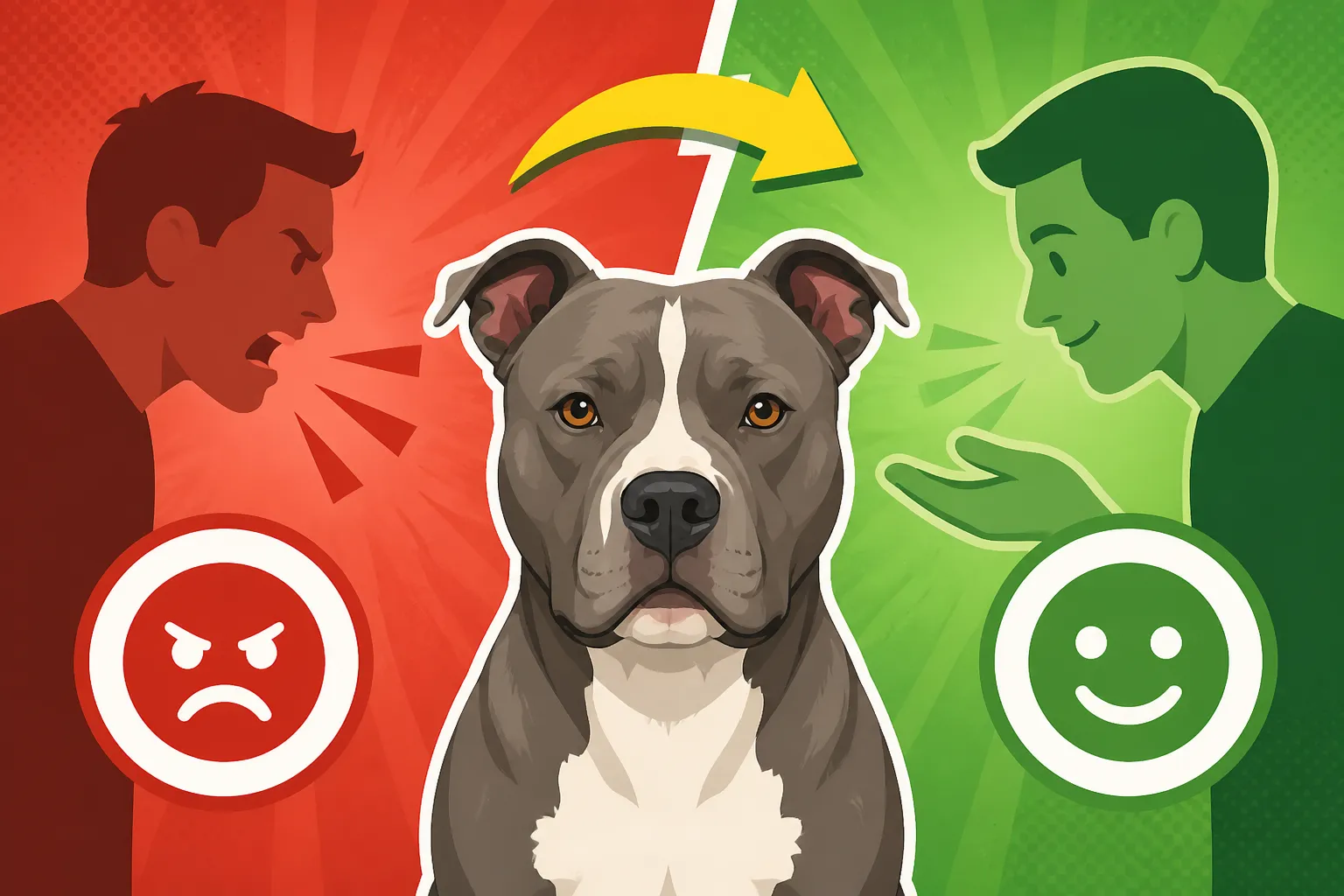
As you can see, the shift is significant. While a piece of paper won't magically alter every encounter, the training journey that earns that paper absolutely transforms your dog's reactions. And with that change, comes the power to influence others. So, does a CGC title change Pit Bull reactions? Yes, but mostly because the dedicated training process changes the dog, and the title helps change the world's perception of them. It's a powerful combination that any Pit Bull owner can strive for.
Disclaimer
This article is for general informational purposes only and does not constitute professional advice. Laws, prices and regulations vary by location and change over time. Consult a qualified professional for guidance on your specific situation.