Whether a Pit Bull Incident Ends a Tenancy
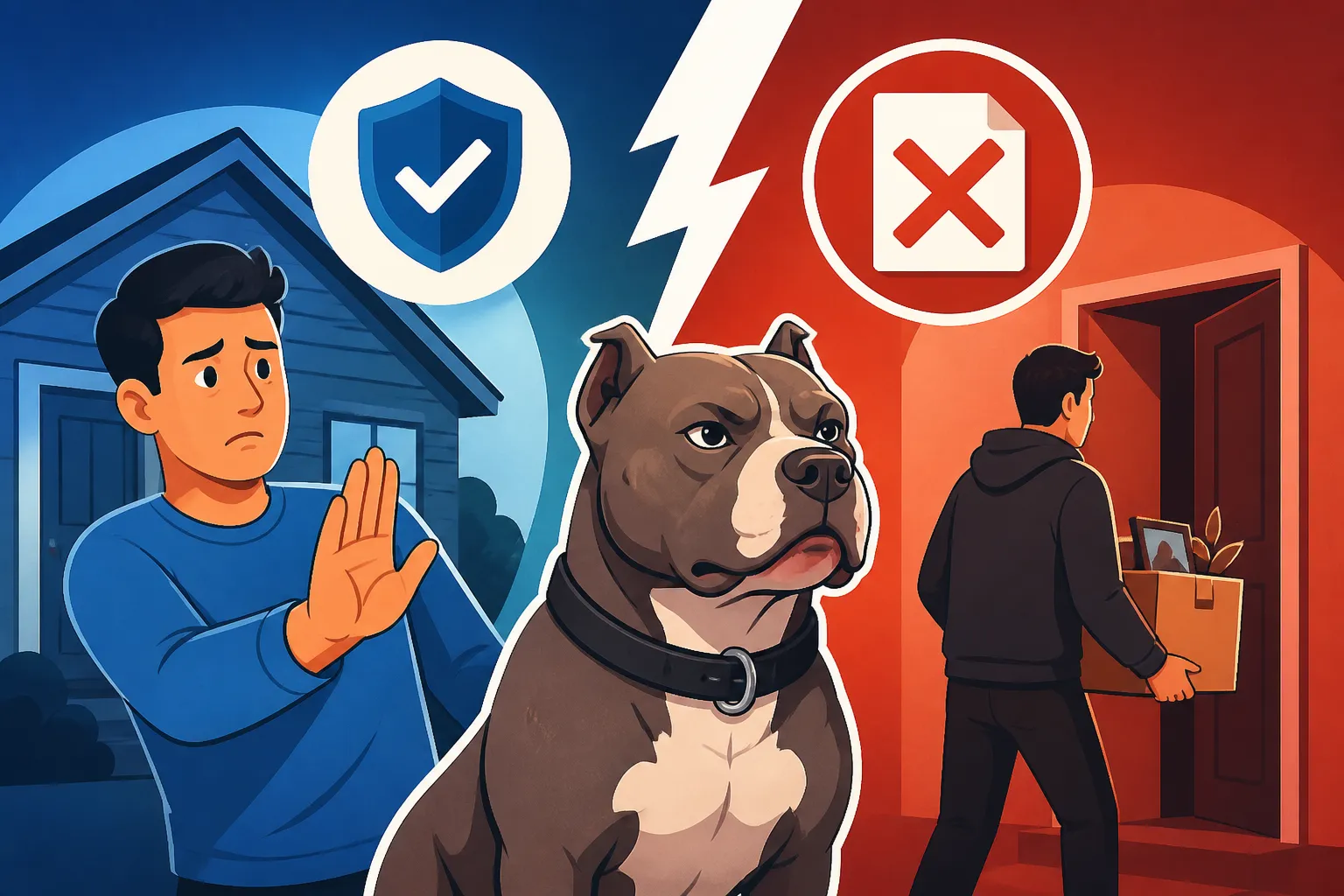
The worry that a single incident involving your beloved Pit Bull could jeopardize your living situation is a heavy burden many renters carry. It's not just about managing your dog's behavior; it's about navigating complex lease agreements, landlord expectations, and sometimes, the anxieties of your neighbors. This guide aims to thoroughly explore whether a Pit Bull incident truly signals the end of your tenancy, offering clarity on your rights and responsibilities.
The Immediate Aftermath of a Pit Bull Incident in a Rental Property
When an incident involving your Pit Bull occurs in your rental, whether it's a minor nip, a scuffle with another dog, or something more serious, the immediate aftermath can feel like a whirlwind of panic and uncertainty. Your first instinct might be to minimize, but honesty and swift action are crucial. This isn't just about what happened, but about how you respond and what that response signals to your landlord and community.
Understanding Your Lease Agreement's Pet Clauses
Before any incident ever happens, or immediately after one, you absolutely need to dig out your lease agreement and scrutinize every single clause related to pets. This document is the cornerstone of your tenancy, and it dictates the specific rules you agreed to when you moved in with your Pit Bull. Many leases have very clear stipulations about dog breeds, weight limits, and pet conduct. Some might have a "zero tolerance" policy for any aggressive behavior, while others might outline a process for warnings or remediation. You might find specific language about reporting incidents, who is liable for damages, or even clauses that could, in theory, lead to lease termination for certain infractions.
It's common for lease agreements to include language that requires you to maintain renters insurance, and some landlords specifically ask for policies that cover certain breeds or potential liabilities. If your lease mentioned this, having a robust policy, perhaps from a provider like Healthy Paws, could be a lifesaver, as it signals a proactive approach to risk management. Understanding these terms before your landlord contacts you puts you in a much stronger position to discuss the situation constructively. Ignoring or being unaware of these clauses won't absolve you of responsibility and could escalate the landlord's reaction significantly. This is also where understanding specific terms like Lease Clauses That Name Pit Bull Type Dogs becomes incredibly important, as generic "pet clauses" often have hidden depths when it comes to certain breeds.
The Landlord's Initial Reaction and Investigation
Your landlord's initial reaction to an incident can range from understanding to immediate concern, largely depending on the severity of the incident, their prior experience, and the specific terms of your lease. They might initiate an investigation to gather facts. This could involve speaking to you, witnesses, or even contacting the other party involved if the incident affected someone else or their property. They'll want to know the details: what happened, where it happened, who was involved, and what immediate steps you've taken.
During this investigation, it's vital to cooperate fully but also to be measured in your responses. Don't speculate or make excuses; stick to the facts as you know them. The landlord's primary concern will be their property's safety and liability, and how the incident reflects on them as a property owner. They might also be gauging your commitment to preventing future occurrences. If the incident was severe, they might even consult legal counsel on their options, including potential eviction. This is the moment to remember that What to Do If a Pit Bull Bites Someone isn't just about legal ramifications for you, but also about the impact on your housing situation.
Legal Rights and Tenant Responsibilities After an Incident
Understanding the legal landscape surrounding pet incidents and tenancy is crucial. It’s not just about what your landlord wants to do, but what they are legally allowed to do. This involves looking beyond your lease to local laws and tenant protections.
Local Ordinances and Breed-Specific Legislation
Beyond your lease, local ordinances and any breed-specific legislation (BSL) in your area play a massive role. Some cities or counties have strict laws regarding certain dog breeds, including Pit Bulls, which might dictate requirements for muzzling in public, specific leashing rules, or even outright bans on owning certain breeds within city limits. If your Pit Bull was involved in an incident, especially one deemed serious by local animal control, these laws could compound your problems. For instance, if your area has strict BSL, an incident might trigger a review of your dog's status or even mandate certain containment measures that are difficult to adhere to in a rental property.
It's absolutely critical to research your local laws immediately after an incident. Ignorance of these laws is no defense, and your landlord might be pressured by neighbors or local authorities to take action if your dog is perceived as a public risk. These laws can vary wildly, so what's permissible in one town might be completely prohibited in another. For example, while Florida Ending Its Pit Bull Bans in 2024 might be a positive development, many other localities still operate under restrictive rules. Knowing Where Pit Bull Legislation Still Applies can literally make or break your ability to keep your dog and your home.
Your Rights as a Pet Owner Tenant
Even in the face of an incident, you still have tenant rights. Landlords cannot typically terminate a lease arbitrarily without due process. Most jurisdictions require landlords to provide written notice of a lease violation and an opportunity for the tenant to remedy the situation, if possible. If your lease doesn't explicitly state that a single pet incident is grounds for immediate termination, or if the incident was minor and you took immediate corrective action, you might have grounds to challenge a termination notice.
Furthermore, if your Pit Bull is a certified service animal or an emotional support animal (ESA), different federal and state housing laws often apply, providing stronger protections against breed restrictions or eviction due to an incident, provided the animal's behavior doesn't pose a direct threat that cannot be mitigated. However, even with these protections, an incident can trigger a deeper review of your animal's necessity or behavior, so it’s not a free pass. Knowing your Renters Insurance That Accepts a Pit Bull and having it in force is another layer of protection, demonstrating responsibility that might sway a landlord.
Here’s a quick overview of how different incident types might impact your tenancy:
| Incident Type | Potential Impact on Tenancy | Mitigating Factors |
|---|---|---|
| Minor Nipping/Mouthiness | Likely a warning, request for training, or stricter rules on dog management. Lease termination unlikely if quickly addressed. | Immediate apology, demonstration of new training, commitment to professional help (e.g., trainer). |
| Dog-on-Dog Scuffle (no injury) | Warning, request for better leash management, potential restriction on dog park access. | Muzzle training (Muzzle Training Every Pit Bull Should Have), avoiding trigger situations, immediate vet check of both dogs. |
| Dog-on-Dog Fight (injury) | Serious warning, potential demand for removal of the dog, risk of lease termination, liability claims. | Evidence of extensive training, vet bills covered, commitment to controlled socialization, strong pet insurance coverage. |
| Property Damage | Demand for repair costs, warning, potential non-renewal. | Immediate repair/reimbursement, explanation of prevention (e.g., better chew toys from Chewy, more exercise). |
| Injury to Human (minor) | Very serious. High risk of lease termination, legal action, formal complaint to animal control. | Immediate medical care for victim, full cooperation, intensive training, strong liability insurance (e.g., Healthy Paws). |
| Injury to Human (severe) | Almost certain lease termination, legal action, dog might be seized, potential criminal charges. | Extremely difficult to mitigate tenancy impact; focus shifts to legal and ethical responsibilities. |
Navigating Communication with Your Landlord and Neighbors
In the aftermath of an incident, communication is your most powerful tool. How you engage with your landlord and neighbors can profoundly influence the outcome, potentially saving your tenancy or, conversely, cementing its demise. This requires a delicate balance of honesty, accountability, and proactive problem-solving.
Transparent Communication and Documentation
Once an incident occurs, especially if it involves another person or animal, you need to proactively communicate with your landlord. Don't wait for them to hear about it secondhand or from an angry neighbor. Schedule a meeting or send a clear, concise email outlining what happened, the immediate steps you've taken to address it, and your plan for preventing recurrence. Be honest, but don't overshare or admit fault unnecessarily. Focus on the facts and your commitment to being a responsible pet owner.
Crucially, document everything. Keep a detailed log of the incident itself, including dates, times, and any witnesses. Save all correspondence with your landlord, neighbors, and any professionals (vets, trainers, animal control). If you incur costs, like vet bills for another animal or property damage, keep receipts. This documentation serves as a record of your actions and demonstrates your seriousness in handling the situation. A paper trail, including evidence of training (Documenting a Pit Bull's Training Record), can be invaluable if you ever need to defend your tenancy.
Addressing Neighbor Concerns and Building Goodwill
Your neighbors' perceptions can heavily influence your landlord's actions. If your neighbors are upset or scared, they will likely complain, putting pressure on your landlord. It's often beneficial to approach affected neighbors directly, calmly, and empathetically. Apologize sincerely for any distress or damage caused, and explain the steps you are taking to prevent future incidents. Offering to cover any immediate costs, like vet bills for their pet or repairs to their property, can go a long way in de-escalating tension and building goodwill.
Consider sharing your Pit Bull's training plan or introducing them to a calmer, controlled interaction (if appropriate and safe) to rebuild trust. Sometimes, simple gestures like regular updates on your dog's training progress or ensuring your dog is always leashed and under control in common areas can make a huge difference. Showing genuine concern for your community can transform a negative incident into an opportunity to demonstrate your dedication to responsible pet ownership, which is crucial for Training a Pit Bull to a Higher Standard Than Other Dogs.
Mitigating Future Risks and Demonstrating Responsible Ownership
The best way to prevent your tenancy from ending due to a Pit Bull incident is to show your landlord you are taking every possible step to prevent future occurrences. This goes beyond apologies and enters the realm of concrete action and long-term commitment.
Training and Behavior Modification Post-Incident
An incident, particularly one involving aggression or a significant lapse in control, should be a wake-up call for intensive training and behavior modification. This often means engaging a certified professional dog trainer or a veterinary behaviorist experienced with Pit Bull breeds. They can help identify the root cause of the behavior, develop a tailored training plan, and provide you with the tools and techniques to manage your dog effectively. This might involve working on Pit Bull Leash Manners and Physical Strength if pulling was an issue, or more specific protocols for reactivity.
Consistency is key. Your landlord and neighbors will want to see sustained improvement. This might include regular updates on your training progress, attending classes, and using management tools like a basket muzzle in public, if recommended by your trainer. Brands like Chewy often carry a wide range of training aids, from high-value treats for positive reinforcement to durable harnesses designed for strong pullers. The investment in professional guidance and consistent training not only helps your dog but also serves as powerful evidence of your commitment to responsible ownership, which can significantly influence your landlord's decision.
Considering Pet Insurance and Liability Coverage
Having comprehensive pet insurance can be a game-changer after an incident, not just for your wallet but also for your peace of mind and your landlord's confidence. While standard pet insurance policies like those from Healthy Paws primarily cover veterinary costs for illnesses and accidents, specific liability coverage within your renters or homeowners insurance is what protects you if your dog causes harm to a person or another animal, or damages property.
Many standard insurance policies have breed restrictions, making it challenging to get coverage for Pit Bulls. However, some specialized carriers or umbrella policies do offer coverage. This is where researching Getting Home Insurance With a Pit Bull or Renters Insurance That Accepts a Pit Bull becomes vital. Presenting proof of robust liability insurance to your landlord demonstrates that you've thought ahead and are prepared to handle potential financial fallout, which can alleviate a significant portion of their concern. It shows you're not just reacting to an incident but actively managing the risks associated with dog ownership, especially with a powerful breed like a Pit Bull. Additionally, ensuring your Pit Bull receives proper nutrition, perhaps with a high-quality food from Ollie, can contribute to overall health and well-being, which in turn can positively influence behavior and stress levels.
Disclaimer
This article is for general informational purposes only and does not constitute professional advice. Laws, prices and regulations vary by location and change over time. Consult a qualified professional for guidance on your specific situation.