Moving to a City With a Pit Bull Ban
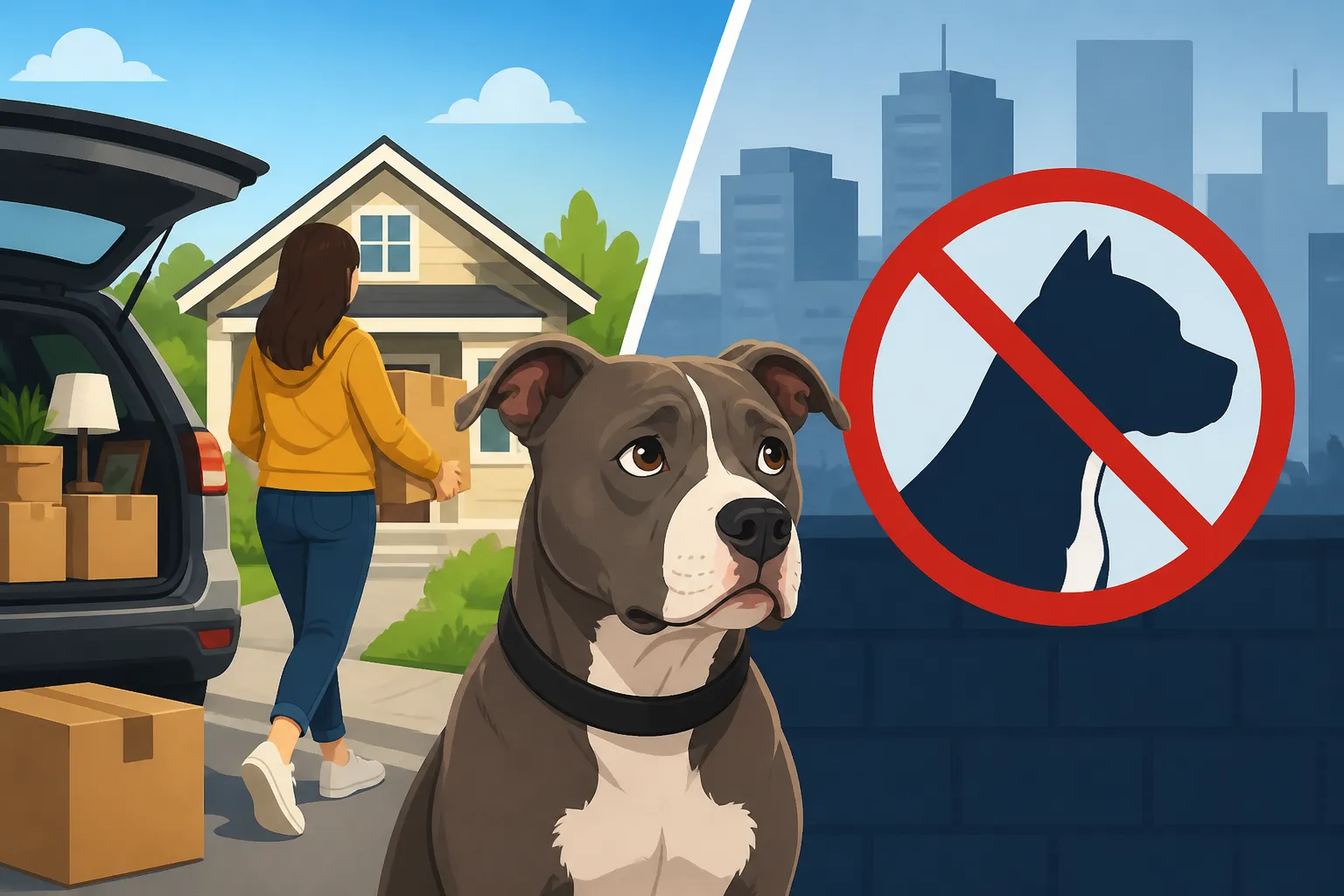
Finding out your dream city has a breed-specific law targeting your beloved Pit Bull can feel like a punch to the gut. It's a stressful, disheartening situation that forces you to confront tough choices and navigate a confusing legal landscape. This comprehensive guide will walk you through understanding these laws, preparing for your move, and successfully advocating for your Pit Bull in a restricted area, ensuring you both face this challenge with confidence and clarity.
Understanding Breed-Specific Legislation and Pit Bull Bans
The moment you realize your new home might have a law against your best friend, a wave of panic is completely normal. It’s not just about finding a new place; it’s about protecting your family. Many people use the term "Pit Bull" loosely, but legally, it gets incredibly complicated, and that complexity is what often trips up well-meaning owners.
What "Pit Bull Ban" Actually Means
First, let's clear up the biggest misconception: there isn't actually one single breed called "Pit Bull." It's a catch-all term that typically refers to a group of breeds and their mixes, most commonly the American Pit Bull Terrier, the American Staffordshire Terrier, and sometimes even the Staffordshire Bull Terrier. The confusion starts here because cities implementing bans often have their own unique definitions. Some might go by visual identification, meaning an animal control officer can look at your dog and declare it a "Pit Bull type," regardless of its actual genetic makeup. Other places might include specific breeds by name in their ordinances, or even dogs that exhibit certain physical characteristics like a broad head or muscular build.
This vague identification is a major problem for owners. You might have a mixed-breed dog that looks like a "Pit Bull" to one person, but not to another, and this subjectivity can put your dog's future in jeopardy. For instance, some municipalities in states like Iowa or Ohio have wrestled with very detailed, and often frustrating, definitions that leave owners in a legal grey area. Knowing How a City Decides a Dog Is a Pit Bull is often the first hurdle. It’s not uncommon for a dog identified as a Pit Bull in one jurisdiction to be completely unrestricted just a few miles down the road. This inconsistency is one of the most frustrating aspects of breed-specific legislation.
The History and Rationale Behind BSL
The history of breed-specific legislation (BSL) is a deeply rooted and often emotional one. These laws really gained traction decades ago, often fueled by media sensationalism surrounding isolated incidents. News reports would focus heavily on dog bites involving certain breeds, creating a narrative of inherent danger. This, in turn, led to public fear and pressure on local governments to "do something" to enhance public safety. Lawmakers, often without extensive canine behavior knowledge, would then implement bans or severe restrictions targeting breeds like the "Pit Bull" types.
While the stated rationale is almost always public safety, research and real-world results have consistently shown that BSL is largely ineffective. It fails to address the actual causes of dog bites, which are usually a complex mix of factors like irresponsible ownership, lack of training, neglect, and even the dog's individual history, rather than simply its breed. Instead, BSL punishes responsible owners and dogs indiscriminately, often leading to overcrowded shelters with healthy, adoptable dogs labeled as "Pit Bulls." The good news is that public opinion is shifting, and many cities, like Denver famously repealing its ban in 2020, and Florida ending its state-wide bans in 2024, are beginning to reconsider and repeal these outdated laws. There's a growing understanding that Why Support for Pit Bull Bans Has Fallen is linked to their proven ineffectiveness and unfairness.
Essential Steps Before Moving to a BSL City
Deciding to move is already a huge undertaking, but adding the layer of BSL makes it infinitely more complex. Don't let yourself be caught off guard. Diligent preparation is your best defense against potential heartache.
Researching Local Laws Meticulously
This is perhaps the single most critical step you can take. While a quick internet search might give you some preliminary information, laws change, and what you find online can quickly become outdated or misinterpreted. You absolutely must go directly to the source. Start by identifying the specific city, county, and even neighborhood you’re considering. Then, call their local animal control department or the city clerk's office directly. Do not rely solely on real estate agents or landlords, as they may not have the most accurate or current legal information, and their priority is the property, not your pet's legal status.
When you call, ask specific, unambiguous questions:
- "Does this city/county have any breed-specific legislation, particularly targeting Pit Bulls or similar breeds?"
- "How is a 'Pit Bull' defined in your ordinance? Is it by visual identification, specific breed names, or a combination?"
- "Are there any 'grandfather' clauses for existing residents or dogs moving into the area?" This is crucial, as some bans might exempt dogs already living there before the law was enacted, but not new arrivals.
- "What permits, licenses, or registrations are required for my dog if it falls under a restricted breed category?"
- "Are there mandatory spay/neuter laws, microchipping requirements, or special insurance policies needed?"
- "Are there any restrictions on keeping my dog in public spaces, such as mandatory muzzling or leash length rules?"
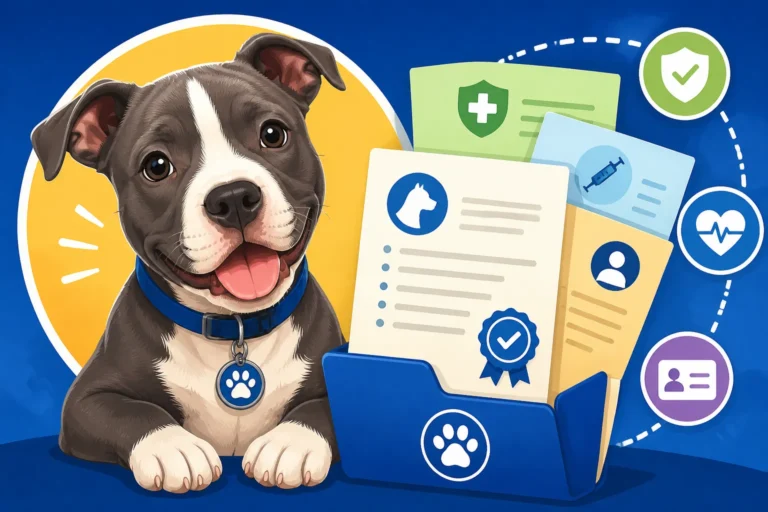
It's also wise to have your dog's veterinary records, vaccination history, and any training certifications readily available. If you have any doubts about your dog's breed makeup, consider a DNA test. While not all cities accept them as definitive proof against a visual determination, it can be a valuable piece of evidence, and it’s important to understand Whether a DNA Test Settles the Pit Bull Question in your specific jurisdiction. This thorough research will help you understand precisely Where Pit Bull Legislation Still Applies and what it entails.
Considering Alternatives and Advocacy
Sometimes, after all your meticulous research, you might find that the restrictions are simply too severe, or a ban is absolute. This is a heartbreaking realization, but it’s one that many Pit Bull owners unfortunately face. In such situations, it's essential to consider all your options, even the difficult ones. Could you look at neighboring towns or different neighborhoods within the broader metropolitan area that do not have BSL? Often, restrictions can vary dramatically from one zip code to the next. Expanding your search radius might open up new possibilities that allow your entire family, furry members included, to stay together.
If moving to a ban area is absolutely unavoidable and there's no way your dog can legally reside with you, then you face truly tough decisions. Options might include seeking a trusted family member or friend in an unrestricted area to care for your dog long-term, or, in the most extreme cases, working with breed-specific rescues to find a new, loving home. This is never easy, and every owner hopes to avoid it, but it’s a realistic consideration for some.
On a more proactive note, if your dog is well-trained and you have extensive records, this can sometimes help. Some municipalities may consider an appeal based on a dog's temperament and training, though this is rare for outright bans. Having a solid history of Documenting a Pit Bull's Training Record and a Canine Good Citizen certificate can demonstrate responsible ownership, which, while not a silver bullet, can certainly help paint a positive picture. Furthermore, connect with local breed advocacy groups in the area you're considering. They often have invaluable insights, up-to-date information on local laws, and can offer support or even legal guidance. They're usually at the forefront of efforts to challenge and repeal BSL.
Navigating Life with a Pit Bull in a Restricted City
Once you’ve done your homework and decided to make the move, the next phase is about living responsibly and proactively within the legal framework. This requires commitment and a clear understanding of your daily responsibilities.
Registration, Permits, and Compliance
Moving into a BSL-restricted area means you'll likely have a new set of bureaucratic hoops to jump through. Beyond the standard dog license, many cities require special permits or registrations specifically for "Pit Bull type" dogs. These often come with higher annual fees and may require regular renewals. It’s crucial to understand the exact process and deadlines to avoid fines or, worse, confiscation of your dog.
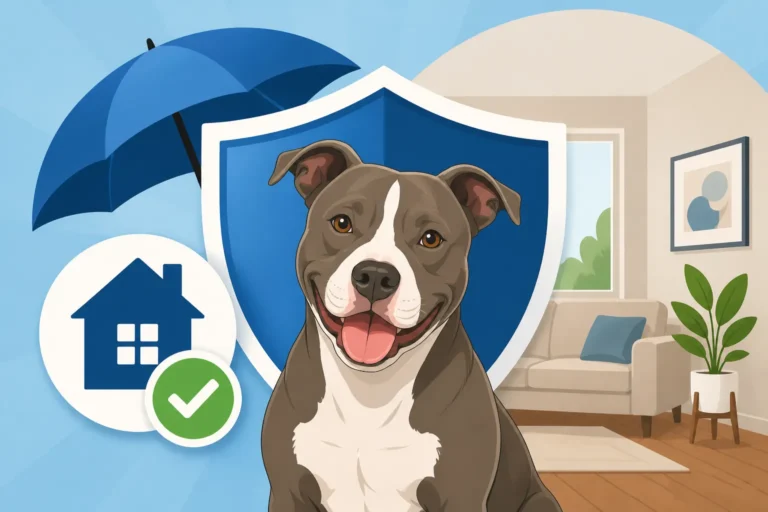
A significant hurdle often involves obtaining liability insurance. Many standard homeowner's or renter's insurance policies explicitly exclude "Pit Bull type" dogs from coverage, leaving owners vulnerable. You might need to seek out specialty insurance providers or explore umbrella policies that can offer broader coverage. It's a frustrating reality that finding Homeowners Carriers That Refuse Pit Bulls is common, but some independent insurers or specific programs might be able to help. Being uninsured could mean financial ruin if your dog is ever involved in an incident, regardless of fault.
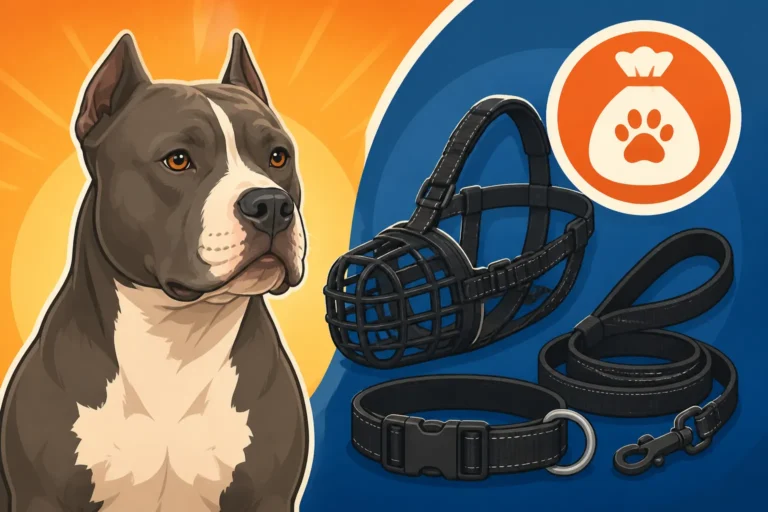
Other common compliance requirements include mandatory spay/neuter, microchipping for permanent identification, and strict containment rules, such as specific fencing requirements for your yard or keeping your dog crated when alone. Some cities even mandate that "Pit Bull type" dogs wear a muzzle in public spaces. If this is the case, proper Muzzle Training Every Pit Bull Should Have is absolutely essential, not just for compliance but for your dog's comfort and confidence. Brands like Baskerville offer comfortable, well-fitting basket muzzles that allow dogs to pant, drink, and even take treats, making the experience much more positive.
Here’s a quick overview of common compliance requirements you might encounter:
| Requirement | Description | Typical Cost/Effort |
|---|---|---|
| Special Permit/License | Annual registration beyond standard dog license | Higher fees, often annual renewal |
| Liability Insurance | Specific policy covering dog-related incidents | Can be hard to find, higher premiums |
| Spay/Neuter Mandate | Proof of sterilization required | Vet cost, but typically one-time |
| Microchipping | Mandatory for identification and tracking | One-time vet cost |
| Muzzle in Public | Requirement to muzzle in public spaces | Muzzle cost, training time |
| Secure Enclosure | Specific fencing requirements for yard | Significant cost, property modification |
| Visible Tag/Collar | Special identification tag provided by city | Small cost, daily wear |
Daily Life and Public Perception
Living with a Pit Bull in a restricted city isn't just about legal compliance; it's also about navigating public perception. You might unfortunately experience unwarranted stares, whispers, or even outright fear from strangers. This can be emotionally draining, but it's important to remember that you are your dog's best advocate. Your actions and your dog's impeccable behavior will speak volumes.
This means you need to commit to Training a Pit Bull to a Higher Standard Than Other Dogs. Impeccable leash manners are non-negotiable. Your Pit Bull should walk calmly by your side, ignore distractions, and never pull. If your dog is a strong puller, consider investing in a well-fitting harness or head halter designed for powerful dogs, and dedicate time to training. Being able to walk your dog confidently, even past other dogs or people, is vital. Mastering Pit Bull Leash Manners and Physical Strength becomes a daily priority, not just a suggestion.
You might also find that access to certain public spaces, like dog parks, is restricted or that some businesses have breed policies. This means you'll need to get creative with exercise and socialization. Long walks in permitted areas, sniffaris, or engaging in scent work at home can be great alternatives. For your everyday needs, relying on online retailers like Chewy can be a lifesaver. They deliver everything from food to toys right to your door, saving you the hassle of potentially encountering issues at local pet stores or being restricted from entry in certain retail environments. For specialized dietary needs, especially if your Pit Bull has sensitivities, services like Ollie, which deliver fresh, customized meals, can simplify feeding and ensure your dog gets high-quality nutrition without frequent trips to the store.
Remember, your consistent, responsible behavior is key. Always be polite, even when faced with prejudice. Your exemplary conduct and your dog's good manners can slowly chip away at misconceptions in your new community.
Legal Recourse and Future Considerations
Even with all the preparation, things can still get complicated. Knowing what avenues might be open to you, and how to stay proactive in advocating for your dog, is invaluable.
Challenging a Breed Determination
It’s an unfortunate reality that sometimes, despite your efforts, an animal control officer or other authority might incorrectly identify your dog as a restricted breed. This can happen particularly if your dog is a mixed breed but has physical traits commonly associated with Pit Bulls. If you believe your dog has been misidentified, many cities that implement BSL also have an appeal process. This isn't a guaranteed win, but it's a critical legal avenue to pursue.
To challenge a breed determination, you'll need to gather compelling evidence. This typically includes a statement from your veterinarian, confirming your dog's breed (if known) or describing its physical characteristics. Critically, a DNA test can be a powerful tool here. While some municipalities still rely on visual identification, a DNA test showing that your dog is primarily composed of breeds not listed in the ban (or a negligible percentage of a restricted breed) can significantly bolster your case. Be prepared to pay for these tests, as they can be costly. It’s important to research if Whether a DNA Test Settles the Pit Bull Question in your specific city, as some jurisdictions may be more open to this evidence than others. You might also need to provide behavioral assessments from certified trainers or behaviorists, demonstrating your dog's stable temperament. If possible, seek legal counsel from an attorney experienced in animal law; they can help you navigate the specific procedures for Appealing a Pit Bull Breed Determination and present your case effectively.
Advocating for Change and Long-Term Planning
Living under BSL can feel isolating, but remember that you're part of a larger community of responsible Pit Bull owners and advocates. Engaging with local and national organizations dedicated to repealing BSL is a powerful way to contribute to long-term change. Groups like the ASPCA, Best Friends Animal Society, and various breed-specific rescues actively lobby against these laws and offer resources for owners. By sharing your story, volunteering, or donating, you can help shift public opinion and influence policy. Every positive interaction your dog has with a stranger, every moment you demonstrate responsible ownership, helps to chip away at the negative stereotypes.
Looking ahead, it's wise to consider the long-term implications of living in a BSL area. Will these laws impact future moves, potential travel plans, or even your ability to rehome your dog if circumstances change? Keep meticulous records of all permits, insurance policies, and any communications with animal control. Laws can change, sometimes for the better, sometimes for the worse, so staying informed about local legislative developments is key. By being a dedicated, responsible owner and a proactive advocate, you not only protect your own beloved Pit Bull but also contribute to a future where all dogs are judged on their individual behavior, not their breed.
Disclaimer
The information provided in this article is for general informational purposes only and does not constitute legal advice. Breed-specific legislation is highly localized and subject to frequent change. Always consult with a qualified legal professional and the specific animal control or city clerk's office in your intended location for the most accurate and up-to-date information regarding laws affecting your Pit Bull.