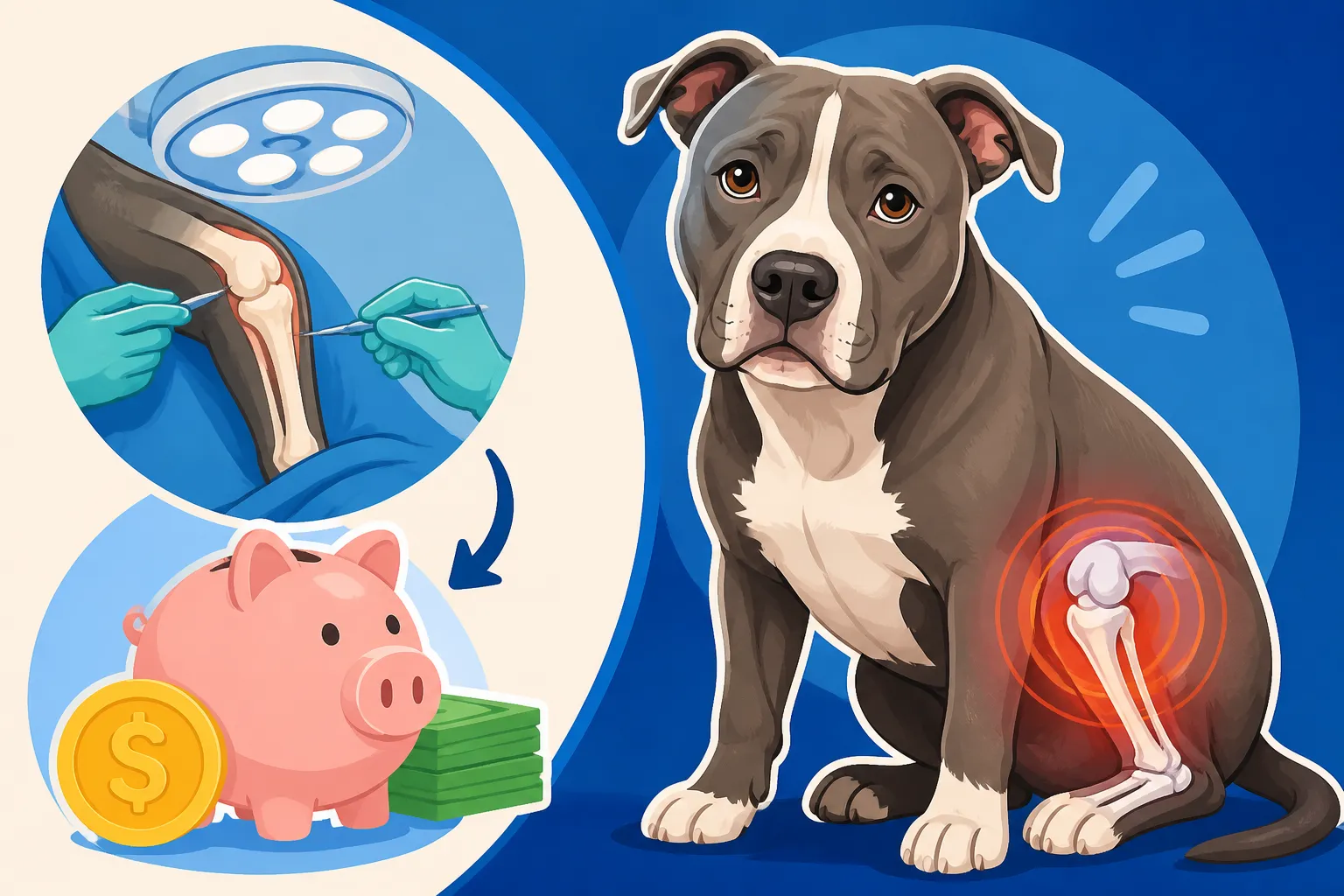
Pit Bull Cruciate Surgery Cost
It's truly heart-wrenching when your energetic Pit Bull, who loves to play and explore, suddenly starts limping or holding a back leg up. A torn cruciate ligament is a common, often devastating injury for active, powerfully built dogs, and the immediate worry, beyond their pain, is often the daunting cost of fixing it. This guide is here to walk you through everything you need to know about Pit Bull cruciate surgery cost, from diagnosis to rehabilitation, helping you prepare for the financial journey ahead.
Understanding Cruciate Ligament Tears in Pit Bulls
Cruciate ligament injuries, particularly of the cranial cruciate ligament (CCL), are unfortunately common in many dog breeds, and Pit Bulls are certainly not exempt. Their powerful build and enthusiastic nature can sometimes work against them, making them prone to certain orthopedic issues.
Why Pit Bulls are Prone to Cruciate Injuries
Pit Bulls are known for their athleticism, dense musculature, and incredible drive. These traits, while wonderful, can put significant stress on their joints, especially the knees. The cranial cruciate ligament is a crucial band of tissue inside the knee joint that connects the femur (thigh bone) to the tibia (shin bone), providing stability. When this ligament tears, often not from a single traumatic event but rather from gradual degeneration or chronic stress, the knee becomes unstable. Because of their robust physique, a sudden twist or misstep during intense play, a quick stop, or an awkward jump can lead to a full rupture in a ligament that might already be weakened. We often see these issues in highly active dogs who love to push their limits.
It’s not just their muscle and play style; sometimes genetics also play a role. Certain lines may have knees that are anatomically predisposed to these tears, making the ligament more vulnerable over time. Understanding this underlying susceptibility can help owners take preventative measures, though sometimes, despite our best efforts, these injuries still occur. For more detailed information, you might want to read about Cruciate Ligament Tears in a Muscular Pit Bull.
Recognizing the Signs of a Cruciate Tear
Spotting a cruciate tear early can make a difference in your Pit Bull's comfort and treatment options. The most obvious sign is sudden lameness or a severe limp in a hind leg, often after exercise or getting up from rest. Your dog might hold the leg up completely, or only "toe-touch," putting minimal weight on it. You might notice them favoring the leg, especially when jumping into the car or onto the couch, or even hear a clicking or popping sound from the knee.
Over time, if left untreated, the lameness may become chronic, and you might see muscle atrophy in the affected leg. They may sit with the affected leg extended out to the side rather than tucked under, which is often called a "sit test." Any persistent lameness or changes in gait, especially in a breed as active as a Pit Bull, warrants a prompt visit to your veterinarian. Early diagnosis can help manage pain and prevent further damage to the knee joint, which can occur as the joint continues to be unstable.
Deconstructing the Costs of Cruciate Surgery
When facing a cruciate tear, the sheer number of costs involved can feel overwhelming. It’s not just the surgery itself; there are diagnostic fees, anesthesia, and crucial post-operative medications. Let's break down where your money goes.
Initial Diagnostic Fees
Before any surgery can happen, your vet needs to confirm the diagnosis and assess the overall health of your Pit Bull. This typically starts with a thorough physical examination where the vet will perform specific tests, like the "cranial drawer test" or "tibial compression test," to check for instability in the knee. Just this initial consultation can range from $50 to $150.
If the physical exam isn't conclusive or to rule out other issues, X-rays will be necessary. These usually require sedation for your dog to ensure they stay still enough for clear images, especially for a muscular Pit Bull. X-rays can cost anywhere from $150 to $400, depending on the clinic and the number of views needed. Additionally, pre-surgical blood work is always recommended to ensure your dog is healthy enough for anesthesia, checking organ function and blood clotting abilities. This usually adds another $100 to $300 to your bill. These initial steps are vital, not just for diagnosis, but also for ensuring the safest possible surgical outcome.
Surgical Procedure Costs
This is often the largest component of the overall bill. There are several surgical techniques for repairing a torn CCL, each with its own complexity and cost. The choice of surgery often depends on the dog's size, activity level, the surgeon's preference, and the severity of the tear.
The most common and generally effective procedures for larger, more active breeds like Pit Bulls are Tibial Plateau Leveling Osteotomy (TPLO) and Tibial Tuberosity Advancement (TTA). These are considered "bone-changing" surgeries, altering the biomechanics of the knee to stabilize it without directly repairing the torn ligament. They are typically performed by board-certified veterinary surgeons and require specialized equipment.
Lateral Suture (or Extracapsular Repair) is an older technique, less invasive, and generally more affordable, but it's often recommended for smaller, less active dogs or as a temporary fix for larger dogs. It uses a strong suture placed outside the joint to mimic the function of the torn ligament.
Here’s a general breakdown of common surgical costs, but remember these are estimates and can vary widely by region, clinic, and surgeon's experience:
| Surgical Procedure Type | Average Cost Range (USD) | Description |
|---|---|---|
| Lateral Suture | $1,200 – $2,500 | Uses a nylon suture outside the joint to stabilize the knee. Often suitable for smaller dogs or less active larger dogs. |
| TPLO (Tibial Plateau Leveling Osteotomy) | $3,500 – $6,500 | Changes the angle of the tibia to prevent forward thrust when the dog bears weight, stabilizing the joint without needing the CCL. Highly effective for active, larger dogs. |
| TTA (Tibial Tuberosity Advancement) | $3,000 – $5,500 | Involves cutting and advancing part of the tibia to neutralize the forces on the knee joint. Also very effective for active, larger dogs. |
These prices usually include the surgeon's fee, operating room use, and sometimes a few days of hospitalization. For complex cases or specialized referral centers, costs can push towards the higher end or even exceed these ranges. It's crucial to get a detailed estimate from your veterinary surgeon before proceeding.
Anesthesia and Monitoring
Anesthesia is a significant part of any major surgery, and its cost reflects the high level of care and expertise required. For a Pit Bull, ensuring safe anesthesia is paramount, given their muscular build and potential individual sensitivities. The cost covers the anesthetic drugs themselves, the time of the veterinary technicians dedicated solely to monitoring your dog's vital signs (heart rate, respiration, blood pressure, oxygen saturation, temperature) throughout the procedure, and the use of sophisticated monitoring equipment.
Veterinary clinics take every precaution to minimize risks, and this intensive monitoring adds to the safety but also the cost, typically ranging from $400 to $800. This is an area where you definitely don't want to cut corners, as good anesthetic care directly impacts your dog's safety and recovery. Ensuring your vet details their anesthetic protocols can provide peace of mind, especially when considering a dog with a robust physiology like a Pit Bull, which may require careful drug selection and precise dosing. You can learn more about this in Anesthesia and Muscle Mass in a Pit Bull.
Post-Operative Care and Medication
The care doesn't stop once the surgery is over. Your Pit Bull will need several medications to manage pain, prevent infection, and reduce inflammation during the initial recovery period. This typically includes strong pain relievers, anti-inflammatory drugs (NSAIDs), and antibiotics. These medications are crucial for your dog's comfort and to ensure the surgical site heals properly without complications.
Additionally, an Elizabethan collar (E-collar or "cone of shame") is essential to prevent your dog from licking or chewing at the incision, which can lead to infection or reopening the wound. While some clinics provide a basic one, you might opt for a more comfortable, inflatable, or soft cone which will be an additional purchase. The cost of these medications and supplies usually ranges from $100 to $300, but can vary depending on the specific drugs prescribed and the duration of the course. It’s a necessary investment to ensure the success of the expensive surgery.
Rehabilitation and Long-Term Recovery Expenses
The surgery is only half the battle. To ensure your Pit Bull makes a full and functional recovery, a dedicated rehabilitation program is often recommended, and sometimes, essential. This phase can also add a significant amount to your overall expenses, but it's vital for a good outcome. For more insights on the entire recovery process, consider reading Rebuilding a Pit Bull Knee After a Tear.
Physical Therapy Sessions
Just like humans recovering from major joint surgery, dogs benefit immensely from physical therapy. This can include a variety of modalities such as hydrotherapy (underwater treadmill), therapeutic exercises, laser therapy, massage, and cryotherapy. These sessions help rebuild muscle mass, improve range of motion, reduce pain and swelling, and restore normal gait patterns. Hydrotherapy, in particular, allows your Pit Bull to exercise without putting full weight on the healing joint, making it incredibly effective for strengthening.
A typical course of physical therapy might involve multiple sessions per week initially, gradually decreasing in frequency. Each session can cost anywhere from $50 to $150. A full rehabilitation program could easily total $500 to $2,000 or more over several months, depending on the number of sessions and the specific therapies used. While it seems like an added expense, skipping physical therapy often leads to a less complete recovery, persistent lameness, and increased risk of re-injury or injury to the other knee.
Ongoing Supplements and Diet Adjustments
After such a significant joint injury, many vets recommend ongoing joint support supplements for life. These often contain ingredients like glucosamine, chondroitin, MSM, and omega-3 fatty acids, which can help support cartilage health and reduce inflammation. Brands like Nutramax's Dasuquin or Cosequin are popular choices. The monthly cost for these can range from $20 to $60, adding up over the years. You can often find a good selection of these on sites like Chewy, which makes it convenient to order them regularly.
Sometimes, a diet adjustment might also be recommended, especially if your Pit Bull is overweight, as extra weight puts immense strain on joints. Foods designed for joint health, or even specialized prescription diets, can be more expensive than regular kibble. If your vet suggests a fresh food diet to aid recovery and general health, companies like Ollie can deliver pre-portioned, human-grade meals that might also factor into your ongoing budget. Addressing weight is crucial, as you can see in How Weight Multiplies the Load on Pit Bull Joints and Pit Bull Obesity and Joint Strain.
Follow-Up Vet Visits and X-Rays
Your Pit Bull won't be "fixed" after just one surgery. There will be a series of follow-up appointments with your surgeon or regular vet to monitor healing, check the surgical site, and assess progress. These visits typically occur at 2 weeks, 4 weeks, 8 weeks, and sometimes 12 weeks post-surgery.
At key points, usually around 8 weeks, follow-up X-rays will be taken to ensure the bone is healing correctly (for TPLO/TTA) and that there are no signs of implant complications. Each follow-up visit can cost $50-$150, and additional X-rays will add another $150-$300 each time. These check-ups are non-negotiable for ensuring the long-term success of the surgery and catching any potential issues early.
Managing the Financial Burden
Looking at these costs, it’s easy to feel overwhelmed. Cruciate surgery is a major financial undertaking, but there are ways to make it more manageable. You’re not alone in facing these challenges, and several avenues can provide support.
The Role of Pet Insurance
Pet insurance can be a lifesaver when unexpected major surgeries like a cruciate repair come up. If your Pit Bull was enrolled in a comprehensive pet insurance plan before the injury occurred, a significant portion of the diagnostic, surgical, and rehabilitation costs could be covered. Policies vary widely, but many offer 70% to 90% reimbursement after your deductible is met.
However, it's critical to understand the concept of pre-existing conditions. If your dog showed any signs of lameness or joint instability related to the knee before your policy's waiting period was over, the injury might be deemed pre-existing and not covered. This is why enrolling in pet insurance when your dog is young and healthy is always recommended. Companies like Healthy Paws are known for their comprehensive accident and illness plans, but always review policy details carefully, especially concerning orthopedic conditions. You might want to explore Pit Bull Pet Insurance and Breed Exclusions for more in-depth information.
Payment Plans and Veterinary Financing
Many veterinary clinics understand the financial strain of emergency surgeries and offer flexible payment options. Don't be afraid to ask your vet if they have an in-house payment plan. Alternatively, third-party financing options like CareCredit or Scratchpay are specifically designed for veterinary expenses. These often provide interest-free promotional periods if you pay off the balance within a certain timeframe, or extended payment plans with fixed interest rates.
Applying for these services is usually straightforward, and you can often get an approval decision quickly. This can be a huge relief, allowing you to proceed with necessary surgery without having to pay the entire sum upfront. Discussing these options with your vet's office manager is a good first step.
Exploring Financial Aid and Assistance Programs
If pet insurance isn't an option or you're still facing a significant financial gap, there are charitable organizations that offer financial assistance for pet owners. Some breed-specific rescues for Pit Bulls may have funds or resources for medical emergencies, even if your dog wasn't adopted directly from them.
General pet financial aid organizations like The Pet Fund, RedRover, or Frankie's Friends often provide grants to help cover emergency veterinary costs. Eligibility requirements vary, and funds can be limited, so it's best to apply as soon as possible. While these programs might not cover the entire cost, every bit helps ease the burden during a stressful time. Your veterinarian's office might also be aware of local or national programs they can recommend.
Saving for the Unexpected
Ultimately, the best way to handle unexpected veterinary bills is to be prepared. Establishing a dedicated emergency fund for your pet, even if it's just putting away $50-$100 each month, can make a huge difference. Over time, this fund can grow to cover deductibles, smaller emergencies, or a portion of a major surgery.
Consider it part of responsible pet ownership, especially for a breed as active and predisposed to certain injuries as Pit Bulls. Having a financial cushion means you can focus on your dog's recovery rather than scrambling to find funds. Even a small savings account specifically for your Pit Bull's health can provide immense peace of mind.
The Impact of Cruciate Surgery on a Pit Bull's Quality of Life
While the cost is a major concern, the ultimate goal of cruciate surgery is to restore your Pit Bull's quality of life. With proper care, most dogs make a remarkable recovery, returning to their active, happy selves.
Preventing Future Injuries
It’s a sad reality that once one cruciate ligament tears, the other knee is at a significantly higher risk of experiencing the same injury, often within 1-2 years. This means prevention and ongoing management are key. Maintaining a lean body weight is perhaps the single most important factor. Even a few extra pounds on a Pit Bull can dramatically increase the strain on their joints. Regular, controlled exercise is also important, avoiding sudden, high-impact activities until fully cleared by your vet after surgery.
Your vet might recommend joint supplements for both knees as a preventative measure, even for the "good" knee. Regular check-ups can help monitor joint health, and being vigilant for any subtle signs of lameness in the other leg can lead to earlier intervention if needed. The goal is to keep your Pit Bull strong, lean, and mobile for as long as possible. For general fitness and recovery, consider how to best approach Getting a Pit Bull Back Into Condition.
Adjusting Expectations for Recovery
It's important to have realistic expectations for your Pit Bull's recovery. This is not an overnight fix. Full recovery can take several months, often 4 to 6 months, and sometimes even longer to reach peak conditioning. There will be good days and challenging days. Your dog will need strict activity restrictions initially, followed by a gradual increase in exercise as directed by your vet or physical therapist.
Patience, consistency, and adherence to the rehabilitation plan are crucial. Your Pit Bull might be a tough dog, but even they need time to heal properly. Rushing the recovery process can lead to complications, re-injury, or a less successful outcome. Celebrate small victories, provide lots of love and encouragement, and trust the process. With dedication, your Pit Bull can often return to a very high level of function, enjoying walks, playtime, and a pain-free life. It’s a significant journey, but seeing your beloved companion running freely again makes every effort worthwhile.
Disclaimer
The information provided in this article is for general informational purposes only, and does not constitute veterinary advice. Always consult with a qualified veterinarian for any health concerns or before making any decisions about your pet's medical care or treatment plan. Costs mentioned are estimates and can vary widely based on location, clinic, and individual circumstances.