How Weight Multiplies the Load on Pit Bull Joints
It’s a tough truth many Pit Bull owners face: keeping our muscular companions at their ideal weight isn't always easy, and even a few extra pounds can put immense, often hidden, strain on their powerful joints. That unnoticed weight can multiply the load, accelerating painful conditions like arthritis and dysplasia. This guide will walk you through understanding why proper weight management is crucial for your Pit Bull's joint health, how to accurately assess their body condition, and practical strategies to keep them lean, active, and comfortable for years to come.
The Invisible Burden: How Extra Weight Impacts Pit Bull Joints
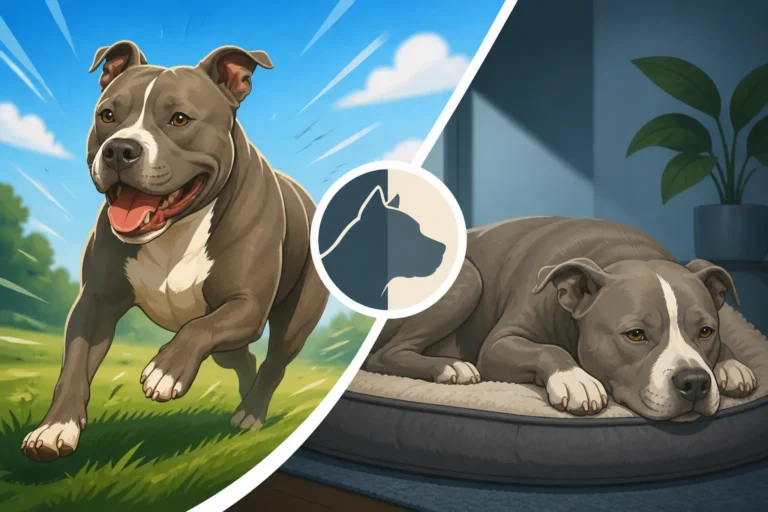
Our Pit Bulls are built like tanks—solid, muscular, and full of boundless energy. It's one of the things we adore about them! But that very strength can sometimes mask a silent threat: excess weight. What might look like "more to love" to us can translate into a crushing burden on their joints, leading to a cascade of painful and debilitating health issues.
Understanding Joint Mechanics and Stress
Think of your dog's joints as intricate, perfectly engineered hinges designed for movement and shock absorption. Each joint, whether it's the ball-and-socket of a hip or the more complex knee, relies on smooth cartilage surfaces and lubricating fluid to glide effortlessly. The surrounding ligaments provide stability, and muscles act as powerful movers and additional shock absorbers. For a breed as robust as a Pit Bull, these systems are already working hard to support their dense bone structure and powerful musculature.
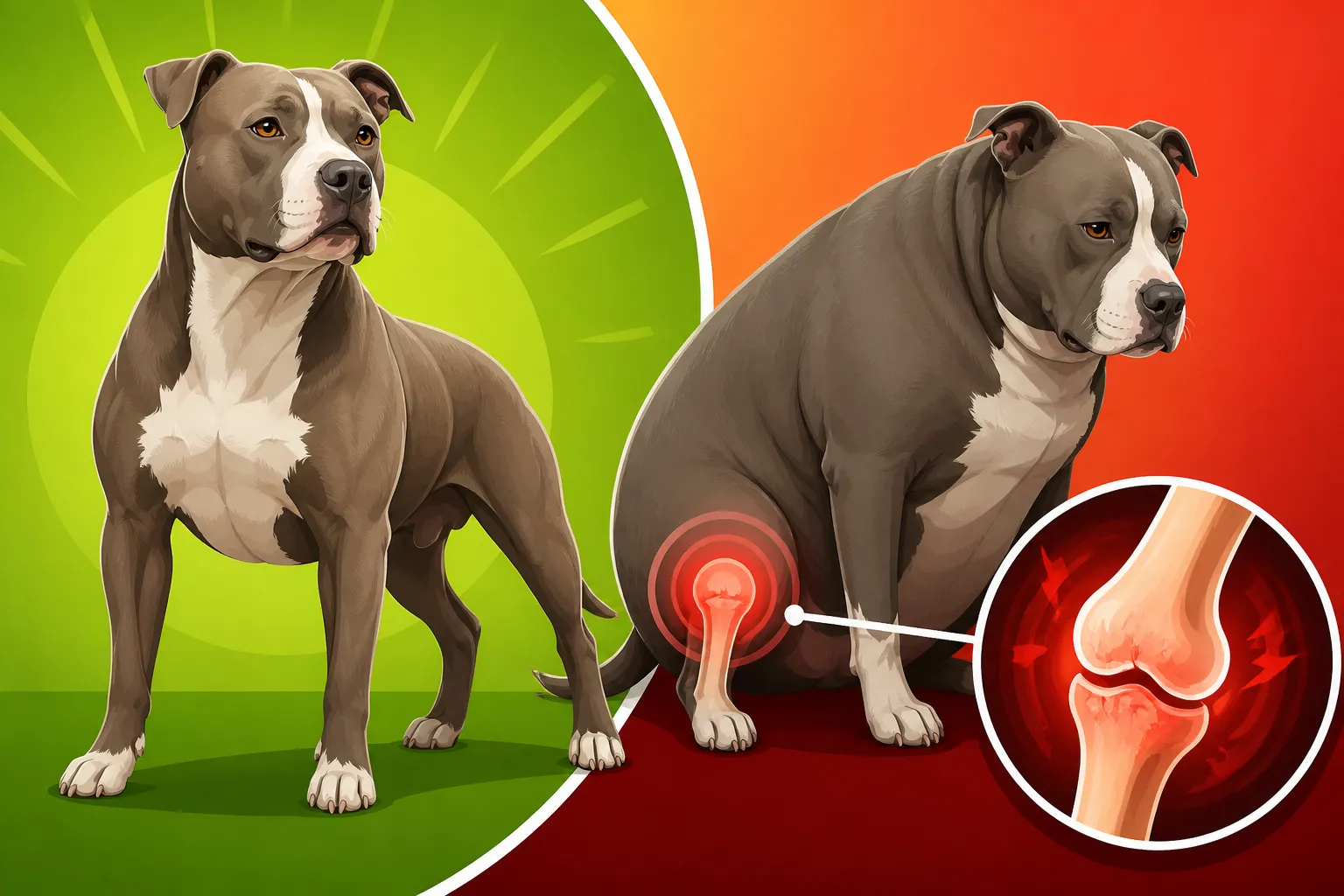
Now, imagine adding extra weight to that system. Even just a few pounds can significantly increase the load. It's not a one-to-one ratio; a 5-pound increase in body weight can feel like 20 pounds of extra stress on a dog's knees and hips due to the biomechanics of movement and leverage. This added pressure accelerates the wear and tear on cartilage, reduces the effectiveness of the joint fluid, and overstretches ligaments. The body tries to compensate, often leading to inflammation and bone spurs, which are the hallmarks of degenerative joint disease. Suddenly, those amazing zoomies or powerful leaps become sources of pain rather than joy.
Common Joint Issues Exacerbated by Excess Weight
Pit Bulls, like many active, medium-to-large breeds, have some predispositions to certain joint problems. When you throw extra weight into the mix, these conditions don't just happen; they happen faster, hurt more, and become harder to manage.
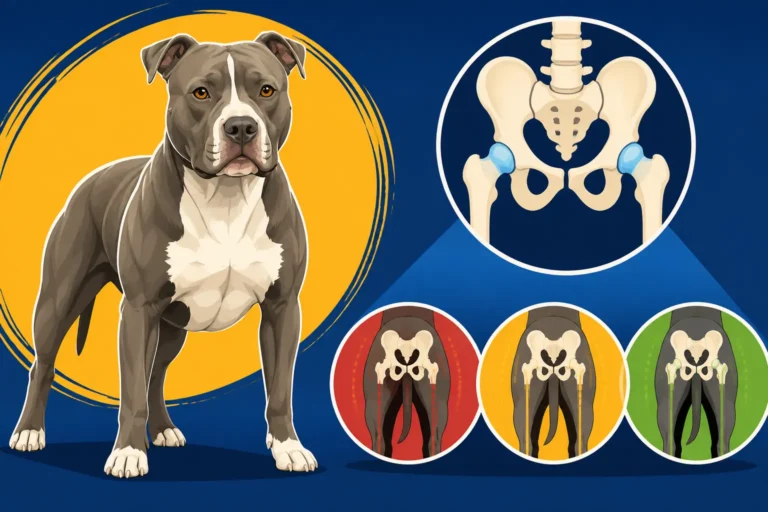
One of the most well-known issues is Pit Bull Hip Dysplasia Showing at One to Two Years. This developmental condition, where the hip joint doesn't form correctly, can be devastating. A lean Pit Bull might manage mild dysplasia for years with minimal symptoms, but an overweight dog will typically show signs much earlier, with more severe pain and a faster progression to debilitating arthritis. The same goes for elbow dysplasia, which affects their front limbs. The extra weight pushes imperfect joints past their tolerance threshold much quicker.
Then there are those sudden, heartbreaking injuries. Cruciate Ligament Tears in a Muscular Pit Bull are incredibly common, especially in active dogs carrying too much weight. The anterior cruciate ligament (ACL, or CCL in dogs) in the knee is like a strong rubber band, but it can only handle so much force. An overweight dog puts constant, excessive strain on this ligament, making it far more susceptible to tearing during a sudden stop, twist, or jump. This is often an expensive and lengthy recovery, if not a permanent change in mobility. Furthermore, existing minor Pit Bull Joint and Ligament Injuries can quickly escalate into chronic pain or complete rupture under the continuous strain of extra body mass. Managing weight can be your first and best defense against these painful episodes.
Spotting the Pounds Under the Muscle: Assessing Your Pit Bull's Body Condition
One of the biggest challenges for Pit Bull owners is accurately judging their dog's weight. These dogs are naturally muscular powerhouses, and what looks like a well-fed, sturdy dog might actually be a dog carrying a few too many pounds, putting their joints at risk. It’s easy to be fooled by their impressive physique.
The Challenge of a Muscular Build
Unlike a svelte Greyhound or a fluffy Poodle, a Pit Bull's natural musculature can easily obscure excess fat. Their broad chests and powerful hindquarters can make it difficult to see the subtle cues of weight gain that would be obvious in other breeds. A Pit Bull that looks "solid" might actually be "soft," with a layer of fat hidden beneath their taut skin and defined muscles. We, as owners, often tend to overestimate how much muscle our dogs have and underestimate how much fat they might be carrying. This can lead to a dangerous complacency, as those extra pounds pile up slowly over time, silently damaging their joints. It’s a common frustration: "He looks so strong, how could he be overweight?" But understanding Why Muscle Makes Pit Bull Weight Hard to Judge is the first step to truly assessing their health.
Hands-On Assessment: Ribs, Waist, and Tummy Tuck
Forget what the scale says for a moment; it only tells part of the story. The best way to assess your Pit Bull's body condition is with your hands and eyes. This is called a Body Condition Score (BCS), and it’s a more accurate indicator of body fat than weight alone.
Here’s how to do a quick, hands-on check:
- Feel the Ribs: Gently run your flat palms along your Pit Bull's sides, just behind their front legs. You should be able to easily feel their ribs, almost like feeling the knuckles on your hand, without having to press hard. If you have to press firmly to locate them, or if you can't feel them at all, your Pit Bull is likely carrying too much weight. On the flip side, if the ribs are prominently visible without touching, your dog might be too thin.
- Check for a Waist: Stand directly above your Pit Bull and look down. You should see a distinct "waist" indentation behind their rib cage, where their body tucks in slightly before their hips. If your dog looks like a straight line from their ribs to their tail, or if their sides bulge out, they are likely overweight.
- Observe the Tummy Tuck: Now, view your Pit Bull from the side. Their abdomen should "tuck up" from the bottom of their rib cage towards their hind legs, not hang low or appear flat. A sagging belly or a full, pendulous abdomen is a clear sign of excess weight.
Here’s a simplified Body Condition Score table to help you:
| Score | Appearance | Ribs (Palpation) | Waist/Tummy Tuck | Implications for Joints |
|---|---|---|---|---|
| 1-2 (Underweight) | Ribs, spine, pelvic bones easily visible; no fat. | Easily visible and felt; no fat cover. | Severe abdominal tuck; dramatic waist. | Risk of muscle wasting, poor joint cushioning. |
| 3 (Ideal) | Ribs easily felt; minimal fat cover; visible waist. | Easily felt without pressure; thin fat layer. | Clearly defined waist; good abdominal tuck. | Optimal joint health and mobility. |
| 4 (Overweight) | Ribs felt with moderate pressure; slight fat cover. | Require firm pressure to feel; moderate fat. | Minimal or absent waist; slight abdominal sag. | Increased joint stress, higher risk of injury/arthritis. |
| 5 (Obese) | Ribs difficult or impossible to feel; heavy fat. | Buried under thick fat; difficult to locate. | No waist; abdominal distension. | Severe joint overload, significantly increased disease risk. |
Regularly performing this Reading Pit Bull Body Condition Under Muscle check is far more insightful than just relying on the number on the scale. Make it a routine part of your weekly grooming or cuddle time.
Strategies for a Lean, Joint-Friendly Lifestyle
Once you've identified that your Pit Bull needs to shed a few pounds, or even if you're proactively trying to maintain their ideal weight, it's time to implement a comprehensive strategy. This isn't just about diet or exercise alone; it's a holistic approach that focuses on sustainable habits for lifelong joint health.
Tailoring Diet for Optimal Weight Management
Diet is, hands down, the most critical factor in weight management. You can't out-exercise a bad diet, especially with a breed like the Pit Bull that can be prone to weight gain if not managed carefully.
Firstly, you need to determine The Calorie Target for a Lean Pit Bull. This isn't a one-size-fits-all number. It depends on their age, activity level, metabolism, and whether they are spayed or neutered. An intact, highly active young Pit Bull will naturally need more calories than a sedentary, senior spayed female. Work with your veterinarian to get a precise estimate. They can help calculate a starting point, and you can adjust based on your dog's progress.
Next, choose a high-quality dog food. Look for formulas with real meat as the first ingredient and avoid excessive fillers, artificial colors, and flavors. While "grain-free" is a popular trend, it's not inherently healthier unless your dog has a specific grain allergy, and some research suggests potential links between certain grain-free diets and heart issues. Focus on balanced nutrition.
Portion control is absolutely vital. Ditch the "fill the bowl" mentality. Use a measuring cup or, even better, a kitchen scale to accurately portion out your dog's food twice a day. Free-feeding, where food is left out all day, makes it impossible to track calorie intake and often leads to overeating. If you need to Adjusting Pit Bull Food After the Neuter, remember their metabolism often slows down, so a slight reduction in calories may be necessary to prevent weight creep.
Don't forget about treats! They add up quickly. Opt for low-calorie, healthy options like small pieces of cooked chicken, carrots, green beans, or commercially available low-calorie training treats. Factor them into your dog's daily calorie allowance. Remember, treats should be small and used for training or special rewards, not as mini-meals.
Maintaining a healthy weight through diet also reduces the likelihood of expensive joint surgeries down the road. While pet insurance can be a lifesaver for unexpected costs, proactive care is always best. Companies like Healthy Paws offer comprehensive pet insurance plans that can help with veterinary expenses, but investing in quality nutrition from the start is an even smarter preventative measure.
Exercise: Quality Over Quantity for Joint Health
Exercise is crucial, but for a Pit Bull, it's about smart, joint-friendly activity, not just endless running. For dogs carrying extra weight or showing early signs of joint discomfort, high-impact activities like aggressive jumping, intense fetch on hard surfaces, or long, strenuous runs on pavement can do more harm than good.
Focus on low-impact activities that build muscle and stamina without jarring the joints. Swimming is fantastic for Pit Bulls as it provides a full-body workout with zero impact. Long, consistent walks on softer surfaces like grass or trails are also excellent. If your dog loves to retrieve, throw the ball short distances on grass, encouraging a controlled trot rather than a full-speed sprint and sudden stop. Agility training, when done carefully and with proper warm-ups and cool-downs, can also build core strength and body awareness without excessive stress, especially if obstacles are kept low.
Consider structured strength training exercises, too. Think about engaging their core and hindquarters with gentle hill walking, controlled walking over cavaletti poles, or even specific exercises recommended by a canine rehabilitation specialist. The goal is to build and maintain strong muscles around the joints, which provides natural support and stability.
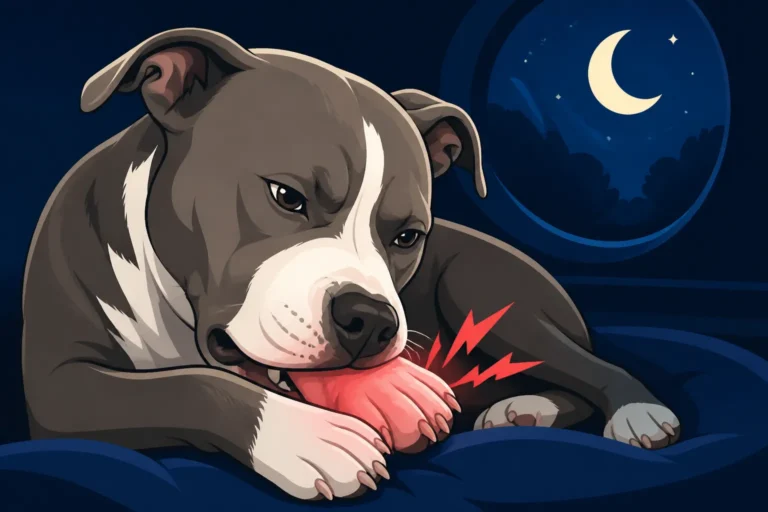
Always observe your Pit Bull during and after exercise. Is there any limping, stiffness, or reluctance to move? Do they seem less enthusiastic? These are all signs that you might be pushing them too hard, or that an underlying joint issue is present. Gradually increase the duration and intensity of exercise, allowing for rest days. For dogs Getting a Pit Bull Back Into Condition, consistency is key, but so is patience and careful monitoring.
The Role of Regular Vet Checks and Preventative Care
Regular veterinary check-ups are non-negotiable for ensuring your Pit Bull's overall health, and especially their joint health and weight. Your vet can provide an objective assessment of your dog's Body Condition Score, recommend specific dietary adjustments, and catch early signs of joint problems before they become severe.
During these visits, your vet can discuss preventative measures. This might include:
- Nutritional counseling: Getting expert advice tailored to your Pit Bull's individual needs.
- Supplementation: For many Pit Bulls, especially as they age or if they have a genetic predisposition to joint issues, supplements like glucosamine, chondroitin, and Omega-3 fatty acids can be beneficial. These work to support cartilage health and reduce inflammation. Just be sure to use veterinarian-approved supplements, as not all products are created equal. You can learn more about Joint Support for a Heavily Muscled Pit Bull to make informed choices.
- Early detection: Catching subtle changes in gait or behavior can lead to earlier diagnosis and management of conditions like Arthritis in a Pit Bull at Seven, potentially slowing progression and improving quality of life. X-rays or other diagnostics might be recommended if there are concerns about conditions like hip or elbow dysplasia or even a possible Pit Bull Hip Dysplasia Showing at One to Two Years that needs monitoring.
Beyond routine checks, having a plan for unexpected health issues is crucial. Even with the best preventative care, sometimes things happen. This is where pet insurance can truly shine. Knowing that a company like Healthy Paws could help cover a significant portion of diagnostic tests, medications, or even surgeries for severe joint conditions offers invaluable peace of mind. It allows you to make decisions based on your dog's needs, rather than solely on your wallet.
Keeping Your Pit Bull Agile Through the Years
The journey to a lean, joint-friendly lifestyle for your Pit Bull is an ongoing commitment, but it's one that pays immense dividends in their quality of life. By understanding the profound impact of weight on their powerful joints, vigilantly monitoring their body condition, and implementing thoughtful strategies for diet and exercise, you can significantly enhance their mobility and comfort throughout their lives. This dedication not only helps prevent painful conditions but also allows your Pit Bull to enjoy every run, jump, and snuggle without unnecessary burden.
Disclaimer
The information provided in this article is for general informational purposes only and is not a substitute for professional veterinary advice. Always consult with a qualified veterinarian for any health concerns or before making any decisions related to your pet's health or treatment.