Rebuilding a Pit Bull Knee After a Tear
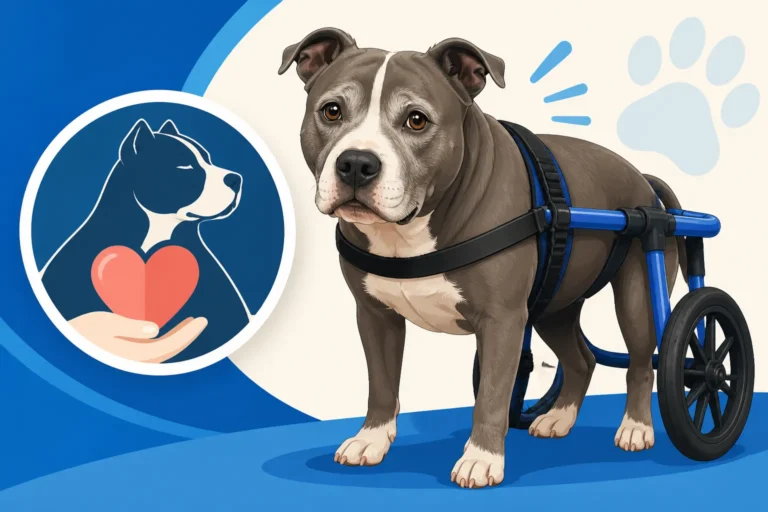
Seeing your strong, athletic Pit Bull suddenly favoring a leg, hopping, or refusing to put weight down can be absolutely heartbreaking and incredibly stressful. A torn knee ligament, often called a cranial cruciate ligament (CCL) tear, is a common and debilitating injury, especially in active, powerfully built dogs like our Pits. This guide is here to walk you through understanding these injuries, the surgical options available, and the extensive but rewarding journey of rehabilitation to get your beloved companion back on their feet.
Understanding Cruciate Ligament Tears in Pit Bulls
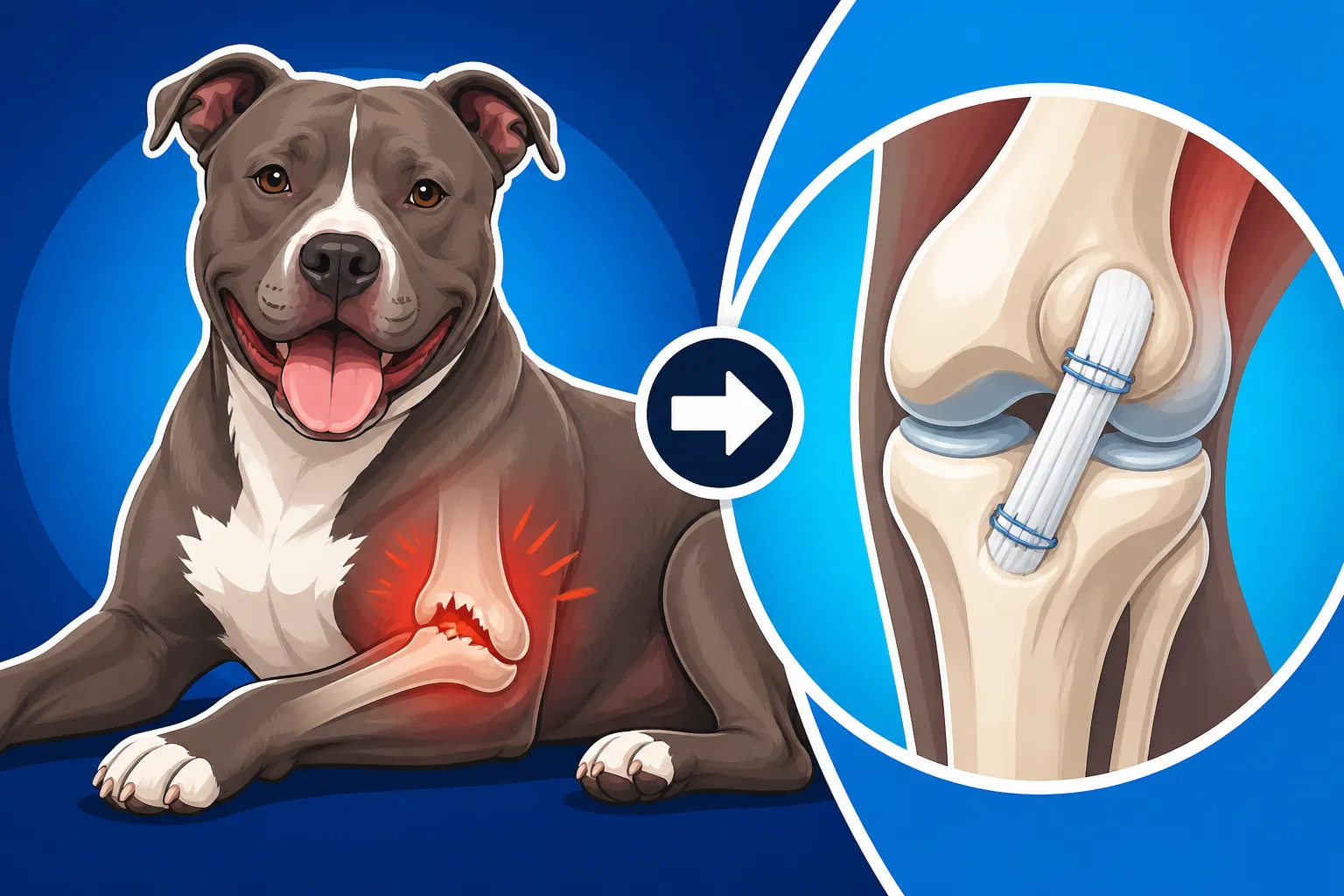
When your Pit Bull tears their CCL, it's essentially the same injury that human athletes refer to as an ACL tear. This ligament is crucial for stabilizing the knee joint. Without it, the shin bone slides forward relative to the thigh bone, causing pain, instability, and eventually, arthritis. It's a progressive, painful problem that almost always requires intervention to restore comfort and function.
Why Pit Bulls Are Prone to Cruciate Tears
Pit Bulls, with their incredible athleticism, powerful musculature, and zest for life, are unfortunately predisposed to knee injuries, particularly cruciate ligament tears. Think about it: they're built for explosive sprints, powerful jumps, and quick directional changes. All that force and sudden impact puts immense strain on their joints, especially their knees. A sudden twist while chasing a squirrel, an awkward landing from a jump, or even just cumulative wear and tear over time can lead to a tear. Sometimes, it's a sudden, acute tear from a dramatic injury, but often, it's a degenerative process that starts with partial tears and gradually worsens until the ligament fully ruptures. It's not uncommon to see dogs eventually tear the cruciate in the other knee as well, due to overcompensation during recovery. Understanding Cruciate Ligament Tears in a Muscular Pit Bull can shed more light on why this breed, in particular, faces these challenges.
Beyond their active nature, there can also be a genetic component at play. Certain conformational traits, such as a steeper tibial plateau angle, can increase the stress on the CCL, making it more vulnerable to tearing even during normal activities. This is why it's so important for breeders to screen for joint health, though with Pit Bulls being a "type" rather than a single breed, consistent health testing can be harder to track. Regardless of the exact cause, the outcome is a painful, unstable knee that significantly impacts your dog's quality of life.
Recognizing the Signs of a Torn ACL
The signs of a torn cranial cruciate ligament can range from subtle to overtly obvious, depending on whether the tear is partial or complete. Initially, you might notice your Pit Bull showing a slight limp after exercise, or perhaps just a reluctance to put full weight on one leg. They might "toe-touch," meaning they barely place their toes on the ground to alleviate pressure, or hold the leg up entirely. This is often most noticeable when they first get up after resting.
As the injury progresses, or if it's a complete tear, the lameness will become much more pronounced. You might observe a pronounced limp, difficulty jumping into the car or onto furniture, or struggling with stairs. They might seem generally less enthusiastic about walks or playtime, which for a high-energy Pit Bull, is a huge red flag. Swelling around the knee joint can sometimes be felt, and they might vocalize or flinch if you gently try to manipulate the affected leg. If you notice any of these signs, it's crucial to get your Pit Bull to the vet as soon as possible for an accurate diagnosis. Early intervention can sometimes influence recovery paths and pain management.
Navigating Surgical Options for Knee Reconstruction
Once a cruciate tear is diagnosed, usually through physical examination and possibly X-rays, your veterinarian will likely discuss surgical options. While conservative management (rest, pain medication) might be considered for very small, sedentary dogs or partial tears, it's rarely sufficient for a robust, active Pit Bull. Surgery is generally recommended to provide the stability needed for proper healing and a return to comfortable activity.
Common Surgical Techniques
There are several surgical approaches to stabilizing a Pit Bull's knee after a CCL tear, but two methods, Tibial Plateau Leveling Osteotomy (TPLO) and Tibial Tuberosity Advancement (TTA), are widely considered the gold standard, especially for larger, more active breeds. Both aim to neutralize the forces that cause the tibia to thrust forward without the intact CCL.
-
Tibial Plateau Leveling Osteotomy (TPLO): This is a very common and highly successful procedure. In a TPLO, the surgeon makes a curved cut in the top part of the tibia (the shin bone) and rotates it to change the angle of the tibial plateau. By altering this angle, the forward thrust of the femur (thigh bone) is eliminated during weight-bearing, essentially rendering the torn CCL unnecessary for joint stability. A metal plate and screws are then used to secure the bone in its new position. TPLO is particularly effective for Pit Bulls because it addresses the biomechanics of their powerful stride and can withstand the forces they generate.
-
Tibial Tuberosity Advancement (TTA): TTA involves cutting the front part of the tibia (the tibial tuberosity) and advancing it forward. This changes the angle of the patellar ligament, which helps to counteract the forward thrust of the tibia. A metal cage and plate are then used to stabilize the advanced bone segment. TTA is also a robust solution, often chosen based on the individual dog's anatomy and the surgeon's preference. It tends to be less invasive than TPLO, but both procedures have excellent success rates.
Less commonly, for smaller or less active dogs, or in cases where owners cannot afford TPLO/TTA, an Extracapsular Repair (lateral suture) might be performed. This involves placing a strong suture outside the joint to mimic the function of the torn ligament. However, for a powerful Pit Bull, this technique often proves less durable over the long term, with a higher risk of the repair failing under the dog's strength.
The Importance of a Skilled Veterinary Surgeon
Choosing the right surgeon is paramount when facing a significant orthopedic procedure like knee reconstruction. This isn't a routine spay or neuter; it requires specialized skill and experience. Ideally, you'll want to seek out a board-certified veterinary orthopedic surgeon. These specialists have undergone extensive additional training beyond veterinary school, focusing specifically on bone, joint, and muscle conditions. They possess the nuanced knowledge of canine biomechanics and surgical techniques necessary to perform TPLO or TTA effectively and minimize complications.
A skilled surgeon will meticulously assess your Pit Bull's specific anatomy, evaluate the extent of the damage, and recommend the most appropriate surgical approach. They'll also be transparent about potential risks, expected recovery times, and what you can anticipate throughout the process. Don't hesitate to ask about their experience with these procedures, their success rates, and what their post-operative care protocols entail. Getting a referral from your primary veterinarian to a specialist is often the best course of action for such a complex injury.
Preparing for Surgery
The period leading up to surgery can feel overwhelming, but a good veterinary team will guide you through the preparations. Your Pit Bull will undergo a thorough pre-surgical evaluation, which typically includes blood work to ensure they are healthy enough for anesthesia and surgery. X-rays will be taken to get precise measurements of the knee joint, which are critical for surgical planning.
You'll need to follow specific instructions regarding food and water restriction on the day of surgery. It's also a good time to prepare your home for your dog's post-operative recovery. This means setting up a comfortable, confined space where they can rest without too much temptation to move around. Think about non-slip mats for slick floors, baby gates to block stairs, and easy access to food, water, and potty areas. Mentally prepare yourself for the commitment involved, as the recovery period is lengthy and demanding, but utterly crucial for a successful outcome.
The Road to Recovery: Post-Operative Care and Rehabilitation
Surgery is only half the battle; the post-operative period and rehabilitation are arguably even more critical for a successful outcome in rebuilding a Pit Bull's knee. This phase requires immense patience, consistency, and a strict adherence to your veterinary team's instructions. Skipping steps or rushing the process can lead to complications and a less-than-optimal recovery.
Immediate Post-Op Care
The first few weeks after surgery are all about strict rest and diligent pain management. Your Pit Bull will come home with pain medications, and possibly anti-inflammatory drugs and antibiotics. Administering these exactly as prescribed is essential for their comfort and to prevent infection. You'll need to keep a close eye on the incision site for any signs of redness, swelling, or discharge. Most dogs will have sutures or staples that will need to be removed by your vet in about 10-14 days.
Crate rest or strict confinement in a small, secure area is non-negotiable during this initial phase. This means no running, jumping, playing, or off-leash activity. Potty breaks should be on a leash, with minimal walking, and then right back to their recovery space. Many owners find a firm orthopedic bed to be beneficial for their Pit Bull's comfort during this time. Remember, even if they seem to feel better, the bone and soft tissues are still healing, and too much activity too soon can compromise the surgical repair. This is a tough pill to swallow for such an active dog, but it's vital.
Rehabilitation and Physical Therapy
Once the initial healing has begun, typically around 2-4 weeks post-surgery, formal rehabilitation and physical therapy will become a cornerstone of your Pit Bull's recovery. This is where the magic really happens, rebuilding muscle strength, improving joint range of motion, and restoring proper gait. Often, your vet will recommend sessions with a certified canine rehabilitation therapist.
Rehab might include a variety of modalities:
- Therapeutic exercises: Gentle range-of-motion exercises, passive stretches, controlled weight-shifting, and balance exercises help strengthen surrounding muscles and prevent stiffness.
- Hydrotherapy: Underwater treadmill sessions are incredibly beneficial. The buoyancy of the water reduces weight-bearing stress on the healing joint while allowing your Pit Bull to move their leg and build muscle with less pain. It's a fantastic way to regain strength without impact.
- Massage and Laser Therapy: These can help reduce swelling, promote circulation, and alleviate muscle soreness.
Many of these exercises can be taught to you to perform at home, supplementing the professional sessions. Consistency is key here. Think of it like training an athlete: every session builds on the last. This intensive period will gradually transition your dog from barely weight-bearing to comfortably walking and eventually, cautiously resuming more normal activities. Getting a Pit Bull Back Into Condition takes time, and rehabilitation is the guided path to get there safely and effectively.
Long-Term Management and Preventing Re-Injury
Even after your Pit Bull has completed their formal rehabilitation program, the journey isn't over. Long-term management focuses on maintaining knee health and minimizing the risk of re-injury, both to the repaired knee and the healthy one. Gradual return to activity is paramount. Your vet will provide guidelines on when it's safe to slowly increase walking distances, introduce gentle off-leash play in controlled environments, and eventually, return to more vigorous activities. Remember, even with a successful surgery, the joint won't be exactly as it was before, and pushing too hard too soon can lead to setbacks.
Maintaining a healthy weight is absolutely critical for joint health, especially after a knee injury. Extra pounds significantly increase the load on all joints, including the repaired knee and, importantly, the other knee, which is now at higher risk for injury. Understanding How Weight Multiplies the Load on Pit Bull Joints highlights this crucial factor. Regular, controlled exercise, combined with a balanced diet, will help keep your Pit Bull lean and strong. Additionally, your vet might recommend long-term joint supplements, such as glucosamine and chondroitin, or prescription joint diets, to support cartilage health and manage any developing arthritis. Continued monitoring and regular vet check-ups are essential to catch any signs of discomfort or developing issues early on.
Financial Considerations and Support
Let's be real: undergoing knee surgery for your Pit Bull is not only emotionally taxing but also a significant financial undertaking. These specialized procedures come with considerable costs, and it's essential to understand what you might be facing and explore all available avenues for support.
Understanding the Costs Involved
The total cost of rebuilding a Pit Bull's knee after a tear can vary widely depending on your geographic location, the specific surgical technique chosen, the surgeon's fees, and the extent of post-operative care and rehabilitation required. Generally, you can expect the surgery itself (TPLO or TTA) to range anywhere from $3,000 to $7,000 per knee. This fee typically covers the surgeon's time, anesthesia, hospitalization, implants (plates and screws), and initial post-operative medications.
However, the costs don't stop there. You'll also need to factor in pre-surgical diagnostics (blood work, X-rays), follow-up appointments with X-rays to monitor healing, pain medications, and the crucial rehabilitation therapy. A full course of physical therapy, including hydrotherapy sessions, can easily add another $1,000 to $3,000 or more to the total bill. When you add all these components together, it’s clear that Pit Bull Cruciate Surgery Cost is a substantial investment in your dog's future comfort and mobility. Don't forget potential costs for things like orthopedic beds, non-slip mats, and other aids for recovery.
The Role of Pet Insurance
Given the significant expenses associated with major surgeries like knee reconstruction, pet insurance can be a literal lifesaver for many Pit Bull owners. While no one expects their dog to suffer such an injury, having a robust pet insurance policy in place can dramatically reduce the financial strain when the unexpected happens. Many owners find relief through pet insurance, with providers like Healthy Paws offering plans that cover a significant portion of these unexpected costs, after your deductible and reimbursement percentage are met.
It's crucial to enroll your Pit Bull in pet insurance before any signs of illness or injury appear, as cruciate tears, like most medical conditions, would be considered a pre-existing condition if diagnosed before your policy's waiting period ends. This means your policy would likely not cover the surgery if the tear was known or suspected prior to enrollment. Always review your policy with Healthy Paws or your chosen insurer to understand what is covered, what your deductible is, and what reimbursement percentage you'll receive for accident and illness claims. This foresight can make all the difference in providing your Pit Bull with the best possible care without breaking the bank. Understanding Pit Bull Pet Insurance and Breed Exclusions can help you navigate finding the right policy.
Alternative Financial Options
Even with pet insurance, or if you didn't have coverage in time, the costs can still be daunting. Thankfully, there are several alternative financial options available to help manage these bills. Many veterinary clinics and specialized animal hospitals offer payment plans or work with third-party financing companies like CareCredit, which provide low-interest or interest-free payment options for veterinary expenses.
Don't hesitate to openly discuss your financial concerns with your veterinary team. They might be able to suggest alternative treatments, less expensive rehabilitation options, or connect you with local charitable organizations or breed-specific rescues that offer financial aid for emergency or specialized veterinary care. Some owners also turn to crowdfunding platforms like GoFundMe, sharing their Pit Bull's story to rally support from friends, family, and compassionate strangers. While these options require effort and planning, they can provide a vital lifeline to ensure your Pit Bull receives the care they desperately need.
TPLO vs. TTA: A Comparison for Pit Bulls
| Feature | Tibial Plateau Leveling Osteotomy (TPLO) | Tibial Tuberosity Advancement (TTA) |
|---|---|---|
| Mechanism | Changes the angle of the tibial plateau to neutralize forward thrust. | Advances the tibial tuberosity to alter patellar ligament angle. |
| Bone Cut | Curved cut in the proximal tibia, requiring rotation. | Straight cut in the anterior tibia, moving it forward. |
| Implants | Bone plate and screws. | Titanium cage and screws, sometimes with a plate. |
| Suitability for Pits | Excellent for strong, active dogs; highly stable. | Also very good for active dogs; often less invasive bone cut. |
| Recovery Time | Similar to TTA (typically 8-12 weeks for controlled activity). | Similar to TPLO (typically 8-12 weeks for controlled activity). |
| Weight-Bearing | Often quicker initial weight-bearing post-op. | May have a slightly slower initial weight-bearing phase. |
| Joint Capsule Opening | Typically involves opening the joint capsule (arthrotomy). | Usually avoids opening the main joint capsule. |
| Surgeon Preference | Widely practiced, often chosen by many orthopedic surgeons. | Also common, may be preferred by surgeons for specific cases. |
| Cost | Generally comparable, both are premium orthopedic procedures. | Generally comparable, both are premium orthopedic procedures. |
Disclaimer
The information provided in this article is for general informational purposes only and does not constitute veterinary medical advice. Always consult with a qualified veterinarian or veterinary specialist for any health concerns or before making any decisions about your pet's medical care.