Daycares That Turn Away a Pit Bull
It’s a gut punch, isn’t it? You’re looking for a safe, fun place for your beloved Pit Bull to spend the day, and you hit that brick wall: "No Pit Bulls allowed." This guide is here to help you understand why this frustrating reality exists and, more importantly, how to successfully navigate the world of doggie daycare to find the perfect spot for your furry family member. You’re not alone in facing this challenge, and there are absolutely solutions out there.
Understanding Why Some Daycares Decline Pit Bulls
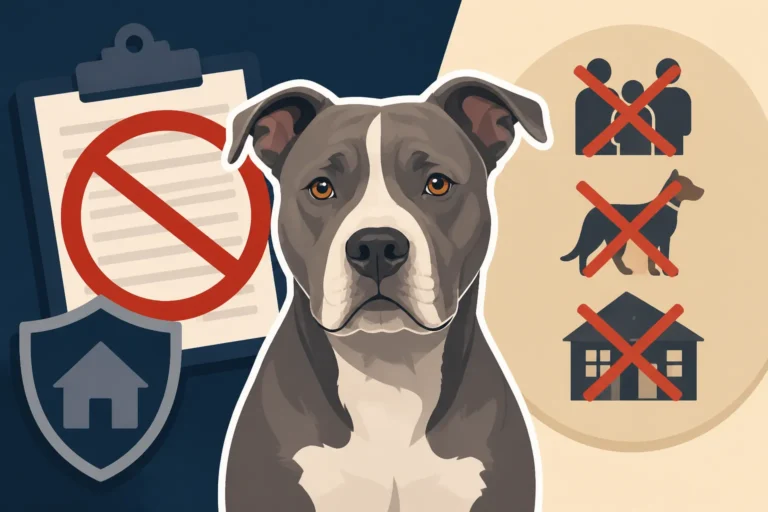
When you’re a Pit Bull owner, you quickly become accustomed to an extra layer of scrutiny, a hurdle that often feels unfair given the loving, goofy, and devoted nature of these dogs. Daycares turning away Pit Bulls isn't always about a direct accusation against your individual dog; it often stems from a complex web of external pressures and generalized concerns. It can feel deeply personal, but understanding the underlying reasons can help you approach the situation with a clearer strategy.
Insurance Requirements and Liability Concerns
One of the primary, and often unspoken, reasons many commercial dog daycares have blanket breed restrictions is tied directly to their business insurance policies. Just like trying to secure appropriate coverage when Getting Home Insurance With a Pit Bull, commercial establishments face similar, if not stricter, challenges. Insurance providers for pet care facilities often maintain lists of "restricted breeds," and dogs commonly identified as Pit Bull types frequently appear on these lists.
A daycare’s insurance policy might stipulate that they won't cover incidents involving certain breeds, or they may charge exorbitant premiums if those breeds are accepted. For a business, this creates an undeniable financial incentive to simply decline dogs on that list, regardless of individual temperament. It's a risk management decision, not a judgment on your dog, but it certainly doesn't make it any less frustrating to encounter. They are trying to protect their bottom line and their ability to stay in business, which unfortunately often means making decisions based on broad, breed-specific policies rather than individual canine personalities.
Perceptions and Misinformation About the Breed
Beyond insurance, public perception plays a significant role in how Pit Bulls are treated in commercial settings. Despite many positive stories and the undeniable loyalty of these dogs, there’s still a pervasive, often negative, stereotype surrounding the breed. This misinformation can lead to a daycare feeling pressured by other clients, or even staff members, who might hold preconceived notions. Even if a daycare owner personally loves Pit Bulls, they might fear backlash or a drop in business from clients who aren't comfortable with the breed being present.
These perceptions don’t reflect the reality of Pit Bull Temperament and What Testing Shows, which often reveal them to be resilient, friendly, and eager to please. However, stereotypes are powerful, and in a group play environment, the appearance of a dog that "looks like a Pit Bull" can unfortunately trigger concerns among those unfamiliar with the breed, or who have only encountered negative portrayals in media. This makes daycares cautious, even when your dog is a perfect angel. It's a sad reality that Pit Bull owners often have to contend with, and it's why every interaction your dog has in public, including at a daycare, feels like an audition to disprove these stereotypes.
Facility Limitations and Group Dynamics
Even in the absence of insurance or public perception issues, some daycares may decline Pit Bulls (or any strong, boisterous breed) based on the specific limitations of their facility or their established group dynamics. Pit Bulls are often powerful, athletic dogs with a distinctive play style that can be quite intense. While many enjoy vigorous play, it needs to be with dogs who match that energy and resilience. A daycare set up for smaller, quieter breeds, or one that focuses on lower-energy group play, might genuinely feel they cannot safely accommodate a high-energy Pit Bull without disrupting their existing groups or risking injury to other dogs.
Their facilities might not be designed for the strength and stamina a Pit Bull brings to play, perhaps lacking adequately robust fencing, very large play yards, or staff specifically trained in managing powerful breeds in a group. Furthermore, Pit Bulls, like many breeds, can develop Pit Bull Dog Selectivity and Multi-Dog Homes as they mature. This isn't aggression, but a preference for certain playmates or a need for more structured introductions. Daycares with a free-for-all play model might not have the capacity or staffing to manage individual dog selectiveness, and so, for simplicity, they might opt for blanket restrictions. This is less about your dog's breed and more about a mismatch in operational philosophy and physical resources.
Navigating the Search for a Pit Bull-Friendly Daycare
Finding the right daycare for your Pit Bull can feel like an arduous quest, but it is absolutely achievable. The key is to be proactive, thorough, and prepared to advocate for your dog. It's not just about finding a place that says "yes" but finding a place that says "yes" for the right reasons – because they understand and are equipped to handle your dog responsibly.
Researching Policies and Asking the Right Questions
Before you even step foot in a facility, it's crucial to do your homework. Start by checking their website or making a quick phone call to inquire about their breed policies. Don't beat around the bush; directly ask if they have any breed restrictions. If they say no, that’s a great start, but the conversation doesn't end there. Ask them how they handle breed identification. Do they go by appearance, or do they rely on veterinary records or DNA tests? This is particularly important if your dog is a mix, as Whether a DNA Test Settles the Pit Bull Question is a topic that can vary wildly in its acceptance by different establishments.
When you do find a promising lead, prepare a list of detailed questions for your tour or initial consultation. Beyond breed policies, delve into their overall philosophy on dog behavior, staff training, and group management. Ask about their staff-to-dog ratio, especially during peak hours. Inquire about how they introduce new dogs to existing groups and what steps they take to manage escalating play or potential conflicts. A good daycare will have clear, consistent protocols for all of these scenarios. It's also worth asking about their emergency procedures and if they have staff trained in canine first aid. These questions aren't just for your Pit Bull; they're essential for any dog's safety and well-being in a group setting.
Leveraging Community Resources and Breed-Specific Groups
One of the most powerful tools in your search is the collective experience of other Pit Bull owners. Online forums, local Facebook groups dedicated to Pit Bulls or "bully breeds," and even breed-specific rescue organizations are goldmines of information. These communities often share lists of Pit Bull-friendly daycares, trainers, and pet sitters in your area. They can offer firsthand accounts, recommend specific facilities, and warn you about places to avoid. Don't underestimate the power of a personal recommendation from someone who truly understands the nuances of owning and advocating for a Pit Bull.
Beyond online groups, consider visiting local dog parks (if your dog is well-socialized and appropriate for such environments) or pet supply stores and simply chatting with other owners. You might be surprised at how many people are willing to share their experiences and offer advice. Local pet supply stores, especially independent ones, often have bulletin boards with advertisements for dog walkers and pet sitters, or their staff might know of daycares in the area with more inclusive policies. Sometimes, even the staff at your veterinary clinic might have a pulse on local establishments that are known for their open-minded approach to all breeds.
Trial Days and Temperament Assessments
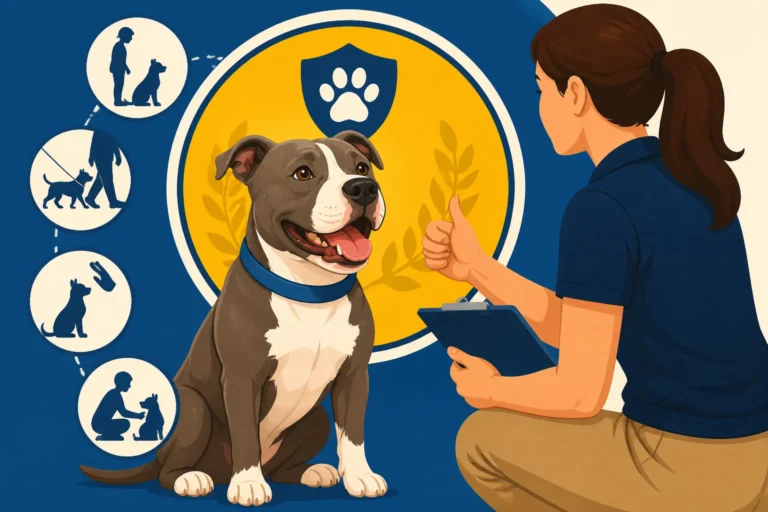
Once you’ve identified a potential daycare, almost all reputable facilities will require a temperament assessment or a trial day for your dog. This is not just for Pit Bulls; it's standard practice for ensuring any dog is a good fit for their environment and existing playgroups. For a Pit Bull owner, this step is particularly crucial and offers a valuable opportunity to showcase your dog's true personality.
During this assessment, the daycare staff will observe your dog's interactions with other dogs and humans, their comfort level in a new environment, and their overall behavior. Be prepared to provide detailed information about your dog’s history, play style, and any specific quirks. If your Pit Bull has successfully earned certifications like the Canine Good Citizen and Why It Matters for a Pit Bull, definitely highlight that achievement. It demonstrates that your dog has a solid foundation in obedience and manners. The trial day isn't just for them to assess your dog; it's also for you to observe the facility, the staff, and how they manage the dogs. Do you feel confident in their ability to keep your Pit Bull safe and happy? Trust your gut feeling.
Exploring Alternatives to Traditional Daycare
If finding a traditional daycare proves impossible or unsuitable, remember that there are many excellent alternative care options available. Sometimes, a different approach can even be a better fit for your Pit Bull's individual needs and temperament, offering more personalized attention or a calmer environment.
In-Home Pet Sitters and Dog Walkers
For many Pit Bull owners, hiring an in-home pet sitter or a dedicated dog walker can be a fantastic solution. These professionals typically come to your home, eliminating the need for your dog to adapt to a new environment or navigate group dynamics with unfamiliar dogs. An individual pet sitter can provide one-on-one attention, follow your dog's usual routine, and offer companionship in the comfort of their own home. This can be especially beneficial for dogs who are a bit more reserved or those who prefer human company over a boisterous group of dogs.
When looking for a pet sitter or dog walker, prioritize finding someone with experience handling strong, energetic breeds like Pit Bulls. Ask for references and ensure they are insured and bonded. Many professional pet sitters are incredibly knowledgeable about dog behavior and can provide customized care that a large daycare simply cannot. You might find resources for these services through platforms like Rover or Wag, but always conduct thorough interviews and check backgrounds. Remember, you're inviting someone into your home and trusting them with your beloved pet, so diligence is key. Some owners even use specialized services to order high-quality foods from vendors like Ollie, which pet sitters can then prepare, ensuring a consistent diet even when you're away.
Individualized Care and Smaller Group Settings
Some dog care providers offer more individualized services or operate in smaller, more controlled group settings, often out of a home environment rather than a large commercial facility. These options can be a wonderful compromise, providing socialization without the overwhelming nature of a big daycare. A smaller group means more direct supervision, less potential for conflict, and the ability for caregivers to really get to know each dog's personality and preferences.
These boutique-style services might be harder to find, but they are absolutely worth seeking out. Again, local Pit Bull owner groups or your trusted veterinarian might have recommendations. In these settings, the emphasis is often on quality over quantity, with caregivers curating playgroups based on compatibility rather than simply accepting every dog. This can be ideal for a Pit Bull who enjoys play but might thrive better with a select few friends rather than a large, constantly changing pack. When considering these options, be sure to ask about their experience, how they manage their playgroups, and what their protocols are for ensuring a harmonious environment. For the adventurous, some might even consider taking their dog to a specialized Finding a Trainer Experienced With Pit Bulls for private sessions or small, structured classes.
Enrichment at Home While You're Away
Sometimes, the best solution isn't outside care at all, but rather maximizing your Pit Bull's enrichment and comfort right at home while you're at work or away for short periods. This approach might involve a combination of tactics to ensure your dog is mentally stimulated, physically exercised, and comfortable in your absence. This is particularly relevant if your Pit Bull struggles with separation anxiety or simply prefers the peace of their own space.
Before you leave, ensure your dog gets a good, solid walk or play session to burn off some energy. Mental stimulation is just as important, so invest in puzzle toys, KONGs stuffed with treats, or snuffle mats to keep their minds engaged. Durable chew toys from places like Chewy can also provide hours of entertainment and help prevent destructive behaviors. Consider leaving on a dog-specific playlist or a talk radio station to provide some ambient noise. For some dogs, Muzzle Training Every Pit Bull Should Have can be a useful tool for safe containment in certain situations, but it should never be used as a substitute for proper exercise and enrichment. Remember that even a well-socialized Pit Bull benefits from regular exercise, so for long days, even having a friend or neighbor stop by for a quick potty break and a game of fetch can make a huge difference. Investing in a robust, comfortable bed, perhaps one of the Beds That Survive a Pit Bull, can also contribute to their overall contentment at home. And when considering the costs of various care options, remember to factor in potential health emergencies and consider pet insurance like Healthy Paws to mitigate unexpected veterinary bills, which can certainly impact your overall pet care budget, even for routine check-ups or unexpected incidents.
Disclaimer
This article is for general informational purposes only and does not constitute professional advice. Laws, prices and regulations vary by location and change over time. Consult a qualified professional for guidance on your specific situation.