Why Pit Bull Skin Claims Get Refused
Having a Pit Bull with persistent skin issues is an exhausting, heartbreaking journey. You spend countless hours trying to soothe their itching, administering treatments, and making multiple trips to the vet, only to have the financial burden compounded by a pet insurance claim denial. It feels like a punch to the gut when you've done everything right, and this guide is here to shed light on why those skin claims often get refused and how you can better navigate the complex world of pet insurance.
The Frustration of Chronic Skin Issues in Pit Bulls
Let's be honest, few things are as universally frustrating for a Pit Bull owner as watching their beloved dog scratch, lick, and chew themselves raw. It's not just an occasional itch; for many of our blocky-headed pals, skin problems become a relentless, chronic battle that affects their quality of life and, let's be frank, ours too. You lose sleep to the incessant scratching, you worry constantly about secondary infections, and you feel utterly helpless as you try yet another new diet or medication.
The Commonality of Pit Bull Skin Problems
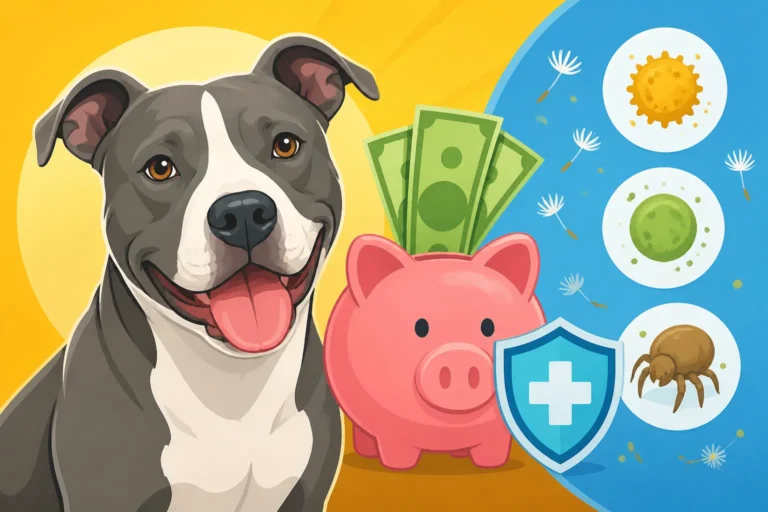
It's not your imagination – Pit Bulls, and Pit Bull type dogs, are disproportionately prone to skin allergies. While any dog can develop allergies, breeds like Pit Bulls often seem to be genetic lottery winners in the worst way when it comes to dermatological woes. This susceptibility is largely due to their genetic predispositions to atopy, also known as environmental allergies. Think of it like severe hay fever, but for dogs, it manifests primarily through their skin. They can react to common allergens like pollen, dust mites, and certain grasses, leading to a relentless cycle of itching and inflammation. You'll often see them constantly Pit Bull Paw Licking and Chewing or rubbing their face against furniture. It's a common, heartbreaking pattern that many of us recognize.
The Financial Drain of Ongoing Treatment
Managing a Pit Bull with chronic skin allergies isn't cheap. It's a significant financial commitment, month after month, year after year. From special prescription diets and medicated shampoos to costly veterinary visits, allergy testing, and long-term medications, the bills can quickly stack up. We’re talking about regular expenses for things like Apoquel or Cytopoint injections, which offer immense relief but come with a hefty price tag. Then there's the cost of treating secondary bacterial or yeast infections that inevitably arise when the skin barrier is compromised from all that scratching. It's not uncommon for owners to spend hundreds, if not thousands, of dollars annually on managing their Pit Bull's skin health. This is why pet insurance becomes so appealing; it promises a safety net against these recurring, often unpredictable, costs.
Understanding How Pet Insurance Works (and Doesn't)
Pet insurance is a wonderful tool designed to help mitigate the financial shock of unexpected veterinary emergencies or chronic illnesses. However, it's not a magical fix, and understanding its limitations is crucial, especially when it comes to persistent issues like skin allergies. Many owners are caught off guard when their claims for Pit Bull Skin Allergies and the Atopy Pattern are denied, not realizing the specific clauses and criteria that insurance companies use.
The "Pre-Existing Condition" Clause
This is, hands down, the number one reason why pet insurance claims for skin issues in Pit Bulls get refused. A "pre-existing condition" is any illness or injury your pet had before your insurance policy's effective date or before the end of the waiting period. If your Pit Bull showed any signs of itching, paw licking, ear infections, or skin redness before you enrolled them in a policy, or before the initial waiting period ended, the insurance company will almost certainly classify those skin issues as pre-existing.
For example, if you adopt a young Pit Bull who has a history of mild itching documented in their shelter records, even if it wasn't severe, and then a year later they develop full-blown Pit Bull Atopy and Seasonal Itching requiring expensive medication, your claim might be denied. The insurer can point to that initial documentation as proof of a pre-existing condition. This can feel incredibly unfair, especially since allergies often start subtly and worsen over time. It's a frustrating reality that insurers must protect themselves from people buying coverage after a problem has already manifested. This is precisely why it’s so critical to consider Enrolling a Pit Bull Before Its First Allergy Flare.
Waiting Periods and Early Symptoms
Beyond the pre-existing clause, every pet insurance policy has a waiting period – a specific amount of time (often 14-30 days for illnesses) that must pass after you enroll before coverage for certain conditions begins. If your Pit Bull starts showing symptoms of a skin problem, even something as minor as excessive licking or a small rash on their belly, during this waiting period, it will also be considered a pre-existing condition.
Let's say you sign up for a policy with Healthy Paws. Their illness waiting period is 15 days. If on day 10, your Pit Bull develops a red, itchy rash on their abdomen – what might seem like innocent Pit Bull Skin Fold and Belly Irritation at first – and you take them to the vet, any future claims related to that rash or subsequent allergies will likely be denied because the initial symptoms appeared within the waiting period. It's a tight window, and often, early allergy symptoms are easily missed or dismissed as something minor until they escalate.
Exclusions and Limitations in Policies
While most comprehensive pet insurance plans cover skin conditions, it's crucial to read the fine print. Some policies may have specific exclusions or limitations. For instance, cosmetic procedures or preventative care that isn't directly treating a diagnosed illness might not be covered. While rare for general skin allergies, some policies might have caps on how much they'll pay out for chronic conditions in a year or over the dog's lifetime. Always check the policy details for Pit Bull Pet Insurance and Breed Exclusions or specific condition limits.
It's also worth noting that experimental treatments or certain supplements that aren't vet-prescribed might not be reimbursed. If your vet suggests a holistic approach or a new, unproven therapy, always confirm with your insurer beforehand if it's covered.
Documentation Is Your Best Friend
When it comes to pet insurance, especially with a breed prone to chronic issues like Pit Bulls, your veterinary records are paramount. They tell the story of your dog's health, and without clear, consistent documentation, it becomes incredibly difficult to prove your case to an insurer. Many owners only realize the importance of meticulous records when a claim is denied, and by then, it can be too late.
The Importance of a Detailed Veterinary History
Every single vet visit, no matter how small the concern, should be thoroughly documented by your veterinarian. This includes notes about any itching, scratching, redness, or specific complaints you voice, even if no formal diagnosis is made at that appointment. If your Pit Bull has a flare-up of Pit Bull Hot Spots and Secondary Infection, ensuring the vet notes when it started, what treatments were given, and the response to those treatments is vital.
When submitting a claim, the insurance company will request your dog's full medical history. They are looking for patterns, dates, and any mention of skin-related issues before your policy started or during the waiting period. If your vet notes show a clear onset of a condition after your waiting period, you stand a much better chance. Don't be afraid to ask your vet to be detailed in their notes and to clarify any ambiguities if you're reviewing the records yourself.
Proactive Communication with Your Insurer
Navigating insurance isn't always straightforward. It's not a "set it and forget it" kind of deal, especially with a Pit Bull. Proactive communication can save you a lot of heartache down the line.
Here’s a practical tip: if your Pit Bull starts showing minor signs of itching or skin irritation, and you're unsure if it might turn into a bigger issue, call your insurance provider before the vet visit, if possible. Explain the symptoms and ask if, given your policy and waiting periods, this could be considered a pre-existing condition. They might not give you a definitive "yes" or "no" until after a diagnosis, but they can guide you on what documentation they'll need.
Also, don't hesitate to ask specific questions about coverage for common Pit Bull skin treatments, like whether Medicated Baths for a Pit Bull With Atopy are covered, or if they have particular requirements for allergy testing or prescription diets. Knowing this upfront helps you make informed decisions and avoids surprises.
Here's a quick reference for common denial reasons and how to address them:
| Reason for Denial | Explanation | How to Prevent/Address |
|---|---|---|
| Pre-Existing Condition | Symptoms or diagnosis occurred before policy start/waiting period. | Enroll pet early (as a puppy!), maintain consistent vet records, disclose known conditions upon application if allowed. |
| Waiting Period | Symptoms appeared during the initial waiting period. | Enroll early, be mindful of waiting periods, avoid postponing vet visits for new symptoms. |
| Insufficient Docs | Vet records lack detail, dates, or clear diagnosis. | Ask your vet to be thorough, keep copies of all records, follow up on diagnoses. |
| Policy Exclusions | Condition or treatment is explicitly not covered by your plan. | Read your policy's fine print before buying, clarify with insurer, consider higher-tier plans if specific coverage (e.g., What Allergy Shots Cost a Pit Bull Owner) is needed. |
| Incorrect Diagnosis Code | Vet uses a general code instead of a specific allergy/skin code. | Discuss with your vet to ensure accurate coding that reflects the specific condition being treated. |
Strategies for Navigating Denied Claims and Future Coverage
It's a tough pill to swallow when your claim is denied. You've invested in insurance for peace of mind, and now you're left holding the bill. But all is not lost. There are steps you can take to challenge a denial and to ensure you're better prepared for future coverage needs.
Appealing a Denied Claim
Just because a claim is initially denied doesn't mean it's the final word. Many insurance companies have an appeal process. This is where your meticulous records and proactive communication become critical.
Here's how to approach an appeal:
- Understand the Reason for Denial: The insurance company is legally obligated to tell you why your claim was denied. Get this in writing.
- Gather All Supporting Documents: This includes your full veterinary history, any test results (like bloodwork or skin scrapings for Demodex Mange in a Pit Bull), and relevant communication with your vet or insurer. If the denial is based on a pre-existing condition, you need to find documentation that proves the condition started after your waiting period. Sometimes, a vet can write a letter clarifying the onset of symptoms or distinguishing between minor, isolated incidents and the true start of a chronic condition.
- Write a Formal Appeal Letter: Clearly state why you believe the claim should be reconsidered, referencing specific dates and documents. Be polite but firm.
- Seek Your Vet's Assistance: Your vet can be a powerful advocate. They can often provide additional notes or insights that help the insurer understand the situation better.
- Escalate if Necessary: If your appeal is denied, ask about further escalation options. Some states have departments of insurance that handle consumer complaints against insurance companies.
Remember, the goal is to provide undeniable evidence that the condition or incident occurred within the covered period, according to the terms of your policy.
Managing Costs Without Full Insurance Coverage
If your Pit Bull's skin issues are deemed pre-existing, and you can't get coverage for them, don't despair. There are still ways to manage the financial burden of Pit Bull Allergy Treatment as a Recurring Bill.
- Veterinary Payment Plans or Credit: Many veterinary clinics offer payment plans for larger bills. Services like ScratchPay or CareCredit can also help spread out the cost of expensive treatments.
- Rx Discount Programs: For medications, explore discount programs. Online pharmacies like Chewy often offer competitive prices and prescription delivery, which can save a significant amount over time. Always get a written prescription from your vet so you can shop around.
- Budgeting and Savings: Set up a dedicated savings account for your Pit Bull's health. Even putting away a small amount each month can build up over time to cover routine allergy costs or unexpected flare-ups.
- Consider Alternative Diets: For Food Allergies Behind Pit Bull Itching, limited ingredient diets or fresh food options, like those from Ollie, can be transformative, sometimes reducing the need for expensive medications. Always consult your vet before making significant dietary changes.
- Look for Assistance Programs: Some breed-specific rescues or national organizations offer financial aid for owners facing significant veterinary expenses.
Finding the Right Policy for Future Pit Bull Skin Needs
If you're looking to get a new policy, or your current Pit Bull is still young and hasn't shown significant skin issues, choosing the right plan is vital. This is especially true if you plan on getting another Pit Bull in the future.
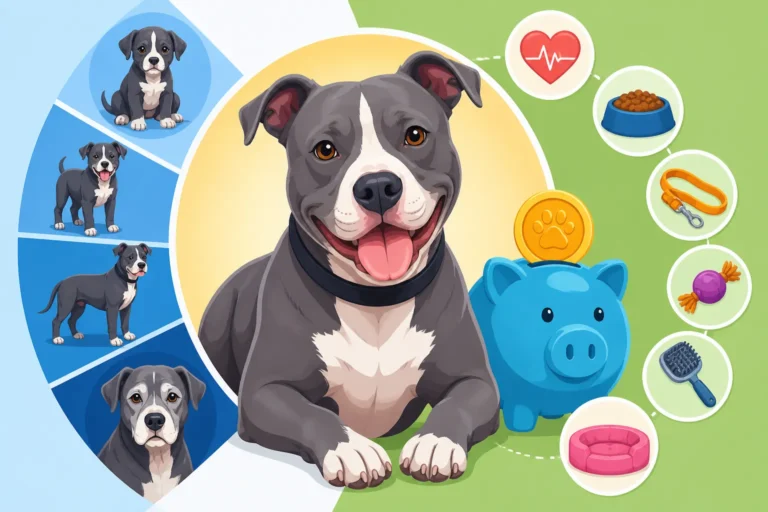
- Enroll Early: The younger your Pit Bull is when you enroll, the less likely they are to have any pre-existing conditions. Puppyhood is the ideal time to get coverage.
- Compare Policies Thoroughly: Don't just look at the monthly premium. Compare deductibles, reimbursement percentages (70%, 80%, 90%), annual limits, and, most importantly, the specific clauses around pre-existing conditions and waiting periods. What constitutes a pre-existing condition can vary slightly between providers.
- Read Reviews and Talk to Other Pit Bull Owners: Learn from others' experiences. Which companies have been good about covering chronic issues? Which have been difficult?
- Ask Direct Questions: Call prospective insurance providers and ask them directly about their policies regarding chronic skin allergies, what constitutes a pre-existing condition in their eyes, and what kind of documentation they require for claims like What Allergy Testing Runs on a Pit Bull.
- Consider a Wellness Plan (if available): Some companies offer add-on wellness plans that cover routine care like annual check-ups, vaccinations, and sometimes even a portion of flea/tick preventatives or prescription food, which can help offset some regular costs, although it's typically separate from illness coverage.
While dealing with denied insurance claims for your Pit Bull's skin issues is incredibly disheartening, understanding the rules, meticulous documentation, and proactive communication can make a significant difference. You are your Pit Bull's best advocate, and being informed is your most powerful tool.
Disclaimer
This article is for general informational purposes only and does not constitute professional advice. Laws, prices and regulations vary by location and change over time. Consult a qualified professional for guidance on your specific situation.