Hours a Pit Bull Copes With on Its Own
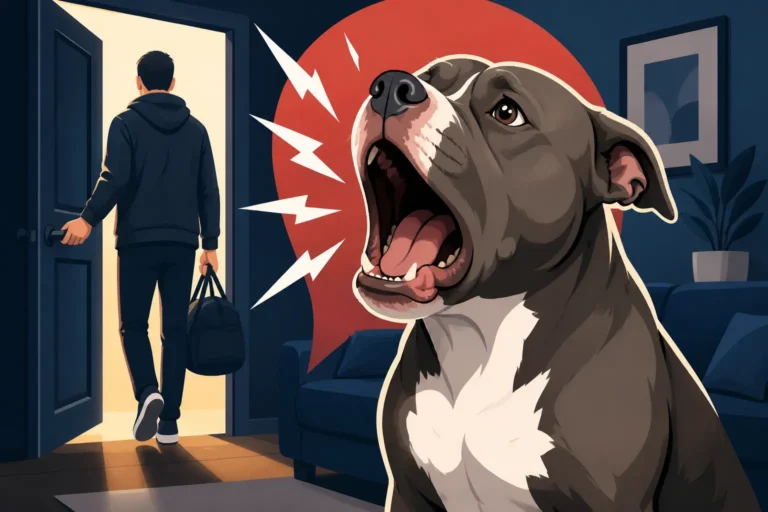
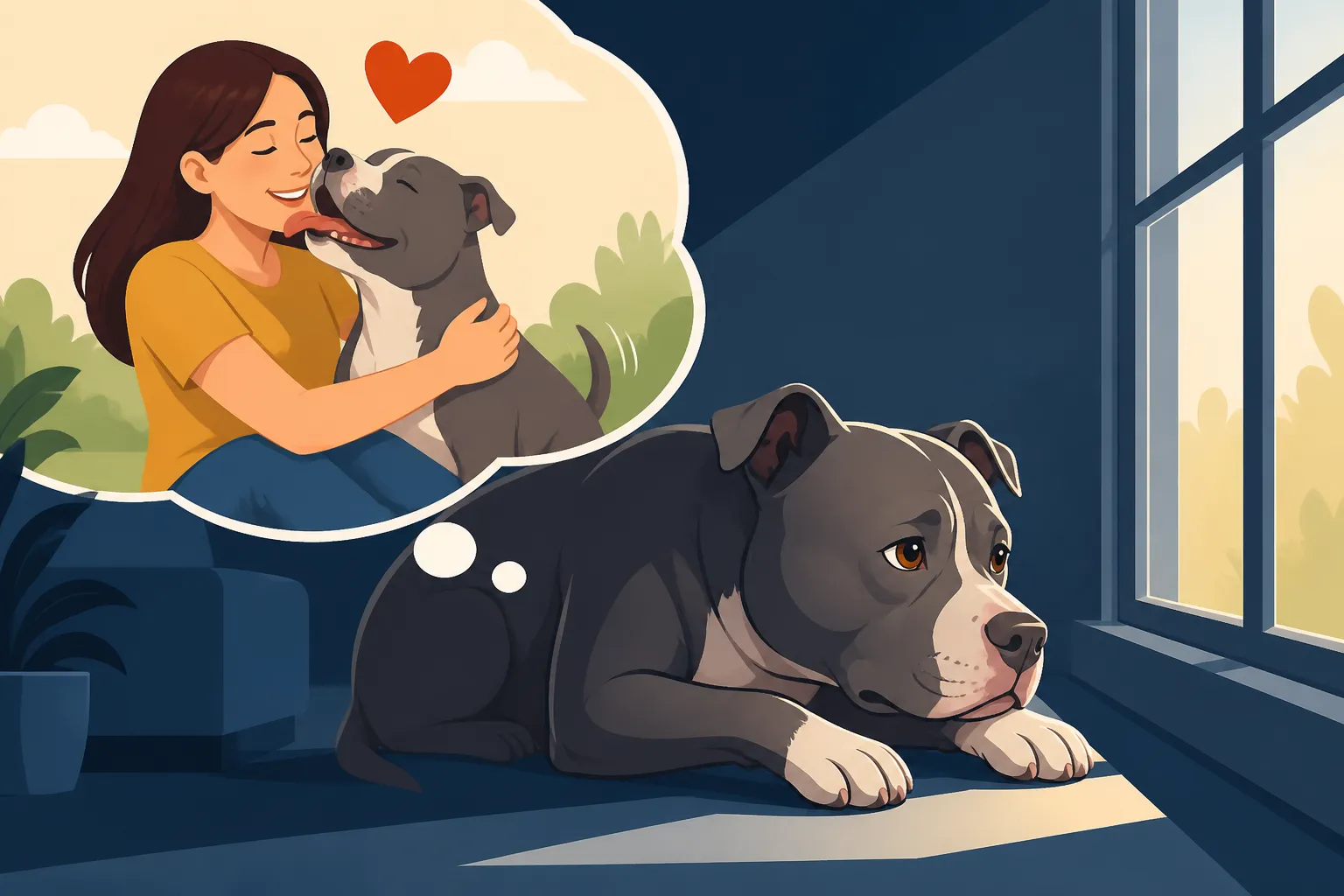
It's a common struggle for Pit Bull owners: that pang of guilt when you close the door, knowing your beloved, energetic companion will be on their own for hours. Life happens, we have jobs, errands, and commitments that take us away from our furry best friends. The big question often weighing on our minds is, "How long is too long?" This guide aims to help you understand how much alone time your Pit Bull can truly cope with, why some struggle more than others, and practical ways to make their solo hours as comfortable and stress-free as possible.
Understanding Your Pit Bull's Natural Tolerance for Solitude
Pit Bulls are incredibly loyal and people-oriented dogs. This deep connection, which makes them such wonderful family members, can also be the root of their struggles when left alone. Unlike some breeds that are content to patrol a yard or simply nap all day, many Pit Bulls thrive on interaction, mental engagement, and physical activity with their human companions. They aren't historically solitary guard dogs; rather, their background often points to a desire for companionship and a "job" to do, even if that job is simply being your devoted shadow.
Because of this innate desire for connection, a Pit Bull might not instinctively cope well with long stretches of isolation. They bond intensely, and for some, that bond can manifest as distress when their primary attachment figure is absent. It's not a sign of a "bad" dog; it's a testament to their loving nature. However, it means we, as owners, need to be particularly mindful of how we prepare them for and manage their time spent alone.
Every Pit Bull is an individual, of course. Some might naturally have a more independent streak, happily napping away the hours until you return, perhaps with the help of a Pit Bull Bedding That Survives Digging. Others are true "velcro dogs" and find separation genuinely distressing. Their early experiences, genetics, and how much effort has been put into positive alone-time training all play significant roles in shaping their ability to handle solitude. Understanding your specific dog's personality and history is the first step in determining what level of alone time is reasonable for them.
Factors Influencing How Long a Pit Bull Can Be Left Alone
There isn't a single, one-size-fits-all answer to how long a Pit Bull can comfortably be left alone. It's a dynamic equation influenced by several key factors. Thinking about these aspects can help you gauge your own dog's capacity and identify areas where you might need to adjust your routine or training.
Age and Developmental Stage
A Pit Bull puppy's bladder capacity is far less than an adult's, meaning they need more frequent potty breaks. An 8-week-old puppy simply cannot hold it for 8 hours, nor should they be expected to. Young puppies are also in crucial developmental stages, where positive experiences and consistent routines are paramount. Leaving them alone for too long during these formative weeks can contribute to anxiety or house-training setbacks. As they grow, their bladder control improves, but their energy levels can skyrocket during adolescence, demanding more physical and mental outlets. The Age a Pit Bull Finishes Growing can give you an idea of when their physical development settles, but mental maturity often lags behind.
On the other end of the spectrum, senior Pit Bulls might also require more frequent breaks due to age-related incontinence, kidney issues, or even cognitive decline. An older dog might find it harder to get comfortable or might pace more if left alone for extended periods. They might also experience increased joint pain, making it difficult to shift positions frequently or hold their bladder for as long as they once did. An Old Pit Bull Losing Sight and Hearing can also impact how they perceive being alone, potentially making them feel more vulnerable.
Training, Socialization, and Learned Habits
A Pit Bull that has been gradually introduced to alone time through positive reinforcement and crate training will generally cope far better than one suddenly thrust into long periods of isolation. Crate training, when done correctly, provides a safe, den-like space where your dog can feel secure. A dog accustomed to their crate from puppyhood will often view it as their sanctuary, reducing stress when you're away. Conversely, a Pit Bull who has never learned to be comfortable alone, or who has developed negative associations with your departure, will likely struggle.
The cues you provide before leaving also play a role. If your Pit Bull associates you picking up your keys and putting on your shoes with 8 hours of loneliness, those cues can trigger anxiety before you've even left. Desensitizing them to these triggers and creating a calm, predictable departure routine can make a significant difference. Early and consistent socialization around different environments and people can also build a dog's general resilience, helping them adapt better to various situations, including being left alone.
Exercise and Mental Stimulation
A tired Pit Bull is often a content Pit Bull. These dogs are strong, athletic, and intelligent, meaning they need a good deal of both physical and mental exercise to truly be relaxed. If your Pit Bull is left with pent-up energy, they are far more likely to engage in destructive behaviors or display signs of anxiety when left alone. A vigorous walk, a solid play session, or some focused training time before you leave can make a world of difference.
Mental stimulation is just as important. Puzzle feeders, such as those you can find on Amazon, or long-lasting chews can keep their minds engaged and redirect potential anxiety or boredom into appropriate activities. Think about Indoor Trick Work for a Bored Pit Bull or even some basic scent games before you head out the door. The goal is to provide enough enrichment that they are ready for a good, long nap when you're gone, rather than pacing the house looking for something to do or destroy.
Environmental Setup
The environment you leave your Pit Bull in dramatically affects how well they cope. A large, dog-proofed room with comfortable bedding, water, and appropriate toys is ideal for some. For others, particularly those prone to destructive chewing or house-training accidents, a secure crate is essential. The Crate a Pit Bull Cannot Break Out Of is a serious consideration for powerful chewers.
Ensuring their space is free from hazards and temptations is crucial. Removing anything they could chew, swallow, or damage not only protects your belongings but also keeps your Pit Bull safe. Leaving a television or radio on can sometimes provide background noise, mimicking human presence and reducing feelings of isolation. The table below offers a general guideline for how much alone time might be appropriate based on age, but remember these are just estimates and your dog's individual needs come first.
| Age Stage | Max Recommended Alone Time (Approx.) | Common Issues if Overextended | Tips for Success |
|---|---|---|---|
| Puppy (8-16 weeks) | 1-2 hours | Potty accidents, destructive chewing, fear | Frequent potty breaks, crate training, gradual increase |
| Adolescent (4-18 months) | 3-5 hours | Destructive chewing, barking, anxiety develops | High exercise, mental stimulation, consistent routine |
| Adult (1.5-7 years) | 6-8 hours | Boredom-related mischief, occasional anxiety | Robust exercise, puzzle toys, dog walker option |
| Senior (7+ years) | 4-6 hours | Increased potty needs, discomfort, cognitive decline | More frequent potty breaks, comfortable bedding, quiet space |
Practical Strategies for Preparing Your Pit Bull for Solo Time
Leaving your Pit Bull alone doesn't have to be a source of stress for either of you. With consistent training and thoughtful preparation, you can help your dog become more comfortable and confident when you're not around. It's all about building positive associations and gradually increasing their tolerance.
Gradual Desensitization to Departures
One of the most effective strategies is to gradually desensitize your Pit Bull to your departures. This isn't about simply leaving for longer periods, but rather breaking down the "leaving routine" into smaller, less significant steps. Start by picking up your keys, putting on your shoes, or grabbing your bag, and then don't leave. Sit back down. Repeat this multiple times a day until your dog barely reacts. Then, try stepping out for just a minute or two, returning before they have a chance to get distressed. Slowly increase the duration over days and weeks. This teaches them that your departure isn't always permanent or scary.
When you do leave, make it a calm, low-key event. Avoid dramatic goodbyes or long speeches. Just a simple, "Be a good dog, I'll be back," and then quietly exit. This helps prevent building up their anticipation or anxiety. Similarly, when you return, resist the urge for an overly enthusiastic greeting right away. Wait until they are calm before offering attention, reinforcing that calm behavior is rewarded.
Creating a Safe and Enriching Haven
Whether you choose a crate or a designated dog-proofed room, it needs to be your Pit Bull's happy place. For crate training, make sure the crate is appropriately sized – large enough for them to stand, turn around, and lie down comfortably, but not so large that they can use one end as a potty area. Line it with a comfy bed or blanket. Never use the crate as punishment, as this will only create negative associations. Instead, feed meals in the crate, give high-value chews or toys only when they're in the crate, and praise them for entering voluntarily. For more on handling common issues, you might find tips in Crate Training a Pit Bull That Breaks Out.
For a dog-proofed room, ensure all dangerous items, tempting shoes, or valuable furniture are out of reach. Provide plenty of appropriate Chew Toys That Hold Up to a Pit Bull, such as heavy-duty rubber toys or puzzle feeders stuffed with treats. Toys from brands like Kong or Nylabone, often found on Amazon, are often durable enough for a Pit Bull's powerful jaws. These items are crucial for mental enrichment and to prevent boredom-related destruction.
Establishing a Predictable Pre-Departure Routine
Dogs thrive on routine and predictability. Establishing a consistent pre-departure routine can signal to your Pit Bull what's about to happen and help them settle. This routine should include:
- Plenty of Exercise: A good, solid walk or play session before you leave is non-negotiable for a Pit Bull. They need to burn off physical energy so they can relax. Consider the advice in Pit Bull Exercise for a Powerful Athletic Dog to ensure they're getting enough.
- Potty Break: Always ensure they've had a chance to relieve themselves right before you leave. This reduces the chance of accidents and the associated stress.
- Mental Stimulation: Offer a stuffed Kong, a puzzle toy, or a long-lasting chew just as you're preparing to leave. This redirects their focus to a positive activity and keeps them occupied for the first crucial moments of your absence. Many pet supply stores and online retailers like Amazon offer a wide variety of interactive toys.
- Water: Always ensure fresh water is accessible, especially if they've been exercising.
By making your departure predictable and associating it with positive things (like a special treat or toy), you can help your Pit Bull transition into alone time more smoothly.
Recognizing and Addressing Signs of Separation Anxiety
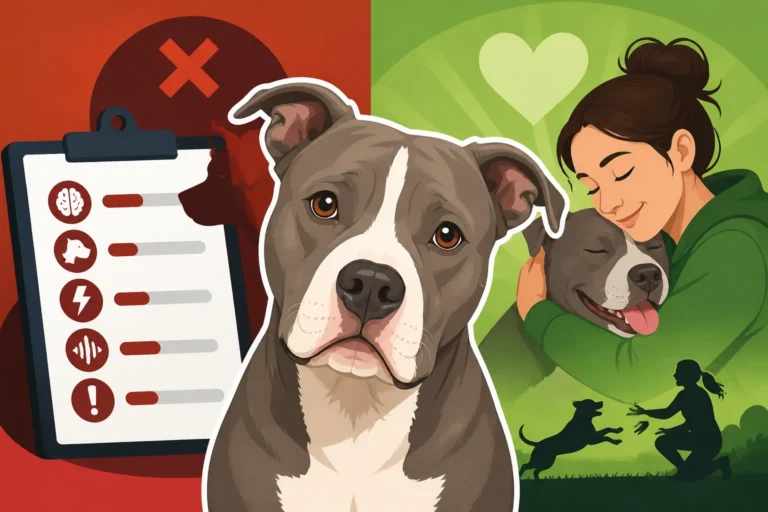
It's vital to distinguish between a Pit Bull that is simply bored or under-exercised, and one experiencing genuine separation anxiety. While both can lead to destructive behaviors, the underlying motivation and treatment approaches are very different. Misdiagnosing the issue can prolong your dog's suffering and lead to frustration for you.
Distinguishing Boredom from Anxiety
A bored Pit Bull might:
- Chew on household items, but often specific ones (e.g., your shoes, a pillow), and might stop if you come home unexpectedly.
- Dig in the yard or engage in other general "mischief."
- Be easily distracted by new toys or activities upon your return.
- Not show extreme distress when you leave, but rather a casual "Oh, you're going?" attitude.
A Pit Bull with separation anxiety, on the other hand, often displays more frantic, desperate behaviors:
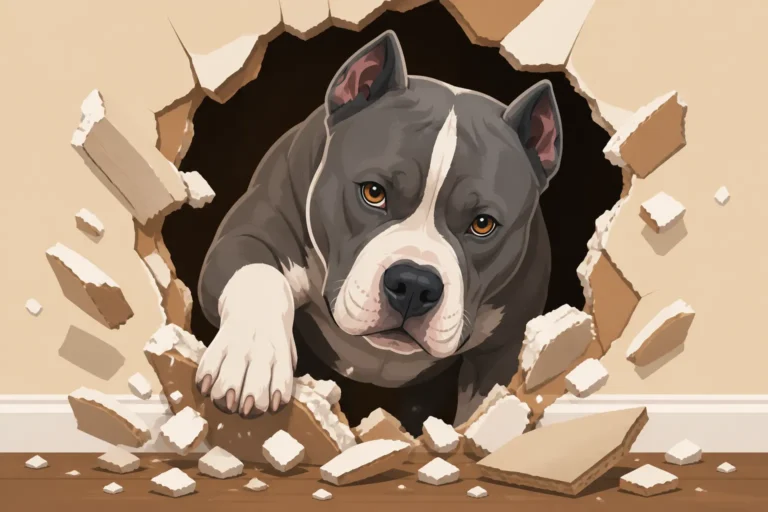
- Destructive behavior: This is often targeted at exit points (doors, windows, crates) or items heavily scented with your presence. The destruction can be self-injurious, leading to broken teeth, bloody paws, or other wounds as they frantically try to escape or alleviate their distress. You might see evidence of them trying to chew through a wall or door, as described in A Pit Bull That Destroys Furniture When Alone.
- Excessive vocalization: This includes incessant barking, howling, or whining that begins shortly after you leave and continues for extended periods. This isn't just a few barks at a squirrel; it's prolonged, distressed vocalization, which you might hear as A Pit Bull That Screams When You Leave.
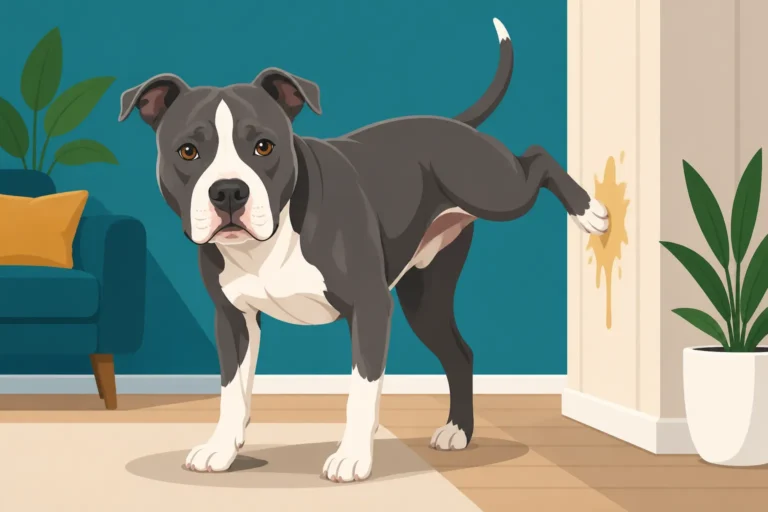
- Inappropriate elimination: Even a fully house-trained Pit Bull might urinate or defecate indoors when left alone, specifically when no one is home. This is not defiance or a lack of training; it's a physiological response to extreme stress.
- Other signs: Pacing, drooling, excessive panting (even if it's not hot), self-mutilation (licking or chewing paws until raw), or even anorexia while alone. A classic sign is often them being unable to settle down, constantly moving, perhaps as described in A Pit Bull That Panics When the Door Shuts.
Intervention and Support for Anxiety
If you suspect your Pit Bull is suffering from separation anxiety, it's crucial to seek professional help. This is not a problem that typically resolves on its own or through simple discipline.
- Veterinary Consultation: Your first step should be a visit to your veterinarian. They can rule out any underlying medical conditions that might be contributing to the behaviors (e.g., incontinence, pain, thyroid issues). In severe cases, your vet might discuss anti-anxiety medication as a temporary aid to help your dog learn new coping mechanisms while undergoing behavior modification.
- Certified Professional Dog Trainer or Behaviorist: A qualified professional specializing in separation anxiety will create a tailored behavior modification plan. This often involves very gradual desensitization, counter-conditioning (changing your dog's emotional response to your departures), and teaching independence. Online training platforms, like those offered by BAXTER & Bella, can provide structured programs and support, making professional guidance more accessible for those dealing with anxiety issues. They can also provide strategies for Leaving a New Pit Bull Alone for the First Time to prevent anxiety from developing.
- Environmental Management and Tools: While not a cure, certain tools can help manage anxiety:
- Calming Aids: Pheromone diffusers, calming supplements, or thunder shirts can sometimes provide a small degree of comfort, but they are not substitutes for training.
- Dog Walkers/Daycare: If financially feasible, having a trusted dog walker visit midday or enrolling your Pit Bull in dog daycare can significantly reduce the amount of time they are truly alone, providing much-needed social interaction and exercise.
- Cameras: Using a pet camera allows you to observe your Pit Bull's behavior when you're gone, providing valuable insights into the severity and nature of their anxiety.
Remember, addressing separation anxiety is a process that requires patience, consistency, and often professional guidance. It's about helping your Pit Bull feel safe and secure, even when you're not physically present.
Disclaimer
This article is for general informational purposes only and does not constitute professional advice. Laws, prices and regulations vary by location and change over time. Consult a qualified professional for guidance on your specific situation.