The Sounds and People a Pit Bull Puppy Needs
Bringing a Pit Bull puppy home is such an exciting time, but it also comes with a huge sense of responsibility, especially when it comes to making sure they grow into confident, well-adjusted adults. Many new owners feel a lot of pressure to "get it right," knowing how important early experiences are, and worrying about how their pup will perceive the world. This guide is here to walk you through exactly what kind of sounds and people your Pit Bull puppy needs to be exposed to, gently and positively, to set them up for a lifetime of happy interactions.
Understanding the Critical Socialization Window for Pit Bull Puppies
It’s easy to get caught up in the cuteness of a new puppy, but beneath all that adorable energy lies a crucial developmental period that shapes who they become. For Pit Bulls, who often face unfair stereotypes, thoughtful and thorough socialization isn't just a good idea – it's absolutely vital for their well-being and for their reputation in the community.
Why Early Exposure Matters So Much for Pit Bulls
The period from roughly 3 to 16 weeks of age is often called the "critical socialization window" for puppies. During this time, their brains are like sponges, soaking up every experience and forming lasting impressions about what is safe, normal, and even fun in the world. For a Pit Bull puppy, every positive encounter during this sensitive phase helps build a foundation of confidence and resilience. If a puppy has limited exposure or, worse, negative experiences during this time, those early fears and anxieties can become deeply ingrained and much harder to address later. You’re not just introducing them to new things; you’re literally shaping their worldview and helping them understand that the big, wide world isn't a scary place. It's a heavy thought, I know, but also incredibly empowering because you have the power to make such a difference.
Think about it: a pup that meets various people and hears different sounds in a calm, positive way is far less likely to be fearful or reactive as an adult. This is especially true for our Pit Bulls, where public perception can be a hurdle. A well-socialized Pit Bull is a fantastic ambassador for the breed, showing everyone their true, wonderful nature. It's not about making them love everyone or everything, but about teaching them to be comfortable, neutral, and unafraid in a variety of situations.
The Dangers of Missed Opportunities
Missing this critical window or providing insufficient socialization can have significant, long-term consequences for any dog, but particularly for a Pit Bull. A puppy who hasn't been exposed to different sounds, sights, and people can easily grow up to be fearful, anxious, or reactive. Imagine a dog who has never heard a vacuum cleaner suddenly encountering one – the sheer volume and strange movement can be terrifying, leading to panic or aggression born out of fear. Similarly, a dog unaccustomed to strangers might shy away, growl, or bark defensively when approached, simply because they haven't learned that most people are benign.
This isn't just a matter of convenience; it deeply impacts their quality of life and your relationship with them. A dog living in constant fear or anxiety is not a happy dog, and an owner dealing with a reactive dog faces significant challenges in daily life, from walks to vet visits. For Pit Bulls, these behaviors can unfortunately play into negative stereotypes, making it harder for them to be accepted and understood. The goal is to prevent these issues from ever taking root by carefully crafting positive, low-stress experiences during their formative weeks. It requires patience and consistency, but the payoff for a confident, happy Pit Bull is immeasurable. The Weeks That Shape a Pit Bull Puppy highlights just how quickly these early developmental stages pass and how crucial each interaction is.
Introducing Your Pit Bull Puppy to a Symphony of Sounds
The world is a noisy place, and for a small puppy, the sheer volume and variety of sounds can be overwhelming. Your job is to gradually introduce them to this soundscape in a way that builds confidence, not fear.
Common Household Noises and How to Acclimate Your Pup
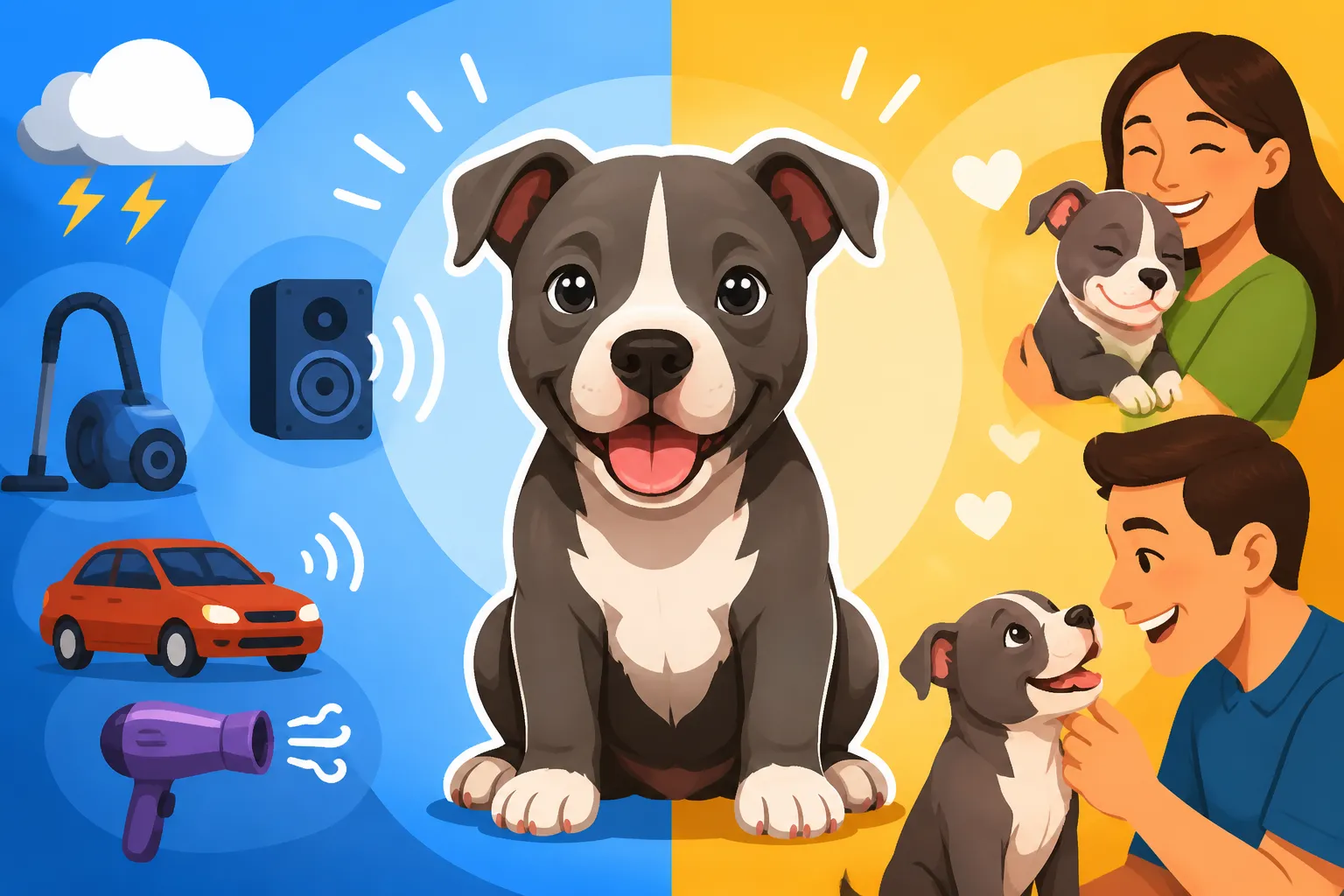
Your home is usually the first place your Pit Bull puppy encounters a myriad of sounds. Things we barely notice, like the whirring of a dishwasher, the clunk of the washing machine, the sudden blast of a hair dryer, or the jingle of keys, can be startling for a young pup. The vacuum cleaner, in particular, is often a big one! The key here is gradual exposure and positive association.
Start by introducing these sounds at a very low volume or from a distance. For example, turn on the dishwasher in another room while your puppy is happily munching on a favorite chew toy or receiving gentle praise from you. Slowly, over days or weeks, you can increase the volume or bring the source of the sound closer, always pairing it with something positive – delicious treats, a favorite game, or calm petting. If your pup shows any signs of fear, like tucking their tail, trying to hide, or shaking, you've gone too fast. Back off, reduce the intensity, and try again later with even more positive reinforcement. You can even find sound desensitization tracks on streaming services or platforms like YouTube, playing them softly at first and gradually increasing the volume over time. Consider getting some durable, engaging chew toys from Amazon to keep your pup happily occupied and distracted during these sound sessions.
Outdoor and Environmental Sounds for a Confident Pit Bull
Beyond the home, the outside world presents an entirely new orchestral experience – traffic whooshing by, sirens wailing, children laughing and shouting, other dogs barking, and even the rumble of thunder or the crackle of fireworks in the distance. Exposing your Pit Bull puppy to these environmental sounds is just as crucial as household ones, but often requires a more strategic approach.
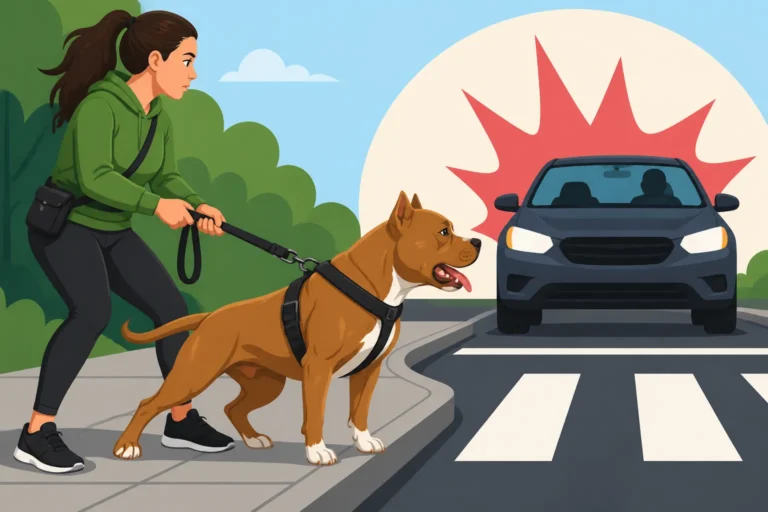
Car rides are an excellent way to introduce traffic sounds safely. Start with short drives, maybe just around the block, with plenty of praise and a special car-only treat. As they get comfortable, you can extend the duration and distance. For outdoor sounds like construction or other barking dogs, maintain a safe, comfortable distance first. Watch your puppy's body language closely. If they are curious and alert, that’s great. If they are showing signs of fear, move further away until they are comfortable, then slowly decrease the distance over multiple sessions. Always make these exposures positive. A walk near a park where children are playing or a school during recess, from a distance where your pup can observe calmly while you feed them high-value treats, can work wonders. Remember, the goal is not for them to ignore the sounds, but to associate them with positive, calm experiences.
Navigating Human Interactions for Your Pit Bull Puppy
Introducing your Pit Bull puppy to a variety of people is perhaps one of the most vital aspects of socialization. Because of their powerful build and sometimes challenging reputation, it’s imperative that they learn to greet people politely and confidently, regardless of who they are.
Gentle Introductions to Diverse People
It’s not enough for your Pit Bull puppy to just meet a few friendly faces; they need to experience a wide spectrum of human beings. Think about it: men with deep voices and hats, women with flowing skirts, children of all ages (from wobbly toddlers to boisterous teenagers), people wearing uniforms, individuals with glasses or beards, even people moving differently, perhaps with a cane or in a wheelchair. Each presents a slightly different sensory experience. The key is to ensure these introductions are overwhelmingly positive and never forced.
Quality of interaction trumps quantity every single time. One calm, positive interaction with a new person is far more beneficial than a dozen rushed, overwhelming ones. Arrange controlled meetings where people approach your pup slowly, speak in soft voices, and offer a high-value treat, gently tossing it near the puppy rather than pushing it into their face. Teach your pup polite greeting manners from the start – a sit or four paws on the floor before getting attention. This also helps manage their natural enthusiasm and strength as they grow. Some online puppy programs, like those offered by BAXTER & Bella, often provide excellent guidance and structured approaches for introducing your puppy to various people and scenarios, giving you a roadmap to follow. Getting a Pit Bull Used to Handling by Strangers explores this further, emphasizing the need for positive and respectful interactions.
Handling and Body Language for a Confident Pit Bull
Beyond simply meeting people, your Pit Bull puppy needs to become comfortable with being handled by a variety of individuals, including gentle touching of their paws, ears, tail, and belly. This is not just for pleasant interactions with friends; it's essential preparation for vet visits, grooming, and any situation where they might need to be examined. Imagine the stress of an emergency vet visit if your dog isn’t comfortable being touched by strangers.
Again, positive association is paramount. Start these handling sessions yourself, making them brief, gentle, and always followed by a reward. Touch a paw, give a treat. Lift an ear flap, give a treat. Gradually introduce trusted friends or family members to perform these gentle touches, always ensuring they understand the importance of being soft, slow, and rewarding. This helps build a positive mental file for your pup: "Hands on my ears equals good things!" Pay close attention to your pup's body language; if they pull away, stiffen, or show any signs of discomfort, ease up immediately. This approach, often called consent-based handling, respects your dog's boundaries and builds trust, fostering a Pit Bull who is confident and relaxed even when being examined.
Practical Strategies and Tools for Effective Socialization
Socialization isn't a one-and-done event; it's an ongoing process that requires thought, consistency, and a flexible approach. Having some solid strategies and knowing what tools can help makes all the difference.
Creating Positive Associations and Controlled Environments
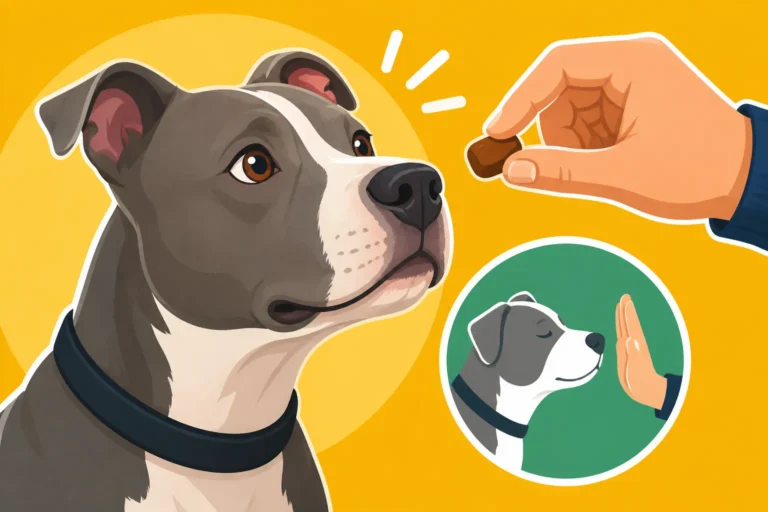
The golden rule of socialization is always to pair new experiences with something your puppy absolutely loves. High-value treats are your best friends here – think small pieces of cooked chicken, cheese, or hot dogs. Every time your pup encounters a new sound or person, a treat should follow, helping to forge a strong, positive association. Instead of "that scary loud truck," it becomes "that loud truck means delicious chicken!" High-Value Treats That Hold a Pit Bull's Focus can give you some great ideas for what motivates your specific pup.
Puppy classes are another fantastic tool for controlled socialization. They offer a safe, supervised environment to meet other puppies (of appropriate play styles and sizes) and people, and to experience novel objects and sounds under the guidance of experienced trainers. This structured exposure can be invaluable. Don't underestimate the power of simply observing. Sometimes, letting your puppy sit calmly in a sling or on a blanket from a distance, watching the world go by while you quietly praise and treat them, is more effective than direct interaction. A good quality, durable long line (you can find many options on Amazon) allows for safe exploration in open spaces while maintaining control, ensuring your pup can investigate new sights and sounds at their own pace without getting into trouble. The Cost of a Pit Bull Puppy Course might be a good read if you're considering structured classes.
Here's a quick overview of what to aim for:
| Socialization Aspect | Positive Approach | Avoid/Negative Approach |
|---|---|---|
| Sounds | Gradual, low volume, paired with treats/play, observational | Sudden, loud, forcing exposure, ignoring fear signs |
| People | Controlled, gentle, diverse types, polite greetings, high-value treats offered | Overwhelming, forced interaction, letting people crowd pup |
| Handling | Short sessions, gentle touch, abundant rewards, consent-based | Rough handling, ignoring discomfort, long sessions initially |
| Environment | Safe distances, positive association, observation first, short trips | Overwhelming crowds, busy areas before ready, rushing the pup |
| Overall | Patience, consistency, reading body language, making it fun | Impatience, inconsistent effort, punishment, creating fear |
Recognizing Stress Signals and Avoiding Overwhelm
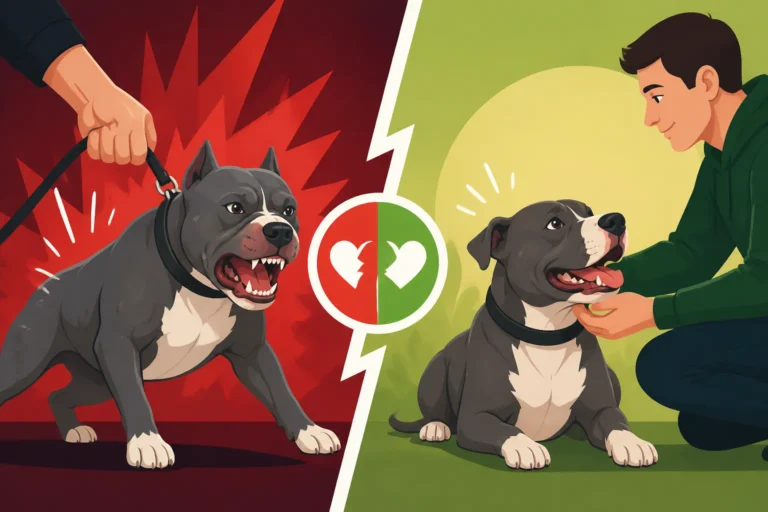
Even with the best intentions, it's easy to push a puppy too far without realizing it. Learning to recognize the subtle stress signals your Pit Bull puppy might be giving off is absolutely crucial. These signals are your pup's way of saying, "I'm not comfortable," or "This is too much for me." Common signs of stress or fear include lip licking (when no food is present), yawning (when not tired), turning their head away, "whale eye" (when the whites of their eyes show), a tucked tail, panting heavily (when not hot or exercising), drooling, or trying to hide behind you. If you see any of these, it’s time to back off.
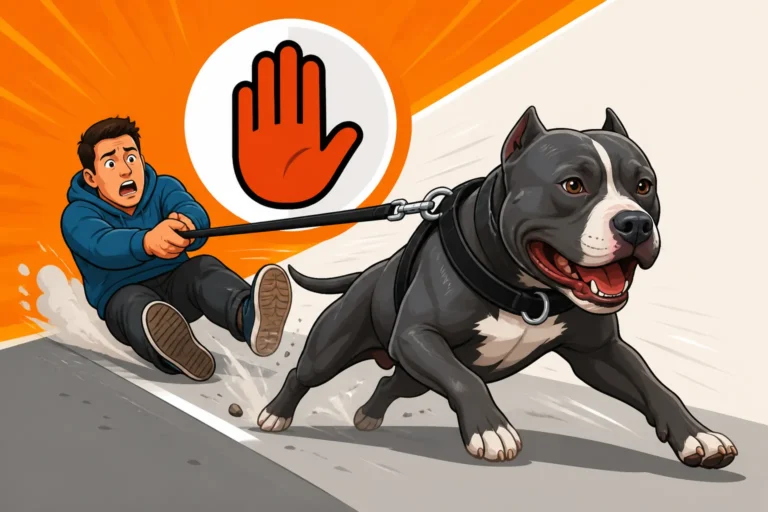
Pull your puppy away from the situation, reduce the intensity of the sound, or end the interaction with the person. It's perfectly okay to cut a socialization session short if your pup is overwhelmed. Pushing them through fear can backfire, teaching them that new things are indeed scary and that you won't protect them. Always aim for your puppy to be happy, curious, and relaxed, or at most, mildly curious and a little unsure but quickly recovering with your reassurance and treats. Building a solid foundation of positive experiences will empower them to explore the world with confidence rather than trepidation. Reading a Pit Bull Before a Scuffle Starts offers deeper insights into canine body language that can help you understand your pup better. Remember, a Pit Bull who has strong impulse control is often a confident one, so incorporating exercises for Building a Pit Bull's Impulse Control will also help them handle new situations more calmly. This is also why Why a Pit Bull Should Not Be Off Leash in Public is so important—it gives you full control to manage encounters.
Socialization is an ongoing journey that extends well beyond puppyhood, but these early weeks are the most impactful. By thoughtfully introducing your Pit Bull puppy to a variety of sounds and people in positive, controlled ways, you're not just socializing them; you're nurturing a confident, balanced companion who will be a joy to live with and a wonderful ambassador for their breed. Keep up the great work, and remember, consistency and patience are your best friends in this adventure!
Disclaimer
This article is for general informational purposes only and does not constitute professional advice. Laws, prices and regulations vary by location and change over time. Consult a qualified professional for guidance on your specific situation.