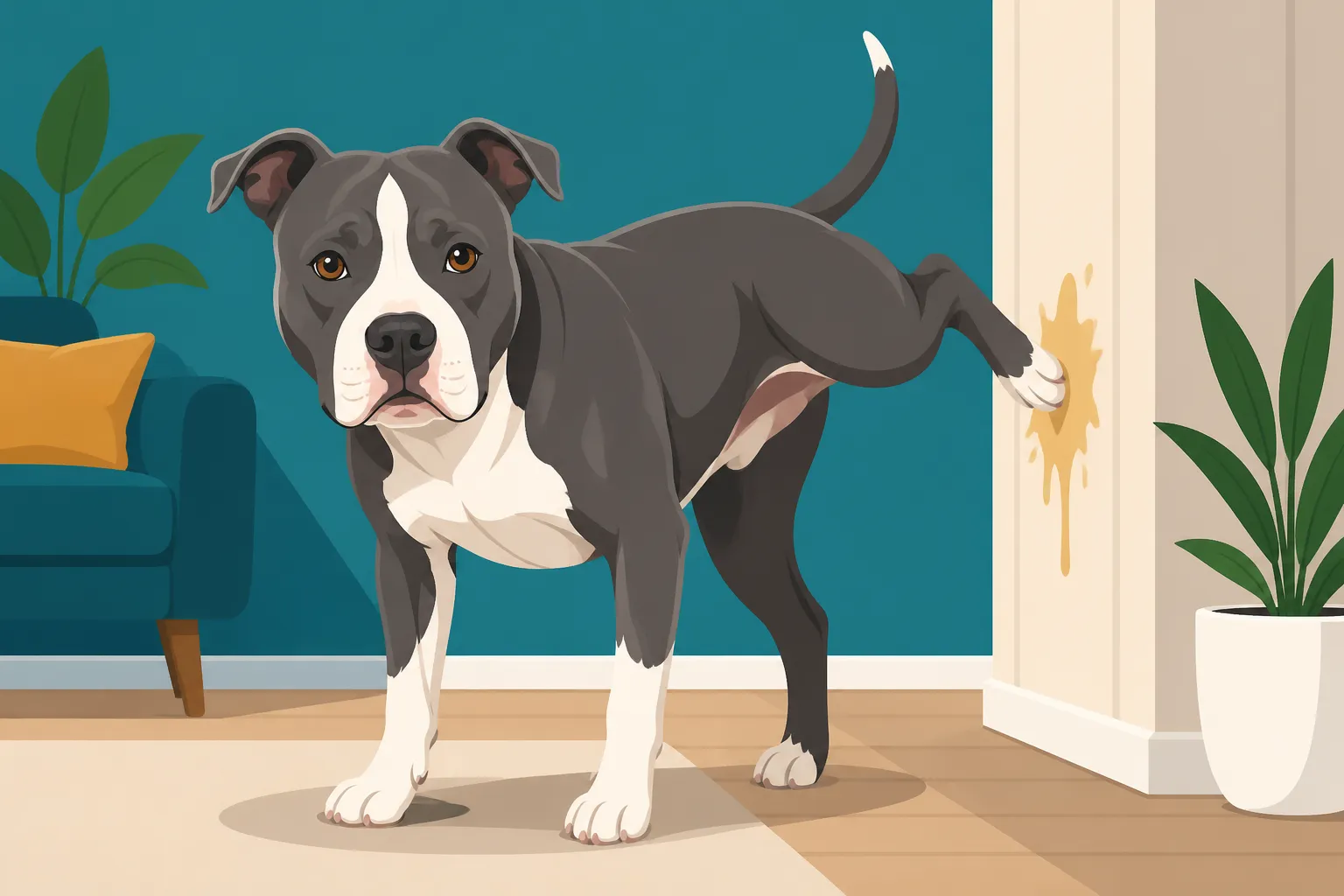
A Pit Bull Lifting a Leg Indoors
It’s incredibly disheartening and frankly, a bit baffling, when your otherwise perfectly house-trained Pit Bull suddenly starts lifting a leg indoors. You’ve put in the work, they’ve mastered the art of outdoor potty breaks, and then one day, there’s a tell-tale puddle and that unmistakable scent. It leaves you wondering what on earth changed and how to stop this frustrating behavior. This comprehensive guide is here to help you unravel the mystery behind why your Pit Bull might be marking inside and provide actionable strategies to get them back to their impeccable house manners.
Understanding Why Your Pit Bull Might Be Lifting a Leg Indoors
When your Pit Bull starts marking indoors, it's rarely out of spite or a sudden forgetting of their training. Instead, it's a communication, a signal that something in their world has shifted or needs addressing. Unpacking the "why" is the first critical step toward finding an effective solution.
Marking Territory and Hormonal Influences
One of the most common reasons a dog, especially a male, lifts a leg indoors is to mark territory. This isn't just about intact males – neutered dogs can and do mark, though often less intensely. Dogs communicate through scent, and urine is a powerful calling card, essentially saying, "I was here."
Think about it from your Pit Bull's perspective. If there's a new scent in the house – maybe a guest who brought their dog's scent on their shoes, a new piece of furniture, or even another animal passing by an open window – your Pit Bull might feel compelled to "answer" by marking. It's their way of reinforcing their presence and ownership of the space. While neutering generally reduces this drive, it doesn't eliminate it entirely, especially if the dog was neutered later in life after these behaviors were already established. Their ingrained instincts can still kick in when triggered.
Sometimes, hormonal shifts can play a subtle role too, even in neutered animals, if there are other intact animals nearby or changes in their own internal chemistry. It's a primal form of communication, and while it's inconvenient for us, it's natural for them. Understanding this isn't about excusing the behavior, but about getting to the root of the motivation so we can redirect it appropriately.
Stress, Anxiety, and Insecurity
Just like humans, dogs can experience stress and anxiety, and sometimes these feelings manifest in unexpected ways, including inappropriate urination or marking. A once confident Pit Bull might suddenly feel insecure or anxious, leading them to spray in an attempt to feel more secure in their environment.
Consider recent changes in your household: a new baby, another pet joining the family, a change in your work schedule leading to more alone time for your Pit Bull, or even a move to a new house. Loud noises, unfamiliar visitors, or even changes in furniture layout can disrupt a sensitive Pit Bull's sense of security. If your dog is experiencing separation anxiety, they might mark when left alone, not as a protest, but as an expression of their distress. The marking becomes a coping mechanism, an attempt to bring familiarity to an overwhelming situation.
Observing when and where the marking occurs can provide crucial clues. Does it happen only when you're away? After visitors leave? Near a window where another dog frequently passes? Pinpointing these triggers is key to addressing the underlying emotional state. For dogs struggling with being alone, exploring resources like A Pit Bull That Panics When the Door Shuts can offer deeper insights into managing anxiety.
Underlying Medical Conditions
Before you assume it's purely a behavioral issue, it is absolutely paramount to rule out any underlying medical conditions. A sudden change in urination habits, including marking, can be the first sign that something isn't quite right physically with your Pit Bull. Skipping this step can lead to prolonged suffering for your dog and continued frustration for you.
Common culprits include urinary tract infections (UTIs), bladder stones, or even kidney issues. These conditions can cause discomfort, increased urge to urinate, or difficulty holding it, which might present as marking. In older Pit Bulls, cognitive dysfunction syndrome (CDS), often referred to as "doggy dementia," can also lead to a loss of house-training as their cognitive abilities decline. They might simply forget where they are or what they're supposed to do.
A trip to the veterinarian is non-negotiable. Your vet can perform a urinalysis, blood tests, and potentially imaging (like X-rays or ultrasound) to check for these medical issues. Until a clean bill of health is given, any behavioral interventions might be treating the symptom rather than the cause, and your dog could be in pain or discomfort. Don't delay in scheduling this appointment; it's the responsible first step. Even seemingly unrelated issues like chronic Pit Bull Ear Infections and What Drives Them can cause enough discomfort to elevate overall stress levels, leading to behavioral changes.
Practical Strategies to Stop Indoor Leg Lifting
Once you’ve ruled out medical issues, you can confidently turn your attention to behavioral strategies. The goal here is to carefully manage the environment, reinforce good habits, and understand your Pit Bull’s communication to guide them back to appropriate elimination.
Re-establishing House Training Fundamentals
Sometimes, when a previously house-trained dog starts marking indoors, the best approach is to go back to basics, treating them almost like a puppy again. This doesn't mean they've forgotten everything; it means you're creating a clear, consistent routine that leaves no room for error and heavily rewards the right choices.
Start by increasing the frequency of potty breaks, especially after waking up, eating, drinking, and playing. Take your Pit Bull out on a leash every single time, even if you have a fenced yard. This ensures you're actively supervising their elimination and can immediately reward them for going outside. When they do their business, offer enthusiastic praise and high-value treats. You want to make it absolutely clear that eliminating outdoors is the best decision they can make. Limiting access to unsupervised areas of the house is also critical during this retraining phase.
Crate training, even for adult dogs, can be incredibly effective here. A crate, when used properly, becomes your Pit Bull's den – a space they naturally want to keep clean. Keep them in the crate when you cannot actively supervise them, taking them directly outside for a potty break upon release. This strategy helps to prevent "accidents" and reinforces the concept of holding it until they are in the appropriate outdoor spot. For a deeper dive into establishing good habits, you might find tips in Getting a Pit Bull Puppy Clean in the House helpful, even for an older dog. Remember, consistency is your most powerful tool.
Managing Triggers and Environment
Successfully stopping indoor leg lifting often involves smart management of your home environment and identifying and mitigating the triggers that set your Pit Bull off. If you've observed patterns in when or where the marking occurs, you have valuable information to work with.
Firstly, thorough cleaning is non-negotiable. Dog urine leaves behind scent markers that can actually encourage your dog to mark in the same spot again. Standard household cleaners won't cut it. You need an enzymatic cleaner – readily available on platforms like Amazon – that breaks down the uric acid crystals in urine, completely neutralizing the odor. Use it liberally on any marked areas. Once the scent is gone, the motivation to re-mark that specific spot diminishes significantly. Secondly, consider what might be triggering the behavior. If your dog marks near a window because of other dogs passing by, consider using opaque window film or blinds during peak times. If it happens when guests come over, manage interactions by having your Pit Bull on a leash or in a designated quiet area when new people arrive, then slowly introduce them once they've had a chance to calm down.
Using baby gates or closing doors can restrict your Pit Bull's access to areas where marking has occurred, or to rooms where you can't provide direct supervision. You might also consider using dog-appeasing pheromone diffusers, which can help create a calmer environment and reduce overall anxiety levels, thereby lessening the impulse to mark due to stress. These subtle environmental adjustments can make a profound difference in preventing further incidents.
Behavioral Interventions and Professional Help
Sometimes, simply re-establishing house training or managing the environment isn't enough, especially if the marking is deeply rooted in anxiety or complex behavioral patterns. That's when more targeted behavioral interventions and, potentially, professional guidance come into play.
For anxiety-driven marking, strategies like counter-conditioning and desensitization can be very effective. This involves gradually exposing your Pit Bull to their triggers in a controlled way, while simultaneously associating those triggers with positive experiences (like delicious treats). For instance, if guests trigger marking, start by having a calm friend briefly appear at the door while your Pit Bull receives a treat, slowly increasing duration and interaction as your dog remains calm. Another practical tool, though not a solution, can be a belly band (again, easily found on Amazon). While it won't stop the urge to mark, it will catch the urine, preventing damage to your home and helping to break the habit by removing the satisfaction of scent dispersal. It should only be used under supervision and as a temporary management tool, never as a substitute for training.
If you find yourself struggling, or if the marking is persistent and unresponsive to your efforts, it’s time to call in the professionals. A certified professional dog trainer, especially one experienced with Pit Bulls and their unique needs, can provide personalized guidance. They can help identify subtle triggers you might be missing and implement tailored training plans. In more complex cases, particularly where anxiety is severe, consulting a veterinary behaviorist might be necessary. They can assess the situation holistically, combining behavioral modification with potential medication if appropriate, to address profound anxiety. When choosing a professional, looking for someone with expertise in strong, intelligent breeds is beneficial, as discussed in Finding a Trainer Experienced With Pit Bulls. Online training platforms like BAXTER & Bella also offer structured courses that can guide you through re-house-training and managing behavioral issues with expert support.
Long-Term Prevention and Management
Stopping indoor leg lifting is a marathon, not a sprint. The real victory comes from preventing its recurrence, which requires consistent effort, a well-structured routine, and a deep understanding of your Pit Bull's needs. Long-term success is built on a foundation of good habits and proactive management.
Consistent Routine and Enrichment
A predictable routine is a cornerstone of a happy, well-adjusted Pit Bull, and it’s especially vital for preventing indoor marking. Dogs thrive on consistency. Knowing when they’ll eat, when they’ll go out, and what to expect from their day reduces anxiety and gives them a sense of security.
Establish a firm schedule for potty breaks, feeding times, and exercise. Take your Pit Bull out at the same times each day, ensuring they have ample opportunities to eliminate outdoors. Beyond physical exercise, don't underestimate the power of mental enrichment. A bored Pit Bull is more likely to invent their own "fun," which might include destructive chewing or, yes, marking. Incorporate puzzle toys, training sessions, and scent work into their daily lives. These activities tap into their natural intelligence and energy, providing constructive outlets and reducing stress. Even simple games like hide-and-seek with treats can provide valuable mental stimulation, as detailed in Indoor Trick Work for a Bored Pit Bull. A well-exercised and mentally stimulated Pit Bull is generally a calmer, more compliant Pit Bull.
Ongoing Training and Socialization
Training isn't a one-and-done event; it's a lifelong journey, especially with a strong and intelligent breed like the Pit Bull. Continuously reinforcing good manners helps maintain their understanding of household rules and strengthens your bond.
Regular practice of basic obedience commands like "sit," "stay," and "leave it" keeps their minds sharp and reinforces your role as a consistent guide. Positive reinforcement methods, using high-value treats and praise, are incredibly effective with Pit Bulls, helping them associate good choices with rewarding outcomes. Moreover, continued positive socialization experiences are crucial. Even as adults, exposure to various people, places, and appropriate dog-friendly situations can build their confidence and reduce anxiety-driven behaviors. Consider enrolling in advanced obedience classes or working towards titles like the Canine Good Citizen (CGC). Achieving a CGC title demonstrates your Pit Bull's excellent manners and reliability in public, a testament to ongoing training and a wonderful benchmark for responsible ownership. You can learn more about the importance of this in Canine Good Citizen and Why It Matters for a Pit Bull.
Monitoring and Early Intervention
Being observant is one of the most powerful tools in your arsenal for long-term prevention. Your Pit Bull will often give subtle cues before a problem behavior becomes ingrained. Learning to "read" your dog can help you intervene early, before a marking incident even occurs.
Keep an eye out for changes in their routine, subtle shifts in body language, or new anxieties. Are they pacing more? Licking their lips excessively? Are their ears pinned back more often? These could be signs of underlying stress. If you notice a pattern of sniffing intensely at a particular spot indoors, or if they seem overly interested in a new smell, it's your cue to calmly redirect them outside for a potty break. Maintaining a log of any marking incidents can also be incredibly useful. Note the time, location, any preceding events, and who was present. This data can help you spot patterns you might otherwise miss and refine your management strategies. Promptly addressing any new anxieties, medical concerns (such as those covered in Pit Bull Dental Disease and Hard Chewing), or environmental triggers as soon as they arise is key to preventing a relapse into unwanted marking behavior.
Reasons for Indoor Leg Lifting and Solutions
| Reason for Marking | Common Triggers/Symptoms | Recommended Actions |
|---|---|---|
| Territorial Marking | New scents (guests, new items), new pets, external dog traffic | Thorough enzymatic cleaning, restrict access to problem areas, increased outdoor potty breaks, bell bands (management) |
| Stress/Anxiety | Changes in routine, new baby/pet, separation anxiety, loud noises, moving | Identify stressors, provide enrichment, consider pheromone diffusers, professional trainer/behaviorist, medication (vet) |
| Medical Condition | Sudden onset, increased frequency/urgency, pain signs, straining | IMMEDIATE VET VISIT (urinalysis, bloodwork), follow vet's treatment plan |
| Incomplete House Training | Inconsistent outdoor potty, lack of supervision, past "accidents" | Re-establish puppy house training, consistent schedule, crate training, high-value rewards for outdoor elimination |
| Excitement/Submissive Urination | Overly enthusiastic greetings, startling events (though usually squatting) | Calm greetings, ignore until calm, build confidence through training |
| Cognitive Decline (Seniors) | Confusion, forgetting cues, changes in sleep/wake cycle | Vet check for CDS, consistent routine, frequent potty breaks, manage expectations, potentially medication (vet) |
Disclaimer
This article is for general informational purposes only and does not constitute professional advice. Laws, prices and regulations vary by location and change over time. Consult a qualified professional for guidance on your specific situation.