A Pit Bull That Screams When You Leave
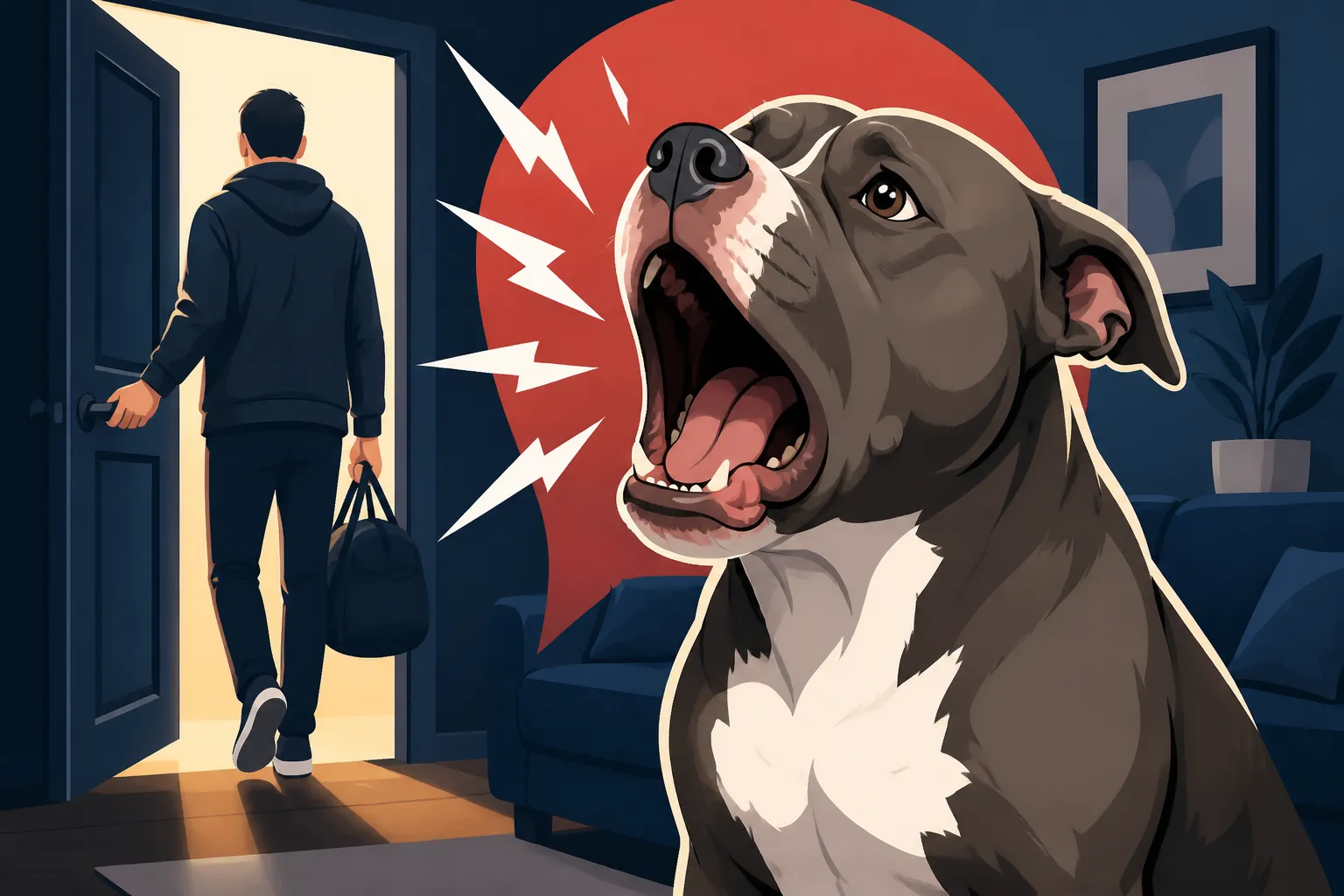
Few things are as heartbreaking and frustrating as hearing your beloved Pit Bull's frantic barks, howls, or screams when you leave the house. It's not just a nuisance for the neighbors; it’s a clear sign of deep distress in your dog, leaving you riddled with guilt and wondering if you'll ever be able to run an errand or go to work in peace. This comprehensive guide will walk you through understanding why your Pit Bull might be reacting this way and offer actionable strategies to help them feel more comfortable and secure when you're not around.
Understanding Separation-Related Distress in Pit Bulls
When your Pit Bull "screams" or makes intense vocalizations when left alone, it's almost always a sign of underlying anxiety or distress, not just a naughty dog being loud. It's a cry for help, indicating they're struggling with your absence. This isn't about them "being mad" at you; it's about a genuine fear of being alone.
Differentiating Between Nuisance Barking and True Distress
It's easy to dismiss a barking dog as just being "bad" or "attention-seeking," but with Pit Bulls, especially when they exhibit such extreme vocalizations, it's crucial to distinguish between simple nuisance barking and true separation-related distress. Nuisance barking might occur when your dog hears a delivery truck, sees a squirrel, or is generally bored and trying to solicit attention. This kind of barking often has breaks, varying tones, and can sometimes be interrupted by external sounds or distractions.
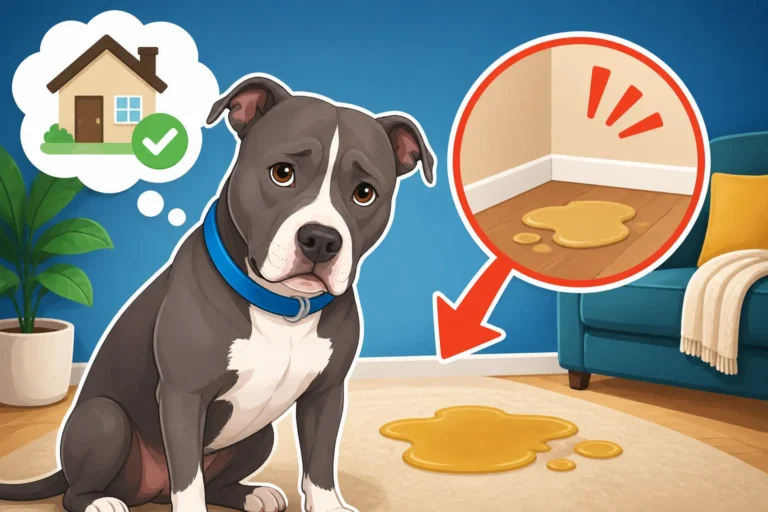
True separation-related distress, however, usually presents as a sustained, high-pitched, almost panicked vocalization that starts very quickly after you leave or even before you walk out the door. This can include incessant barking, howling, whining, and yes, even sounds that truly resemble screaming. Often, these vocalizations are accompanied by other signs of anxiety, such as destructive chewing around exit points, inappropriate urination or defecation (even if house-trained), excessive drooling, or frantic attempts to escape. If you've come home to shredded door frames, scratched doors, or accidents, alongside the vocalizations, it's a strong indicator that your Pit Bull is experiencing true anxiety. A Pit Bull That Panics When the Door Shuts delves into some of these associated behaviors.
Common Triggers for Separation Anxiety in Pit Bulls
Separation anxiety doesn't just appear out of nowhere; it often has roots in a combination of factors. For Pit Bulls, who are often deeply bonded to their people, certain situations can heighten their sensitivity to being left alone. A change in routine, like a sudden shift to working outside the home after a period of being constantly present, can be a major trigger. Moving to a new house, especially one with unfamiliar sounds or fewer secure spaces, can also contribute.
Sometimes, the root cause is even simpler, though no less impactful. A past traumatic experience when left alone, such as a scary thunderstorm, an unexpected loud noise, or even an uncomfortable confinement experience in a crate, can create a negative association with solitude. For some rescue Pit Bulls, a history of abandonment or multiple home changes can make them inherently more prone to developing separation anxiety, as their sense of security with their human family is paramount. Understanding these potential triggers is the first step in addressing the underlying emotional struggle your Pit Bull is facing.
Practical Strategies for Managing Mild Separation Issues
If your Pit Bull's distress seems to be on the milder side – perhaps they bark for a few minutes after you leave but then settle, or the destruction isn't severe – there are several practical strategies you can implement to help them build confidence and cope better with your absence. Consistency and patience are key here.
The Importance of a Consistent Routine
Dogs thrive on predictability, and Pit Bulls are no exception. A consistent daily routine can significantly reduce anxiety because they learn what to expect. This includes regular feeding times, walks, play sessions, and even designated times for alone time. If your schedule is erratic, your Pit Bull might constantly be on edge, unsure if you're leaving or staying, and this uncertainty can exacerbate their stress when you do eventually depart.
Establishing a routine also means having consistent cues for when you leave and when you return. For instance, putting on your shoes, grabbing your keys, and then leaving should always be followed by your departure. Similarly, when you return, a calm, low-key greeting initially, before a more enthusiastic one after a few minutes, helps them understand that your return is not an overly exciting, anxiety-inducing event but a normal part of the day. This helps normalize your comings and goings, making them less of a production.
Creating a Safe and Positive Departure Experience
The moments leading up to your departure can heavily influence your Pit Bull's emotional state. If you make a big fuss, offer lengthy goodbyes, or get stressed yourself, your dog will pick up on that energy and associate your leaving with heightened anxiety. Instead, aim for a calm, quiet departure. Start by desensitizing them to your departure cues. Pick up your keys, put on your coat, or walk to the door several times a day without actually leaving. This teaches them that these actions don't always mean you're going away.
Right before you leave, provide a high-value, long-lasting distraction. A frozen Kong stuffed with peanut butter, a puzzle feeder filled with their favorite treats, or a sturdy chew toy can engage their minds and help create a positive association with your departure. The idea is for them to be happily occupied, associating your leaving with something good, rather than feeling abandoned. Many owners find robust, breed-specific toys on platforms like Amazon that can withstand a Pit Bull's powerful jaw, ensuring the distraction lasts. For more ideas on how long your Pit Bull can realistically manage alone, check out Hours a Pit Bull Copes With on Its Own.
Enriching Your Pit Bull's Environment While You're Away
A bored Pit Bull is often a destructive or anxious Pit Bull. Ensuring their environment is stimulating and comfortable while you're gone is crucial. This goes beyond just a toy or two. Think about creating a "den" for them – a comfortable crate or a small, dog-proofed room where they feel secure. Make sure it has their favorite bed, a piece of your clothing with your scent, and fresh water. The Crate a Pit Bull Cannot Break Out Of offers insights into choosing appropriate confinement options.
Consider mental enrichment activities that don't require your presence. Puzzle toys, like those mentioned above, are excellent. You can also hide treats around the room for them to "hunt" or leave a radio or dog-specific calming music playing softly. Some owners even use pet cameras to monitor their Pit Bull's behavior and communicate briefly, though this should be used cautiously so as not to reinforce the anxiety. Giving them a project or something positive to focus on can shift their attention from your absence to an enjoyable activity. For more in-depth ideas, explore Indoor Enrichment for a Pit Bull and Puzzle Feeders a Pit Bull Cannot Destroy.
Advanced Approaches for Severe Separation Anxiety
When your Pit Bull's distress is severe – leading to self-injury, extreme destruction, constant vocalization, or house-soiling despite being fully trained – it's time to consider more intensive, structured interventions. This often requires significant commitment and sometimes professional guidance.
Desensitization and Counter-Conditioning Techniques
These are cornerstone techniques for addressing severe anxiety. Desensitization involves gradually exposing your Pit Bull to triggers (like your departure cues) at a very low intensity, so they don't react fearfully. Counter-conditioning means changing their emotional response from negative (anxiety) to positive (calm, happy) by pairing the trigger with something they love.
You'd start with very short absences. For example, walk to the door, open it, and immediately close it and return, before your Pit Bull can even begin to vocalize or panic. Repeat this many times, always returning before they get upset. Gradually, you increase the duration: step out for 5 seconds, then 10, then 30, and so on. The key is to stay below their "threshold" of anxiety. If they show any signs of distress, you've gone too far, and you need to dial back the duration or intensity. This process can take weeks or even months of consistent practice. It's a marathon, not a sprint, but it’s incredibly effective in slowly rebuilding their confidence.
Consulting a Professional Trainer or Behaviorist
For severe cases, trying to tackle separation anxiety alone can be overwhelming and frustrating, often leading to slow progress or even exacerbating the problem unintentionally. This is where a certified professional dog trainer or a veterinary behaviorist becomes invaluable. They have the expertise to accurately assess your Pit Bull's specific triggers and anxiety levels, create a tailored behavior modification plan, and guide you through the desensitization and counter-conditioning process.
A good professional will often use a combination of techniques and can help you identify subtle cues you might be missing. They can also advise on appropriate tools and management strategies. When seeking help, look for someone who emphasizes positive reinforcement and has experience with fear-based behaviors and Pit Bull temperaments. Organizations like the Certification Council for Professional Dog Trainers (CCPDT) or the Animal Behavior Society can help you find qualified individuals in your area. For guidance on finding the right expert, see Vetting a Trainer Before Booking a Pit Bull.
Considering Veterinary Intervention
Sometimes, behavioral modification alone isn't enough, especially in severe cases where the anxiety is so overwhelming that the dog cannot learn or respond to training. In these situations, your veterinarian might recommend medication to help reduce your Pit Bull's anxiety levels. Anti-anxiety medications aren't a "cure-all" and are typically used in conjunction with a robust behavior modification plan. They work by helping to calm your dog enough so that they can learn and respond to the training.
Your vet can discuss different options, dosages, and potential side effects. This might include daily medications or situational ones given prior to your departure. It's important to remember that this is a tool to support the behavioral work, not replace it. Your vet might also want to rule out any underlying medical conditions that could be contributing to the anxiety, as pain or discomfort can sometimes manifest as behavioral issues.
Preventing Separation Anxiety in Pit Bull Puppies
The best way to deal with separation anxiety is to prevent it from developing in the first place. If you're bringing home a Pit Bull puppy, you have a fantastic opportunity to lay the groundwork for a confident, independent adult dog who is comfortable being alone. What to Teach a Pit Bull Puppy and When covers other essential early training.
Early Exposure to Alone Time
From the moment your Pit Bull puppy arrives, begin introducing them to short periods of alone time. This doesn't mean leaving them for hours on end right away! Start with just a few minutes in a comfortable, safe space, like a crate in a quiet room, while you're still home but out of sight. You might step into another room, close the door, and return before they get upset. This teaches them that being alone is okay and that you always come back.
Gradually increase these durations. Use positive associations during this time, like a special chew toy they only get when you leave them alone. Make sure their alone time space is positive and not associated with punishment. Leaving a New Pit Bull Alone for the First Time offers more detailed steps for those crucial first experiences. The goal is to make solitude a neutral, even pleasant, experience, rather than something frightening or boring.
Building Independence from Day One
While it's tempting to constantly cuddle and interact with your adorable Pit Bull puppy, fostering a degree of independence is crucial for preventing separation anxiety. Encourage them to entertain themselves with toys, practice settling calmly on their bed while you're in the room, and don't always respond immediately to every whine or demand for attention. This isn't about ignoring their needs, but about teaching them that they don't need your constant presence to feel secure.
Avoid making your departures and arrivals into big, emotional events. A calm "see you later" and a quiet return will help normalize the experience. Introduce them to different caregivers if possible, like trusted friends or family, so they learn that their world doesn't collapse if you're not the only human around. Building this foundation of self-reliance early on can make a world of difference as your Pit Bull grows, helping them to navigate the world confidently, even when you're momentarily out of sight.
Managing Your Pit Bull's Environment for Success
Beyond direct training, creating an optimal home environment is key to helping a Pit Bull with separation distress. This means considering everything from physical security to mental stimulation, ensuring their space supports their emotional well-being.
Secure and Comfortable Confinement Options
For many Pit Bulls, a crate can be a sanctuary if introduced properly. It provides a secure, den-like space where they can feel safe. However, a Pit Bull with severe anxiety might try to escape, potentially injuring themselves or damaging the crate. Investing in a heavy-duty, chew-proof crate designed for strong dogs is crucial in such cases. Wire crates, while popular, might not withstand the determined efforts of an anxious Pit Bull. Alternatives like impact-resistant crates can be worth the investment for their safety and your peace of mind.
If crating isn't an option or has negative associations, consider a dog-proofed room. Remove anything they could chew, ingest, or get tangled in. Ensure windows and doors are secure. Make the room inviting with a comfortable bed, water, and appropriate enrichment toys. The idea is to create a space where they can feel protected and where you can trust they won't get into trouble or hurt themselves while you're away.
Utilizing Calming Aids and Products
The market offers various calming aids that can be used in conjunction with behavior modification. Pheromone diffusers, sprays, and collars (containing synthetic dog-appeasing pheromones) can sometimes have a subtle calming effect on some dogs. Adaptil is a popular brand that mimics the pheromones a mother dog produces to comfort her puppies, which can help reduce anxiety.
Supplements containing ingredients like L-theanine, L-tryptophan, or various herbal extracts are also available. While not universally effective, some owners report success in reducing anxiety in their dogs. Always consult your veterinarian before starting any new supplement to ensure it's safe and appropriate for your Pit Bull, especially if they are on any other medications. These aids are usually not standalone solutions but can provide a helpful boost when combined with training.
| Strategy | Description | Ideal for | Considerations |
|---|---|---|---|
| Consistent Routine | Predictable schedule for food, walks, and alone time. | Mild anxiety, all puppies | Requires discipline from owner, helps build trust. |
| Positive Departures | Calm goodbyes, high-value treats given before leaving. | Mild to moderate anxiety | Avoid making a big fuss; desensitize to departure cues. |
| Environmental Enrichment | Puzzle toys, hidden treats, calming music while alone. | Mild to moderate anxiety, boredom | Ensure toys are safe and durable; rotate items for novelty. |
| Desensitization/Counter-Conditioning | Gradual, systematic exposure to alone time, pairing with positive experiences. | Moderate to severe anxiety | Requires significant time and patience; must stay below anxiety threshold. |
| Professional Trainer/Behaviorist | Expert assessment and personalized behavior modification plan. | Moderate to severe anxiety, when owner is stuck | Choose certified professionals with Pit Bull experience; follow advice consistently. |
| Veterinary Intervention | Anti-anxiety medication to reduce emotional distress, alongside training. | Severe anxiety, when dog cannot learn from training | Prescribed by a vet; used with behavior modification, not as a standalone solution. |
| Early Alone Time (Puppies) | Short, positive periods of solitude for young Pit Bulls. | Prevention in puppies | Gradually increase duration; always return before puppy gets upset. |
| Building Independence (Puppies) | Encourage self-play, calm settling, varied social interactions. | Prevention in puppies | Avoid constant attention; teach coping skills early. |
Overcoming Challenges and Staying Resilient
Addressing separation anxiety in a Pit Bull is a journey, and it's almost never a straight line. There will be good days and bad days, and it's easy to get discouraged. However, your resilience and consistency are your Pit Bull's best chance at overcoming this challenging behavior.
The Role of Patience and Consistency
This is perhaps the most important advice for any owner dealing with separation anxiety. Behavioral change takes time, often more time than we initially anticipate. Your Pit Bull didn't develop this anxiety overnight, and they won't unlearn it overnight either. Stick to your routine, consistently apply your training techniques, and try not to get frustrated by setbacks. A single bad day doesn't erase weeks of progress. Simply go back to a step where your Pit Bull was successful and rebuild from there.
Remember, every step forward, no matter how small, is progress. Celebrating those small victories – maybe your Pit Bull only whined for two minutes instead of five, or they didn't chew the door today – will help you stay motivated. Consistency across all family members is also vital; everyone in the household needs to be on the same page with the training protocols to avoid confusing your Pit Bull. The Advice Experienced Pit Bull Owners Give often highlights consistency as the number one factor in success.
When to Reassess Your Approach
If you've been diligently working on a plan for several weeks and aren't seeing any improvement, or if the behavior seems to be getting worse, it's a clear sign that you need to reassess your approach. This might mean:
- Seeking professional help: If you haven't already, now is the time to bring in a certified professional. They can offer fresh perspectives, identify missed cues, and adjust your plan.
- Considering medication: If your Pit Bull is too anxious to learn, medication might be necessary to lower their stress threshold enough for the training to be effective. This is a conversation to have with your veterinarian.
- Adjusting expectations: Are your expectations realistic? It might not be possible for your Pit Bull to ever happily stay home for a full eight-hour workday. You might need to explore options like dog walkers, doggy daycare, or having a friend check in, at least for a while.
Remember, this isn't a failure on your part or your Pit Bull's. It's simply a recognition that complex problems sometimes require a multi-faceted approach. Tools and resources from places like BAXTER & Bella, which offer online training programs and support, can also be helpful for structuring your approach and providing ongoing guidance. Never be afraid to ask for help or adjust your strategy for the well-being of your beloved companion.
Disclaimer
This article is for general informational purposes only and does not constitute professional advice. Laws, prices and regulations vary by location and change over time. Consult a qualified professional for guidance on your specific situation.