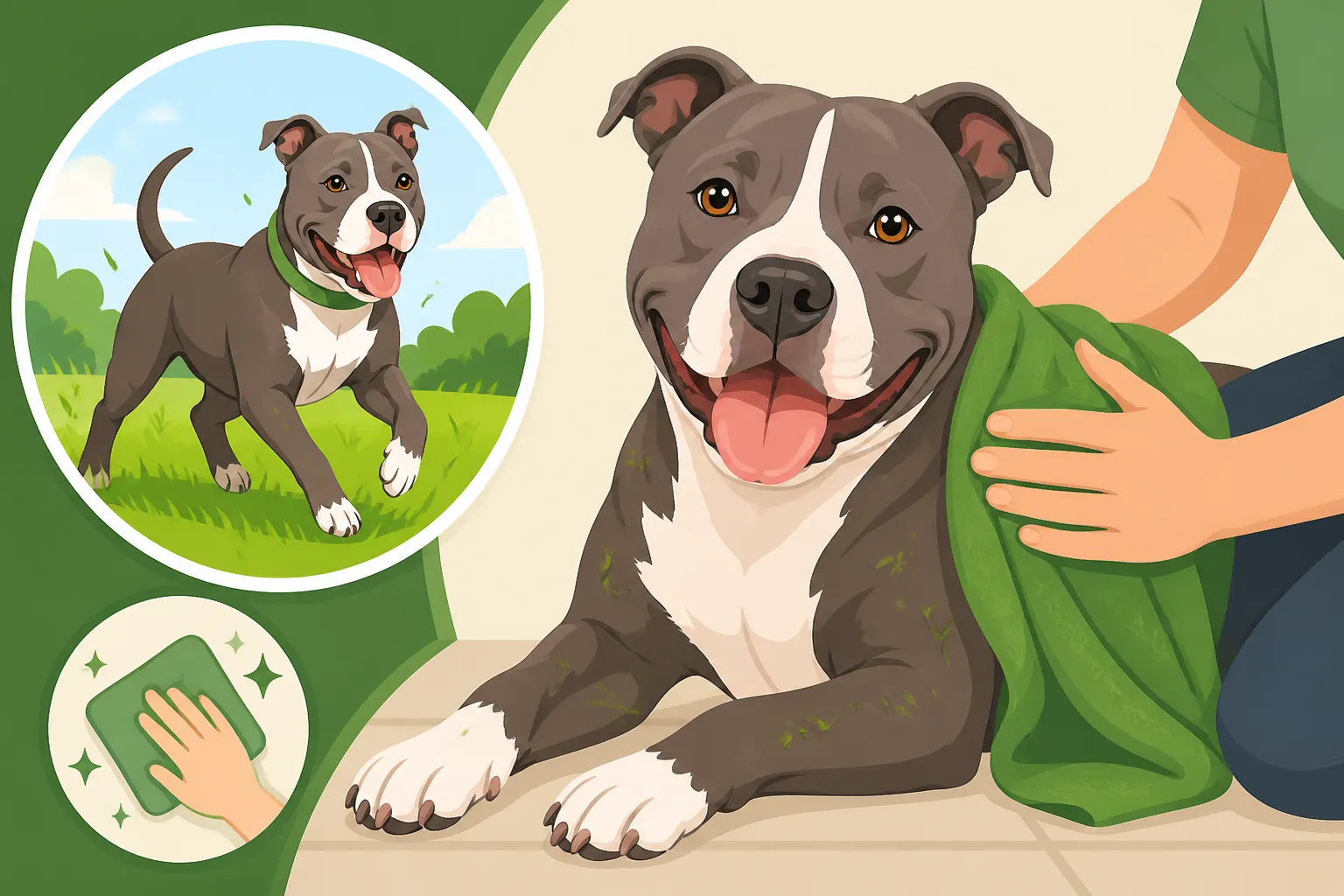
Wiping a Pit Bull Down After Grass Walks
It's a familiar scenario for many Pit Bull owners: you've just enjoyed a lovely walk through a grassy park or your own backyard, and your happy, panting companion comes bounding inside, only to start frantically scratching, licking their paws, or leaving a trail of grime and unknown irritants across your clean floors. The grass, which seems so innocent, can be a minefield of allergens, dirt, and hidden pests for our sensitive Pit Bulls. This guide will walk you through the essential steps and best practices for effectively wiping down your Pit Bull after grass walks, helping you minimize discomfort, prevent skin issues, and keep your home cleaner.
The Hidden Hazards of a Simple Grass Walk for Your Pit Bull
While a frolic in the grass might seem like the epitome of canine joy, for many Pit Bulls, it's actually an encounter with a host of potential irritants. Their short coats and often sensitive skin make them particularly vulnerable to what the outdoor world leaves behind. Understanding these hazards is the first step in effective post-walk care.
Allergens and Irritants Lurking in the Grass
Grass isn't just grass; it's a complex ecosystem of microscopic particles and chemical residues. The most common culprits behind post-walk irritation are environmental allergens. Pollen, from grasses themselves, trees, and weeds, settles everywhere, including on your dog's coat and paws. For a Pit Bull prone to allergies, this exposure can quickly trigger an uncomfortable reaction. Beyond pollen, mold spores thrive in damp grass and can also act as powerful allergens.
Then there are the less natural, but equally concerning, irritants: pesticides, herbicides, and fertilizers. Many public parks and private lawns are treated with these chemicals, which, while intended for plant health, can be highly irritating to your dog's skin. Imagine walking barefoot through a field just sprayed with an unfamiliar chemical; your Pit Bull experiences something similar, only they often then lick their paws, inadvertently ingesting these substances. Regularly wiping down can help remove these surface contaminants before they have a chance to cause trouble.
Physical Irritants and Unwanted Hitchhikers
Beyond the microscopic, grass can hide more tangible threats. Little burs and plant seeds love to cling to fur, especially between paw pads and in the soft underbelly. These tiny, spiky intruders can cause immediate discomfort, digging into the skin, and leading to incessant licking or chewing. If left unattended, they can burrow deeper, causing inflammation, infection, or even abscesses.
And, of course, there are the infamous hitchhikers: ticks and fleas. While year-round parasite prevention is paramount, a quick wipe-down and visual check after every grass walk is an extra layer of defense. Ticks often grab onto fur as your dog brushes past tall grass or shrubs. A thorough wipe-down gives you the perfect opportunity to spot these unwelcome guests before they have a chance to latch on or transmit diseases. This small habit can save you a lot of worry and vet visits down the line.
Pit Bull Skin Sensitivity: Why It Matters
Pit Bulls, as a type, are unfortunately known for their propensity for skin issues. Many Pit Bulls suffer from environmental allergies, often referred to as atopy. This genetic predisposition means their immune system overreacts to common environmental substances like pollen, dust mites, and mold. When these allergens come into contact with their skin, it can trigger intense itching, redness, and inflammation. You can learn more about this in Pit Bull Skin Allergies and the Atopy Pattern.
Their short, single coats offer less protection against environmental contact than double-coated breeds. This means allergens and irritants have direct access to their skin. Furthermore, their muscular build often includes skin folds, particularly around the face, neck, and sometimes the belly, which can trap moisture, dirt, and allergens, creating a breeding ground for yeast and bacteria if not cleaned regularly. Because of this inherent sensitivity, a proactive approach to post-walk care isn't just a nicety; it's a necessity for many Pit Bull owners.
Why Wiping Down is More Than Just About Cleanliness
You might think a quick wipe is just to keep your house clean, but for your Pit Bull, it's a critical part of their health and comfort. This simple routine has profound benefits, especially for a breed prone to skin sensitivities.
Preventing Allergic Reactions and Itch Cycles
The most immediate and significant benefit of wiping your Pit Bull down after grass walks is reducing their exposure to allergens. If your Pit Bull has environmental allergies, every particle of pollen, every mold spore that lands on their coat or paws is a potential trigger. By gently wiping these off as soon as you come inside, you literally wash away the problem before it has a chance to fully activate their immune system. This directly helps to break the frustrating itch-scratch-lick cycle that so many allergic dogs fall into.
Think of it like washing your hands after touching something you're allergic to. You're minimizing the contact time and the amount of allergen present. While wiping isn't a cure for allergies, it's an incredibly effective management tool that can significantly reduce the frequency and severity of flare-ups. This routine can complement other allergy management strategies, such as diet changes or medications, creating a holistic approach to your Pit Bull's well-being. Preventing the itch before it starts is always easier than trying to stop it once it's in full swing. For more on localized itching, see Pit Bull Paw Licking and Chewing.
Guarding Against Skin Infections and Hot Spots
When a Pit Bull constantly licks, chews, or scratches at an irritated area, they can easily break the skin barrier. This creates an open door for bacteria and yeast, which are naturally present on the skin, to invade and cause secondary infections. These infections often manifest as red, moist, painful patches known as hot spots, or widespread bacterial pyoderma or yeast overgrowth. Areas like the paw pads, armpits, and belly are particularly susceptible to these kinds of infections.
Regular wiping removes the dirt, moisture, and allergens that contribute to skin irritation, making it less likely for your Pit Bull to start the destructive licking that leads to infection. It also removes excess moisture that might be trapped in skin folds, particularly after a damp walk or if your Pit Bull enjoys splashing through puddles. This proactive cleaning helps maintain a healthy skin microbiome and reduces the need for antibiotics or antifungal treatments down the line.
Early Detection of Pests and Injuries
The focused attention you give your Pit Bull during a post-walk wipe-down offers an invaluable opportunity for a quick health check. As you run your hand over their body and examine their paws, you're much more likely to spot a tick that's just crawled on, a small cut from a sharp stick, a thorn embedded between their toes, or an early sign of a developing hot spot.
Imagine missing a tick for days because it was hidden deep in their armpit. A swift daily inspection dramatically increases your chances of finding it before it has a chance to transmit disease. Similarly, catching a small abrasion or a developing sore early means you can clean it, apply a pet-safe antiseptic, and prevent it from escalating into a more serious problem. This routine transforms a simple act of cleaning into a vital part of preventative care, giving you peace of mind and potentially saving your Pit Bull from unnecessary discomfort or a trip to the emergency vet.
The Essential Toolkit for Post-Walk Pit Bull Care
You don't need a fancy grooming salon setup to effectively wipe down your Pit Bull. A few key items can make all the difference, making the process quick, efficient, and comfortable for both of you.
Choosing the Right Wipes and Cloths
When it comes to wipes, not all are created equal for sensitive Pit Bull skin. You want something soft, absorbent, and ideally, hypoallergenic and fragrance-free. Plain warm water on a soft microfiber cloth is often the simplest and safest option, especially if your Pit Bull is highly sensitive or has active skin irritation. However, for added convenience, many pet-specific wipes are formulated with skin-soothing ingredients. Look for wipes containing aloe vera, witch hazel, or gentle cleansers. Avoid human baby wipes, which can contain ingredients or fragrances that might irritate canine skin.
For a more eco-friendly and cost-effective approach, investing in a stack of dedicated, soft microfiber towels or even old cotton t-shirts can be perfect. They are reusable, washable, and gentle. Keep a designated basket of these cloths by your door so they're always ready. When choosing disposable wipes, popular brands available on platforms like Chewy or Amazon offer a wide selection, often with different formulations targeting allergies, odor control, or just general cleaning. Just remember to read the labels carefully for ingredients that might trigger sensitivities.
Specially Formulated Cleansers and Sprays
Sometimes, water alone isn't enough, especially if your Pit Bull is particularly dirty, has a strong odor, or is prone to yeast infections. For these situations, a gentle, pet-safe cleanser or spray can be incredibly helpful. Medicated wipes or sprays containing ingredients like chlorhexidine or miconazole can be excellent for managing yeast or bacterial overgrowth, particularly in areas like paw pads or skin folds. These should generally be used under veterinary guidance, as overuse can sometimes disrupt the skin's natural balance.
For general cleansing or soothing, look for leave-on conditioning sprays or paw balms with natural, gentle ingredients. These can help moisturize the skin, create a barrier against irritants, and keep paw pads supple. Products designed to "rinse" pollen off are also available and can be helpful for full-body application without needing a bath. The key is to select products specifically designed for dogs, ensuring they maintain the proper pH balance for canine skin.
Beyond the Wipes: Other Useful Gear
While wipes are central, a few other items can significantly enhance your post-walk routine. A simple paw washer, available on sites like Amazon, can be a game-changer for really muddy paws. These consist of a cup with silicone bristles inside; you add water, insert the paw, twist, and then dry. They're quick, effective, and keep the mess contained.
A soft, rubber curry brush or a shedding glove can be used before wiping to remove loose dirt and debris, making the wiping process more effective. This is particularly useful if your Pit Bull has rolled in something unpleasant. Finally, a dedicated mat or towel at the entryway serves as a designated "clean-up zone," helping to contain any initial dirt before your Pit Bull has a chance to track it further into the house. Having everything organized and easily accessible makes the routine much less of a chore.
A Step-by-Step Guide to Effective Post-Grass Wipe-Downs
Making the wipe-down a consistent and positive experience is key to its success. It's not about being overly rigid, but about establishing a routine that works for both you and your Pit Bull.
The "Entryway Ritual" for Maximum Impact
The most effective time to wipe down your Pit Bull is immediately upon re-entering your home, preferably before they've had a chance to shake off or settle onto furniture. Establish an "entryway ritual" by having all your supplies – wipes, cloths, sprays, and perhaps a small treat – ready by the door. This might be in a mudroom, a tiled entry, or even just a designated spot right inside the door. The goal is to minimize the spread of allergens and dirt into your living space.
Lead your Pit Bull directly to this spot. Some owners find it helpful to have a specific command like "Wipe down!" or "Paws!" to signal what's coming. The more consistent you are with the location and the process, the more quickly your Pit Bull will understand and cooperate. This immediate action prevents allergens from drying and flaking off into your home, where they can settle on carpets and upholstery, continuing to cause irritation. It's a small habit with a big impact on your Pit Bull's comfort and your home's cleanliness.
Focusing on High-Risk Areas
When wiping, pay particular attention to the areas where allergens, dirt, and pests are most likely to accumulate and cause issues for Pit Bulls.
- Paws and Paw Pads: This is ground zero for contact with grass. Thoroughly wipe between each toe pad, checking for any embedded debris like thorns or burs. Also, wipe the tops of their paws and up their legs a few inches. This is where pollen loves to cling, and it's also where ticks often make their first stop.
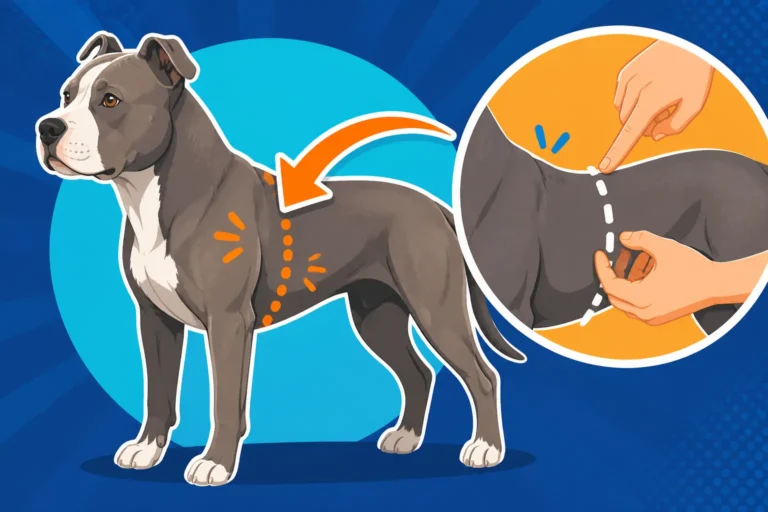
- Belly and Groin Area: Because Pit Bulls are often low to the ground, their bellies and groin regions can collect a lot of grass, pollen, and even mud. These areas also have thin, sensitive skin, making them prone to irritation and rashes. A gentle but thorough wipe here is crucial.
- Armpits and Chest: These are warm, moist areas where allergens can easily get trapped, and ticks love to hide. Give them a good wipe.
- Face and Muzzle: If your Pit Bull likes to sniff and root around in the grass, their muzzle and around their eyes can collect pollen and dirt. Use a separate, clean, damp cloth or a specific facial wipe for these sensitive areas, being careful around their eyes.
- Tail and Rear End: For obvious reasons, this area needs attention, especially if they’ve been squatting in tall grass.
The key is thoroughness without irritation. Be gentle, especially if you notice any redness or tenderness. A light, targeted approach is more effective than a rough, quick scrub.
Making It a Positive Experience for Your Pit Bull
No one likes a forced cleaning session, and your Pit Bull is no different. The best way to ensure cooperation is to make the wipe-down a positive experience. Always use a calm, reassuring tone of voice. Start with short sessions, especially if your Pit Bull is new to the routine or dislikes being handled.
Pair the wipe-down with high-value treats and praise. For example, after wiping one paw, give a treat. After wiping the belly, another treat. This helps your Pit Bull associate the cleaning process with something enjoyable. If they are particularly resistant to having their paws handled, try introducing a paw massage or simply touching their paws gently outside of the wiping context, rewarding them for tolerance. Over time, many Pit Bulls learn to tolerate, and even look forward to, their post-walk wipe-down, especially when they realize it leads to less itching and more treats! Consistent positive reinforcement is your most powerful tool here.
Integrating Wiping into a Comprehensive Skin Care Routine
While a daily wipe-down is fantastic, it's just one piece of the puzzle for maintaining your Pit Bull's overall skin health. For a breed so prone to dermatological issues, a holistic approach is always best.
The Link Between Wiping and Regular Bathing
Think of wiping down as your daily maintenance, and bathing as your deeper cleaning. Wiping helps remove surface allergens and dirt immediately, but it doesn't replace the need for regular baths. For Pit Bulls with allergies, medicated baths prescribed by your vet can be crucial for managing skin conditions, reducing yeast and bacteria, and delivering soothing ingredients directly to the skin. You can read more about this in Medicated Baths for a Pit Bull With Atopy.
The frequency of bathing will depend on your Pit Bull's specific skin needs and allergy severity. Some may need weekly baths, while others might be fine with monthly ones. However, even with regular baths, daily wiping after grass exposure is still important. It prevents the build-up of irritants between bath days and keeps their skin from getting overwhelmed. The two routines work hand-in-hand: wiping minimizes the daily allergen load, and bathing provides thorough cleansing and treatment when needed.
Diet and Supplements Supporting Skin Health
What goes into your Pit Bull's body is just as important as what you put on their skin. A high-quality, balanced diet can significantly impact skin and coat health. For Pit Bulls prone to allergies, a limited ingredient diet or a novel protein diet might be recommended by your vet to rule out food allergies. Even without diagnosed food allergies, providing a diet rich in essential fatty acids, particularly Omega-3s, can help reduce inflammation and support a healthy skin barrier. Brands like Ollie often focus on fresh, high-quality ingredients that can be beneficial for overall health, including skin.
Supplements like fish oil (Omega-3 fatty acids), flaxseed oil, or even specific skin and coat supplements containing vitamins like E and biotin can be incredibly beneficial. These work from the inside out to strengthen the skin's natural defenses, making it less reactive to environmental allergens and more resilient against irritation. Always discuss any dietary changes or supplements with your veterinarian to ensure they are appropriate for your individual Pit Bull's needs and to get correct dosing. Learn more about internal support for healthy skin in Omega Oils for Pit Bull Skin and Coat.
When to Consult Your Vet About Persistent Issues
While post-walk wiping and diligent home care can prevent many issues, it's vital to recognize when your Pit Bull's skin problems warrant a professional consultation. If you notice any of the following, it's time to call your vet:
- Persistent Itching: If your Pit Bull is constantly scratching, licking, or chewing despite your best efforts with wiping and bathing.
- Redness, Rashes, or Bumps: Any widespread or localized skin irritation that doesn't resolve quickly.
- Hair Loss: Patches of missing fur, especially if accompanied by scabbing or inflammation.
- Odor: A strong, yeasty, or foul smell coming from their skin, ears, or paws.
- Lethargy or Behavioral Changes: Sometimes skin discomfort can make a dog grumpy, withdrawn, or unwilling to play.
- Recurring Ear Infections: Frequent ear infections often have an underlying allergic component. Check out Pit Bull Ear Infections and Allergy Links for more.
These signs can indicate a more serious underlying allergy, a deep-seated infection, or another dermatological condition that requires veterinary diagnosis and treatment. Early intervention can prevent minor irritations from becoming chronic, painful problems for your beloved Pit Bull.
Addressing Common Pitfalls and Troubleshooting
Even with the best intentions, implementing a new routine with a dog can come with its challenges. Here's how to tackle some common issues you might encounter with post-walk wipe-downs.
Resistance to Wiping: Calming a Fussy Pit Bull
It's completely normal for a Pit Bull, especially a high-energy or sensitive one, to initially resist the wipe-down process. Some dogs dislike having their paws handled, while others might be wary of the sensation of a damp cloth. The key is patience, positive reinforcement, and gradual introduction.
Start slowly. Don't try to tackle all four paws, the belly, and the face in one go on the first day. Begin by gently wiping just one paw, rewarding immediately with praise and a delicious treat. Gradually increase the duration and areas you cover over several days or even weeks. Use a calm, soothing voice and avoid any forceful movements, which can create negative associations. If your Pit Bull becomes agitated, stop, take a break, and try again later or the next day. You can even practice handling their paws and body when you're not wiping, just pairing it with treats. Remember, a Pit Bull who trusts you and associates the process with good things will be much more cooperative in the long run.
The Challenge of Deeply Embedded Debris
Sometimes, a simple wipe isn't enough for those tenacious burs, foxtails, or stubborn bits of mud that have really dug in. If you encounter deeply embedded debris, resist the urge to pull aggressively, as this can cause pain, break the debris, or tear the skin.
For small, surface-level burs, you can often gently work them out with your fingers, being careful not to push them further in. A fine-toothed comb can sometimes help with tangles of fur and seeds. For anything sharp, deeply embedded, or if your Pit Bull shows significant pain or sensitivity, it's best to consult your veterinarian. They have the tools and expertise to safely remove foreign objects and can check for any underlying damage or infection. Never try to cut out embedded items with scissors if you're not comfortable or if the item is close to the skin, as you risk injuring your dog.
When Wiping Isn't Enough: Escalating Your Approach
You've been diligently wiping your Pit Bull after every grass walk, but they're still scratching, licking, or showing signs of skin irritation. This is a clear signal that wiping, while helpful, isn't addressing the full scope of their problem. At this point, it's time to escalate your approach and involve your veterinarian.
Your vet can help determine if the problem is environmental allergies, food allergies (which might require a detailed elimination diet like An Eight Week Food Trial on an Itchy Pit Bull), or another underlying condition. They might recommend specific medicated shampoos, oral medications (like antihistamines or anti-itch drugs), or even allergy testing and immunotherapy (allergy shots) to desensitize your Pit Bull to specific environmental triggers. This is when the foundational work of wiping truly complements a more targeted medical approach, allowing you to manage the symptoms while addressing the root cause. Don't feel discouraged if wiping alone isn't a complete solution; it's a vital part of a larger, comprehensive skin health strategy for your Pit Bull.
| High-Risk Area | Why It Needs Attention | Wiping Technique | What to Look For |
|---|---|---|---|
| Paws/Pads | Direct contact with grass, allergens, physical debris, ticks. | Wipe between toes, top & bottom of pads, up the leg. | Redness, swelling, cuts, thorns, burs, ticks, excessive licking. |
| Belly/Groin | Low to the ground, thin sensitive skin, collects pollen/dirt. | Gentle, thorough wipe across entire belly and groin. | Rashes, red spots, pimples, yeast odor, ticks. |
| Armpits/Chest | Warm, moist, hidden areas for allergens and ticks. | Lift leg, wipe thoroughly into the armpit and lower chest. | Ticks, redness, scabbing, dampness. |
| Face/Muzzle | Sniffing/rooting leads to pollen/dirt accumulation, sensitive. | Use a separate clean cloth; wipe around eyes, nose, and muzzle. | Redness, discharge, sneezing, small debris. |
| Tail/Rear End | Contact with grass when squatting, potential for debris. | Wipe around base of tail and under the tail. | Fecal matter, ticks, irritation around anus. |
Disclaimer
This article is for general informational purposes only and does not constitute professional advice. Laws, prices and regulations vary by location and change over time. Consult a qualified professional for guidance on your specific situation.