Keeping Pit Bull Training Sessions Productive
It’s easy to feel like you’re constantly battling your Pit Bull’s boundless energy or their laser focus on anything but you during a training session. Many of us have been there, watching our enthusiastic pups lose interest or get sidetracked by a rogue leaf. This guide is all about transforming those challenging moments into truly productive training sessions, building a stronger bond and more reliable behaviors in your amazing companion.
Setting the Stage for Training Success
Before you even begin to think about teaching new cues or refining old ones, it's crucial to set yourself and your Pit Bull up for success. This isn't just about finding a quiet space; it's about understanding your dog's inner workings and what truly drives them. Without this foundational understanding, even the best training techniques can fall flat.
Creating the Right Environment
Think about your ideal learning environment. Is it noisy, chaotic, and full of distractions, or is it calm, focused, and free from interruptions? The same applies to your Pit Bull. A productive training session often begins with careful management of the immediate environment. Initially, this means choosing a quiet spot indoors, away from windows where squirrels might dart past, or other family members might inadvertently interrupt. This isn't about isolating your dog, but about giving them the best chance to focus solely on you and the task at hand.
As your Pit Bull progresses, you can gradually introduce more distractions. Start small, perhaps with a soft radio playing in the background, or moving to a different room with a little more foot traffic. The key is gradual escalation, ensuring your dog continues to succeed at each step. If you suddenly move from your silent living room to a bustling dog park, you're likely setting your Pit Bull up for failure, which can be frustrating for both of you. Remember that even something as simple as a new scent can be a massive distraction for a curious Pit Bull, so always consider what sensory input they're experiencing. A good training session builds confidence, and confidence comes from consistent success.
Understanding Your Pit Bull's Motivations
Every dog has something they absolutely adore, and for a Pit Bull, these motivations can be incredibly powerful. Is it that squeaky tennis ball they guard with their life? Is it a particularly smelly, high-value treat that makes their eyes light up? Or is it simply your enthusiastic praise and a vigorous ear rub? Identifying these "gold standard" rewards is paramount for keeping them engaged and eager to work. What works for one Pit Bull might not work for another, and sometimes, what works today might not be as effective tomorrow. It's a constant process of observation and adjustment.
Consider how their breed type influences this. Pit Bulls are often highly food-motivated and possess an incredible drive for toys and play, stemming from their working heritage. Leveraging this drive means finding rewards that truly excite them. For a Pit Bull that's typically very driven by play, a short game of tug or fetch after a successful set of commands can be far more rewarding than a dry kibble. Some Pit Bulls also thrive on physical touch and praise, melting into a puddle for a good scratch or a heartfelt "Good boy!" Understanding these nuances is key to Positive Reinforcement Training With a Pit Bull and ensuring that they view training as a fun, rewarding interaction rather than a chore.
Maximizing Engagement During Sessions
Once you've set the stage, the next step is to ensure that your Pit Bull remains enthusiastically engaged throughout the actual training. This requires strategic planning of your sessions and a keen understanding of what makes them tick. Without engagement, training becomes a battle of wills, and nobody wins those.
Short, Sweet, and Frequent Sessions
Pit Bulls are intelligent and eager to please, but like many high-energy dogs, they can have surprisingly short attention spans for repetitive tasks, especially when they're young. Trying to force a 30-minute training marathon on a wiggly Pit Bull puppy is a recipe for frustration. Instead, aim for multiple short, impactful sessions throughout the day. Think 5-10 minutes, perhaps three to five times a day, rather than one long, drawn-out session. These mini-sessions keep training feeling fresh and fun, preventing boredom and mental fatigue.
Ending a session on a high note is also incredibly important. As soon as your Pit Bull performs a command well, or even shows good effort, give a big reward, lots of praise, and then end the session. This leaves them wanting more, eager for the next opportunity to learn and earn those valuable rewards. It reinforces the idea that training is a positive experience, not something they have to endure until you decide it's over. This strategy works wonders for The Weeks That Shape a Pit Bull Puppy and continues to be effective throughout their adult life.
High-Value Rewards and Reinforcement
Not all treats are created equal in the eyes of a Pit Bull. While plain kibble might work in a low-distraction environment, you'll need to pull out the big guns when the stakes are higher or when introducing a challenging new concept. This means identifying truly High-Value Treats That Hold a Pit Bull's Focus – think small pieces of cooked chicken, cheese, hot dogs, or specially formulated soft training treats. These aren't their everyday snack; they're the jackpot.
Varying your rewards can also keep things exciting. Sometimes it's a treat, sometimes it's a favorite toy, and sometimes it's enthusiastic praise and a quick game of tug. The unpredictability keeps your Pit Bull guessing and working harder, always hoping for that ultimate reward. Also, remember to deliver your rewards immediately. The moment your Pit Bull performs the desired behavior, the reward should appear. This clear, instant feedback helps them understand exactly what they did right, solidifying the association. Don't be shy about using your voice and body language to convey excitement and approval; your enthusiasm is a powerful motivator.
Here's a quick guide to understanding different reward types for your Pit Bull:
| Reward Type | Examples | Best Used When | Benefits |
|---|---|---|---|
| High-Value Food | Cooked chicken, cheese, hot dogs, specific soft treats | Introducing new behaviors, in distracting environments, for challenging tasks, during initial proofing. | Extremely motivating, quickly delivered, provides clear marker for success. |
| Mid-Value Food | Kibble, crunchy biscuits, plain dog treats | Practicing known behaviors, in low-distraction environments, for maintenance training, as a routine reward. | Easy to use, good for repetition, prevents over-feeding high-calorie treats. |
| Play/Toy | Tug toys, squeaky balls, retrieve objects | For highly toy-motivated Pit Bulls, as a jackpot reward, to end a session, for high-energy commands. | Excellent for building drive, stress relief, strengthens bond through shared activity. |
| Praise/Affection | Enthusiastic "Good dog!", petting, ear rubs, belly rubs | For sensitive dogs, as a secondary reward, to reinforce calm behaviors, after every correct response. | Builds bond, always available, can be used in public where food/toys might be less practical. |
Troubleshooting Common Training Hurdles
Even with the best intentions and preparation, you’re bound to hit some snags. That's totally normal! Pit Bulls are dynamic creatures, and their enthusiasm can sometimes manifest as challenges in a training context. Learning to anticipate and navigate these hurdles is a huge part of being a successful Pit Bull owner.
Dealing with Distractions
Oh, the dreaded distraction! One moment your Pit Bull is perfectly focused on you, and the next, a leaf blows by, a bird chirps, or another dog appears, and suddenly you cease to exist. Distractions are the nemesis of productive training sessions, especially for a breed like the Pit Bull, who can be incredibly observant and driven by their environment. The key here is not to eliminate distractions entirely, as that’s impossible in the real world, but to manage and gradually introduce them.
Start your training in the most sterile, distraction-free environment possible, like your living room with the blinds drawn. Once your Pit Bull consistently performs a command there, slowly increase the level of distraction. This might mean moving to your backyard, then a quiet park, then a slightly busier park. If your dog gets distracted, it means you've moved too fast. Go back a step, reduce the distraction, and build up again. Using a long line in an open area can help maintain control while giving them some freedom to explore a bit, gradually increasing their exposure to new sights and smells. For dogs that get easily overstimulated by other canines, working on Teaching a Pit Bull to Ignore Other Dogs or focusing on you even when another dog is present is a crucial skill. You can find robust long lines and other training aids on Amazon that stand up to the strength of a Pit Bull.
Overcoming Frustration (Yours and Theirs)
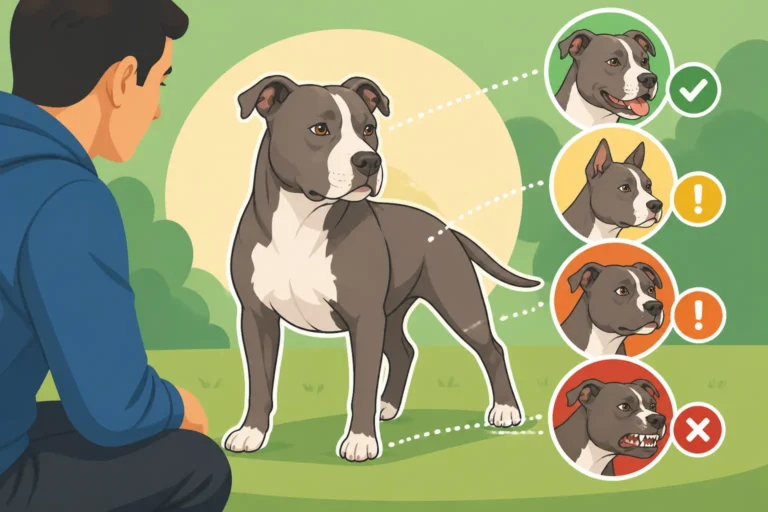
Training can be incredibly rewarding, but let’s be real – it can also be incredibly frustrating. There will be days when your Pit Bull just doesn't seem to 'get it,' or when they regress on a command they knew perfectly yesterday. It’s vital to recognize the signs of frustration, both in yourself and in your dog. For your Pit Bull, this might look like excessive yawning, lip-licking, looking away, sniffing the ground, or even trying to disengage from the session entirely. For you, it might be a rising temper, repetitive commands, or a feeling of hopelessness.
When frustration sets in for either of you, it’s time to take a break. Push yourselves too hard, and you risk damaging your bond and making training a negative experience. Step away, do something completely unrelated and fun, like a quick game of fetch or a walk around the block. Then, when you come back to training, make the next task incredibly easy – something your Pit Bull can do with 100% certainty. This builds confidence and ends the session on a positive note. Remember, consistency is more important than perfection. Every small success builds momentum, and patience is your most valuable tool when working on Building a Pit Bull's Impulse Control or any new skill.
Maintaining Consistency and Progress
Consistent effort is the bedrock of all successful dog training, and it's especially true for a powerful, intelligent breed like the Pit Bull. Without it, even brilliantly taught behaviors can fade, and your progress can grind to a halt. This isn't about rigid adherence to a schedule, but rather about weaving training into the fabric of your daily life.
Structuring Your Training Routine
A routine doesn't have to mean military precision, but it does mean integrating training naturally into your day. Those short, frequent sessions we talked about earlier? They fit perfectly into pockets of time you might not even realize you have. A few minutes before breakfast, another after their midday walk, a quick run-through of commands before dinner, and a calm settling exercise before bed. This consistent exposure reinforces learning without making it feel like a huge commitment. Think about training as part of their daily enrichment, just like their meals or walks.
For a Pit Bull, routine can be comforting and help manage their energy. If they know when to expect training, they can often settle into it more readily. However, don't be afraid to mix things up slightly to keep it interesting. Perhaps one day focuses on obedience cues, another on a fun trick, and a third on Pit Bull Leash Manners and Physical Strength. The predictability of 'training time' combined with the variety of 'what we train' keeps them mentally stimulated and prevents boredom. Resources like BAXTER & Bella’s online programs can provide structured routine ideas if you’re looking for a comprehensive curriculum.
Generalizing Behaviors to New Environments
It's a common scenario: your Pit Bull perfectly executes a "sit" command in your quiet living room, but the moment you step into the bustling park, that "sit" seems to vanish from their vocabulary. This isn't stubbornness; it's a lack of generalization. Dogs don't automatically understand that a command learned in one context applies to all contexts. To maintain progress, you need to deliberately practice behaviors in a variety of locations, with different people, and with increasing levels of distraction.
Start by practicing known commands in every room of your house, then your backyard, then your front yard, and finally in different public settings. Each new environment is like learning the command all over again, so remember to lower your expectations initially and use those high-value rewards. Gradually expose your Pit Bull to new sights, sounds, and smells while practicing their commands. For example, if you're working on Teaching a Pit Bull to Sit Before Every Door, practice it at your front door, then at a friend's door, then at the entrance to a pet-friendly store. This systematic approach ensures that their understanding of a command isn't tied to a specific location but becomes a reliable behavior no matter where you are.
Tools and Resources for Productive Training
Even the most dedicated trainer can benefit from the right equipment and support. Having the proper tools can make sessions smoother and safer, while leaning on experienced professionals and communities can provide invaluable insights and encouragement.
Essential Gear for Training
The right gear can make a world of difference in the effectiveness and safety of your training sessions. For a strong, enthusiastic breed like the Pit Bull, this often means durable, well-fitting equipment. A sturdy leash and a comfortable, secure harness are paramount, especially when working on leash manners or practicing commands in public. Many owners find that front-clip harnesses or head halters provide better control without causing discomfort for Pit Bull Leash Pulling at Fifty Pounds. You can find a wide array of options on Amazon, often with reviews from other Pit Bull owners.
Beyond leashes and harnesses, consider a good training treat pouch that allows for quick and easy access to rewards. A clicker can be an excellent tool for precise timing of reinforcement, marking the exact moment your Pit Bull performs the desired behavior. Durable chew toys are also essential, not just for play, but as a potential high-value reward or a way to redirect unwanted chewing behavior after a session. Investing in Chew Toys That Hold Up to a Pit Bull is always a good idea. For crate training or managing space, a strong, secure crate is also a must-have for many Pit Bull owners.
Leveraging Online and Professional Support
You don't have to navigate your Pit Bull's training journey alone. There's a wealth of support available, from online resources to professional trainers who specialize in breeds like Pit Bulls. Online communities and forums can connect you with other Pit Bull owners who share similar experiences, offering tips, empathy, and sometimes just a much-needed laugh. These informal groups often share insights on everything from Getting a Pit Bull Puppy Clean in the House to managing dog selectivity.
For more structured guidance, consider online training platforms or courses, such as those offered by BAXTER & Bella. These can provide step-by-step video tutorials and often include access to trainers for personalized advice. However, there's no substitute for hands-on, in-person professional help when you encounter specific challenges or simply want to fast-track your progress. Finding a Trainer Experienced With Pit Bulls is crucial; look for someone who uses positive reinforcement methods and understands the nuances of the breed's temperament and strength. A good trainer can observe your interactions, pinpoint areas for improvement, and offer tailored strategies that elevate your training efforts. Group classes can also be fantastic for socialization and practicing commands around distractions.
Integrating Training into Daily Life
The most productive training sessions aren't confined to specific "training times." They're woven into the fabric of your Pit Bull's everyday existence. This approach not only makes training more effective but also strengthens your bond and helps your Pit Bull become a well-adjusted, polite member of your family and community.
Making Every Interaction a Learning Opportunity
Every moment you spend with your Pit Bull is a chance to reinforce good behavior or gently guide them toward better choices. This is often called "capturing" behavior. Did your Pit Bull spontaneously lie down calmly at your feet? Mark it with a "yes!" and reward them. Did they make eye contact when you called their name, even amidst distractions? That's worth a small treat. By doing this, you're not just training; you're communicating constantly, showing your Pit Bull what you like and encouraging them to repeat those actions.
Think about how you use commands in everyday life. Instead of just letting your dog out the door, ask for a "sit" and a "stay" before releasing them. Before you put down their food bowl, ask for a "down." Practice Recall Training a Pit Bull From Scratch in your yard during casual play. These brief, consistent applications of commands solidify their understanding and make them much more reliable. It also teaches your Pit Bull that paying attention to you is always worthwhile, no matter what else is going on. This constant communication builds a strong, reciprocal relationship where your Pit Bull looks to you for guidance and direction.
The Role of Exercise and Mental Stimulation
A tired Pit Bull is a well-behaved Pit Bull, and a well-exercised, mentally stimulated Pit Bull is often a more focused and trainable Pit Bull. These dogs were bred for activity and stamina; neglecting their physical and mental needs will inevitably lead to an abundance of pent-up energy that can derail any training session. If your Pit Bull is constantly bouncing off the walls, it’s unlikely they’ll have the focus to learn or practice commands.
Ensure your Pit Bull is getting adequate physical exercise each day. This could be long walks, runs, fetch in the yard, or even dog sports like agility or weight pull if appropriate for their age and physical condition. Consult The Daily Exercise a Pit Bull Actually Needs for more insights. Beyond physical activity, mental stimulation is equally important. Puzzle toys, snuffle mats, scent work games, and even just novel environments on walks can engage their brains and tire them out in a different way. A mentally satisfied Pit Bull is calmer, more attentive, and much more receptive to learning during training sessions. When you meet their needs holistically, you set them up for optimal success in all areas, including training.
Disclaimer
This article is for general informational purposes only and does not constitute professional advice. Laws, prices and regulations vary by location and change over time. Consult a qualified professional for guidance on your specific situation.