Whether Dropping the Label Gets Pit Bulls Adopted
Shelter breed labels and visual identification affect adoption rates and housing hurdles for dogs called pit bulls.
Is this the right one for you?
Origins and temperament, size and coat, what living with one is actually like, and how it compares to the breeds people weigh against it.
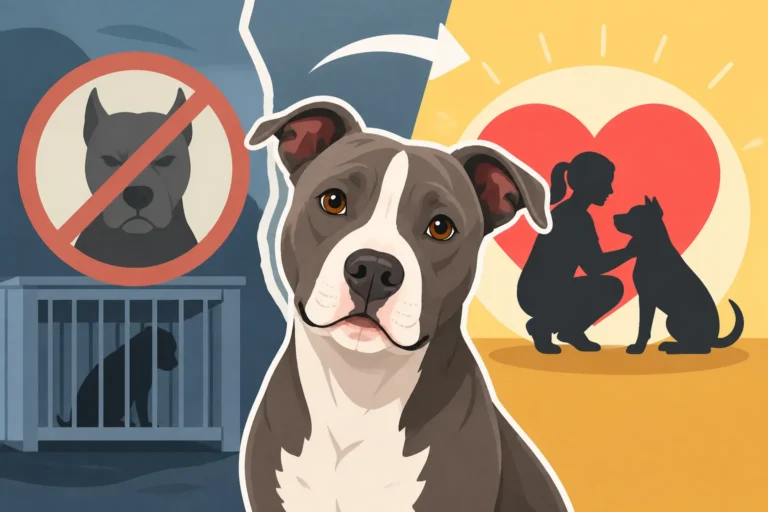
Shelter breed labels and visual identification affect adoption rates and housing hurdles for dogs called pit bulls.
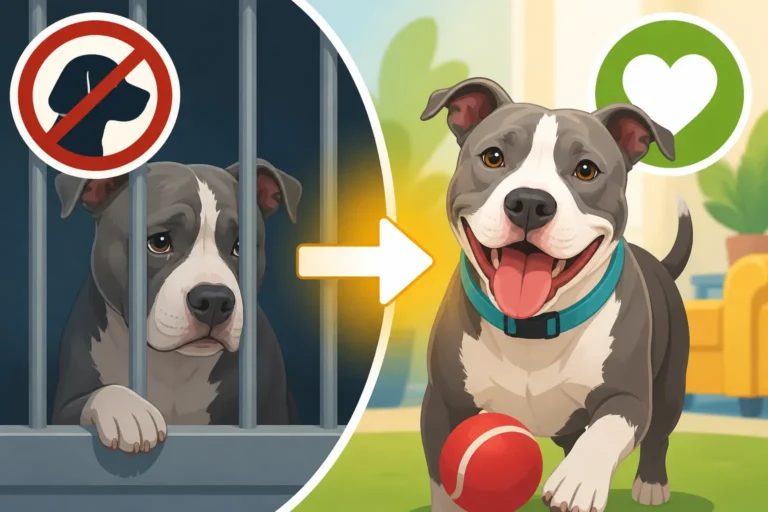
Removing shelter pit bull labels changes adoption outcomes by highlighting individual dog personalities and true physical traits.
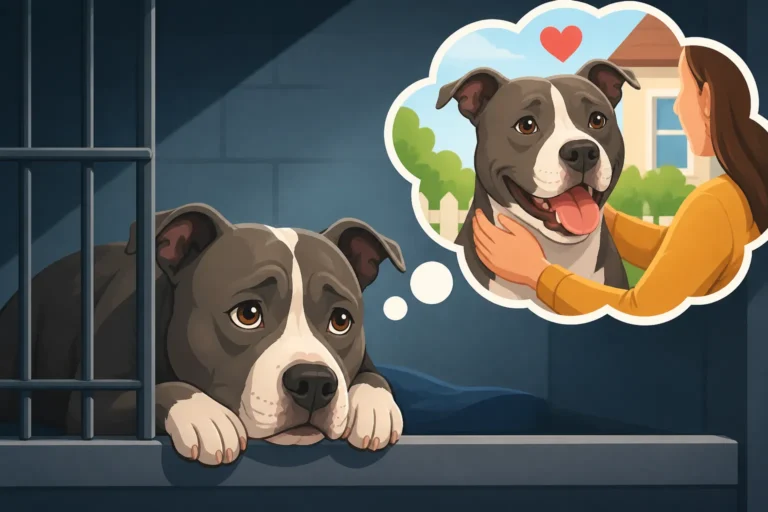
Shelter adoption wait times for labelled pit bulls depend on visual identification, public perception, and breed legislation.
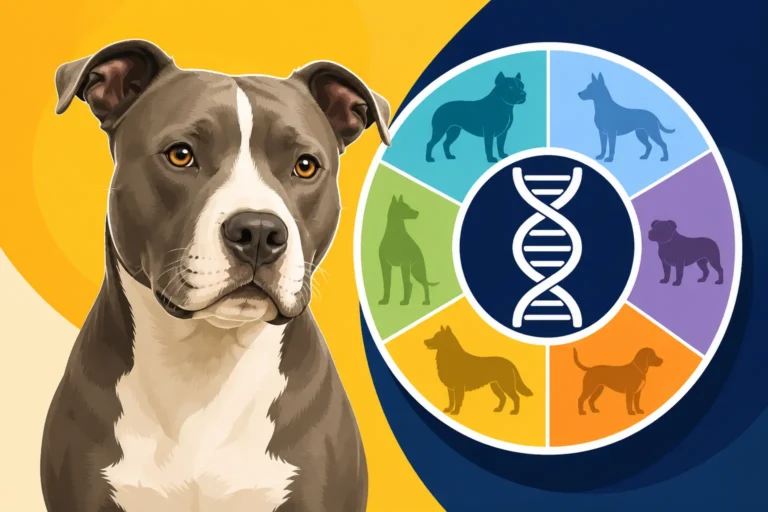
A canine DNA panel explains individual breed percentages, showing that pit bulls are a type rather than a breed.
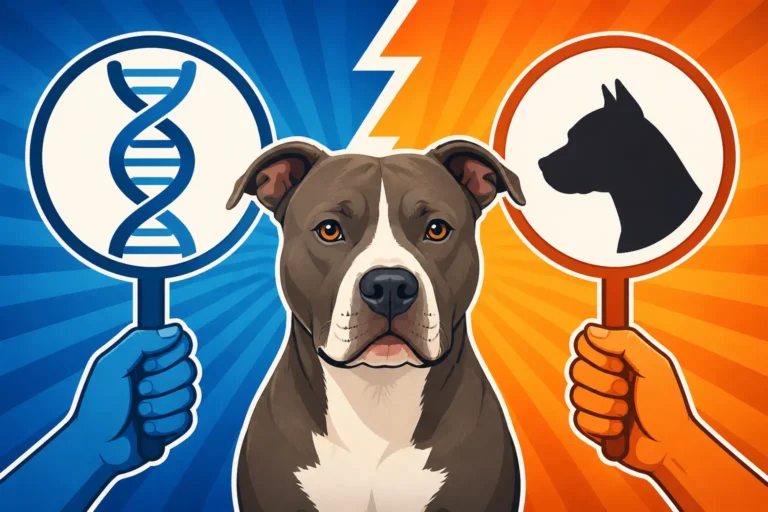
Pit bull breed DNA testing and visual identification limits explain how genetic results impact housing and insurance rules.
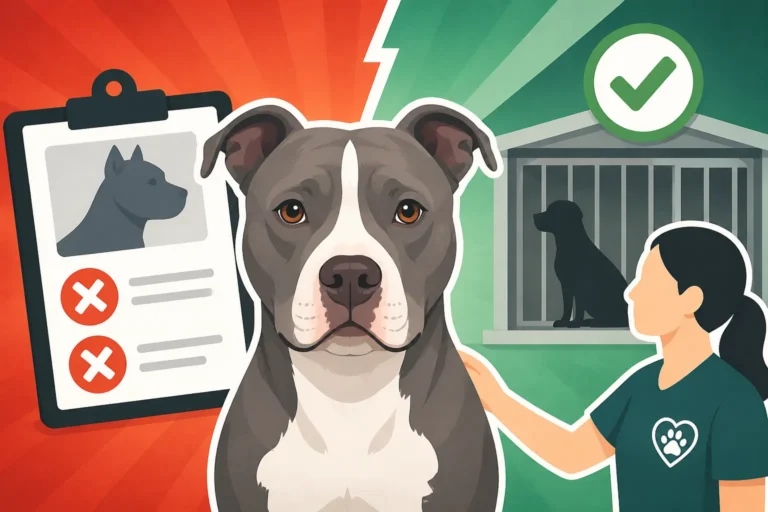
Shelter over-identification of pit bull type dogs stems from unreliable visual guessing and broad breed definitions.
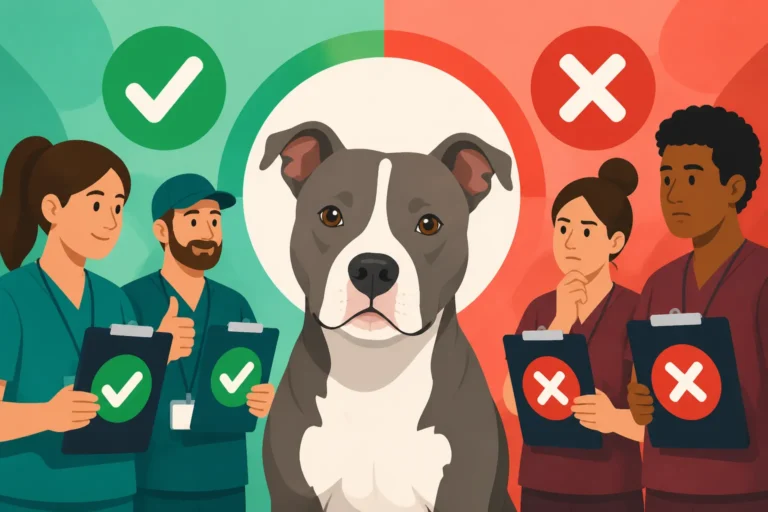
Shelter staff disagreements on pit bull labels reveal the complexities and subjective nature of visual dog breed identification.
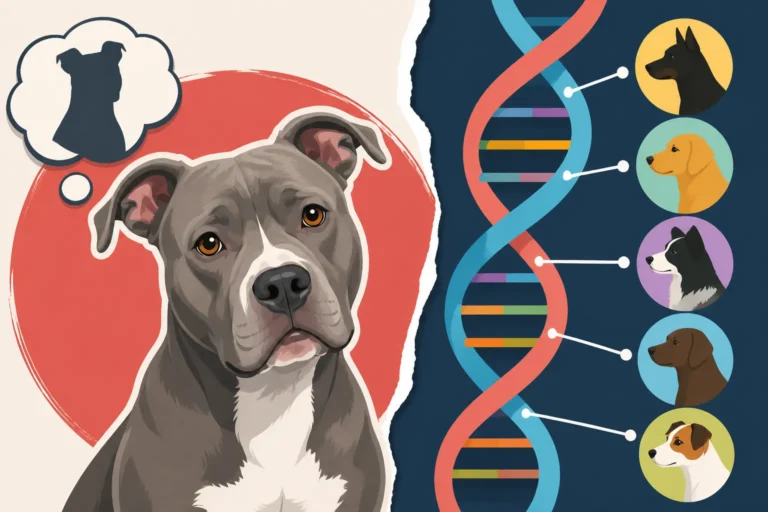
Visual Pit Bull labels often conflict with dog DNA because shelters rely on superficial physical traits instead of genetics.
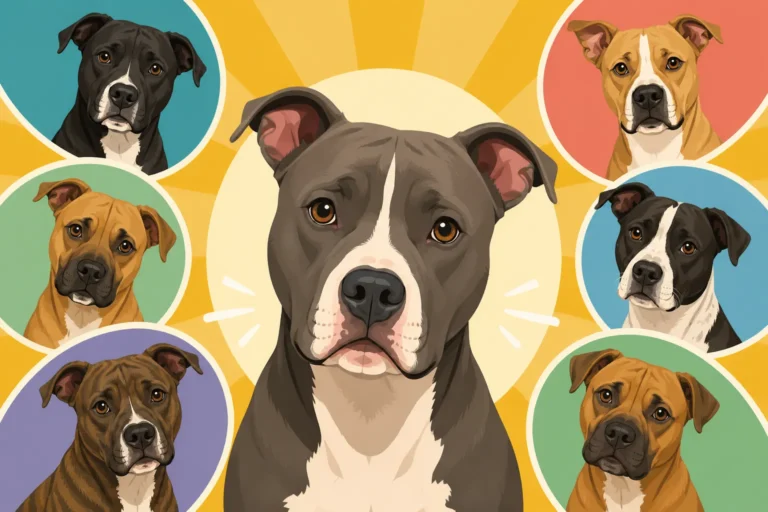
Mixed breed dogs often get incorrectly labeled as Pit Bulls because of shared physical traits and unreliable visual identification methods.

The relationship between the American Bully and the Pit Bull involves distinct differences and shared ancestry.