Which Mixed Breed Dogs Get Called Pit Bulls
It's a common frustration for many dog lovers: you have a beloved mixed-breed dog, and almost everywhere you go, someone confidently labels them a "Pit Bull." This blanket term, often used without a second thought, can carry a lot of baggage, impacting everything from your insurance rates to where you can live. This guide will delve into why so many mixed-breed dogs end up being called Pit Bulls, exploring the common mixes, the reasons behind these misidentifications, and the real-world implications for owners and their beloved companions.
The Confusion Behind "Pit Bull" as a Label
When someone points to a dog with a broad head and a confident stance and declares "That's a Pit Bull!", they're often making an assumption based purely on looks. The term "Pit Bull" itself is steeped in misunderstanding, representing not a single, officially recognized breed by all major kennel clubs, but rather a catch-all term for a type of dog with a specific physical appearance. This ambiguity is at the heart of why so many mixed-breed dogs are incorrectly grouped under this label.
Why "Pit Bull" Isn't a Single Breed
Let's clear the air right away: there isn't one official breed named "Pit Bull" recognized by every major kennel club. When people use the term, they are usually referring to a group of breeds that share similar ancestry and physical characteristics, primarily stemming from bull-and-terrier crosses developed in the 19th century. These breeds include the American Pit Bull Terrier, recognized by the United Kennel Club (UKC), the American Staffordshire Terrier (AmStaff), recognized by the American Kennel Club (AKC), and the Staffordshire Bull Terrier, also recognized by the AKC.
Each of these breeds has its own distinct standard, but they all share traits like a muscular build, a broad head, strong jaws, and a short, smooth coat. These shared physical markers are what lead to the widespread misconception that any dog exhibiting these traits is automatically a "Pit Bull." It's a bit like calling any large, shaggy dog a "sheepdog" – it might be true in some cases, but it overlooks the specific breeds involved, like an Old English Sheepdog or a Great Pyrenees. Understanding What the Word Pit Bull Actually Covers is the first step in addressing this widespread confusion.
The Visual Identification Trap
The truth is, even experienced dog professionals, including veterinarians and shelter staff, often misidentify dogs as "Pit Bulls" based solely on their looks. Studies have shown that visual identification of breeds, especially for mixed breeds, is notoriously unreliable. We humans are wired to categorize, and when we see a dog with a powerful, stocky body, a strong jawline, and short fur, our brains often default to that "Pit Bull" image that's so prevalent in media and common conversation.
Think about it: many characteristics associated with "Pit Bulls" – like a muscular physique, a broad skull, or a short, sleek coat – are actually common across a wide array of dog breeds, both purebred and mixed. A dog might have the deep chest of a Boxer, the powerful neck of a Bulldog, or the short fur of a Labrador, and these traits, when combined in a mixed breed, can easily lead to a "Pit Bull" label. It's not malicious intent; it's just how our brains try to make sense of the world based on limited information and pervasive stereotypes. This is precisely How Shelters Decide a Dog Is a Pit Bull and often leads to mislabeling.
Common Mixed Breeds Often Mistaken for Pit Bulls
It's truly fascinating how often dogs with no actual "Pit Bull" breeds in their DNA still get lumped into that category. The visual cues are so strong that they override any deeper understanding of genetics or breed history. When you walk into a shelter, you might see countless dogs labeled "Pit Bull Mix" that, upon closer inspection or DNA testing, reveal a much more diverse heritage.
Bulldog Mixes and Their "Pit Bull" Look
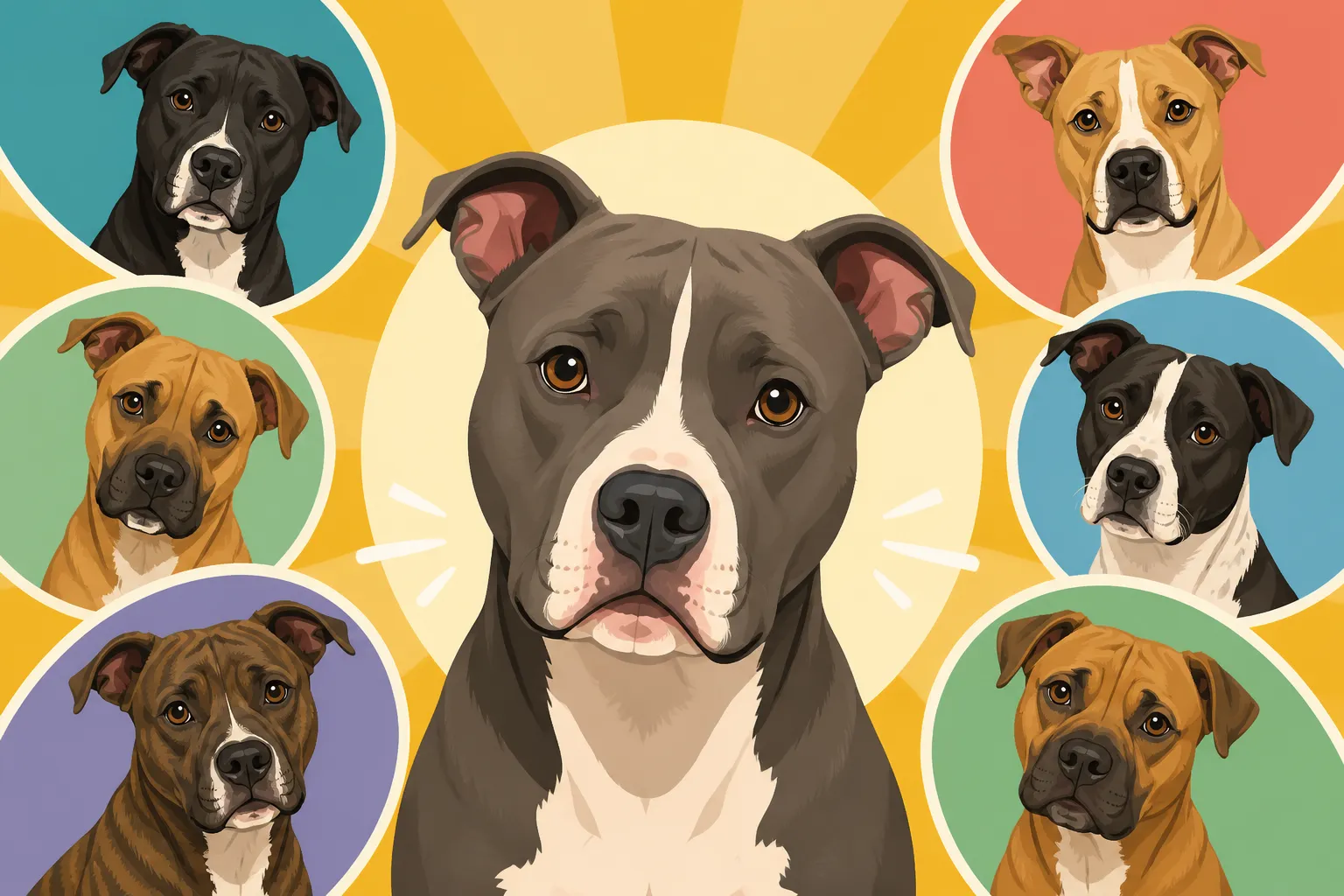
The Bulldog family tree is vast and varied, and many of its members share ancestral links with the "Pit Bull" type dogs, making visual differentiation incredibly tricky. Breeds like the American Bulldog, with their substantial build, broad heads, and often brindle or white coats, frequently get mistaken for Pit Bulls or Pit Bull mixes. Then you have the Boxer, known for its muscular frame, square jaw, and energetic personality, which, when mixed with other breeds, can easily produce offspring that scream "Pit Bull" to the casual observer.
Even larger, more formidable breeds like the Cane Corso or the Bullmastiff, when crossed with other types, can produce pups with thick necks, blocky heads, and powerful bodies that align with the popular image of a Pit Bull. Their sheer strength and confident presence contribute to this misidentification. Imagine a mix between an American Bulldog and a Boxer – you'd have a dog bursting with the "Pit Bull" aesthetic, even if neither parent was technically an American Pit Bull Terrier or an American Staffordshire Terrier. They're all part of that broad "bull breed" family, and the visual overlap is undeniable.
Other Muscular, Short-Coated Mixes
Beyond the obvious bull-breed relatives, many other breeds, when mixed, can contribute to the "Pit Bull" look. Consider a Labrador Retriever mix. Labs are incredibly popular, and when they're crossed with, say, a Shepherd or a Mastiff type, the resulting dog might inherit a stocky build, short fur, and a strong head. These are all traits that people commonly associate with Pit Bulls. A Lab-mix with a slightly larger head and a more compact body could easily be perceived as a Pit Bull mix by those who aren't familiar with the nuances of dog breeds.
Even breeds like the German Shorthaired Pointer, known for their athletic build and sleek coats, can contribute elements that lead to misidentification in a mixed breed. A Great Dane mix might inherit the muscularity and intimidating size, while still possessing some of the facial features or coat patterns that cause onlookers to lean towards the "Pit Bull" label. It's a fascinating phenomenon, showing how a combination of common traits from various breeds can converge to create an appearance that triggers a specific, often incorrect, identification in the public eye.
The Impact of the "Pit Bull" Label on Mixed Breed Dogs
While an inaccurate label might seem harmless, for dogs misidentified as Pit Bulls, it can have serious, life-altering consequences. This isn't just about semantics; it's about real discrimination that affects countless innocent dogs and their loving families. The stigma associated with the "Pit Bull" name, unfortunately, runs deep in many communities.
Shelter Identification and Its Consequences
One of the most immediate and heartbreaking impacts of visual misidentification happens in animal shelters. Dogs that are perfectly friendly, well-socialized, and otherwise adoptable often sit longer in shelters if they are labeled as "Pit Bull" or "Pit Bull mix." This label, applied based on visual cues, can deter potential adopters who are wary of the public perception or who face breed restrictions in their housing. It's a cruel irony that a dog's chance at a loving home can be significantly reduced simply because of how it looks, not how it acts.
Shelter staff, often under pressure and with limited resources, sometimes default to the "Pit Bull" label for any dog that fits a broad physical description. This practice, while sometimes driven by a desire to be transparent about perceived breed, inadvertently contributes to the overrepresentation of "Pit Bulls" in shelters and the challenges they face in finding homes. Many adoption success stories begin when shelters make an effort to use more breed-neutral labeling or conduct DNA tests to show a dog's true mixed heritage. For more on this, consider reading Whether Dropping the Label Gets Pit Bulls Adopted.
Housing, Insurance, and Public Perception
Beyond the shelter, the "Pit Bull" label follows these mixed-breed dogs into their everyday lives, creating hurdles for their owners. Finding a place to live can become a nightmare, as many landlords and apartment complexes have strict breed-specific bans that include "Pit Bull" types. Even if your dog is a mix of three or four different breeds with no American Pit Bull Terrier or AmStaff in them, if they look like a Pit Bull, you could be denied housing. This often leads to difficult choices for families who might have to give up their beloved pet or struggle to find suitable accommodation. Delving into Landlord Breed Clauses Naming Pit Bulls can shed more light on this issue.
Homeowners and renters insurance is another major battleground. Many insurance companies have "dangerous dog" lists that specifically name "Pit Bulls," making it difficult or impossible to get coverage, or significantly increasing premiums. Even if your dog has never shown an ounce of aggression, the mere visual identification can trigger these exclusionary clauses. This financial burden and bureaucratic red tape add immense stress to responsible dog owners. You might find guidance in Getting Home Insurance With a Pit Bull to navigate these waters.
Finally, public perception constantly weighs on owners of dogs labeled "Pit Bulls." Simple walks can become fraught with judgmental stares, whispered comments, or even outright fear from strangers. Owners often feel compelled to over-train and over-socialize their dogs, demonstrating impeccable manners just to prove that their dog is a good canine citizen, regardless of its appearance. This constant need to counteract stereotypes can be exhausting.
How to Get a More Accurate Understanding of Your Mixed Breed
If you're an owner of a dog that gets labeled a "Pit Bull mix" but you suspect there's more to the story, or if you simply want to understand your furry friend's background better, there are steps you can take. Getting a clearer picture of your dog's genetic makeup can be incredibly insightful, even if it doesn't always change public opinion overnight.
The Role of DNA Testing
Dog DNA tests have become increasingly popular and accessible, offering a fascinating glimpse into your mixed breed's ancestry. Brands like Wisdom Panel and Embark offer comprehensive kits that can break down your dog's breed composition, often identifying specific breeds down to a small percentage. These tests typically involve a simple cheek swab you can do at home, then mail back to the lab.
For many owners, discovering their dog's true heritage is eye-opening. You might find out your "Pit Bull mix" is actually a blend of Boxer, German Shepherd, and Labrador, with perhaps a small percentage of an actual American Pit Bull Terrier, or sometimes none at all. This information can be empowering, giving you concrete data to present to landlords or insurers, though it's important to understand that not all institutions will accept DNA results over visual identification. Nevertheless, it can provide immense personal satisfaction and help you understand potential health predispositions or behavioral traits linked to specific breeds in their lineage. You can learn more about this by reading What a DNA Panel Says About a Pit Bull. Many retailers, including Chewy, offer a variety of these DNA testing kits, making it convenient to explore your dog's background.
Focus on Behavior and Individual Temperament
Ultimately, regardless of what a DNA test reveals or what label people apply to your dog, the most crucial aspect of responsible dog ownership is focusing on your individual dog's behavior and temperament. A dog's breed makeup offers clues, but it doesn't dictate personality. Every dog is an individual product of its genetics, environment, socialization, and training.
Investing in positive reinforcement training and consistent socialization for your mixed-breed dog is paramount. A well-behaved, confident, and friendly dog will always be the best ambassador for its kind, no matter what it looks like or what breeds are in its family tree. Teach your dog good leash manners, practice recall, and expose them positively to various people, places, and other animals. This focus on individual merit and responsible ownership can help counteract negative stereotypes more effectively than any label. For tips on enhancing manners, check out Pit Bull Leash Manners and Physical Strength. You can find a wide range of training treats and durable toys for enrichment on Chewy that support positive reinforcement methods.
Remember, a dog's value isn't determined by its breed label. It's determined by the love it gives, the joy it brings, and the bond it shares with its human family. By understanding the complexities of breed identification and focusing on individual care, we can all contribute to a more informed and compassionate world for all dogs, especially those so often misunderstood.
Here's a quick look at some common traits and the breeds that can contribute to a "Pit Bull" appearance in a mixed dog:
| Characteristic | Breeds That Often Contribute (Beyond Core Pit Bull Types) | Why It Leads to Misidentification |
|---|---|---|
| Broad Head | Boxer, American Bulldog, Mastiff, English Bulldog, Rottweiler | Associated with powerful jaws and a "tough" image. |
| Muscular Build | Boxer, American Bulldog, Rhodesian Ridgeback, Great Dane, Labrador | Conveys strength, often seen as intimidating. |
| Short, Smooth Coat | Labrador Retriever, Boxer, Vizsla, Dalmatian, German Shorthaired Pointer | Common across many breeds, but a hallmark of "Pit Bulls." |
| Strong Jawline | Boxer, American Bulldog, Rottweiler, Doberman Pinscher | Implies biting strength, a common stereotype. |
| Compact Body | Boxer, Staffordshire Bull Terrier, French Bulldog | Gives a sturdy, powerful silhouette. |
| Confident Stance | Many well-socialized, athletic breeds | Often interpreted as bold or aggressive, rather than self-assured. |
Disclaimer
This article is for general informational purposes only and does not constitute professional advice. Laws, prices and regulations vary by location and change over time. Consult a qualified professional for guidance on your specific situation.