Whether Dropping the Label Gets Pit Bulls Adopted
It’s a heartbreaking reality for anyone walking through an animal shelter: certain dogs, often those visually identified as "Pit Bulls," tend to languish in kennels far longer than others. Many compassionate people dedicated to animal welfare have watched these loving, energetic dogs get overlooked time and again, not because of their individual personality, but because of a label. This guide dives deep into the strategic choice some shelters are making to remove or reduce breed labels for these dogs, exploring whether this shift truly helps them find their forever homes.
The Weight of a Name: Understanding the "Pit Bull" Label
When we talk about a "Pit Bull," we're often not talking about a single, officially recognized breed. This term is more of an umbrella, a visual descriptor that lumps together several different breeds and their mixes. It's a common misconception that Pit Bull is one breed, but in reality, it's a type of dog with shared characteristics.
Why "Pit Bull" Isn't Just One Breed
The term "Pit Bull" typically refers to dogs like the American Pit Bull Terrier, the American Staffordshire Terrier, and sometimes even the Staffordshire Bull Terrier, along with countless mixes that share a similar build, head shape, and general appearance. The nuance is often lost in public perception and, unfortunately, in policies and prejudices. Understanding Why Pit Bull Is a Type and Not a Breed is crucial to grasping the complexities of this discussion. It's not like identifying a Golden Retriever or a German Shepherd, where the breed standard is quite clear. Instead, a "Pit Bull" look can come from a melting pot of genetics, making precise identification a challenge even for experts.
How Visual Identification Affects Shelters
Shelters are on the front lines of this challenge. When a dog comes through their doors, staff often have to make a quick judgment call on its breed based purely on looks. This visual identification, as we've seen time and again, is notoriously inaccurate. Even experienced veterinarians and shelter workers struggle to correctly identify breeds without DNA evidence. This means a dog that might be a Boxer-Lab mix could easily be labeled a "Pit Bull" simply because of its broad head or muscular build. This issue of How Shelters Decide a Dog Is a Pit Bull can have profound implications for the dog's future. The public's perception of "Pit Bull" dogs often colors their view, regardless of the individual dog's temperament or actual genetic makeup. It's a frustrating situation where a dog's fate can be sealed by a glance and a guess.
The Impact of Breed Labeling on Adoption Outcomes
The repercussions of this visual labeling are not minor; they're often the difference between a dog finding a home quickly and spending months, or even years, in a shelter. The label itself can create immediate, often insurmountable, barriers for potential adopters.
Facing Stigma and Stereotypes
Let's be honest: the "Pit Bull" label comes with baggage. Decades of negative media portrayal, misinformation, and unfortunate incidents have painted a picture of these dogs that is far from the reality for most. People often approach a "Pit Bull" with preconceived notions, fear, or a sense of caution that they wouldn't apply to other dogs. This stigma means that even the sweetest, most well-behaved Pit Bull-type dog might be overlooked by families who are worried about how their neighbors or landlords will react. It's a heavy burden for these dogs to carry, often before they've even had a chance to show their true personalities. The label, in essence, becomes a barrier to connection. This deeply affects Why a Pit Bull Label Changes a Shelter Outcome from the moment they are designated.
Housing and Insurance Barriers
One of the most significant practical hurdles for potential adopters is housing. Many apartment complexes, rental homes, and homeowner associations (HOAs) have strict breed restrictions, with "Pit Bull" types almost always at the top of the prohibited list. It doesn't matter if the dog is well-trained, quiet, or has a gentle disposition; the label alone can shut the door. Similarly, insurance companies often have their own blacklists, making it difficult or impossible for homeowners to get coverage if they own a dog identified as a "Pit Bull." These policies are based on broad generalizations rather than individual temperament or training. These very real-world challenges mean that even someone who falls in love with a Pit Bull-type dog at the shelter might have to walk away because their living situation simply won't allow it. It's a cruel twist of fate for both the dog and the would-be owner. This widespread issue means Why Housing Rules Send Pit Bulls to Shelters is a recurring and frustrating problem that conscientious owners continually face.
Longer Stays in Shelters
The cumulative effect of stigma, housing restrictions, and insurance woes is simple: Pit Bull-type dogs spend significantly more time in shelters. While other dogs might be adopted within days or weeks, Pit Bulls often wait for months, sometimes years. This extended stay isn't just hard on the dogs, who thrive on companionship and routine; it also strains shelter resources. The longer a dog stays, the more it costs to feed, house, and care for it, taking up valuable kennel space that could go to another animal. This phenomenon, unfortunately, means that How Long a Labelled Pit Bull Waits for Adoption is a common and disheartening statistic across the country. It’s a vicious cycle where the label creates barriers, leading to longer stays, and increasing the perceived difficulty of adopting them.
The Breed-Neutral Movement: An Alternative Approach
Recognizing the immense challenges posed by breed labeling, many shelters and rescue organizations have begun to adopt a "breed-neutral" approach. This strategy aims to shift the focus from a dog's perceived breed to its individual characteristics, behavior, and needs.
What Breed-Neutral Identification Means
Instead of labeling a dog as a "Pit Bull," shelters might use more generic descriptions like "terrier mix," "bully breed mix," or simply "mixed breed." Some even go further, describing the dog primarily by its size, coat color, and personality traits: "a medium-sized brindle dog with a sweet disposition," for instance. The idea is to remove the immediate, negative connotation associated with the "Pit Bull" label and encourage potential adopters to meet the dog without preconceived notions. This isn't about deception; it's about providing an opportunity for the dog to be seen for who it is, not what it's assumed to be. A truly breed-neutral approach, as outlined in What Breed Neutral Law Means for Pit Bulls, emphasizes behavior over appearance in policy and public interactions.
The Arguments For and Against Removing Labels
The decision to go breed-neutral isn't without its complexities and debates.
Arguments for removing labels often highlight:
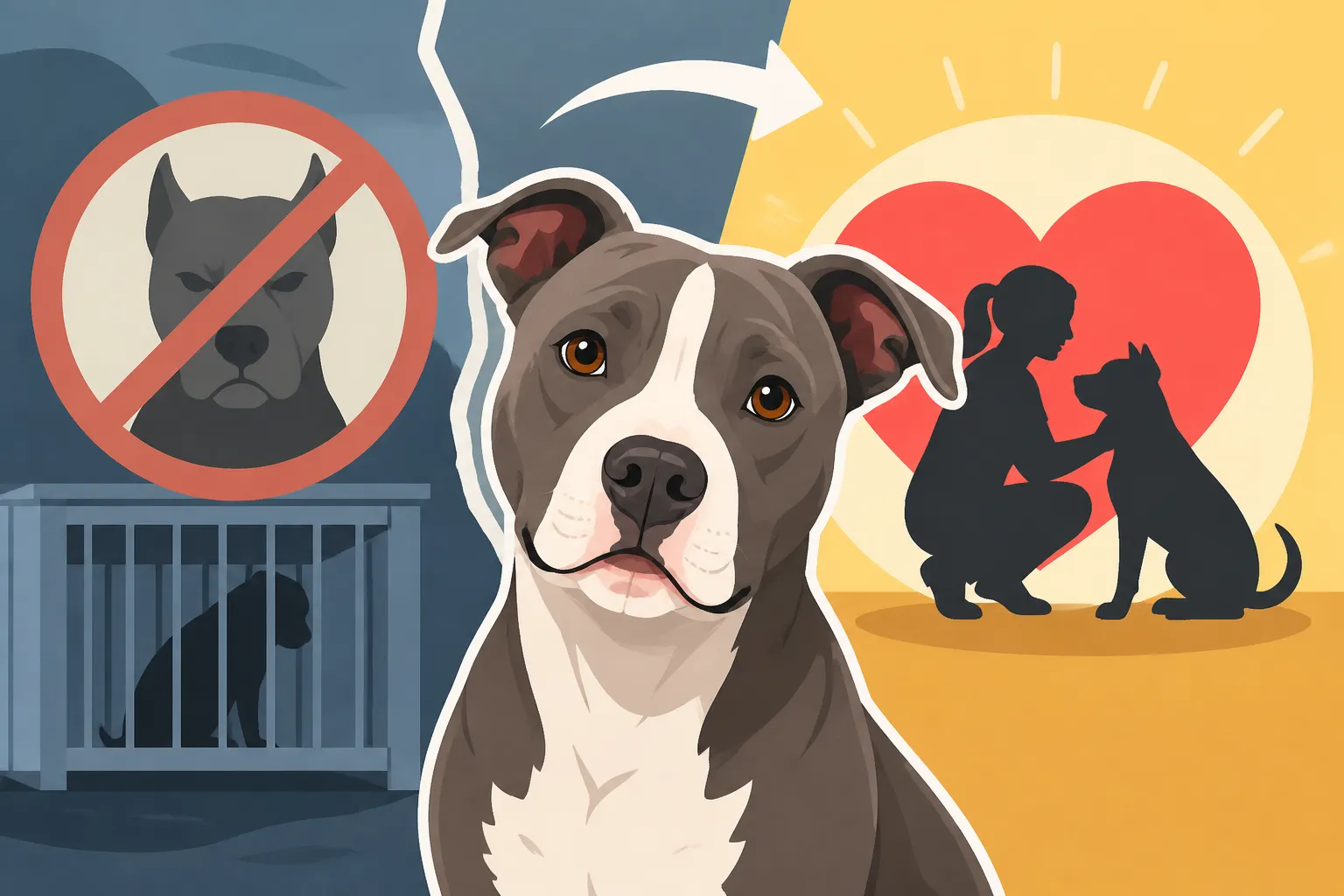
- Increased Adoption Rates: Studies and anecdotal evidence from shelters consistently show that when breed labels are removed or made less prominent, adoption rates for Pit Bull-type dogs tend to increase. Potential adopters are more likely to interact with the dog, learn about its individual personality, and fall in love without the initial prejudice. This is the core argument behind the efforts to improve What Happens When Shelters Drop the Pit Bull Label.
- Focus on Individual Temperament: By downplaying breed, shelters can emphasize what truly matters: the dog's unique behavior, energy level, and suitability for different types of homes. This allows the adopter to make a choice based on a real connection rather than a stereotype.
- Circumventing Breed-Specific Legislation (BSL): While not a perfect solution, removing breed labels can sometimes help dogs bypass BSL or breed restrictions imposed by landlords and insurance companies, opening up more housing options.
- Fairness to the Dog: It's seen as a more humane and accurate way to represent dogs that are often misidentified and unfairly judged.
However, there are also arguments against it or concerns to consider:
- Transparency Concerns: Some argue that shelters should be fully transparent about a dog's suspected breed, especially for liability reasons or if an adopter specifically wants to avoid certain breeds.
- Adopter Readiness: A potential Pit Bull owner, regardless of the label, still needs to be prepared for the realities of owning a powerful, often misunderstood, dog. Removing the label doesn't change the dog's physical characteristics or potential energy levels, which may be more than some first-time owners can handle.
- Impact on Public Education: If shelters stop using the term "Pit Bull," some worry it could hinder efforts to re-educate the public about these dogs and challenge negative stereotypes directly.
Ultimately, the goal is to find loving, safe homes for all dogs. The breed-neutral movement is a testament to shelters' ingenuity in overcoming systemic barriers.
Beyond the Label: What Truly Helps Pit Bull Adoption
While changing or removing breed labels can be a powerful first step, it's certainly not the only factor in successfully adopting Pit Bull-type dogs. A holistic approach that combines careful assessment, robust marketing, and unwavering support for adopters is key.
Thorough Behavior Assessments and Honest Profiles
The absolute best thing any shelter can do for a dog, regardless of its perceived breed, is to conduct a thorough behavior assessment. This means observing the dog in various situations – with different people, other dogs, and in different environments – to understand its true personality, energy levels, and any specific needs or quirks. Once these assessments are complete, creating honest, detailed profiles for each dog is paramount. These profiles should highlight the dog's individual traits: "Lola loves to cuddle on the couch," "Max needs a secure yard for his zoomies," or "Bella prefers to be the only dog in the home." This information is far more valuable to a potential adopter than a breed label. It helps them determine if the dog truly fits their lifestyle. What a Shelter Assesses in a Pit Bull should always prioritize individual behavior over broad breed generalizations.
High-Quality Photography and Engaging Biographies
A picture really is worth a thousand words, especially when it comes to shelter dogs. High-quality, appealing photographs that capture the dog's personality can make a huge difference. Think happy, smiling faces, dogs playing, or snuggling – images that evoke warmth and connection, rather than just a kennel shot. Pair these photos with engaging, descriptive biographies that tell a story. Instead of just listing facts, weave in anecdotes about the dog's funny habits, favorite toys, or how they interact with people. Highlight their potential as a loving family member. Many shelter websites feature these bios prominently, and sites like Chewy also often host adoptable pet listings where these profiles shine. The more you can help an adopter envision this dog as part of their life, the better.
Adopter Support and Education
Bringing a new dog home, especially one that might come with perceived challenges, requires support. Shelters can offer invaluable assistance by providing resources on training, behavior, and integrating the new family member. This might include free training classes, access to behaviorists, or even follow-up calls to check in. Educating potential adopters about responsible dog ownership – covering everything from proper nutrition (which you can easily find on Chewy, from limited ingredient diets to prescription foods) to exercise needs – empowers them to succeed. It also fosters a sense of community and trust between the adopter and the shelter, making them more likely to seek help if challenges arise rather than returning the dog. Emphasizing Pit Bull Temperament and What Testing Shows can help provide factual backing for individual dog profiles, rather than relying on generalized assumptions.
Success Stories and Ongoing Challenges
The shift towards breed-neutral language in shelters is making a tangible difference for many Pit Bull-type dogs, but it's an ongoing journey with its own set of successes and continuous hurdles.
Case Studies in Breed-Neutral Success
Across the country, shelters that have implemented breed-neutral policies report positive outcomes. For example, a shelter in a city with breed-specific housing restrictions might see a significant drop in its length of stay for "bully breed mixes" once they stop labeling them as "Pit Bulls." Adopters who previously wouldn't have considered such a dog due to landlord or insurance issues now feel more comfortable proceeding, sometimes after clarifying with their landlords or insurers that the dog is not specifically a "Pit Bull" by their definition, but a mixed breed. These stories highlight the powerful psychological and practical impact of a simple name change. When people see a "terrier mix" who wags its tail enthusiastically, they are more likely to engage than if they see a "Pit Bull" that they feel pressured to avoid.
Consider the individual dog named "Buddy" who sat in a shelter for eight months labeled as an "American Pit Bull Terrier." He was sweet, loved children, and was great with other dogs, but nobody seemed to look past his kennel card. When the shelter switched to a breed-neutral policy, his card simply read "Medium Mixed Breed Dog." Within two weeks, Buddy was adopted by a family living in a town with no breed bans, whose homeowners insurance had no "named breed" exclusions. They fell in love with his gentle nature, something they might never have discovered if they hadn't stopped at his kennel in the first place.
| Feature | Dogs Labeled "Pit Bull" | Dogs with Breed-Neutral Descriptor |
|---|---|---|
| Initial Impression | Often evokes fear, caution, or negative stereotypes | Generally neutral, allows for individual assessment |
| Adopter Engagement | Lower initial interest, fewer inquiries | Higher initial interest, more interactions with the dog |
| Housing Barriers | High risk of landlord/HOA restrictions | Reduced risk, may allow dogs into more housing |
| Insurance Issues | High risk of policy refusal or increased premiums | Reduced risk, more insurer options available |
| Length of Stay | Typically longer in shelters, higher euthanasia rates | Generally shorter, higher adoption rates |
| Focus of Interaction | On breed stigma and potential "danger" | On individual behavior, personality, and needs |
Continuing Challenges and the Broader Picture
Despite these successes, the breed-neutral movement isn't a silver bullet. The underlying issues of breed discrimination and public perception still persist outside the shelter walls. Adopters might still face challenges from neighbors, or struggle to find pet care providers who don't discriminate. Furthermore, while the label might change in a shelter, some communities still have strict Cities That Still Restrict Pit Bulls through breed-specific legislation that can impact these dogs if their appearance or DNA is later scrutinized. It’s important to remember that changing a label in a shelter doesn't automatically change a law in a city.
The ultimate goal, of course, isn't just to drop labels but to change hearts and minds about these wonderful, often misunderstood dogs. It's about educating the public that every dog is an individual, and that responsible ownership, training, and socialization are far more important than any breed label. This requires ongoing advocacy, education, and consistent demonstration of the positive qualities of Pit Bull-type dogs. While removing the label is a practical strategy that definitely helps more dogs find homes, the deeper work of dispelling myths and promoting responsible pet ownership for all breeds must continue.
Disclaimer
This article is for general informational purposes only and does not constitute professional advice. Laws, prices and regulations vary by location and change over time. Consult a qualified professional for guidance on your specific situation.