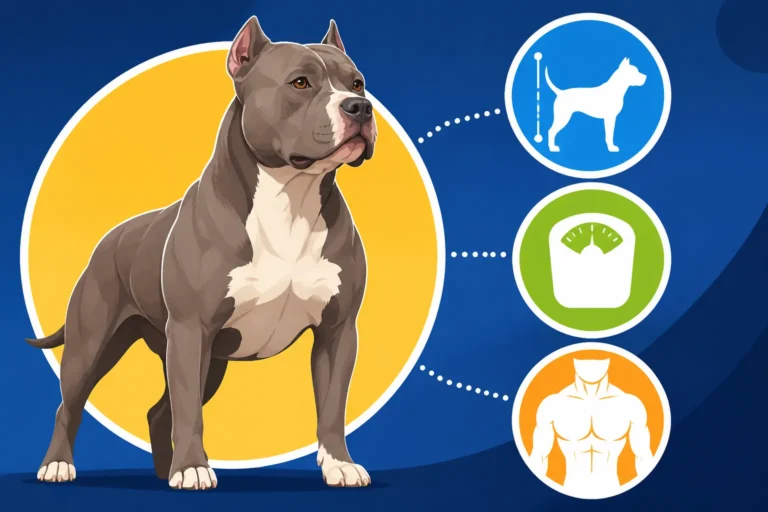
Whether an American Bully Is a Pit Bull
There's a lot of confusion out there when it comes to what makes a "Pit Bull" a "Pit Bull" and how that relates to another dog gaining popularity: the American Bully. Many people use these terms interchangeably, leading to misunderstandings about breed characteristics, legal implications, and even how we care for our beloved companions. This guide aims to clear up that fog, explaining the distinct differences and fascinating connections between the American Bully and the broader "Pit Bull" type.
Understanding the "Pit Bull" Umbrella
When most people say "Pit Bull," they're not actually referring to a single, officially recognized breed. It's more of a descriptive term, a catch-all that encompasses a variety of dogs with similar physical traits and shared ancestry. This can be incredibly frustrating for owners who feel their specific dog is unfairly categorized, and it’s a big part of why there's so much debate around these dogs.
The Historical Context of the Term "Pit Bull"
The origins of the dogs commonly referred to as "Pit Bulls" trace back to 19th-century England, where bulldogs and terriers were crossed to create tenacious, athletic animals. These crosses were originally developed for blood sports like bull-baiting and bear-baiting, and later, for dog-fighting in pits – hence the "pit" in Pit Bull. After these cruel sports were outlawed, these strong, loyal, and often loving dogs made their way to America, where they were often used as farm dogs, catch dogs for livestock, and eventually, family companions.
Over time, several distinct breeds emerged from these early bulldog and terrier crosses. The most commonly recognized breeds under the "Pit Bull" umbrella today are the American Pit Bull Terrier (APBT), the American Staffordshire Terrier (AmStaff), and the Staffordshire Bull Terrier. Each of these has its own specific breed standard, even if they share a common ancestor and many physical similarities. It's a bit like saying "sport utility vehicle" – it covers a range of different makes and models, but they all share certain functional characteristics. This shared ancestry and similar appearance is a major reason why the public often struggles to differentiate between them. For a deeper dive into this historical context, you might find The Bull and Terrier Origin of the Pit Bull really helpful.
Key Characteristics of Traditional Pit Bull Type Dogs
When we talk about traditional Pit Bull type dogs, we're generally describing a medium-sized, powerfully built canine. Think muscular, agile, and often quite athletic. They typically have a broad, strong head, well-defined jaws, and a short, smooth coat. Their energy levels are often high, and they thrive on regular exercise and mental stimulation. These dogs were bred for endurance and a strong drive to complete tasks, sometimes referred to as "game-ness."
Temperament-wise, these dogs are renowned for their loyalty, affection towards their human families, and a zest for life. They can be incredibly eager to please and intelligent, making them highly trainable in the right hands. However, it’s important to acknowledge that their historical breeding for dog-fighting did instill a degree of dog-selectivity or aggression towards other animals in some lines, which is a trait responsible owners must manage carefully. This isn't a blanket statement for every dog, of course, but it's a genetic predisposition that cannot be ignored. Understanding Pit Bull Temperament and What Testing Shows can offer more insights into their behavioral characteristics.
Visually identifying a dog as a "Pit Bull" can be incredibly deceptive. Many mixed-breed dogs, or even other bull-type breeds, can have a similar appearance. Without knowing the dog's pedigree or having a DNA test, a visual identification is often just an educated guess, and sometimes, not even that. This is particularly relevant when it comes to housing or insurance, where a visual assessment can have serious consequences for owners. We’ve explored this challenge further in How Shelters Decide a Dog Is a Pit Bull.
The American Bully: A Separate, Newer Breed
While the American Bully shares ancestors with the Pit Bull type dogs, it's crucial to understand that it has evolved into its own distinct breed with a unique set of characteristics and a different breeding philosophy behind it. This isn't just a slightly different looking Pit Bull; it's a separate entity.
How the American Bully Came to Be
The American Bully is a relatively new breed, developed in the United States starting in the 1990s. Breeders intentionally set out to create a companion dog that maintained the loyal and friendly temperament of the American Pit Bull Terrier but with a more imposing, "bully" physique. To achieve this, various bulldog breeds were introduced into the lineage, resulting in a dog that is typically heavier, more compact, and often more muscular than the traditional Pit Bull types. The focus was less on the athletic prowess or "game" drive of the older Pit Bull lines and more on a heavily muscled, wider, and sometimes shorter stature, paired with a stable, confident, and companionable temperament.
This breeding program aimed to produce a dog with a gentler disposition, making it an ideal family pet. The emphasis was placed heavily on temperament and a specific aesthetic, moving away from the performance aspects that defined the earlier Pit Bull types. The goal was to create a dog that was impressive to look at but utterly devoted and trustworthy in a family setting. This intentional shift in breeding goals truly set the American Bully on its own path, distinguishing it from its ancestors.
Distinctive Traits of the American Bully
One of the most immediate visual differences you'll notice with an American Bully is its overall build. They are typically much stockier and more "bulked up" than a lean, athletic American Pit Bull Terrier. American Bullies often have a much wider chest, a significantly broader head, and a shorter, more pronounced muzzle. Their bone structure is generally heavier, and their muscle mass is often more exaggerated, giving them a truly formidable appearance. This heavier build also tends to make them less agile and less prone to the high-energy, constantly-on-the-go nature seen in many Pit Bull types.
In terms of temperament, American Bullies are generally known for being exceptionally calm, confident, and devoted companions. They are typically less "driven" than some of their Pit Bull cousins, often content to lounge around with their families after a moderate walk. They were specifically bred for a stable, amiable nature, making them excellent family pets, often good with children and other animals when properly socialized. While individual personalities always vary, the breed standard itself emphasizes a calm and confident demeanor. It's also worth noting that American Bullies come in several size varieties, from the "Pocket" Bully to the "XL" Bully, which means their exact physical dimensions can vary quite a bit, but the fundamental "bully" aesthetic remains.
You might be wondering about the various terms you hear, like "blue nose" or "red nose." These are simply color descriptions and don't denote a separate breed or temperament. However, the American Bully often comes in a wider array of coat colors and patterns due to the diverse genetic background. For specific questions about colors, you can explore resources that cover What Blue Nose and Red Nose Mean on a Pit Bull.
Registries, Recognition, and What It All Means
Understanding which breeds are recognized by which organizations is crucial when distinguishing between the Pit Bull type dogs and the American Bully. This formal recognition dictates breed standards, eligibility for dog shows, and often influences public perception and legal categorizations.
Kennel Club Recognition Differences
The breeds typically identified as "Pit Bulls" are recognized by different kennel clubs. The American Pit Bull Terrier (APBT) is recognized by the United Kennel Club (UKC) and the American Dog Breeders Association (ADBA). The UKC developed the first breed standard for the APBT in 1898. The American Staffordshire Terrier (AmStaff), while sharing a common ancestor with the APBT, was recognized by the American Kennel Club (AKC) in 1936. The AKC has a strong focus on conformation showing, and over time, the AmStaff and APBT began to diverge slightly in their breed standards. The Staffordshire Bull Terrier, a smaller cousin, is recognized by both the UKC and the AKC.
The American Bully, on the other hand, is a much newer breed and is primarily recognized by the American Bully Kennel Club (ABKC), which was established in 2004. Other registries, such as the United Canine Association (UCA) and the European Bully Kennel Club (EBKC), also recognize the American Bully. It's important to note that the AKC, the largest and most widely recognized kennel club in the United States, does not recognize the American Bully as a distinct breed. This difference in recognition highlights their separate development paths and distinct breed standards. This distinction is vital for anyone considering acquiring one of these dogs, as it speaks to the lineage, purpose, and accepted physical and temperamental traits of the animal.
Why the Distinction Matters for Owners
For everyday owners, the difference between an American Bully and a Pit Bull type dog can have significant practical implications. Firstly, depending on where you live, breed-specific legislation (BSL) or housing restrictions might apply differently. Some jurisdictions may have broad "Pit Bull" bans or restrictions, which could inadvertently affect an American Bully, even if it's technically a separate breed. Conversely, some areas might have evolved their understanding, and a clear breed identification through a DNA test might help navigate these rules. Knowing your dog's actual breed can be a critical piece of information when dealing with landlords or insurance companies. Why Insurer Pit Bull Lists Differ From Registries offers more on this complex topic.
Beyond legal and housing matters, understanding your dog's breed traits can help you meet its specific needs. A traditional APBT might require more intensive exercise and structured training to manage its inherent drive and energy, whereas an American Bully might be more content with moderate activity and focus more on being a family couch potato. Tailoring exercise, training, and even diet to your dog's specific breed characteristics can lead to a happier, healthier, and better-behaved companion. For instance, considering the broad chests and strong jaws of both types, durable chews and well-fitting harnesses, readily available from online retailers like Chewy, become even more essential for their comfort and safety.
Furthermore, health predispositions can vary. While many bull breeds share some common health concerns, specific lines within American Bullies or APBTs might have particular issues. Being aware of your dog's genetic background can inform your preventative healthcare and help you recognize potential problems early. This proactive approach ensures you're providing the best possible care for your unique canine companion, whether it's an American Bully, an American Pit Bull Terrier, or any other wonderful dog.
Navigating the Confusion for Your Own Dog
With all this information, it's natural to wonder how to figure out what your dog is, especially if you've adopted a rescue. The visual assessment can be misleading, and labels from shelters or previous owners aren't always entirely accurate. Taking proactive steps to understand your dog's true heritage can benefit both of you.
Visual Cues vs. DNA Testing
As we've discussed, relying solely on visual cues to determine if a dog is an American Bully or a Pit Bull type can be a guessing game. Their shared ancestry means many physical traits overlap, and breeders often aim for specific looks within both categories that can blur the lines further. You might see a very stocky Pit Bull or a leaner American Bully, depending on the specific lineage and breeding goals. The terms "Pit Bull" and "Bully" have also become so ingrained in popular culture that many people, including shelter staff, might label a dog based on a general appearance rather than precise breed standards. This is why How Often Shelter Staff Agree on a Pit Bull Label can vary wildly.
If you truly want to know your dog's genetic makeup, DNA testing is the most reliable route. Commercial DNA tests can analyze your dog's genetic markers and identify the breeds present in its lineage, often down to a small percentage. This can be particularly enlightening for rescue dogs whose backgrounds are unknown. A DNA test can confirm if your dog is primarily an American Pit Bull Terrier, an American Staffordshire Terrier, an American Bully, or a mix of several breeds, including these and others. This factual information empowers you to address questions from landlords, insurers, and even curious neighbors with confidence. It also helps you understand specific breed traits that might influence your dog's behavior or health, rather than relying on generalized assumptions. You can dive deeper into this topic by reading Whether a DNA Test Settles the Pit Bull Question.
Practical Implications for Ownership
Knowing your dog's true breed makeup, or at least its dominant breed components, offers practical advantages beyond satisfying curiosity. For one, it allows you to accurately comply with any local breed-specific ordinances or housing policies. Instead of facing uncertainty or potential discrimination based on a visual guess, you have concrete proof of your dog's heritage. This can make a significant difference in securing housing or insurance. You can often present the DNA results to landlords or insurance providers, which may clarify their understanding of your dog and potentially open up more options for you.
Furthermore, this knowledge helps you tailor your care routines more effectively. If your dog is indeed an American Bully, you might focus on joint health given their heavier build and ensure their diet supports their muscled frame without leading to obesity. If you have an American Pit Bull Terrier, you might prioritize high-energy outlets and training for impulse control. Understanding these nuances allows for more personalized care, whether it’s selecting the right type of food, durable toys that can withstand strong jaws (many of which are available on Chewy), or appropriate exercise gear. Ultimately, responsible ownership means understanding your dog as an individual, and a clear picture of its breed background is a powerful tool in that endeavor, fostering a stronger bond and a healthier life for your companion.
Disclaimer
This article is for general informational purposes only and does not constitute professional advice. Laws, prices and regulations vary by location and change over time. Consult a qualified professional for guidance on your specific situation.