Caring for a Pit Bull in Its Second Decade
Senior Pit Bull care strategies help owners manage aging, arthritis, and health changes during their dog’s second decade.
Know what to watch for.
Breed-specific conditions, screening and DNA tests, what surgery actually costs, and the daily habits that stretch a healthy lifespan.

Senior Pit Bull care strategies help owners manage aging, arthritis, and health changes during their dog’s second decade.
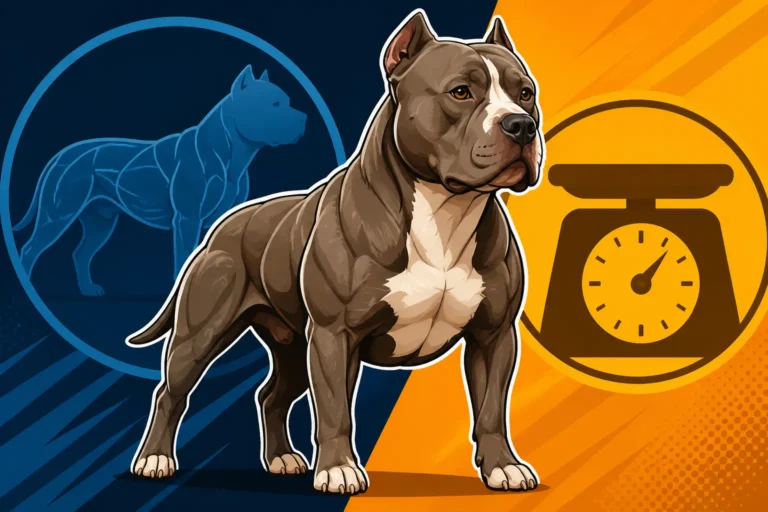
Pit Bull weight and muscle condition assessment methods help owners maintain a healthy working frame and ideal body composition.
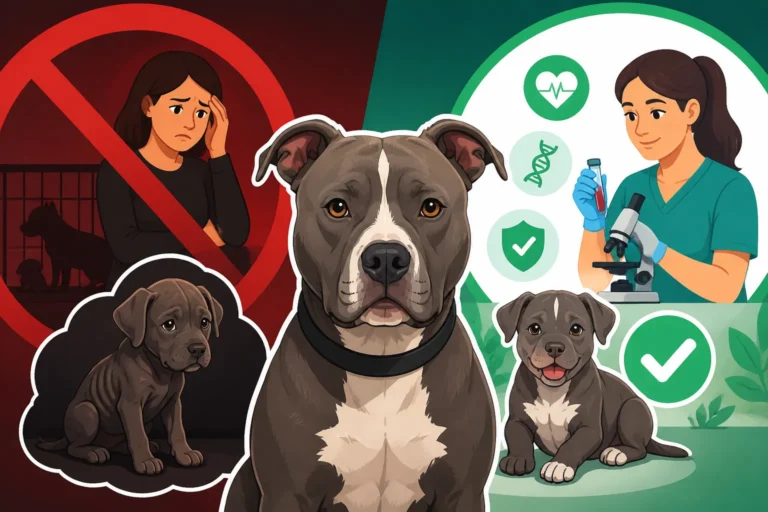
Pit Bull health testing includes OFA hip and elbow clearances and DNA tests for Cerebellar Ataxia to prevent hereditary conditions.
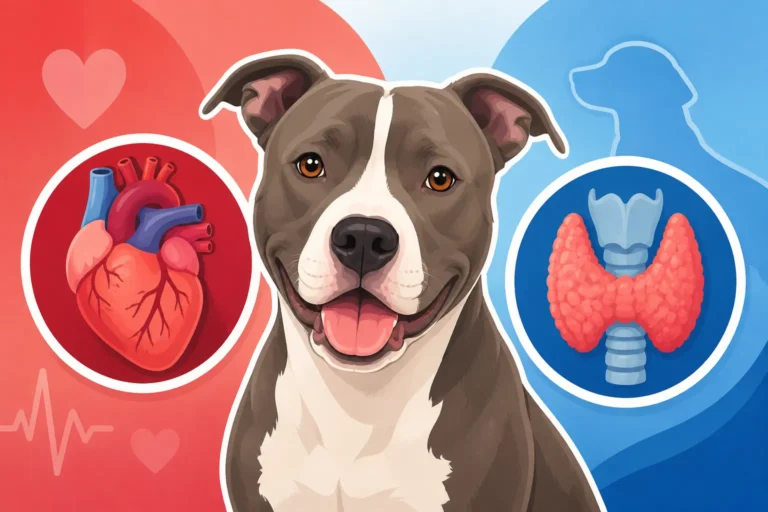
Pit Bull heart and thyroid conditions explain congenital defects, dilated cardiomyopathy, symptoms, and diagnostic paths for affected dogs.
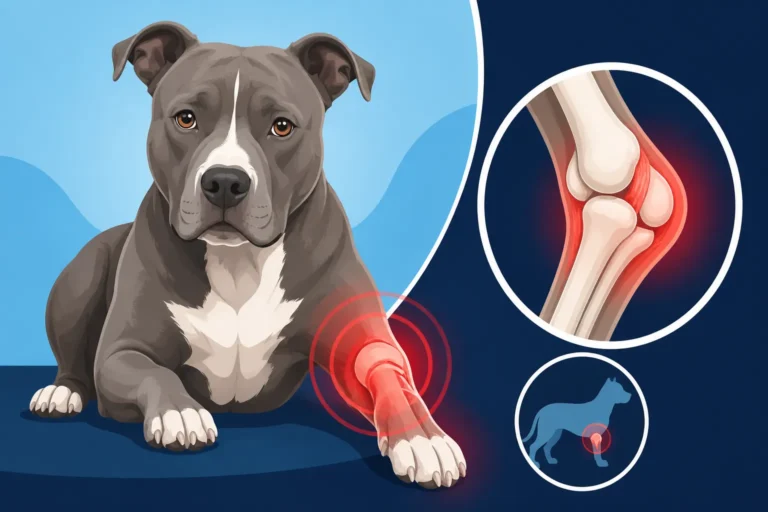
Pit Bull joint injuries and ligament strain stem from heavy muscle mass, high impact activities, and vulnerable growth plates.
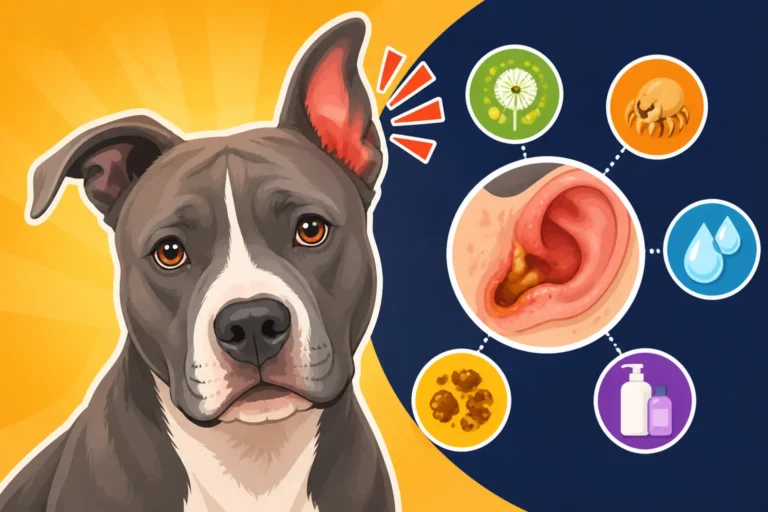
Pit Bull ear infections stem from unique ear canal anatomy, inflammation, and trapped moisture that allow bacteria to thrive.
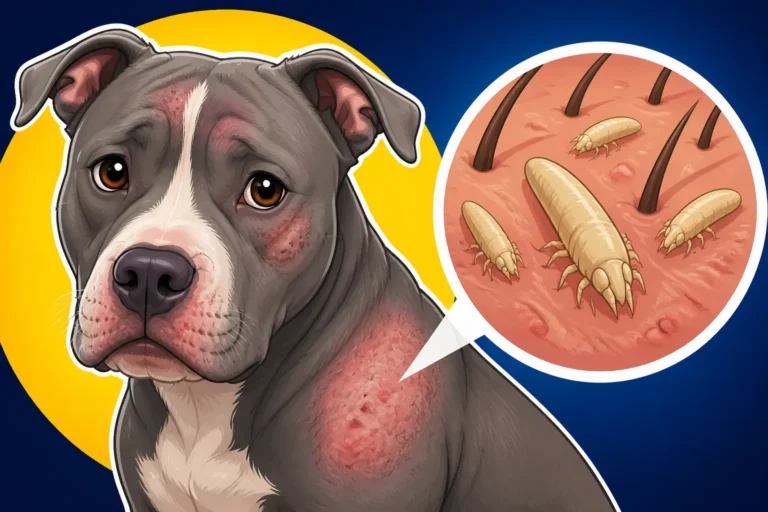
Demodex mange in Pit Bulls explained, detailing localized and generalized forms caused by Demodex canis mite overgrowth.
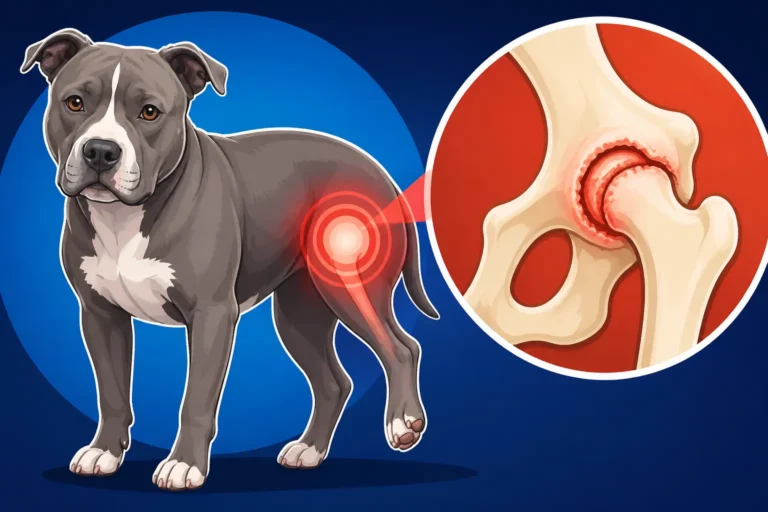
Pit Bull hip dysplasia involves a malformed ball and socket joint causing pain and instability between one and two years.
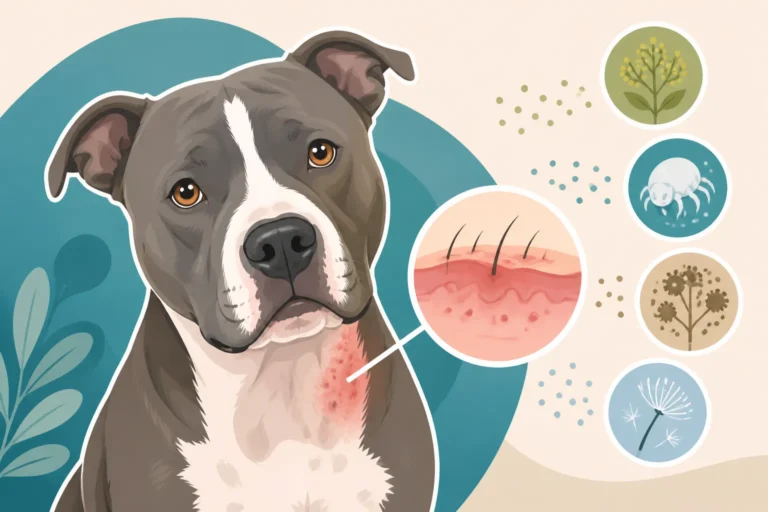
Pit Bull skin allergies and the atopy pattern explain genetic causes, proper diagnosis, and effective treatment options.
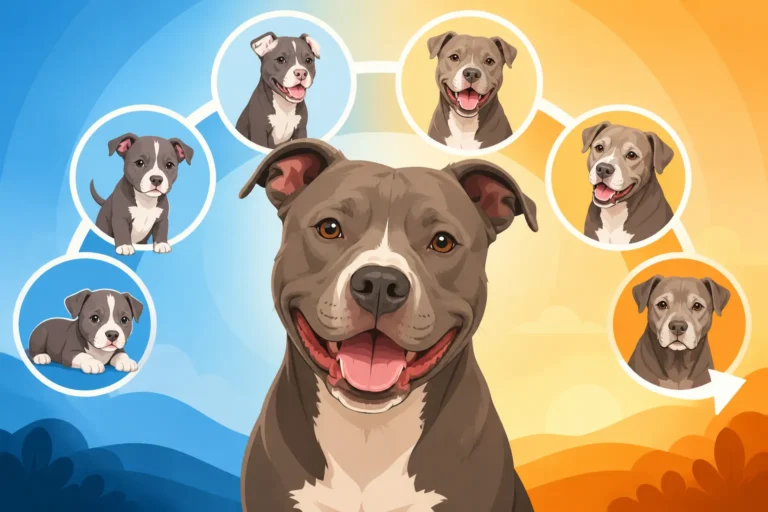
Pit Bull lifespan averages twelve to sixteen years for healthy dogs, varying by specific lineage, genetics, and preventative care.