Pit Bull Lifespan Across Twelve to Sixteen Years
One of the most profound joys of sharing your life with a Pit Bull is watching them grow from a goofy, clumsy puppy into a loyal, steadfast companion. But with that joy comes the natural worry: how long will they be by your side? It's a question that weighs on every owner's heart, especially with a breed that, sadly, often faces undue prejudice. This guide aims to shed light on the factors influencing a Pit Bull's lifespan, offering practical insights and empathetic advice to help your beloved dog live its fullest, healthiest life, hopefully well into their senior years.
Understanding the Pit Bull Lifespan
When we talk about "Pit Bulls," it's important to remember we're usually referring to a type of dog, not a single breed recognized by all kennel clubs. This type typically includes the American Pit Bull Terrier (APBT), American Staffordshire Terrier (AmStaff), and sometimes even the Staffordshire Bull Terrier. Each of these can have slightly different genetic predispositions and average lifespans, but generally, you can expect a healthy Pit Bull to live a good, long life.
Average Expectations for Longevity
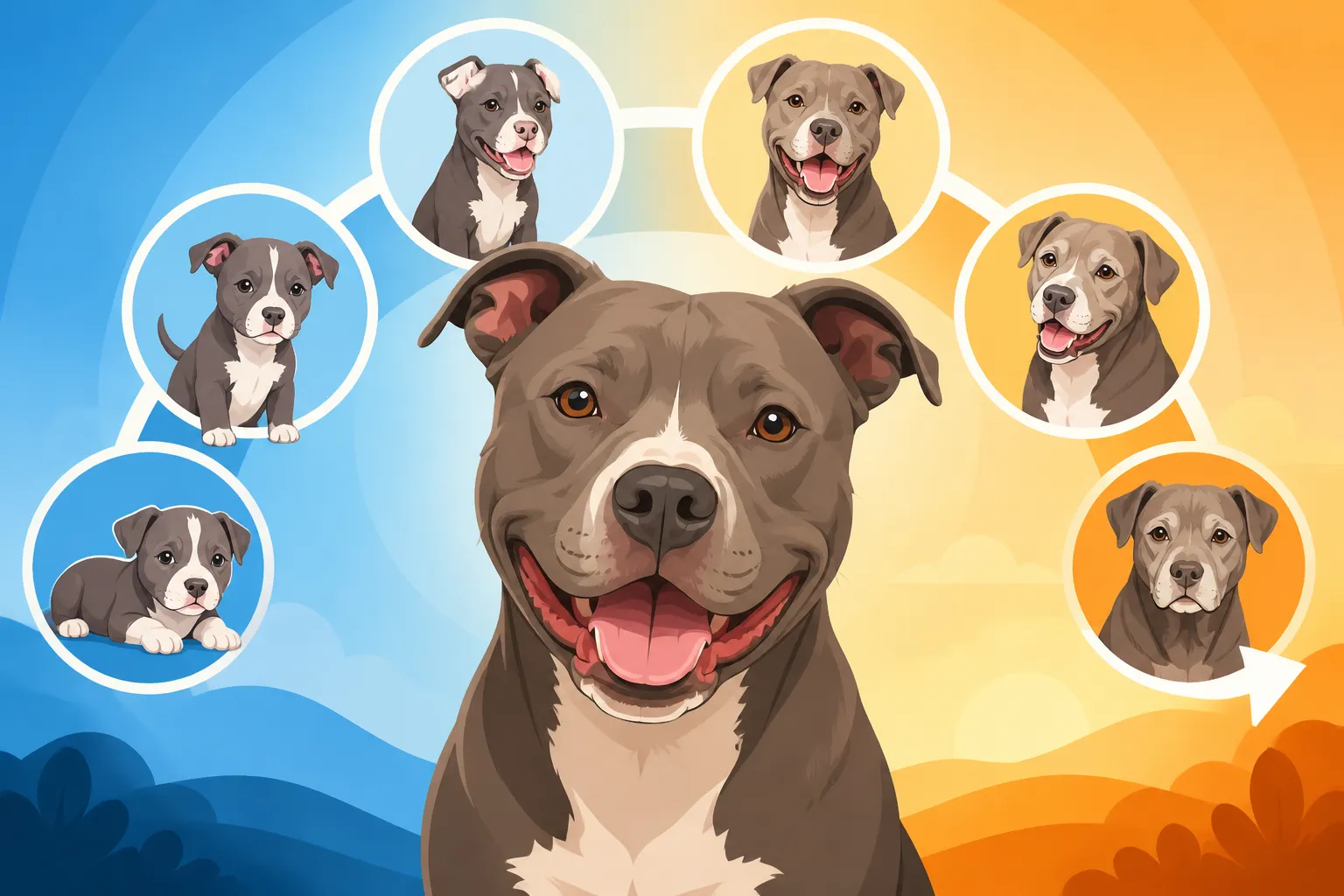
Most Pit Bull-type dogs enjoy a lifespan that ranges from 12 to 16 years. This is a pretty solid run for a medium-to-large sized dog! Of course, this is an average, and there are many individual factors that can push a dog towards the higher or lower end of that spectrum. Just like with people, some dogs are just naturally hardier, while others might face health challenges that shorten their time with us. It’s a statistic that offers comfort but also highlights the importance of providing optimal care throughout their lives.
Think about it: 12 to 16 years is a significant commitment. It means seeing them through their boisterous puppy phase, their strong and active adult years, and eventually, their graceful senior period. Each stage brings its own joys and challenges, and understanding this timeline helps us prepare for the journey ahead, focusing on preventative care and early intervention when issues arise.
Breed Specifics and Their Differences
While they are often grouped under the "Pit Bull" umbrella, the American Pit Bull Terrier, American Staffordshire Terrier, and Staffordshire Bull Terrier do have distinct characteristics and histories. The American Pit Bull Terrier, recognized by the United Kennel Club (UKC), is often considered the original. They tend to be slightly more athletic and can be prone to certain genetic conditions if not responsibly bred.
The American Staffordshire Terrier, recognized by the American Kennel Club (AKC), was bred for a slightly stockier build and often less dog-aggressive traits, though individual temperaments vary greatly. The Staffordshire Bull Terrier, a smaller, more compact dog originating from England, typically has a fantastic temperament with people and, being smaller, sometimes has a slightly different set of common health concerns compared to its larger American cousins. Knowing your dog's specific lineage, if possible, can give you a better idea of what to expect genetically. You might find it useful to read about Whether a Pit Bull Mix Lives Longer as well, as mixed breeds can sometimes inherit a wider genetic pool, potentially enhancing hybrid vigor.
The Role of Genetics and Responsible Breeding
Genetics play an undeniable role in longevity. A well-bred Pit Bull from a reputable breeder who performs thorough health testing on their breeding stock is inherently more likely to have a longer, healthier life. This is why it’s so critical to ask breeders about the health history of their dogs, including parents, grandparents, and any siblings. Responsible breeders will screen for common issues like hip and elbow dysplasia, cardiac conditions, and certain genetic diseases prevalent in the type.
Conversely, dogs from backyard breeders or puppy mills, where health testing is often nonexistent and breeding decisions are based solely on appearance or profit, can unfortunately inherit a host of problems that significantly shorten their lives. These issues can range from severe joint problems to immune deficiencies. If you’re considering bringing a Pit Bull into your home, always make sure to investigate What Testing a Pit Bull Breeder Should Have Done to ensure you're supporting ethical practices that prioritize the dogs' well-being.
The Early Years: Puppyhood and Adolescence
The foundation for a long and healthy life is laid during puppyhood and adolescence. These early years are crucial for proper development, immunity, and establishing habits that will carry your Pit Bull through to their golden years. Neglecting essential care during this time can have lasting impacts, making them more susceptible to illness or injury later on.
Critical Puppy Care, Vaccinations, and Parasite Control
A Pit Bull puppy's first few months are a whirlwind of growth and learning, but also a period of vulnerability. A complete vaccination schedule is paramount to protect them from devastating diseases like canine distemper, parvovirus, and rabies. Parvovirus, especially, can be deadly for puppies, and regular vet visits ensure your pup is getting the necessary shots at the right time. Your vet will guide you through the initial series, often with boosters every few weeks until they are around 16 weeks old.
Beyond vaccinations, consistent parasite control is a must. Puppies are highly susceptible to internal parasites like roundworms and hookworms, and external ones like fleas and ticks. A good parasite prevention plan, often including monthly preventatives, is vital for their health and comfort. This routine care helps build a strong immune system and prevents chronic issues that could emerge later. Investing in comprehensive coverage, perhaps through providers like Healthy Paws, can help manage these crucial early health costs, offering peace of mind.
Growth, Development, and Safe Exercise
Pit Bulls are powerful, athletic dogs, and their muscles and bones develop rapidly during their first year to year and a half. During this critical growth phase, it’s incredibly important to manage their exercise carefully. Over-exercising a growing puppy, especially with high-impact activities like jumping off tall objects, extensive running, or intense agility work, can put undue stress on their developing joints. This can contribute to future problems like Pit Bull Hip Dysplasia Showing at One to Two Years or elbow issues.
Instead, focus on moderate, controlled exercise. Short walks, supervised play sessions on soft surfaces, and mental stimulation are far more beneficial. They need proper nutrition to fuel this growth, but also space and time to rest. Monitoring their weight to ensure they aren't growing too quickly or carrying too much puppy fat is also key.
Spay/Neuter Timing and Its Impact
The decision of when to spay or neuter your Pit Bull can have significant implications for their long-term health and, potentially, their lifespan. Traditionally, many vets recommended spaying or neutering around six months of age. However, more recent research suggests that waiting until a Pit Bull is more fully developed, often between 12 to 24 months, might offer orthopedic benefits. Early spay/neuter can sometimes be linked to an increased risk of certain joint disorders and some cancers, particularly in larger, powerfully built breeds.
Discussing the optimal timing with your veterinarian, considering your dog's individual development, sex, and lifestyle, is crucial. For instance, waiting can mean a female dog goes through one heat cycle, which might not be ideal for all owners, but could be beneficial for her skeletal development. It's a nuanced discussion, and you might want to look into Whether Early Neutering Harms Pit Bull Joints for more detailed information on this topic.
Prime Years: Adulthood and Peak Health
Once your Pit Bull reaches full maturity, typically between one and a half to two years old, they enter their prime. These are the years where their athleticism and robust nature truly shine. Maintaining this peak health requires consistent attention to diet, exercise, and regular veterinary check-ups to catch any issues before they become serious.
Weight Management and Avoiding Obesity
One of the biggest silent threats to a Pit Bull's longevity is obesity. Given their muscular build, it can sometimes be challenging to tell if a Pit Bull is carrying too much weight, as it can hide under a thick layer of muscle. However, excess weight puts immense strain on their joints, heart, and other organs, accelerating the onset of conditions like arthritis and increasing the risk of diabetes and certain cancers. A lean Pit Bull is a healthy Pit Bull.
Regularly assessing your dog's body condition score is vital. You should be able to easily feel their ribs without pressing hard, see a noticeable waist when viewed from above, and an abdominal tuck from the side. If you're struggling to maintain an ideal weight for your Pit Bull, consult your vet about adjusting their diet and exercise routine. This is particularly important for breeds prone to joint issues, as described in Pit Bull Obesity and Joint Strain.
Nutrition for an Adult Pit Bull
Fueling a powerful, athletic Pit Bull requires a high-quality diet tailored to their activity level and life stage. Look for dog foods that list a named meat source (like chicken, beef, or lamb) as the first ingredient and avoid excessive fillers. While grain-free diets became popular, current veterinary advice suggests that unless your dog has a diagnosed grain allergy, grains are not inherently harmful and can provide essential nutrients. In fact, some grain-free diets have been linked to heart conditions, so it's always best to discuss dietary choices with your vet.
Many owners find success with premium kibble brands that offer formulas for active or large breeds, while others prefer fresh food or even carefully balanced raw diets. Whatever you choose, ensure it's nutritionally complete and appropriate for your dog's age and energy needs. Consistent, measured meals rather than free-feeding can help with weight control and digestion.
Regular Veterinary Care and Preventative Measures
Annual (or even semi-annual for older dogs) veterinary check-ups are non-negotiable for ensuring a long and healthy life. These visits aren't just for vaccinations; they allow your vet to perform a thorough physical examination, listen to their heart and lungs, check their teeth, and discuss any changes you might have noticed in their behavior or health. Early detection of issues like a heart murmur, dental disease, or a suspicious lump can make a world of difference in treatment outcomes.
Preventative measures extend beyond vet visits, too. Year-round flea, tick, and heartworm prevention are essential in most regions. These parasites can transmit serious diseases that compromise your Pit Bull's health and shorten their life. Discuss with your vet the best year-round parasite coverage for a Pit Bull in your specific area. Investing in pet insurance, like plans offered by Healthy Paws, can make it easier to afford these preventative measures and any unexpected health issues that might arise.
Common Health Challenges Impacting Lifespan
While Pit Bulls are generally robust dogs, they are susceptible to certain health conditions, some of which are common across many breeds, and others that are more prevalent in their type. Being aware of these and understanding how to manage them proactively can significantly impact their quality of life and longevity.
Joint Issues: Hips, Elbows, and Cruciates
Given their muscular build and athletic nature, Pit Bulls can be prone to various joint problems. Hip dysplasia, a condition where the hip joint doesn't form correctly, is unfortunately common. Symptoms can appear early, often around The First Hip Signs in a Two Year Old Pit Bull, and range from a subtle limp to severe lameness. Similarly, elbow dysplasia can cause front-end lameness. These conditions are often hereditary, highlighting the importance of responsible breeding.
Cruciate ligament tears, similar to an ACL tear in humans, are another frequent orthopedic injury, especially in active, powerful dogs that put a lot of strain on their knees. These injuries often require surgery and extensive rehabilitation. Managing joint issues through weight control, appropriate exercise, joint supplements (like glucosamine and chondroitin), and anti-inflammatory medications can help slow progression and manage pain, giving your Pit Bull a more comfortable life. Early diagnosis and intervention are key, and pet insurance can be invaluable for covering the high costs associated with diagnosing and treating these complex orthopedic problems. You can learn more about managing these in Pit Bull Joint and Ligament Injuries.
Skin Allergies and Ear Infections
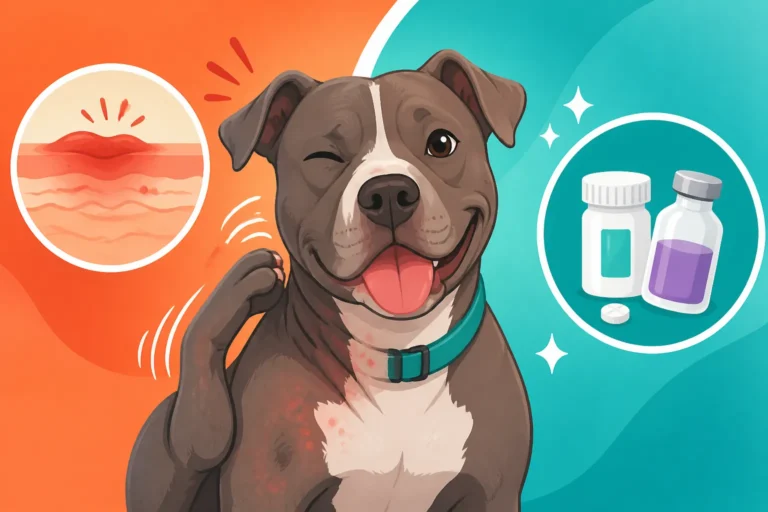
Pit Bulls are notorious for their sensitive skin and propensity for allergies. Environmental allergies (atopy) are particularly common, causing intense itching, redness, and secondary skin infections. This often manifests as paw licking, face rubbing, and belly irritation. What starts as a simple itch can quickly escalate into hot spots or widespread pyoderma, requiring antibiotics and topical treatments. These chronic conditions, while not usually life-threatening on their own, can significantly impact a Pit Bull's comfort and quality of life if not managed well.
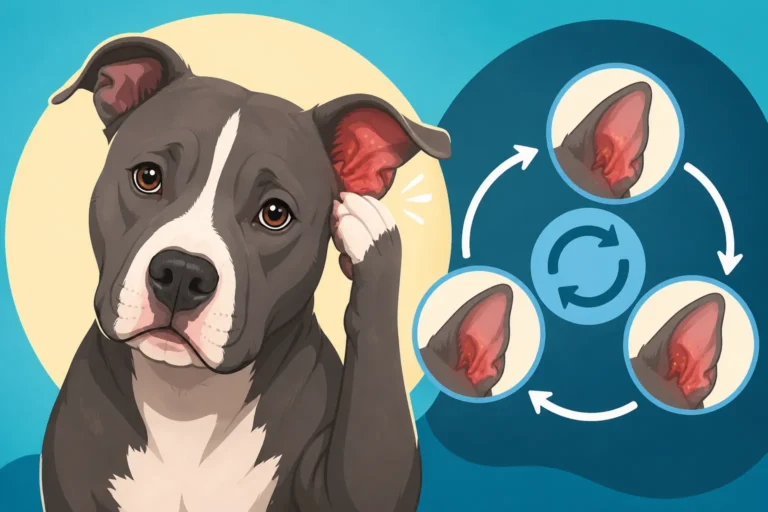
Closely linked to skin allergies are recurrent ear infections. The moist, warm environment of the ear canal, especially in dogs with underlying allergies, creates a perfect breeding ground for yeast and bacteria. Persistent ear infections can be painful, lead to hearing loss, and in severe cases, even require surgery. Consistent cleaning and addressing the root cause of the allergies are crucial. For more details, explore Pit Bull Ear Infections and What Drives Them and Pit Bull Skin Allergies and the Atopy Pattern.
Heart and Thyroid Conditions
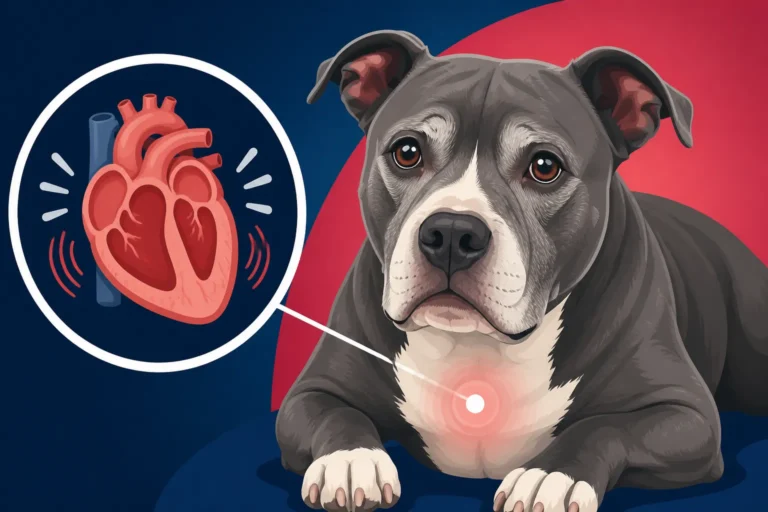
Like many breeds, Pit Bulls can be susceptible to certain heart conditions. Aortic stenosis, a narrowing of the aortic valve, is one such condition that can be seen in younger Pit Bulls and, if severe, can impact their lifespan. Regular vet check-ups should include listening for heart murmurs, which can be an early indicator of cardiac issues. If a murmur is detected, further diagnostics like an echocardiogram might be recommended. Early diagnosis and management with medication can often slow the progression of heart disease.
Hypothyroidism, an underactive thyroid gland, is another condition that can affect Pit Bulls. Symptoms often include weight gain, lethargy, a dull or thinning coat, and skin problems. While not immediately life-threatening, untreated hypothyroidism can lead to a decline in overall health and quality of life. A simple blood test can diagnose it, and daily thyroid hormone replacement medication is usually very effective at managing the condition. This information is vital for understanding Pit Bull Heart and Thyroid Conditions.
Dental Disease and Hard Chewing
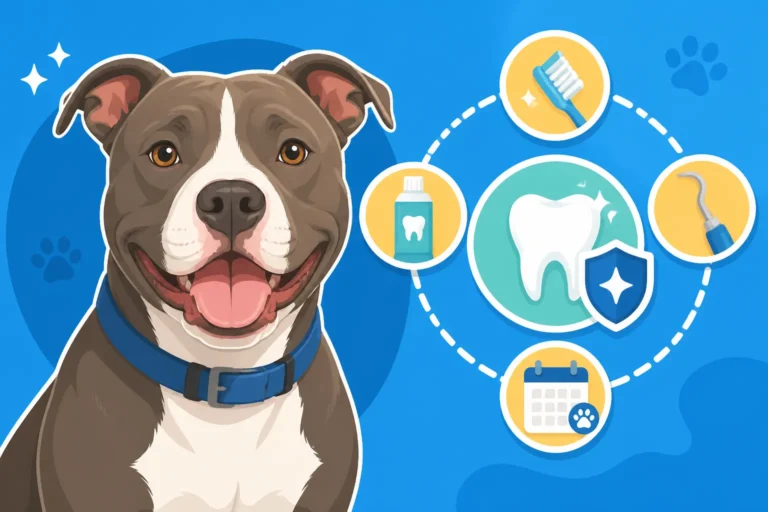
Dental disease is one of the most common, yet often overlooked, health issues in dogs. By the age of three, most dogs show some signs of periodontal disease. For a powerful chewer like a Pit Bull, dental hygiene is particularly important. Tartar buildup can lead to gingivitis, tooth decay, painful abscesses, and even systemic infections when bacteria from the mouth enter the bloodstream, affecting the heart, kidneys, and liver. This can absolutely shorten their lifespan.
Encouraging regular teeth brushing, providing appropriate dental chews (always supervised to avoid broken teeth), and scheduling professional dental cleanings under anesthesia are vital. Many Pit Bulls love to chew on hard items, but this can lead to fractured teeth, which are incredibly painful and often require costly extractions. Being mindful of Pit Bull Dental Disease and Hard Chewing can save your dog from significant pain and prevent further health complications.
The Golden Years: Senior Care and Quality of Life
Watching your energetic Pit Bull slow down can be tough, but their senior years, typically starting around age seven or eight, can be incredibly rewarding. With thoughtful care and attention to their changing needs, you can ensure their golden years are as comfortable, happy, and long as possible.
Recognizing the Signs of Aging
Aging in dogs isn't always a sudden event; it's a gradual process. You might start noticing subtle changes in your Pit Bull around age seven or eight. They might sleep more, be less enthusiastic about walks, or take longer to recover after play. Joint stiffness, especially in the mornings or after naps, is common. You might also observe changes in their vision or hearing, or even cognitive changes like confusion or anxiety.
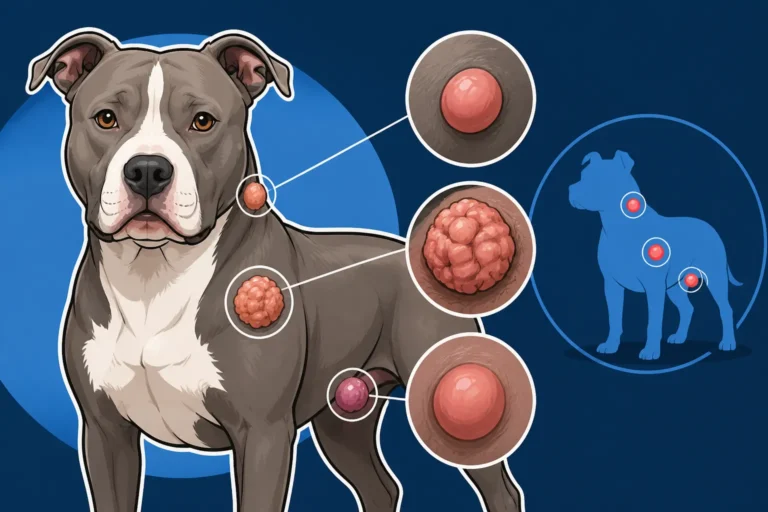
Other signs of aging include changes in appetite, weight fluctuations, increased urination or thirst, and the appearance of new lumps or bumps. It's crucial not to dismiss these as "just old age." Many age-related conditions are treatable or manageable if caught early. Regular senior check-ups, often twice a year, become even more important during this stage, to help with Caring for a Pit Bull in Its Second Decade.
Managing Age-Related Conditions
As Pit Bulls age, they become more susceptible to conditions like arthritis, kidney disease, cognitive dysfunction, and cancer. Arthritis in a Pit Bull at Seven is a common reality that can significantly impact their mobility and comfort. Management often involves a multi-modal approach: anti-inflammatory medications, joint supplements, physical therapy, weight management, and environmental modifications like ramps or orthopedic beds.
Cognitive dysfunction syndrome (CDS), similar to Alzheimer's in humans, can cause disorientation, changes in sleep-wake cycles, altered interactions, and house-soiling. While there's no cure, certain medications and dietary supplements can help manage symptoms and improve quality of life. For conditions like Cancers That Show Up in an Older Pit Bull, early detection through regular vet exams and prompt investigation of any new lumps or unexplained symptoms is paramount for successful treatment.
End-of-Life Planning
This is, without a doubt, the hardest part of pet ownership. Planning for the end of your Pit Bull's life involves making difficult decisions with compassion and courage. It's about prioritizing their comfort and dignity above all else. This might mean deciding when to say goodbye, a decision that can be agonizing but is often an act of profound love.
Thinking about end-of-life care in advance can help ease some of the burden when the time comes. This includes understanding palliative care options, discussing euthanasia procedures, and planning for their final resting place. Resources are available to help you navigate this emotional journey. For many, it truly is The Hardest Call a Pit Bull Owner Makes, but being prepared allows you to focus on your dog's comfort and your shared bond.
| Age Range (Years) | Typical Concerns/Care Focus | Impact on Lifespan |
|---|---|---|
| 0-1.5 (Puppy) | Vaccinations, parasite control, proper nutrition, controlled exercise for joint development, socialization, spay/neuter timing. | Crucial for foundational health. Poor early care can lead to immune deficiencies, joint issues, or behavioral problems that stress the dog, indirectly shortening life. |
| 1.5-7 (Adult) | Weight management, regular vet check-ups, ongoing parasite prevention, dental care, appropriate exercise, addressing allergies/skin issues. | Prime health period. Neglecting weight, dental care, or chronic conditions (e.g., allergies) can lead to serious secondary health issues (heart disease, kidney issues, severe infections). |
| 7+ (Senior) | Bi-annual vet check-ups, arthritis management, cognitive health, cancer screenings, dietary adjustments, mobility support, pain management. | Increased risk of age-related diseases. Proactive management of conditions like arthritis, heart disease, or cancer can significantly extend comfortable lifespan and improve quality of life. |
Environmental and Lifestyle Factors
Beyond genetics and specific health conditions, the daily environment and lifestyle choices you provide for your Pit Bull have a tremendous impact on their overall well-being and, consequently, their lifespan. A stimulating, safe, and loving environment can help mitigate some genetic predispositions and certainly contribute to a happier, healthier existence.
Exercise and Mental Stimulation
Pit Bulls are intelligent, athletic dogs with a strong desire to work and play. Sufficient exercise is critical not just for their physical health but also for their mental and emotional well-being. A lack of exercise can lead to boredom, destructive behaviors, and weight gain, all of which negatively impact health. Daily walks, runs, hikes, or vigorous play sessions are essential. For heavily muscled dogs, building Pit Bull fitness safely is important to prevent injury.
But it’s not just about physical exertion. Mental stimulation is equally important. Puzzle toys, training sessions, scent work, and interactive games keep their minds sharp and prevent boredom. A mentally stimulated dog is less likely to develop stress-related behaviors that can manifest as chronic anxiety, which in itself can have physiological effects on the body. Ensuring they have a challenging and engaging life contributes to their overall vitality.
Safety and Injury Prevention
Accidents happen, but many can be prevented with a conscious effort towards safety. This means ensuring your yard is securely fenced to prevent escapes and potential encounters with vehicles or other animals. Always walking your Pit Bull on a sturdy leash and collar or harness, especially in public, protects them from traffic and helps manage encounters with other dogs or people. Given their strength, a good harness for a pulling Pit Bull is a wise investment.
Keeping hazardous household items, toxic plants, and human foods out of reach is also paramount. Even common items like chocolate, certain artificial sweeteners (xylitol), and some medications can be deadly. A safe home environment and responsible handling in public minimize the risk of accidental injury or poisoning, directly contributing to a longer life free from unnecessary trauma.
Stress and Emotional Well-being
Believe it or not, a dog's emotional well-being plays a huge role in their physical health. Chronic stress, anxiety, or fear can suppress the immune system, making a dog more susceptible to illness. A stable, predictable home environment, consistent routines, and plenty of positive reinforcement are crucial for a Pit Bull's emotional health. They thrive on companionship and being part of the family.
Separation anxiety, if left unaddressed, can cause significant stress for both the dog and the owner, potentially leading to destructive behaviors and physical symptoms like gastrointestinal upset. Early socialization, positive training experiences, and a strong bond with their human family help build resilience and confidence. A happy, well-adjusted Pit Bull is more likely to navigate life's challenges with better overall health.
How Owners Influence Lifespan
Ultimately, you, as their owner, are the single most influential factor in your Pit Bull's lifespan. Every decision you make, from the food you provide to the veterinary care you seek, directly impacts their health trajectory. It’s a huge responsibility, but also an incredible privilege.
Financial Preparedness for Healthcare Costs
One of the most significant challenges in extending a Pit Bull's lifespan is the financial commitment involved in quality veterinary care. Healthcare costs, especially for chronic conditions or emergency surgeries, can be astronomical. From managing Pit Bull Allergy Treatment as a Recurring Bill to unexpected trauma or the costs of senior care, these expenses can quickly add up.
Being financially prepared, whether through a dedicated savings fund, credit lines, or robust pet insurance, is essential. Pet insurance, such as Healthy Paws, can be a literal lifesaver, allowing you to make treatment decisions based on your dog's needs rather than solely on your wallet. Having that safety net means you won't have to compromise on vital care, potentially extending their life and certainly improving their quality of it.
Advocacy and Education
Pit Bulls often face unfair stereotypes and breed-specific legislation that can limit their access to housing, insurance, and even public spaces. As an owner, you become their most important advocate. Educating yourself and others about the true nature of Pit Bulls, their individual temperaments, and promoting responsible ownership can help change perceptions.
This advocacy isn't just about public relations; it can directly impact your dog's life. Navigating housing restrictions, finding pet-friendly communities, and dealing with potentially biased perceptions means you have to be prepared to speak up for your dog. For instance, sometimes showing an insurer a Pit Bull's training record can influence policy decisions. A dog that is well-trained and well-loved, with an owner who champions them, will have fewer external stressors impacting their life.
The Undeniable Power of Love and Companionship
Perhaps the most intangible, yet profoundly impactful, contribution you can make to your Pit Bull's lifespan is simply your love and companionship. Dogs thrive on connection and purpose. A dog that feels loved, secure, and valued is often a happier and healthier dog. The bond you share provides emotional support that can even influence their physiological responses to stress and illness.
Spending quality time together, whether it’s through training, play, cuddles on the couch, or just quiet companionship, strengthens this bond. These moments create a positive feedback loop that benefits both you and your Pit Bull. They are not just pets; they are family members, and their health and happiness are intricately tied to the care and affection they receive from you every single day.
Disclaimer
The information provided in this article is for general informational purposes only and is not a substitute for professional veterinary advice. Always consult with a qualified veterinarian for any health concerns or before making any decisions related to your pet's health or treatment.