Which Tumors Turn Up Most on a Pit Bull
Common Pit Bull tumors and growths, including lipomas, cysts, warts, and abscesses, explained with identification and veterinary care tips.
Know what to watch for.
Breed-specific conditions, screening and DNA tests, what surgery actually costs, and the daily habits that stretch a healthy lifespan.
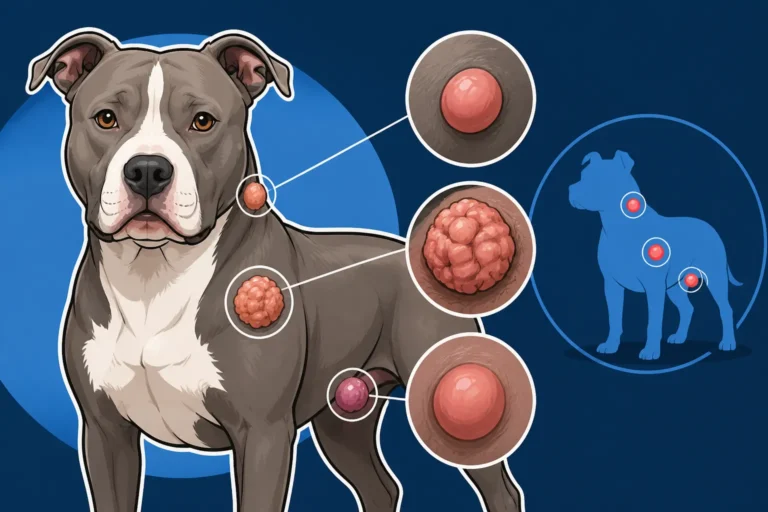
Common Pit Bull tumors and growths, including lipomas, cysts, warts, and abscesses, explained with identification and veterinary care tips.
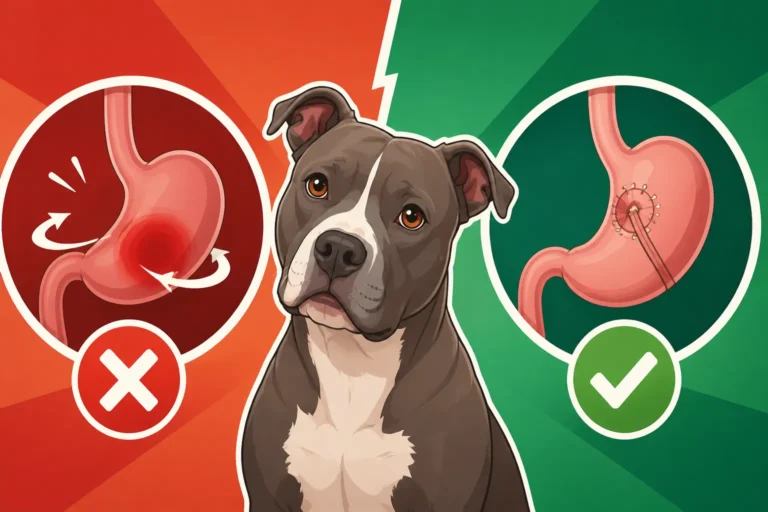
Prophylactic gastropexy for deep-chested Pit Bulls attaches the stomach to the abdominal wall to prevent fatal twisting.
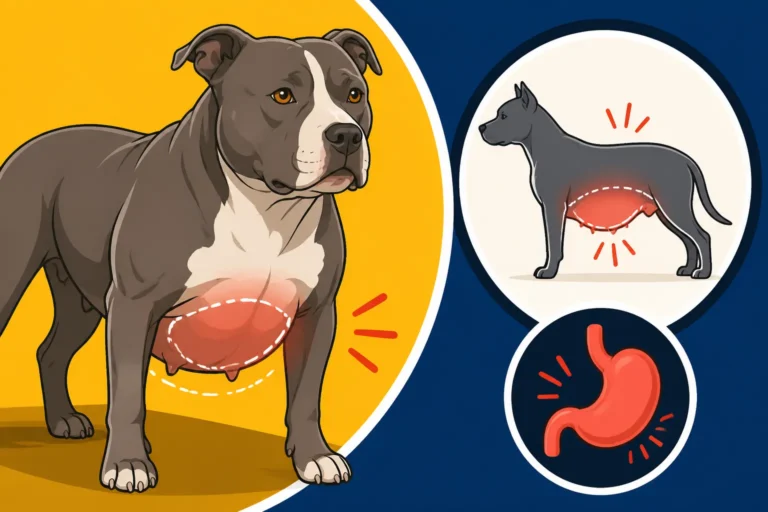
Gastric Dilatation-Volvulus in deep-chested Pit Bulls causes stomach twisting, cutting blood supply and creating a veterinary emergency.
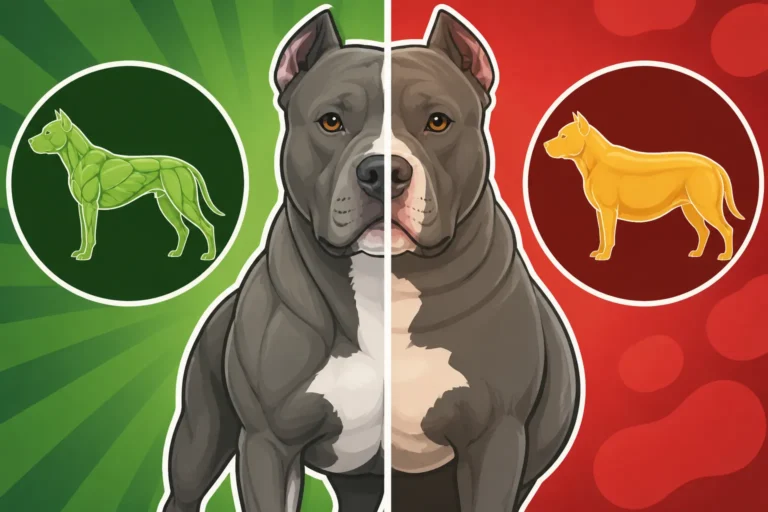
Pit Bull body condition scoring explains how owners use tactile checks and rib feel to distinguish healthy muscle from hidden fat.
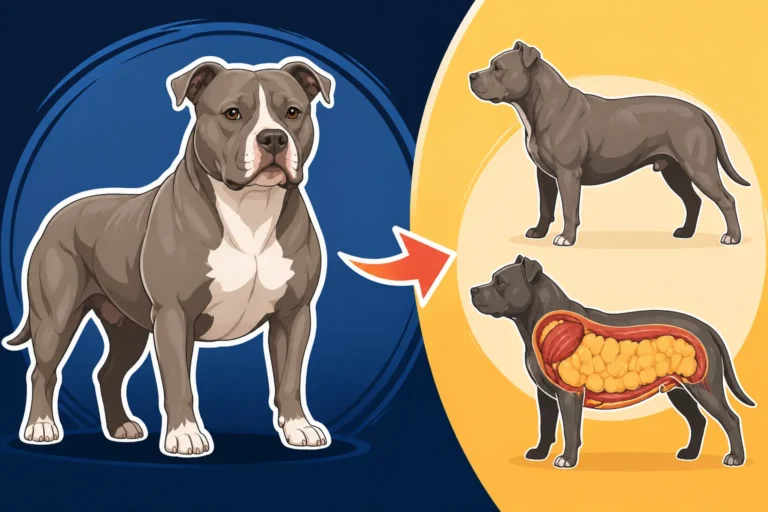
Pit Bull muscle camouflages excess weight, so owners must use the Body Condition Score to feel the ribs and spine for fat.
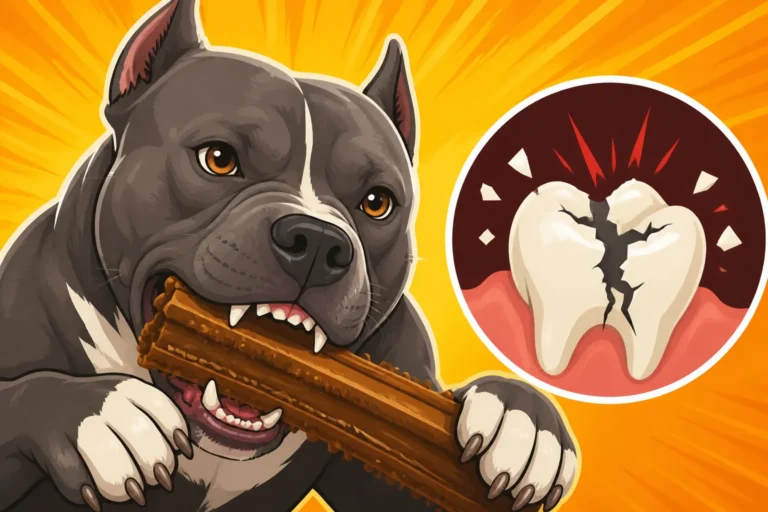
Pit Bull dental injuries and cracked molars happen from hard chews, explaining how to identify dangerous items and prevent tooth damage.

Pit Bull dental cleaning schedules prevent painful plaque buildup, severe gum inflammation, and dangerous organ infections.
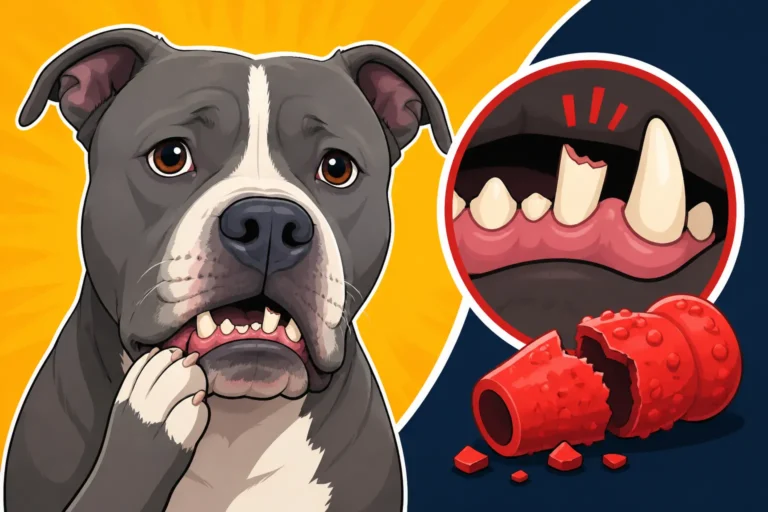
Pit Bull broken teeth caused by hard chewing require veterinary care, symptom recognition, and prevention strategies to stop pain.
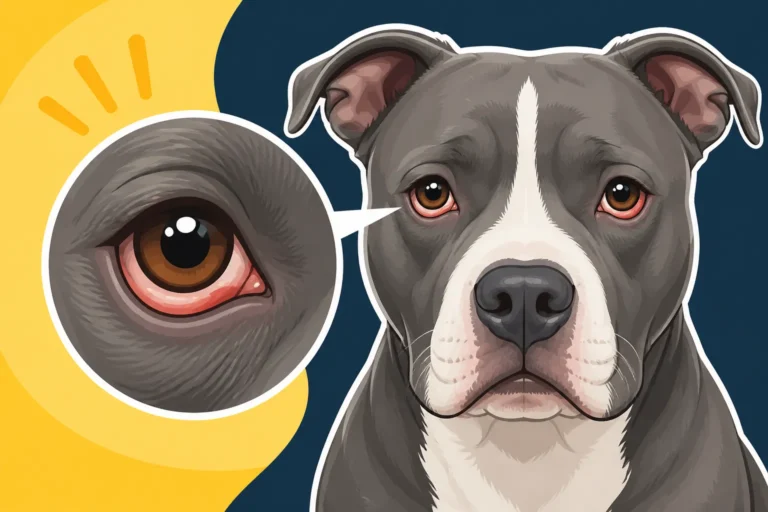
Entropion in Pit Bulls causes inward eyelid rolling and painful corneal chafing, requiring early signs identification and treatment navigation.

Cherry eye in Pit Bulls occurs when the third eyelid gland prolapses, causing a red mass that needs prompt veterinary care.