Whether a Gastropexy Is Worth It for a Pit Bull
The worry of a sudden, life-threatening emergency can weigh heavily on any dog owner, and for those of us with Pit Bulls, the specter of bloat, or Gastric Dilatation-Volvulus (GDV), is a particularly terrifying thought. It's a condition that strikes quickly and can be fatal, leaving pet parents scrambling for answers and effective preventative measures. This guide aims to shed light on a significant preventative option: gastropexy, and help you understand whether this surgical procedure is a worthwhile investment for the health and peace of mind surrounding your beloved Pit Bull.
Understanding the Threat of Bloat in Pit Bulls
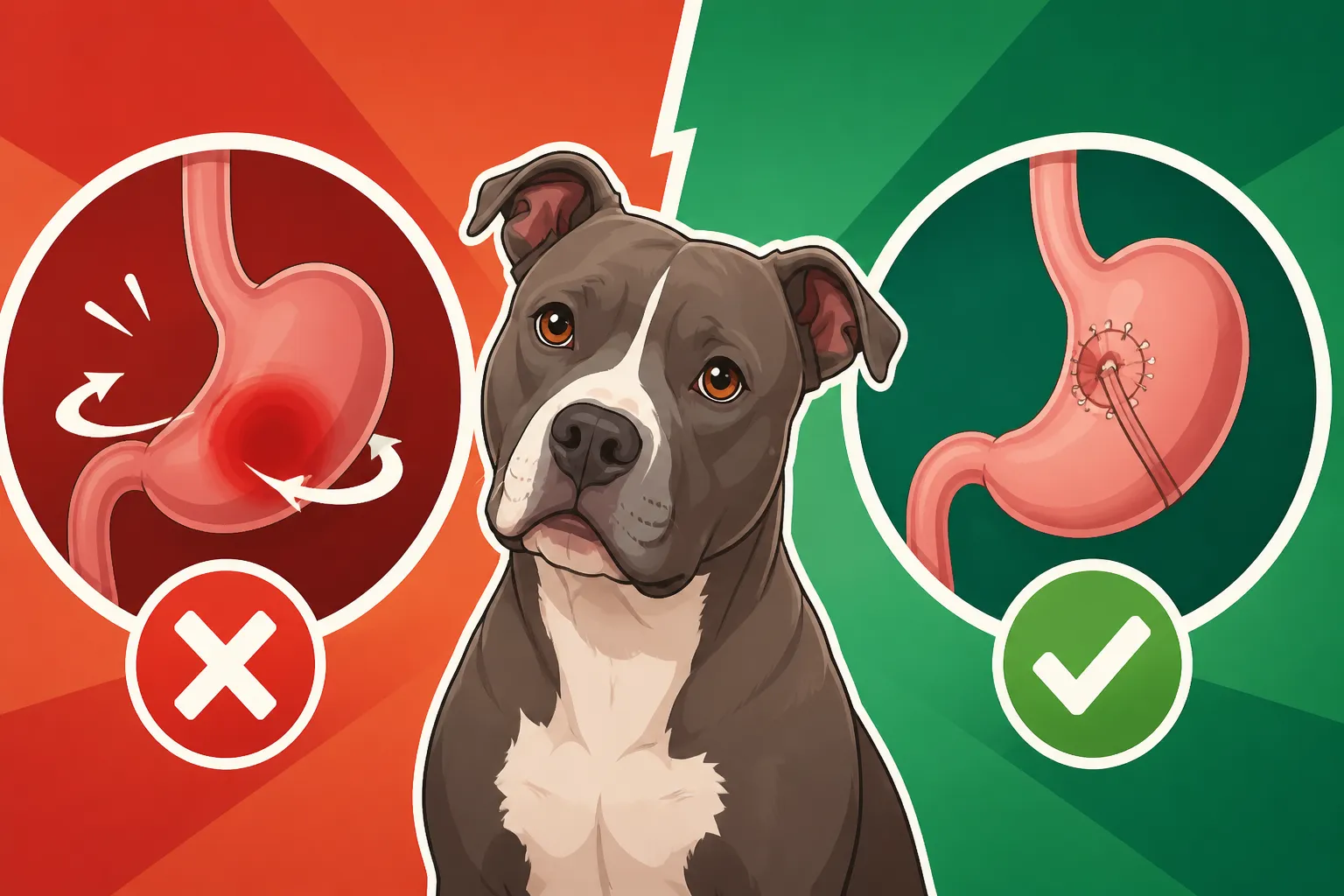
Bloat, or Gastric Dilatation-Volvulus (GDV), is a medical emergency where a dog's stomach fills with gas, food, or fluid (dilatation) and then twists (volvulus). This twisting cuts off blood supply to the stomach and often the spleen, leading to rapid tissue death, shock, and, without immediate intervention, death. It's truly one of the most frightening things a dog owner can face because of its sudden onset and severe consequences.
Why Deep-Chested Dogs Are at Higher Risk
You might have heard that GDV is more common in large, deep-chested breeds, and unfortunately, our Pit Bulls, with their strong, muscular builds and often deeper chests, do fall into this category. The exact reasons aren't fully understood, but it's believed that the anatomical structure of a deep, narrow chest allows the stomach more room to swing and twist when it becomes distended. Breeds like Great Danes, German Shepherds, and Boxers are frequently cited, but Pit Bulls, especially those with more pronounced chest conformations, also carry a notable risk. Factors like eating too quickly, eating one large meal a day, excessive exercise after eating, stress, and even genetics can all contribute to an increased risk. It’s critical to be aware of the signs. If you see your Pit Bull trying to vomit but nothing comes up, pacing frantically, salivating excessively, or showing a distended abdomen, especially in the area behind the ribs, you need to get to an emergency vet immediately. Recognizing Bloat in a Deep-Chested Pit Bull is not just helpful, it's potentially life-saving.
The Urgency of Emergency Bloat Surgery
When GDV strikes, time is of the essence. There is no waiting game; it's a race against the clock. Emergency surgery is required to untwist the stomach, assess any damage to the stomach or spleen, and, if the dog survives the initial crisis, often perform a gastropexy to prevent future occurrences. The cost of this emergency surgery can be staggering, often ranging from several thousand dollars, and even with successful surgery, the prognosis can be guarded due to the severity of the condition and potential complications. Many owners find themselves facing an unexpected and massive bill, wondering, "What Emergency Bloat Surgery Costs a Pit Bull Owner," while simultaneously battling for their dog's life. This financial strain, combined with the emotional toll, highlights why prevention is such a compelling option.
Understanding Prophylactic Gastropexy
A gastropexy is a surgical procedure that permanently attaches a dog's stomach to the abdominal wall. The goal is to prevent the stomach from twisting in the event of bloat. While it doesn't prevent the stomach from dilating (filling with gas), it does prevent the deadly volvulus (twisting), which is the most dangerous aspect of GDV.
How the Procedure Works
There are a few ways a gastropexy can be performed:
Open Abdominal Gastropexy
This is the traditional method, requiring a larger incision in the abdomen. During this procedure, the surgeon directly accesses the stomach and sutures a section of it to the inside of the abdominal wall. It's a very effective method and is often performed if a dog is already undergoing another abdominal surgery, like a spay or neuter. The recovery time might be a bit longer due to the larger incision, and owners will need to closely monitor the incision site for signs of infection or discomfort. Your vet will provide clear instructions on post-operative care, including pain management and activity restrictions.
Laparoscopic (Minimally Invasive) Gastropexy
In recent years, laparoscopic techniques have become more common, especially for prophylactic gastropexy. This involves making a few small incisions through which a camera and surgical instruments are inserted. The stomach is then tacked to the abdominal wall using specialized equipment. The advantages of a laparoscopic procedure often include less pain, smaller incisions, and a faster recovery time compared to open surgery. This can be a huge relief for both the dog and the owner, as a quicker return to normal activity is always desirable. However, not all veterinary clinics are equipped to perform laparoscopic surgery, and it may sometimes be more expensive than the open method.
Regardless of the method, the underlying principle is the same: to create a permanent adhesion that holds the stomach in place. This means that while a dog could still experience a "simple bloat" (gas accumulation without twisting), the life-threatening gastric volvulus is largely prevented.
Ideal Timing for a Prophylactic Gastropexy
Many vets recommend performing a prophylactic gastropexy at the same time as another planned surgery, such as a spay or neuter. This reduces the number of times your dog needs to go under anesthesia, combining recovery periods. This is often the most cost-effective approach too, as your Pit Bull is already in surgery. If you're considering When to Neuter a Pit Bull Without Costing Joints, it might be the perfect opportunity to discuss a gastropexy with your vet simultaneously. For Pit Bulls already spayed or neutered, the procedure can be performed electively as a standalone surgery, and many owners choose to do this for peace of mind, especially if their dog is in a higher-risk category. The age at which it's done can vary, but generally, it's advised before an episode of bloat occurs, often when the dog is still relatively young and healthy.
Weighing the Pros and Cons for Your Pit Bull
Deciding whether to proceed with a gastropexy for your Pit Bull is a deeply personal choice that involves weighing potential benefits against risks and costs. There's no one-size-fits-all answer, but understanding the various factors can help you make an informed decision that's best for your family and your furry companion.
The Benefits: Peace of Mind and Prevention
The most significant benefit of a prophylactic gastropexy is the massive reduction in the risk of Gastric Volvulus. While it doesn't prevent dilatation (the stomach filling with gas), it effectively prevents the stomach from twisting, which is the truly deadly part of bloat. This means that if your Pit Bull were to experience bloat, it would be a less severe, non-life-threatening event, allowing you more time to get veterinary care without the immediate panic of a twisted stomach. For owners who constantly worry about bloat, especially if they have a deep-chested Pit Bull or one with family history of GDV, this procedure offers invaluable peace of mind. It allows you to breathe a little easier knowing you've taken a proactive step to protect your dog from a terrifying emergency.
Furthermore, avoiding an emergency bloat surgery means avoiding the intense stress, high costs, and potentially guarded prognosis associated with it. Instead of a frantic, middle-of-the-night dash to an emergency clinic, potentially facing thousands in bills, you've invested in a preventative measure. This proactive approach ensures your Pit Bull has a better chance at a long, healthy life, free from the immediate threat of GDV.
The Costs: Financial Investment and Recovery
Of course, any surgery comes with a cost. The price of a prophylactic gastropexy can vary widely depending on your location, the veterinary clinic, the surgeon's experience, and whether it's performed as an open or laparoscopic procedure, or combined with another surgery like a spay/neuter. Generally, you can expect the cost to range from a few hundred dollars to over a thousand. While this is a significant upfront expense, it's usually considerably less than the cost of emergency bloat surgery, which can easily run into the multiple thousands, not to mention the potential for follow-up care for complications.
Beyond the initial surgery fee, you'll need to factor in post-operative care. This includes pain medication, potentially antibiotics, and restricting your Pit Bull's activity during the recovery period. This means no strenuous exercise, jumping, or rough play for several weeks. You'll need to keep a close eye on the incision site to prevent infection and ensure proper healing. A Pit Bull's strong, muscular build means they might try to push boundaries, so strict adherence to recovery protocols is vital. Ensuring your dog rests adequately and doesn't stress the incision is paramount.
It's also worth investigating your pet insurance policy. Companies like Healthy Paws often cover emergency medical procedures, but elective prophylactic surgeries might have different coverage terms. It's always a good idea to contact your provider, such as Healthy Paws, beforehand to understand what is and isn't covered regarding gastropexy.
Potential Risks and Complications
Like any surgical procedure, gastropexy carries some risks, although generally, it's considered a safe procedure. Anesthesia always presents a risk, especially for a heavily muscled dog like a Pit Bull. Your vet will conduct pre-surgical blood work and a thorough examination to assess your dog's health and minimize these risks. You can read more about Anesthesia and Muscle Mass in a Pit Bull to understand the considerations.
Post-operative complications can include infection at the incision site, seroma formation (fluid accumulation), or, rarely, the gastropexy failing or tearing. Adherence to post-op care instructions, including limiting activity and administering medications, is crucial for minimizing these risks. In very rare cases, chronic discomfort or digestive issues could arise, although these are uncommon. It's important to discuss all potential risks with your veterinarian to have a complete picture.
Making the Decision: What to Consider
Deciding on a gastropexy is a significant step, and it's one that should be made thoughtfully, in consultation with your veterinarian. There are several factors unique to your Pit Bull and your circumstances that will influence the best choice for you.
Your Pit Bull's Individual Risk Factors
Not all Pit Bulls have the same risk profile for bloat. While the breed, in general, has a deeper chest, individual dogs can vary. Consider these points:
- Family History: Does your Pit Bull have any relatives who have experienced bloat? Genetics play a role, so a history of GDV in the lineage increases the risk.
- Eating Habits: Does your Pit Bull gobble food quickly? Eating too fast, especially large meals, can increase the risk of bloat. Using slow feeder bowls can help, but it doesn't eliminate the risk entirely. If your Pit Bull is known for A Pit Bull That Refuses Food for a Day or is generally a picky eater, their eating patterns might still contribute.
- Temperament and Stress: Highly anxious or stressed dogs may have a higher risk. Does your Pit Bull experience significant stress regularly?
- Age and Health: Younger, healthy dogs typically handle surgery and recovery better. If your Pit Bull has other underlying health conditions, these will need to be carefully considered by your vet before any elective surgery.
Discussing With Your Veterinarian
Your veterinarian is your best resource for personalized advice. They can assess your Pit Bull's overall health, discuss their specific conformation, and evaluate their individual risk factors. Don't hesitate to ask every question you have, no matter how small.
- Risk Assessment: Ask your vet for their professional opinion on your Pit Bull's specific risk of GDV.
- Procedure Details: Get a clear explanation of the surgical method they recommend (open vs. laparoscopic), what it entails, and what the recovery period will look like.
- Cost Breakdown: Request a detailed estimate of all costs involved, including pre-surgical blood work, anesthesia, the surgery itself, medications, and follow-up visits.
- Alternatives: While gastropexy is the most effective surgical prevention, discuss any non-surgical management strategies that can help reduce bloat risk, such as feeding multiple small meals, using slow feeders, and avoiding exercise immediately after eating.
- Insurance Coverage: Confirm with your vet if they have any insights regarding insurance coverage, in addition to checking directly with your provider like Healthy Paws.
Quality of Life and Long-Term Considerations
Ultimately, the decision boils down to enhancing your Pit Bull's quality of life and ensuring their long-term well-being. Preventing a life-threatening emergency can add years of happy, healthy life to your dog. For many owners, the peace of mind alone is worth the investment. Think about your lifestyle: are you able to manage emergency vet visits effectively, or would preventing such an emergency significantly reduce your stress and the potential trauma to your dog?
When you consider the full lifespan of your Pit Bull, which can span The Twelve to Sixteen Years a Pit Bull Gets, investing in preventative care early on can pay dividends in terms of avoiding costly, traumatic emergencies down the line. It's about proactive care, giving your loyal companion the best chance at a full and vibrant life.
| Feature | Prophylactic Gastropexy (Elective) | Emergency Gastropexy (During GDV) |
|---|---|---|
| Purpose | Prevents stomach twisting (volvulus) in future bloat. | Corrects existing stomach twist, then prevents future. |
| Timing | Planned, often with spay/neuter or as standalone. | Immediate, critical, emergency situation. |
| Cost | Typically lower (hundreds to low thousands). | Significantly higher (thousands, often multiple). |
| Risk to Dog | Lower, dog is healthy, stable under anesthesia. | Higher, dog is in shock, critical, unstable. |
| Recovery | Generally smoother, dog is not recovering from GDV crisis. | More complex, dog recovering from life-threatening event. |
| Peace of Mind | High, greatly reduces GDV mortality risk. | Low, comes after a terrifying, life-threatening event. |
| Anesthesia Risk | Present, but typically lower due to patient stability. | Elevated due to patient's critical condition. |
| Insurance Coverage | May vary (check policy like Healthy Paws for elective). | Generally covered for emergency procedures. |
Disclaimer
The information provided in this article is for general informational purposes only and does not constitute veterinary medical advice. Always consult with a qualified veterinarian for any health concerns or before making any decisions about your Pit Bull's medical care or treatment.