Which Tumors Turn Up Most on a Pit Bull
Finding a new lump or bump on your beloved Pit Bull can send a wave of panic through even the most seasoned dog owner. It’s a gut-wrenching feeling, wondering if it’s just a harmless fatty deposit or something far more serious. This guide is here to walk you through the most common types of tumors and growths that Pit Bulls can develop, helping you understand what to look for and, most importantly, when it's time to call the vet.
Understanding Lumps and Bumps: Not All Are Tumors
Let's take a deep breath together because not every bump you find on your Pit Bull is a malignant tumor. Many are benign, meaning they aren't cancerous and won't spread. Knowing the difference, or at least knowing when to suspect something might be innocent, can save you a lot of sleepless nights. It’s completely normal to feel worried, but a calm, informed approach is always best.
Lipomas and Fatty Tumors
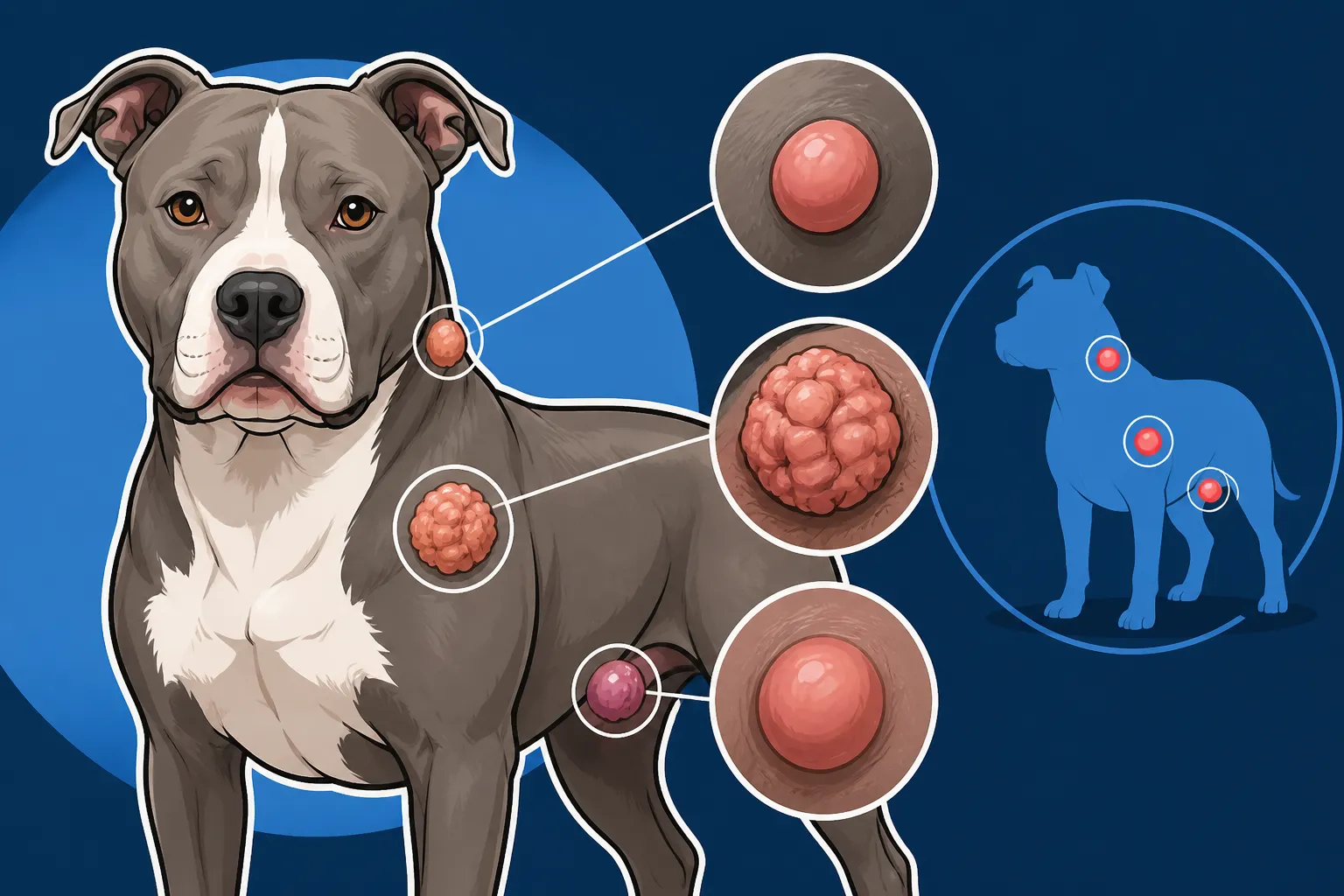
These are probably the most common benign lumps we see, especially as our Pit Bulls get a little older or carry a bit more weight. A lipoma is simply a collection of fatty tissue that forms under the skin. They feel soft, squishy, and are usually movable. Think of them like a small, soft rubber ball just beneath the surface of the skin. They grow slowly and typically don't cause any pain or problems unless they grow very large and interfere with movement or get rubbed raw.
You might find a lipoma on your Pit Bull's chest, belly, or on their flanks. Sometimes they can feel quite firm, especially if they've developed some fibrous tissue within them, which can make them harder to distinguish from something more concerning. While most vets can often tell a lipoma by feel alone, they might still recommend a fine needle aspirate (FNA) to be absolutely sure. This quick, minimally invasive procedure involves using a small needle to collect a few cells for examination under a microscope, giving you peace of mind.
Cysts and Abscesses
Cysts are another common type of non-cancerous lump. These are essentially sacs filled with fluid, dead cells, or other material. They can arise from blocked hair follicles, oil glands, or even just from trauma. A sebaceous cyst, for example, is a blocked oil gland that can appear as a firm or slightly soft lump, often right on the skin's surface. They can sometimes rupture and ooze a white, cheesy, or pasty substance, which can be a bit alarming but isn't usually dangerous unless it becomes infected.
Abscesses, on the other hand, are pockets of pus caused by bacterial infection. They tend to appear quickly, can be quite painful to the touch, and often feel warm or hot. If your Pit Bull gets a puncture wound from playing a little too rough or from a bug bite, bacteria can get trapped under the skin and cause an abscess. These definitely need veterinary attention to be lanced, drained, and often treated with antibiotics. Left untreated, they can lead to more serious systemic infections.
Warts, Skin Tags, and Bug Bites
Small, raised growths that look like tiny cauliflowers are often warts, or viral papillomas. These are most commonly seen in younger dogs with developing immune systems, or sometimes in older dogs. While unsightly, they are usually harmless and often disappear on their own as the immune system matures or becomes more robust.
Skin tags are small, harmless flaps of skin that dangle from the body, often found in areas of friction like armpits or groin. They’re just extra bits of skin and don't cause any issues unless they get snagged or irritated. Finally, never underestimate the power of a simple bug bite or sting! These can swell up rapidly, causing a firm, red, painful bump. If you suspect a bug bite, monitoring it closely, and perhaps applying a cold compress, can often see it resolve within a day or two. However, if your Pit Bull shows signs of an allergic reaction like facial swelling or difficulty breathing, that’s an immediate vet visit.
Common Malignant Tumors in Pit Bulls
While we always hope for the best, it's crucial to be aware of the more serious types of tumors that Pit Bulls can be prone to. This isn't to scare you, but to empower you with knowledge so you can act swiftly if you ever notice something suspicious. Early detection is often the biggest factor in successful treatment and prognosis. You want to be proactive about monitoring your Pit Bull, especially as they get older, and understand "Cancers That Show Up in an Older Pit Bull".
Mast Cell Tumors: The Sneaky Culprit
Mast cell tumors are notorious in Pit Bulls and other bully breeds. They are one of the most common skin cancers in dogs, but they are incredibly sneaky because they can look like almost anything. Seriously, they can mimic a wart, a bug bite, a fatty tumor, or just an irritated spot. They can be small, large, firm, soft, raised, or flat. This chameleon-like nature is why every new lump or bump on a Pit Bull should be checked out, especially if it changes in size, shape, or texture.
These tumors originate from mast cells, which are immune cells found throughout the body, particularly in the skin. When mast cells become cancerous, they can release histamine and other inflammatory chemicals, leading to redness, swelling, and itching around the tumor. In some cases, this can also cause systemic issues like stomach ulcers. A fine needle aspirate is the go-to diagnostic tool for these. If confirmed, surgical removal with wide margins is often recommended, and depending on the grade of the tumor, further treatments like chemotherapy or radiation might be necessary. Getting a proper diagnosis and understanding "Feeling for a Mast Cell Tumor on a Pit Bull" is vital.
Lymphoma: A Systemic Concern
Lymphoma is a cancer of the lymphatic system, which is part of the immune system. Unlike skin tumors that are localized, lymphoma is typically a systemic disease, meaning it can affect various parts of the body. In Pit Bulls, common forms include multicentric lymphoma, where lymph nodes throughout the body become enlarged, and alimentary lymphoma, affecting the gastrointestinal tract.
Signs of lymphoma can vary depending on the location of the cancer. For multicentric lymphoma, you might notice enlarged lymph nodes under the jaw, in the armpits, or behind the knees. These usually feel firm and non-painful. Other signs might include lethargy, weight loss, decreased appetite, and sometimes swelling in the limbs. Diagnosis often involves a fine needle aspirate of an enlarged lymph node, or sometimes a biopsy. Treatment typically involves chemotherapy, and while it's not usually curative, it can often lead to remission and provide a good quality of life for an extended period.
Hemangiosarcoma: The Internal Threat
Hemangiosarcoma is an aggressive and highly malignant cancer that originates from the cells lining blood vessels. It can occur anywhere in the body, but it most commonly affects the spleen, heart, liver, and skin. Pit Bulls, like other large, muscular breeds, can be predisposed to this devastating cancer. The scariest thing about internal hemangiosarcoma is that it can progress silently, with no external signs until it reaches an advanced stage.
When it affects internal organs, signs might include weakness, lethargy, pale gums, abdominal distension (due to internal bleeding), and even sudden collapse. These symptoms often occur when a tumor ruptures, causing severe internal hemorrhage. Skin hemangiosarcomas might appear as dark, red, or purple lumps on or under the skin, sometimes mistaken for bruises. Diagnosis for internal forms usually involves imaging like ultrasound or X-rays, and sometimes surgical exploration. Treatment for internal hemangiosarcoma is challenging and often involves surgery and chemotherapy, but the prognosis is generally guarded due to its aggressive nature and high metastatic rate.
Soft Tissue Sarcomas
Soft tissue sarcomas are a group of cancers that arise from various connective tissues in the body, such as fat, muscle, fibrous tissue, or blood vessels. These tumors can be locally invasive, meaning they spread into surrounding tissues, but they tend to metastasize (spread to distant sites) at a lower rate than some other cancers. They often appear as firm, immovable masses that feel "stuck" to underlying structures.
You might find a soft tissue sarcoma on your Pit Bull's limbs, body wall, or head. The key characteristic is their deeply invasive nature, which makes complete surgical removal challenging but crucial. If a tumor is not fully removed, it has a high chance of recurring. Like mast cell tumors, they can often be diagnosed with an FNA, but a biopsy might be needed for definitive grading. Depending on the type and grade, treatment can involve aggressive surgery, sometimes followed by radiation therapy.
Recognizing the Signs and When to Act
It's easy to get overwhelmed by all this information, but the most important takeaway is this: be vigilant, be observant, and don't hesitate to consult your vet. Pit Bulls are stoic dogs and can sometimes hide discomfort, making early detection even more critical. Getting a good pet insurance plan from a company like Healthy Paws can also ease some of the financial burden if you face a diagnosis requiring extensive treatment, allowing you to focus on your dog's care.
What to Look For During Home Checks
Regular, thorough head-to-tail examinations of your Pit Bull are your best defense. Make it a routine, perhaps once a month or even weekly during a relaxed grooming session. Run your hands over their entire body, paying close attention to:
- Feel: Note any new lumps, bumps, or changes in existing ones. Are they soft, firm, squishy, movable, or fixed?
- Size and Shape: Is it growing? Has its shape changed? Even a small change warrants attention.
- Color: Is the skin over the lump discolored? Red, purple, or ulcerated?
- Texture: Is the skin smooth, scaly, or crusty?
- Pain: Does your Pit Bull react when you touch the lump?
- Other Symptoms: Is your dog also showing lethargy, loss of appetite, weight loss, coughing, lameness, or any other unusual behavior?
Make sure to check hidden areas too: under their armpits, in their groin, between their toes, inside their mouth, and around their ears. These comprehensive checks are essential, especially when you think about "Which Tumors Turn Up Most on a Pit Bull" and how some can be hidden.
The Importance of Timely Veterinary Exams
Even if a lump seems benign, it's always best to have a veterinarian check any new or changing lump. They have the expertise to assess its characteristics, and often their experience allows them to give you an initial impression. Your vet can perform a fine needle aspirate (FNA) on the spot, which is a quick, inexpensive way to get a lot of information about what kind of cells are in the lump. This simple test can often differentiate between a lipoma, a cyst, an infection, or even a mast cell tumor, helping determine "Which Pit Bull Lumps Need a Needle".
Waiting too long can turn a treatable condition into a much more serious one. If it's something aggressive, early intervention can make a world of difference in the outcome. Don't feel like you're overreacting; you are advocating for your Pit Bull's health. Schedule regular wellness checks with your vet, especially as your Pit Bull ages. As discussed in "How Often a Ten Year Old Pit Bull Needs Checking", senior dogs often benefit from more frequent examinations.
Diagnostic Steps and What to Expect
When you bring your Pit Bull in for a lump, your vet will likely start with a physical exam and a thorough history. They'll want to know when you first noticed it, if it's changed, and if your dog has any other symptoms.
Common Diagnostic Tools:
- Fine Needle Aspirate (FNA): As mentioned, this is often the first step. It's minimally invasive and can provide immediate results or be sent to a pathologist.
- Biopsy: If the FNA is inconclusive or suggests something serious, a biopsy (taking a larger tissue sample) might be recommended. This gives the pathologist more tissue to analyze and can help determine the specific type and grade of cancer. This may be incisional (part of the lump) or excisional (removing the entire lump).
- Bloodwork and Urinalysis: These tests, sometimes including a full "The Bloodwork an Old Pit Bull Should Have" panel, can assess your Pit Bull's overall health, check organ function, and look for any systemic signs of disease or spread. This is crucial before any major surgery or chemotherapy.
- Imaging (X-rays, Ultrasound, CT/MRI): If cancer is suspected, especially an internal one like hemangiosarcoma or lymphoma, your vet might recommend X-rays to check for spread to the lungs or other bones, or an ultrasound of the abdomen to examine organs like the spleen, liver, or lymph nodes. A CT or MRI might be used for more detailed imaging of specific areas.
The diagnostic process can feel daunting, but each step provides valuable information that helps your veterinary team create the best possible treatment plan for your Pit Bull.
Treatment Options and Prognosis
Receiving a cancer diagnosis for your Pit Bull is incredibly difficult news. It's a moment filled with fear and uncertainty, but it's important to remember that there are often options for treatment, and advancements in veterinary oncology continue to improve outcomes. Your veterinary team, which might include specialists, will guide you through the process, discussing the pros and cons of each path.
Surgery, Chemotherapy, and Radiation
Surgery is often the primary treatment for solid tumors, especially those on or under the skin. The goal is to remove the entire tumor with clean margins, meaning a border of healthy tissue around the tumor to ensure all cancerous cells are gone. This is particularly critical for mast cell tumors and soft tissue sarcomas. For internal tumors, surgery might be used to remove the primary mass, like a spleen with a hemangiosarcoma.
Chemotherapy involves using drugs to kill cancer cells throughout the body. It's often used for systemic cancers like lymphoma, or as an adjunctive treatment after surgery to catch any microscopic cancer cells that might have been left behind or spread. Unlike human chemotherapy, dog chemotherapy is generally aimed at maintaining a good quality of life, so the side effects are usually much milder.
Radiation therapy uses high-energy rays to target and destroy cancer cells in a specific area. It's often used for tumors that are difficult to remove surgically, or to reduce the risk of recurrence after surgery, particularly for aggressive local cancers like some soft tissue sarcomas or incompletely removed mast cell tumors. Radiation requires multiple sessions and often sedation for each treatment. Many pet owners find that a good pet insurance policy, like those offered by Healthy Paws, can be incredibly beneficial in covering the substantial costs associated with these advanced treatments.
Managing Pain and Quality of Life
Regardless of the diagnosis or treatment path, your Pit Bull's comfort and quality of life should always be a top priority. Cancer treatment can be physically demanding, and the disease itself can cause pain or discomfort. Your vet will work with you to create a comprehensive pain management plan, which might include medications like NSAIDs, gabapentin, or other pain relievers.
Supportive care at home is also vital. Ensuring your Pit Bull has a comfortable, warm place to rest, a nutritious diet, and plenty of love and gentle interaction will go a long way. This aligns with broader principles of care, such as those discussed in "Caring for a Pit Bull in Its Second Decade", even if your dog isn't quite a senior yet. Maintaining mental and physical enrichment, adjusted to their energy levels, is also important. If your Pit Bull is experiencing symptoms like an itchy skin flare that might be distracting or causing discomfort, addressing it quickly, as highlighted in "Pit Bull Skin Allergies and the Atopy Pattern", can help improve their overall well-being. The goal is to give them as many good days as possible, filled with joy and comfort, for as long as they are able to enjoy them.
| Lump Type | Benign/Malignant | Appearance/Feel | Common Location | Typical Treatment |
|---|---|---|---|---|
| Lipoma | Benign | Soft, movable, squishy, fatty | Chest, abdomen, flanks | Monitor, surgical removal if large |
| Cyst | Benign | Firm or soft, can rupture and ooze | Anywhere on skin | Monitor, drainage, surgical removal |
| Abscess | Benign (infectious) | Hot, painful, rapid swelling, often firm | Anywhere (often near wounds) | Lancing, drainage, antibiotics |
| Wart (Papilloma) | Benign | Small, raised, cauliflower-like | Mouth, eyelids, skin | Often resolves, surgical removal |
| Mast Cell Tumor | Malignant | Highly variable (can look like anything), firm/soft | Skin, internal organs | Surgery (wide margins), chemo, rad |
| Lymphoma | Malignant | Enlarged, firm, non-painful lymph nodes | Lymph nodes, spleen, GI tract | Chemotherapy |
| Hemangiosarcoma | Malignant | Skin: dark red/purple lump; Internal: often silent | Spleen, heart, liver, skin | Surgery, chemotherapy |
| Soft Tissue Sarcoma | Malignant | Firm, fixed, grows into surrounding tissue | Limbs, body wall, head | Aggressive surgery, radiation |
Disclaimer
The information provided in this article is for educational purposes only and is not a substitute for professional veterinary advice. Always consult with a qualified veterinarian for any health concerns or before making any decisions about your pet's medical care.