Cherry Eye in a Pit Bull
Seeing that tell-tale red, swollen mass pop up in the corner of your beloved Pit Bull's eye can be incredibly alarming. One moment their eyes are bright and clear, the next it looks like a small, angry cherry has appeared, and you immediately worry about their vision and comfort. This guide is here to walk you through exactly what "cherry eye" is, why it often affects our strong, characterful Pit Bulls, and what you can do to get them back to seeing the world clearly and comfortably.
Understanding Cherry Eye in Pit Bulls
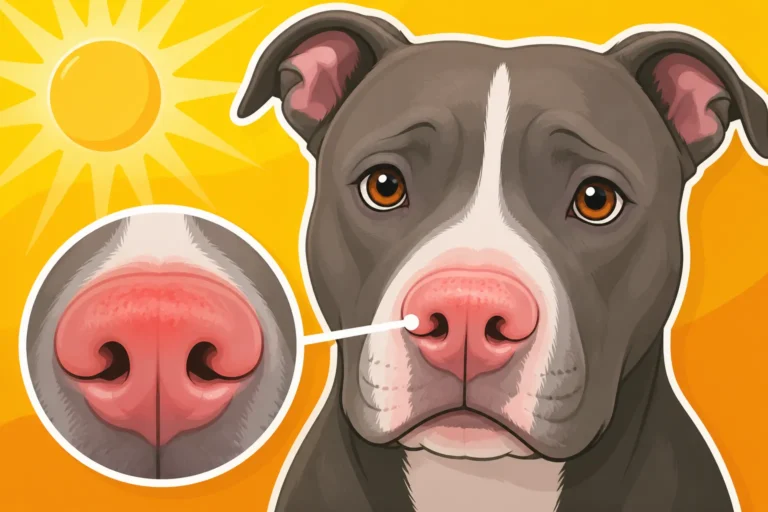
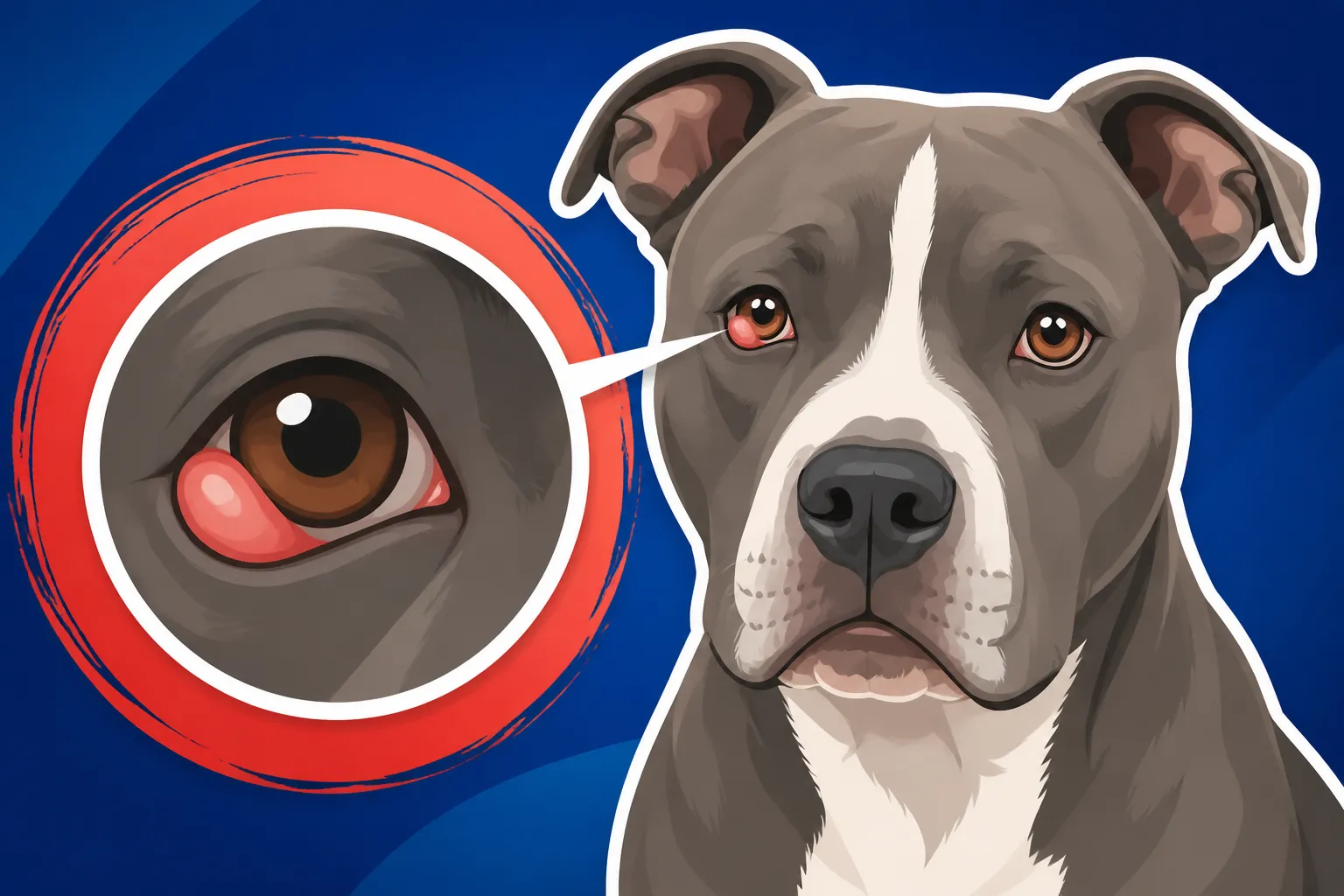
Cherry eye, officially known as a prolapse of the nictitating membrane gland, sounds complicated, but it's essentially when the third eyelid's tear-producing gland pops out of its normal position. Every dog has a third eyelid, or nictitating membrane, tucked away in the inner corner of their eye. This eyelid has a small gland attached to it that produces a significant portion of the eye's tear film, crucial for keeping the eye lubricated and healthy. When this gland prolapses, it looks like a red, fleshy mass – hence the name "cherry eye." It's not just a cosmetic issue; it exposes the delicate tear gland to the environment, leading to irritation, dryness, and potential long-term damage to the eye if left untreated.
What Makes Pit Bulls Prone to Cherry Eye
While cherry eye can occur in any breed, Pit Bull type dogs, including American Pit Bull Terriers and American Staffordshire Terriers, are among those breeds genetically predisposed to this condition. This predisposition is thought to be due to weaker connective tissue that holds the gland in place in their particular eye anatomy. It's not a reflection of poor breeding or care; it's simply a genetic lottery some dogs draw. You might find it cropping up in puppies or young adults, typically between six months and two years of age. If you have a multi-dog household, you might even notice that if one Pit Bull develops it, there's a slightly higher chance a sibling or close relative might too, especially if they share similar genetic lines. This makes early recognition and understanding even more vital for Pit Bull owners.
When we talk about conditions common to Pit Bulls, eye issues sometimes fly under the radar compared to more publicized concerns like joint problems. However, just like with Pit Bull Hip Dysplasia Showing at One to Two Years or Pit Bull Skin Allergies and the Atopy Pattern, recognizing the early signs of eye conditions like cherry eye can make a huge difference in treatment success and your dog's comfort. It's a reminder that their robust appearance doesn't make them immune to these delicate health challenges.
Recognizing the Symptoms Beyond the Red Mass
Of course, the most obvious sign of cherry eye is that distinctive red, swollen lump in the corner of your Pit Bull's eye. It might appear suddenly, almost overnight, or gradually emerge over a few days. However, there are other subtle signs that your Pit Bull might be experiencing discomfort or complications from cherry eye. You might notice them rubbing at their eye with a paw or against furniture, which can further irritate the gland or even lead to secondary infections. Excessive blinking, squinting, or a discharge from the affected eye are also common indicators. The eye might appear drier than usual, or conversely, watery if the gland is trying to overcompensate or is irritated by the exposure.
Sometimes, the prolapsed gland might pop in and out, seemingly disappearing for a bit before reappearing. Don't be fooled by this; even intermittent prolapse still requires veterinary attention, as the gland is still compromised. Ignoring these symptoms can lead to chronic dry eye (keratoconjunctivitis sicca or KCS), vision impairment, or even ulceration of the cornea, which are much more serious and harder to treat conditions. Keeping a close eye on your Pit Bull's overall eye health, noting changes in appearance or behavior, is always a good practice, just like you'd monitor for signs of Pit Bull Dental Disease and Hard Chewing or other chronic issues.
Diagnosing and Treating Cherry Eye
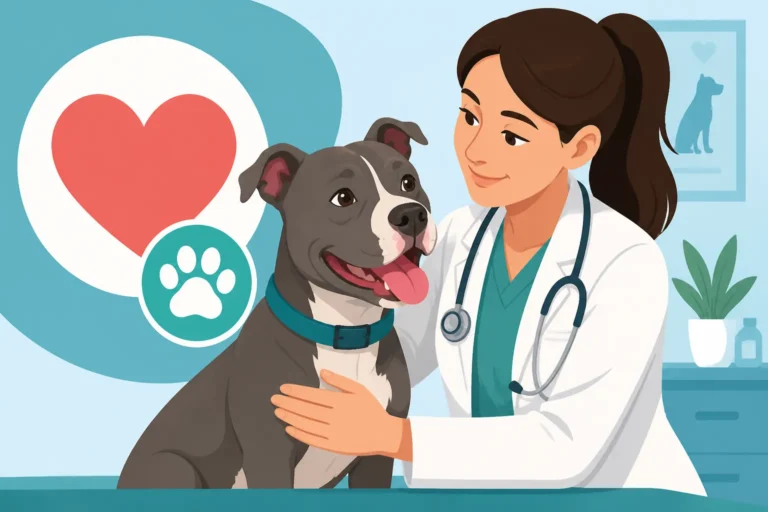
When you spot that suspicious red lump, the first and most crucial step is a visit to your veterinarian. They'll perform a thorough eye examination to confirm it's indeed cherry eye and rule out other potential eye conditions that might look similar, such as conjunctivitis, tumors, or even a foreign body lodged in the eye. They’ll likely check tear production using a Schirmer Tear Test to assess if the exposed gland is still producing enough moisture. This test is important because it helps determine the best course of action and whether dryness is already a concern.
Veterinary Examination and Ruling Out Other Conditions
During the examination, your vet will gently examine the eye, often using a special ophthalmoscope. They might also stain the cornea with fluorescein dye to check for any corneal ulcers, which can occur if the exposed gland has caused trauma to the eye's surface. Differentiating cherry eye from other issues is key. For example, while Pit Bull Cataracts and Eye Problems present with cloudiness, and Entropion in a Pit Bull involves the eyelid rolling inward, cherry eye is characterized by that distinct, fleshy red mass. Your vet will ask about the onset of symptoms, any other health concerns, and your Pit Bull's general history. This comprehensive approach ensures that the diagnosis is accurate and that the treatment plan is tailored to your dog's specific needs.
In some cases, especially if there's any doubt or if the cherry eye is accompanied by other complex eye issues, your vet might recommend a referral to a veterinary ophthalmologist, a specialist in animal eye care. While this might sound daunting, it ensures your Pit Bull receives the most expert care possible. A specialist might have more advanced diagnostic tools and surgical techniques at their disposal, leading to a better long-term outcome for your dog's vision and comfort.
Treatment Options: Medical vs. Surgical
When it comes to treating cherry eye, there are generally two main approaches: conservative medical management or surgical correction.
Medical Management:
In very mild, acute cases, or if surgery isn't immediately possible due to other health concerns, your vet might try medical management. This typically involves anti-inflammatory eye drops or ointments to reduce swelling and irritation, often combined with antibiotics if a secondary infection is present. Sometimes, warm compresses can also help. The goal here is to encourage the gland to retract back into its proper position on its own. However, it's important to be realistic: medical management alone is often unsuccessful long-term, especially in breeds like Pit Bulls where the underlying connective tissue weakness is usually significant. It's more of a temporary measure to get swelling down before a more definitive solution.
Surgical Correction:
For most cases of cherry eye in Pit Bulls, surgical correction is the recommended and most effective treatment. The goal of surgery is not to remove the gland (which would lead to severe dry eye, as this gland produces a significant amount of tears), but rather to reposition and secure it back into its natural pocket behind the third eyelid. There are several surgical techniques, but the most common ones involve creating a new pocket for the gland and suturing it in place (often called the pocket technique or Morgan Pocket technique). This method has a high success rate and aims to restore normal tear production.
It’s completely normal to feel nervous about your Pit Bull undergoing surgery. You might be thinking about the Pit Bull Surgery Costs From Hips to Teeth or how your active dog will cope with recovery. However, addressing cherry eye surgically often prevents much more serious and costly problems down the line. Most dogs recover remarkably well, and the relief they experience from the irritation is palpable. For pet insurance providers like Healthy Paws, surgical correction for cherry eye is typically covered, provided it's not a pre-existing condition, which can offer significant financial peace of mind.
Here's a quick comparison of the two main approaches:
| Feature | Medical Management | Surgical Correction |
|---|---|---|
| Approach | Eye drops, ointments, warm compresses | Repositioning and securing the gland surgically |
| Effectiveness | Often temporary; lower long-term success rate | High long-term success rate for repositioning |
| Recurrence | High likelihood of recurrence/persistence | Moderate (approx. 5-20% chance in one or both eyes) |
| Cost | Lower initial cost (medications) | Higher initial cost (surgery, anesthesia, post-op meds) |
| Risks | Progression to chronic dry eye, infection | Anesthesia risks, infection, suture reaction, recurrence |
| Outcome | Reduced discomfort, but often not a permanent fix | Long-term comfort, restored tear production |
Post-Surgical Care and Long-Term Outlook
After surgery, your Pit Bull will need attentive post-operative care to ensure a smooth recovery and prevent complications. This usually involves wearing an Elizabethan collar (e-collar or "cone of shame") to prevent them from rubbing or scratching at the surgical site, which could disrupt the sutures and undo the repair. You'll likely administer prescribed eye drops or ointments for several weeks to reduce inflammation, prevent infection, and aid healing. Pain medication might also be prescribed to keep your dog comfortable during the initial recovery period.
Managing Recovery and Preventing Recurrence
Recovery typically takes a few weeks. It's important to follow your vet's instructions meticulously, including administering all medications as directed and attending follow-up appointments. Your vet will want to check the surgical site and assess tear production. During this time, you'll need to limit strenuous activity to prevent any accidental trauma to the eye. While Pit Bulls are robust and enjoy activity, a temporary reduction in intense play or Pit Bull Exercise for a Powerful Athletic Dog is crucial. You might need to come up with some creative indoor enrichment, like puzzle feeders or gentle scent games, to keep them mentally stimulated without putting stress on their healing eye.
Unfortunately, even with successful surgery, there's a chance of recurrence in the same eye or the development of cherry eye in the other eye. The recurrence rate for surgical correction is generally low, around 5-20%, but it does happen. This is often due to the inherent weakness of the connective tissue in predisposed breeds. If it does recur, the surgical procedure can often be repeated, sometimes using a slightly modified technique. Many pet owners find that a good pet insurance plan, such as those offered by Healthy Paws, can be invaluable here, covering subsequent treatments if they arise, provided the initial condition was covered and not pre-existing.
General Eye Health and Ongoing Care
Beyond addressing cherry eye, maintaining overall eye health for your Pit Bull is essential. Regular visual checks of their eyes at home, looking for redness, discharge, cloudiness, or any signs of irritation, can help you catch problems early. If your Pit Bull seems to be frequently rubbing their face on the carpet, for example, it could be a sign of an underlying irritation or allergy, not necessarily just a quirk. Just like regularly checking for Pit Bull Ear Infections and What Drives Them or other common health issues, eyes need consistent attention.
If your Pit Bull is prone to allergies, which often manifest as itching and irritation, sometimes referred to as Pit Bull Atopy and Seasonal Itching, managing these can indirectly support eye health. Environmental irritants like pollen or dust can also bother their eyes, so wiping their face gently with a damp, soft cloth after outdoor adventures can be beneficial. Always use vet-approved eye cleaning solutions if needed, and never use human eye drops without consulting your vet. Early intervention for any eye issue can prevent minor problems from escalating into more serious conditions, preserving your Pit Bull's comfort and quality of life for years to come.
Disclaimer
Please remember that the information provided in this guide is for informational purposes only and does not constitute veterinary advice. Always consult with a qualified veterinarian for any health concerns or before making any decisions about your pet's medical care.