Pit Bull Obesity and How to Spot It Under Muscle
It’s a common misconception, isn’t it? We look at our Pit Bulls, with their broad chests, powerful shoulders, and that lean, athletic look, and we automatically assume they’re in peak condition. But the truth is, beneath all that impressive muscle, many Pit Bulls are silently carrying extra weight, and it's something that often goes unnoticed until it starts causing real problems. This guide is here to help you peel back that muscular facade, understand why Pit Bulls are particularly susceptible to hidden obesity, and give you the tools to ensure your beloved companion stays truly healthy, inside and out.
The Deceptive Nature of Muscle: Why Pit Bulls Hide Their Weight So Well
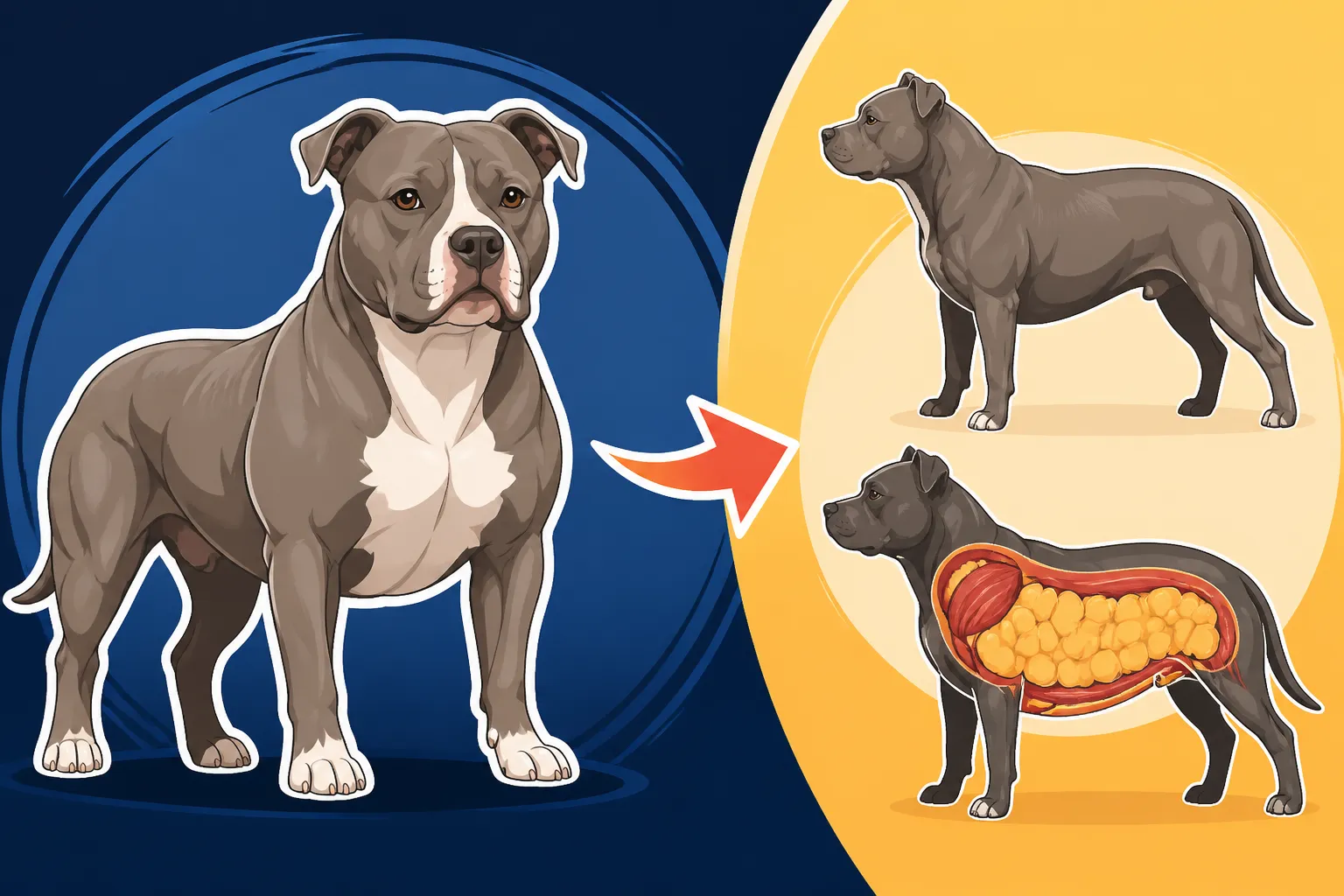
Pit Bulls are undeniably muscular dogs. Their build, often described as stocky and powerful, is one of their defining characteristics. However, this very trait can be a significant obstacle when it comes to recognizing excess weight. Unlike many other breeds where a rounded belly or visible rolls of fat are clear indicators of obesity, a Pit Bull's natural musculature can effectively camouflage these signs, making it incredibly difficult for even the most attentive owner to spot. You might think your dog looks strong and robust, but that impressive bulk could be a mix of muscle and fat, with the fat quietly accumulating underneath without being obvious at first glance.
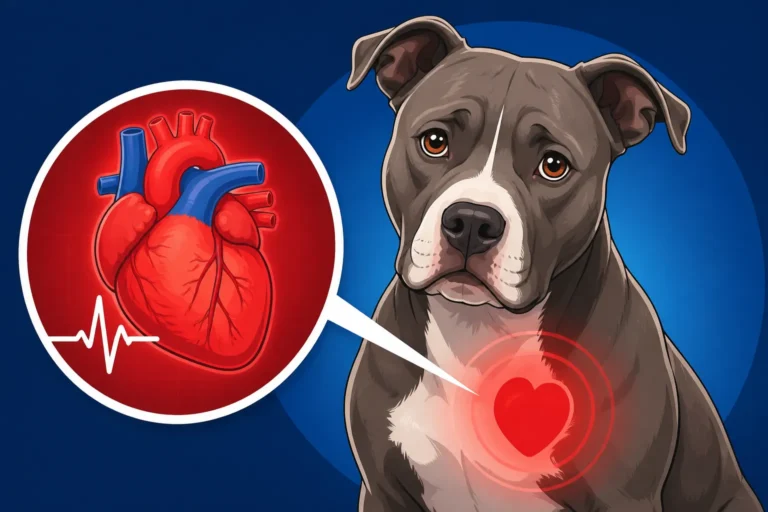
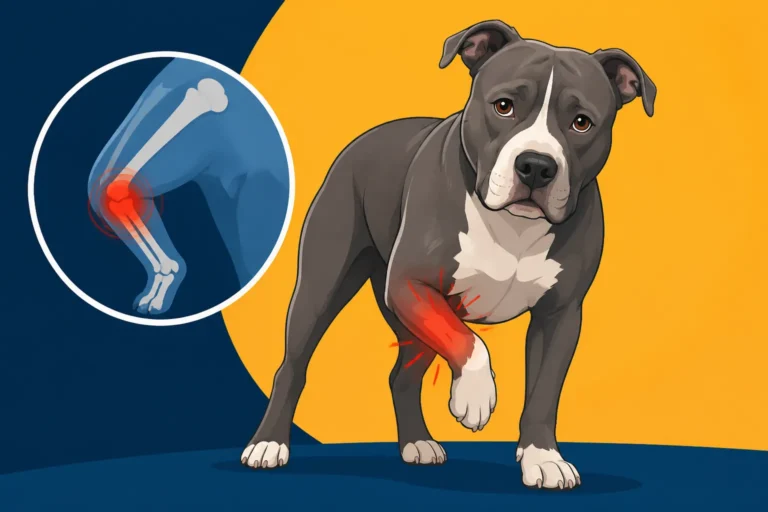
Many owners, myself included, have fallen into the trap of thinking our Pit Bulls are "just big-boned" or "heavily muscled," even when they’re slowly creeping up the scale. This isn't just a matter of aesthetics; it's a genuine health concern. Pit Bulls are active dogs, and they thrive on regular exercise. If they’re carrying extra weight, even if it's masked by muscle, it puts undue strain on their joints, heart, and other vital organs. It also makes them more prone to developing conditions like Pit Bull Hip Dysplasia Showing at One to Two Years or Pit Bull Joint and Ligament Injuries later in life. The robust appearance that we admire so much can actually be detrimental if it leads us to overlook the subtle signs of impending health issues due to excess fat.
Beyond the visual deception, Pit Bulls often possess an insatiable love for food and treats. They are smart, motivated, and highly food-driven, which can be a fantastic asset in training, but it also means they’re often experts at convincing us to share an extra bite or two. Combine this with varying exercise levels, sometimes less than what a powerful dog truly needs, and you have a recipe for hidden weight gain. It’s easy to overestimate how much activity our dogs truly get versus how many calories they’re consuming. This makes understanding how to accurately assess their body condition paramount.
Spotting the Signs: How to Tell if Your Muscular Pit Bull is Overweight
Identifying obesity in a Pit Bull requires a shift from relying solely on visual cues to using a more hands-on approach. Their dense musculature can trick your eyes, but it's much harder to trick your fingers. The gold standard for assessing a dog's weight is the Body Condition Score (BCS), which involves both visual inspection and tactile examination. This method helps you feel for the underlying bone structure and fat padding that might be hidden by muscle or a short, dense coat.
The Hands-On Body Condition Score
Start by getting your hands on your dog, really feeling along their body. You're looking for subtle changes in the amount of padding over their ribs, spine, and waist.
- Ribs: Gently run your hands along your Pit Bull's side, over their rib cage. In a healthy weight Pit Bull, you should be able to feel their ribs quite easily, almost like the knuckles on your hand, with just a thin layer of fat covering them. If you have to press firmly to feel the ribs, or if they feel completely covered by a thick layer, your dog is likely carrying too much weight. It’s not about seeing them, but feeling them without a thick cushion.
- Spine and Tail Base: Move your hands over their spine and the base of their tail. Similarly, you should be able to feel the individual vertebrae of their spine with light pressure, and the bones at the base of their tail should be palpable. If these areas feel well-padded and smooth, or if you can't easily distinguish the bones, it's another indicator of excess fat.
- Waist and Abdominal Tuck: This is a crucial area. When looking down at your Pit Bull from above, you should see a noticeable "waist" – an indentation behind their rib cage. From the side, their abdomen should tuck up slightly, rather than hanging straight or bulging downwards. With a heavily muscled Pit Bull, this tuck might be less dramatic than in a sighthound, but it should still be present. If their body looks like a straight line from ribs to hips, or if there's any bulging, that’s a red flag. Remember, Telling Muscle From Fat on a Pit Bull can be tricky, but the waist and tuck are often the clearest visual indicators.
To make this easier, here's a simplified table based on the widely used 5-point Body Condition Score system, tailored for a muscular breed like a Pit Bull:
| BCS Score | Description | How it Feels/Looks on a Pit Bull |
|---|---|---|
| 1 (Emaciated) | Ribs, spine, pelvic bones easily visible from a distance. No discernible body fat. Severe muscle loss. | Rarely seen in pet Pit Bulls unless seriously ill or neglected. |
| 2 (Underweight) | Ribs, spine, pelvic bones easily palpable and visible. Minimal fat covering. Waist and abdominal tuck very prominent. | You can see the ribs easily without trying. Muscle mass might look stringy. |
| 3 (Ideal Weight) | Ribs easily palpable with a minimal fat covering. Waist easily noted when viewed from above. Abdominal tuck apparent. | You can feel the ribs with ease, but they aren't jutting out. Waist is present. This is the goal! |
| 4 (Overweight) | Ribs palpable but with slight difficulty due to a moderate fat covering. Waist is absent or barely discernible. Abdominal tuck is minimal or absent. | You have to press a bit to feel the ribs. The body might look more "blocky" from above. |
| 5 (Obese) | Ribs covered by a heavy fat layer, making them very difficult or impossible to feel. No waist. Abdominal tuck is absent, possibly bulging abdomen. Heavy fat deposits over the spine and tail base. | Ribs feel like they're under a thick cushion. Body is a straight line, possibly bulging. |
Behavioral and Physical Cues
Beyond the BCS, keep an eye out for other, more subtle clues that your Pit Bull might be carrying too much weight:
- Decreased Stamina: Are they less eager for walks or tiring out quicker than they used to? Are they panting more heavily after moderate exercise? A healthy Pit Bull should have plenty of energy for daily activities and play.
- Reluctance to Play or Jump: If your normally playful Pit Bull seems less enthusiastic about fetching, jumping onto the couch, or navigating stairs, it could be a sign that extra weight is making these activities uncomfortable or painful.
- Difficulty Grooming: Overweight dogs can struggle to reach certain areas, leading to matted fur or skin irritation in less accessible spots.
- Breathing Difficulties: Increased panting, especially in moderate temperatures or after light exertion, can indicate that their heart and lungs are working harder to support the extra weight.
- Changes in Coat Quality: While not a direct sign of obesity, a dull coat or flaky skin can sometimes accompany poor nutrition or other health issues exacerbated by weight gain.
If you're noticing any of these signs, it's crucial to address them promptly. Early intervention can prevent a host of secondary health problems down the line.
Getting Your Pit Bull Back to a Healthy Weight: Practical Strategies
Bringing your Pit Bull back to a healthy weight isn't about crash diets or extreme exercise; it's about making sustainable, balanced changes to their lifestyle. It requires consistency, patience, and a good partnership with your veterinarian. Remember, the goal is long-term health, not a quick fix.
Diet Management: Quantity and Quality Matter
The cornerstone of weight management is diet. For a muscular Pit Bull, simply cutting food isn't enough; you need to focus on what and how much they eat.
- Accurate Portion Control: This is perhaps the most critical step. Many owners eyeball their dog's food portions, which can lead to significant overfeeding. Instead, invest in a digital kitchen scale and weigh out your dog's food for each meal. The feeding guidelines on dog food bags are just starting points, and often recommend more than an average dog actually needs. Your vet can help calculate a precise daily calorie target for your Pit Bull based on their ideal weight and activity level. If you've been noticing A Pit Bull Gaining Weight on the Same Food, exact measurement is your first step.
- Choose the Right Food: Opt for high-quality dog food that lists a lean meat source as the first ingredient. Look for balanced nutrition that supports muscle maintenance while being mindful of calorie density. Avoid foods with excessive fillers or artificial ingredients. Some brands offer "weight management" or "light" formulas that can be beneficial, but always discuss these changes with your vet first.
- Limit Treats and Scraps: Treats are often hidden calorie bombs. If you use treats for training, choose low-calorie options like small pieces of cooked chicken, carrots, green beans, or specially formulated low-calorie dog treats. Factor these treats into your dog’s daily calorie intake, rather than adding them on top. Human food scraps are generally a no-go, as they're often high in fat, sugar, or harmful to dogs.
- Slow Down Mealtime: Pit Bulls can be enthusiastic eaters! Using a slow feeder bowl can help prolong mealtime, promoting better digestion and making them feel fuller on the same amount of food.
Tailored Exercise Regimen
Exercise is vital for burning calories, building lean muscle, and supporting overall health. For Pit Bulls, it's also crucial for mental stimulation.
- Consistent Daily Activity: Aim for at least 60-90 minutes of moderate to vigorous exercise daily, broken into multiple sessions. This might include brisk walks, jogging, playing fetch, or structured playtime in a secure yard. Remember, a Pit Bull’s short coat might mean Working a Pit Bull Through a Hot Summer requires careful planning to avoid overheating.
- Incorporate Varied Activities: Just walking isn't always enough to challenge a Pit Bull. Consider activities that engage their powerful bodies and minds, such as flirt pole play, supervised tug-of-war, or even scent work. These can be fantastic ways to burn energy and prevent boredom, which can sometimes lead to destructive behaviors. The Daily Exercise a Pit Bull Actually Needs varies, but consistency is key.
- Monitor Joint Health: If your Pit Bull is already overweight, high-impact activities might put too much strain on their joints. Start with lower-impact options like swimming or leash walking, and gradually increase intensity as they lose weight and their fitness improves. Consult your vet to ensure you're not overdoing it, especially if you suspect conditions like Pit Bull Arthritis After the Age of Seven.
- Indoor Enrichment: On days with bad weather or if your dog has mobility issues, indoor puzzle toys, training sessions, and interactive games can provide crucial mental and physical stimulation.
Regular Veterinary Consultations
Your veterinarian is your most valuable partner in this journey.
- Professional Assessment: They can accurately assess your Pit Bull's current BCS, set realistic weight loss goals, and rule out any underlying medical conditions that might contribute to weight gain, such as A Pit Bull Gaining Weight on the Same Food possibly indicating When a Pit Bull Thyroid Panel Is Worth Running.
- Personalized Plan: Your vet can help create a customized diet and exercise plan tailored to your Pit Bull's specific needs, age, health status, and lifestyle. They can also recommend appropriate weight loss foods or supplements if necessary.
- Monitoring Progress: Regular weigh-ins at the vet clinic allow for accurate tracking of progress and adjustments to the plan as needed. This accountability is incredibly helpful.
- Insurance Support: Navigating potential health issues that can arise from or be exacerbated by obesity, such as joint problems or diabetes, can be costly. Having a pet insurance plan, like one from Healthy Paws, can provide significant financial relief for diagnostic tests, medications, or even surgeries down the line. Healthy Paws can help cover eligible vet bills, allowing you to focus on your Pit Bull's health without the added stress of unexpected expenses. It's smart to consider these plans proactively, even when your dog is healthy, as many policies won't cover pre-existing conditions. Thinking about preventative care and potential long-term needs is a responsible part of Pit Bull ownership.
Remember, seeing your Pit Bull at their ideal weight isn't just about how they look; it’s about giving them the longest, healthiest, and happiest life possible. It means more energy for play, less strain on their bodies, and a reduced risk of serious health complications. It's an investment in their future that pays dividends every single day.
Disclaimer
The information provided in this article is for general educational purposes only and should not be considered a substitute for professional veterinary advice. Always consult with a qualified veterinarian for any health concerns or before making any changes to your Pit Bull's diet, exercise, or medical care.