What to Do If a Pit Bull Is Involved in an Incident
Pit Bull incident response procedures include securing the dog, checking for injuries, and exchanging insurance information.
Work with the temperament you have.
House-training and crate work, recall, leash manners, separation anxiety, and the behaviors this breed is wired for.
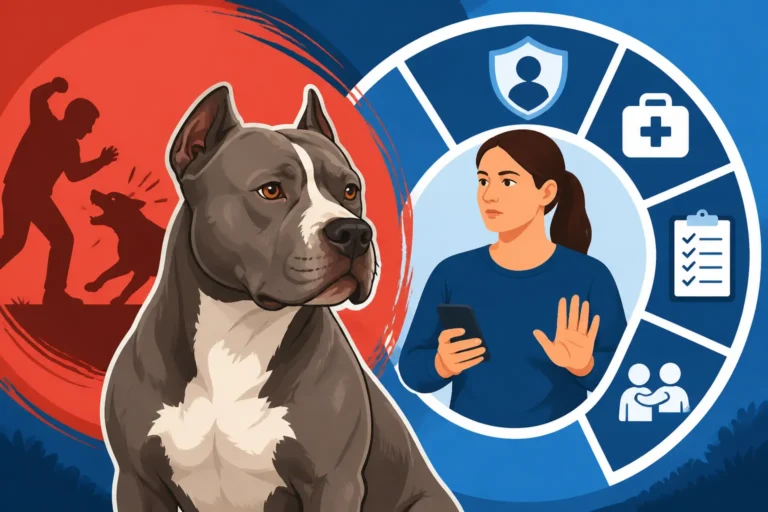
Pit Bull incident response procedures include securing the dog, checking for injuries, and exchanging insurance information.
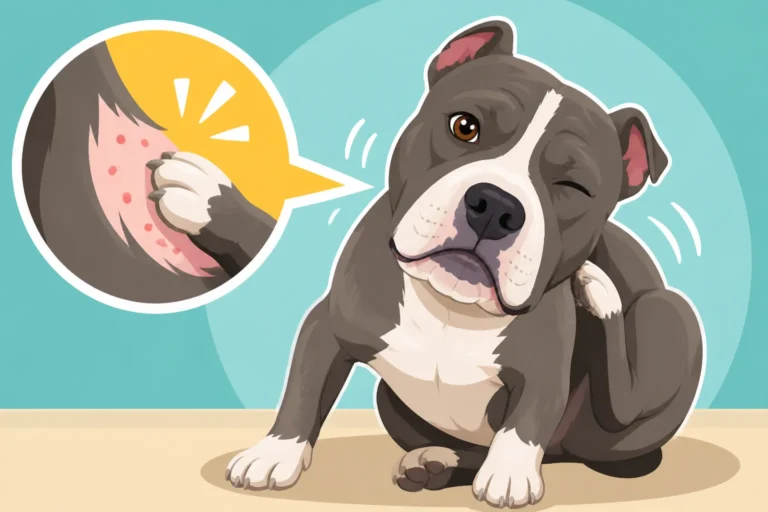
Pit Bull itching causes sudden behavioral changes, nipping, and disobedience when chronic skin discomfort overwhelms the dog.
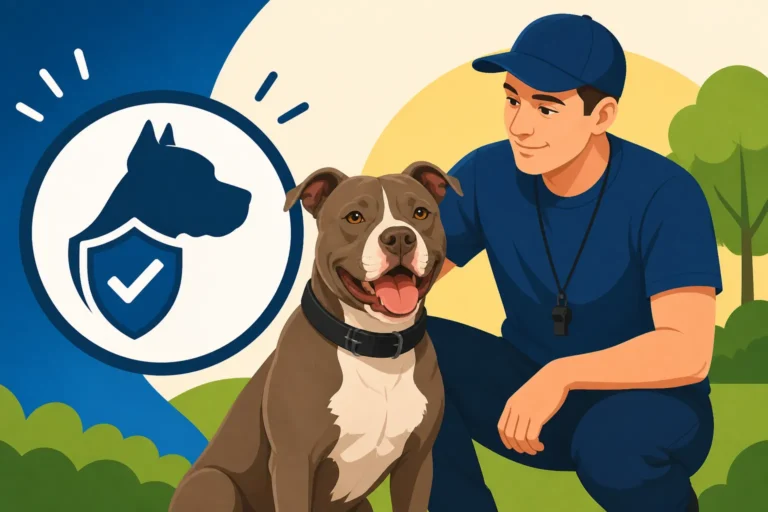
Finding a qualified Pit Bull trainer involves vetting professionals for breed knowledge, public perception challenges, and physical drive management.
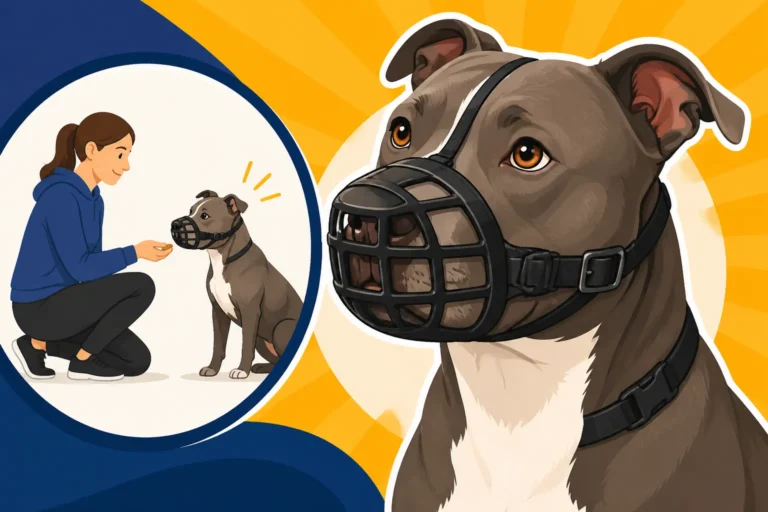
Muzzle training for Pit Bulls provides public safety, prevents accidental bites during emergencies, and manages reactive dog behaviors.
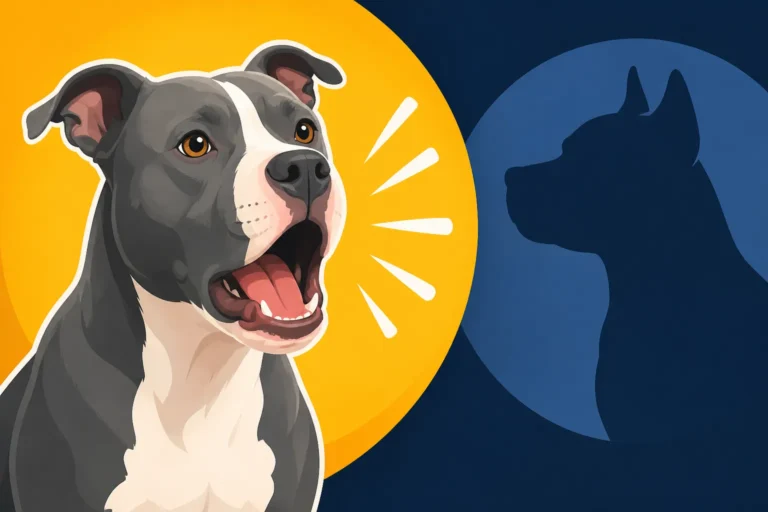
Pit Bull barking patterns, communication reasons, and triggers reveal how to manage vocal habits for a harmonious household.
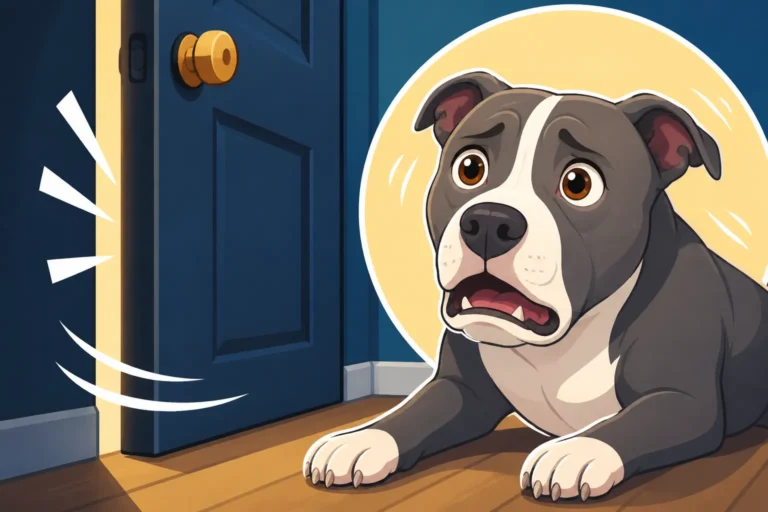
Pit Bull separation anxiety causes panic when doors shut, showing through destructive chewing, excessive drooling, and frantic scratching.
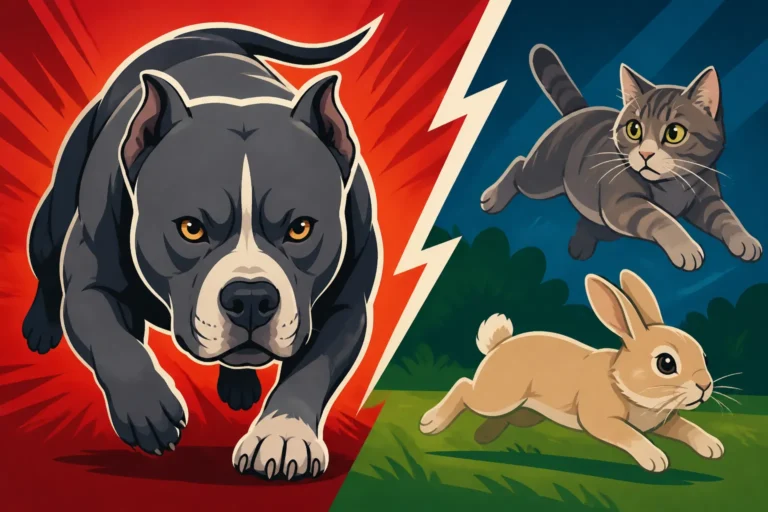
Pit Bull prey drive management involves practical integration strategies to safely protect cats and small animals in the household.
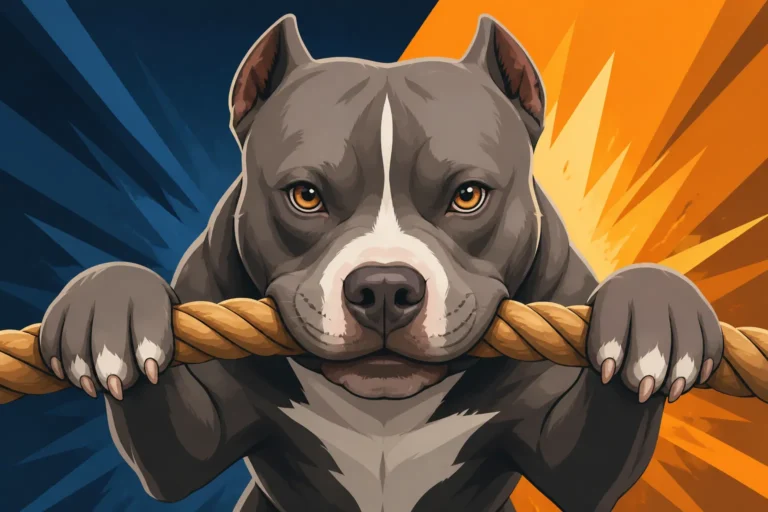
Pit Bull resource guarding behavior stems from ancestral survival instincts, presenting as stiffness or growling when owners approach valued items.
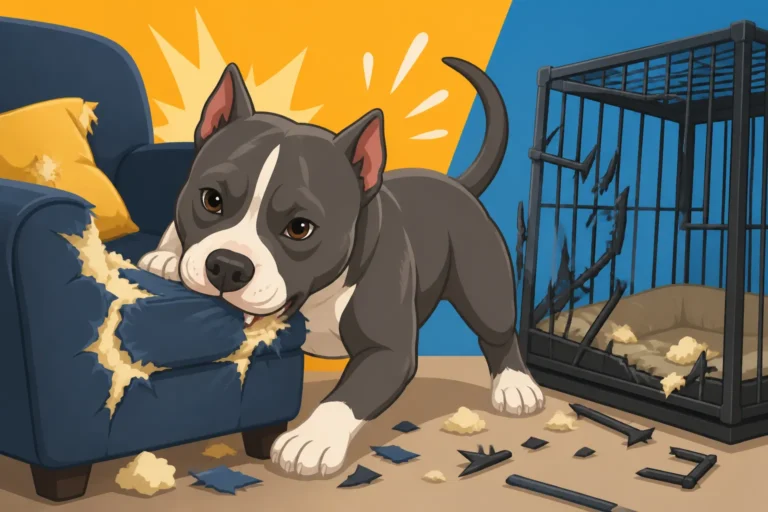
Pit Bull destructive chewing on furniture and crates stems from teething, boredom, or stress, requiring proper outlets and management.

Pit Bull adolescence spans six to twenty-four months, causing behavioral changes, boundary testing, and increased independence challenges for owners.