Pit Bull Puppy Biting and Bite Inhibition
Pit Bull puppy biting behavior, natural teething phases, and actionable strategies help your puppy develop a soft mouth.
Work with the temperament you have.
House-training and crate work, recall, leash manners, separation anxiety, and the behaviors this breed is wired for.
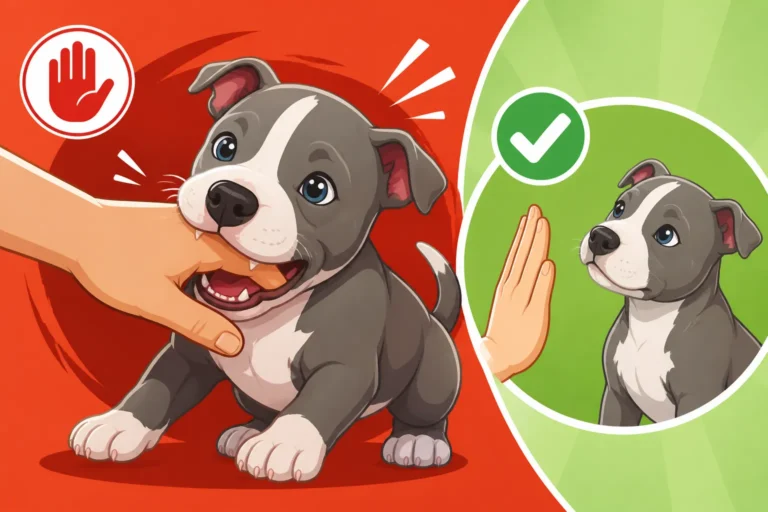
Pit Bull puppy biting behavior, natural teething phases, and actionable strategies help your puppy develop a soft mouth.
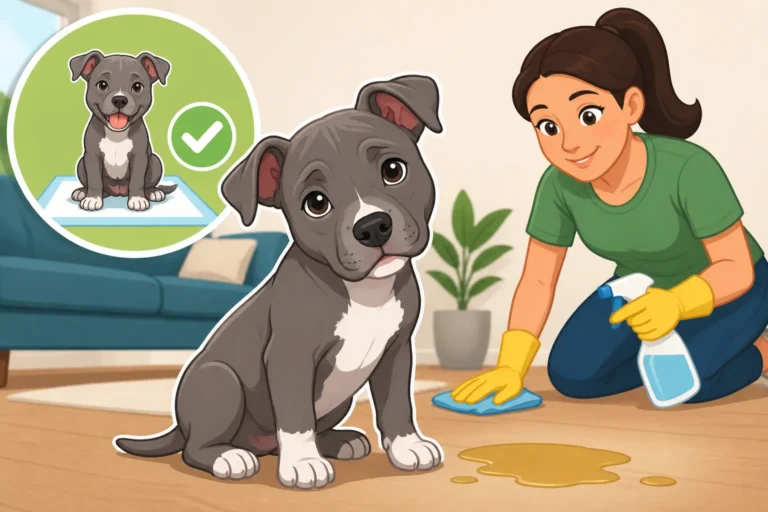
House training a Pit Bull puppy requires understanding bladder capacity, reading subtle potty signals, and crate management.

Pit Bull crate training methods build positive associations, overcoming past negative experiences so dogs choose comfortable sanctuaries.
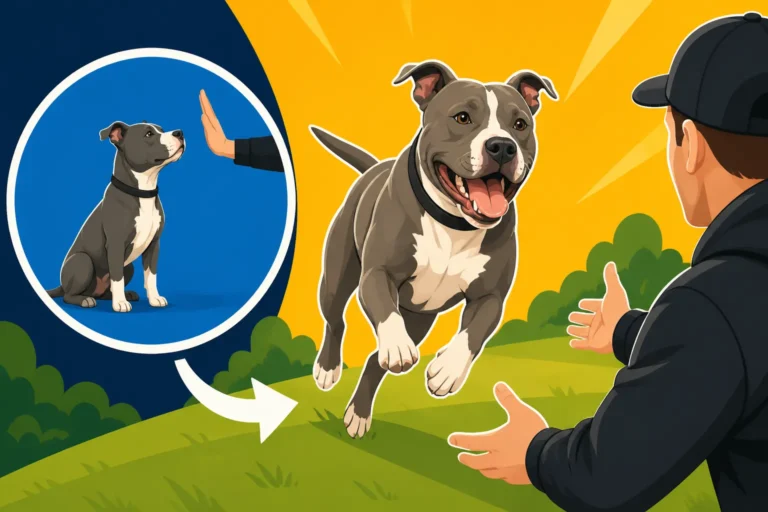
Recall training for a Pit Bull manages strong prey drive, ensuring public safety and reliable obedience around distractions.

Pit Bull therapy and service work differences, training requirements, temperament needs, and legal public access rights explained.
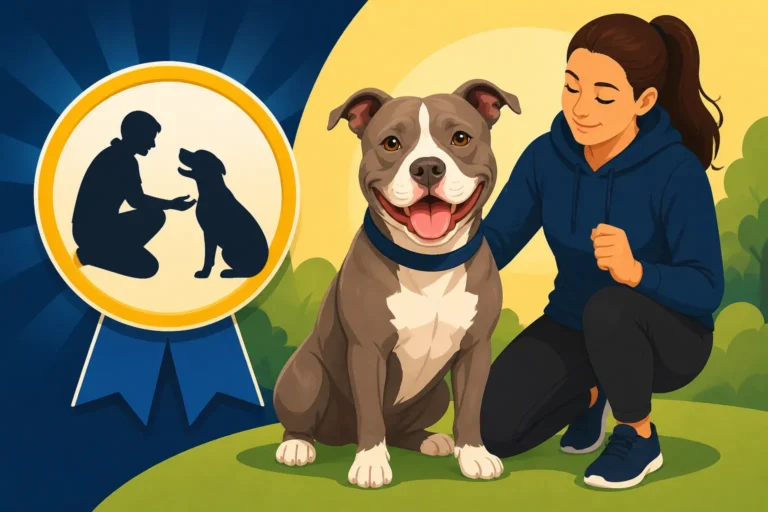
Preparing a Pit Bull for the Canine Good Citizen test demonstrates reliable behavior through ten specific items and improves public perception.
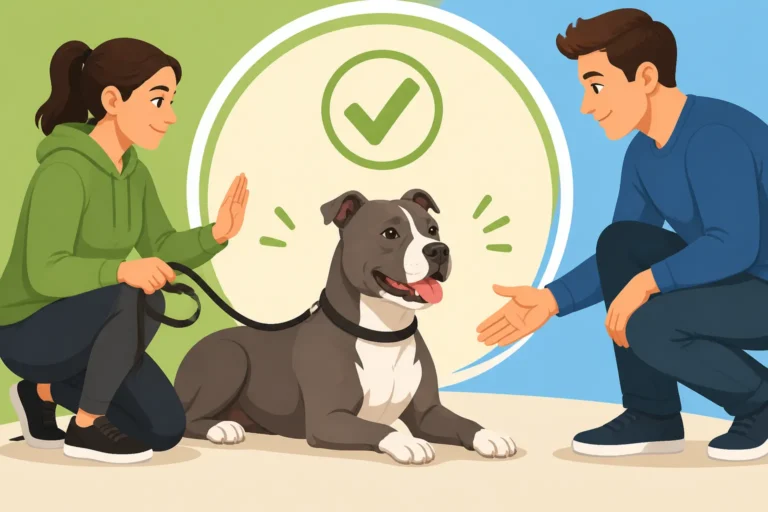
Calm greeting strategies help Pit Bulls stop jumping, pulling, and whining during exciting encounters with people or dogs.

Pit Bull socialization strategies help owners manage stranger interactions, interpret body language cues, and review American Temperament Test Society scores.

Pit Bull puppy development stages from birth to eight weeks explain early bonding, sensory milestones, and primary socialization needs.
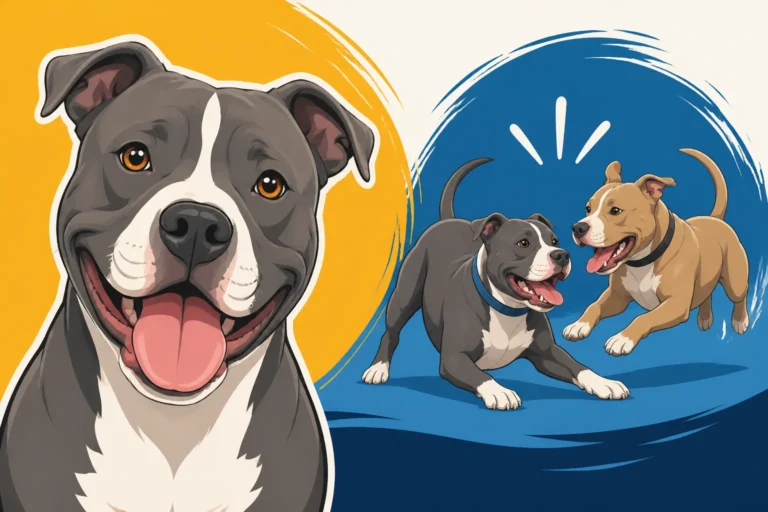
Pit Bull play style features physical wrestling and vocalizations that often look like aggression to unfamiliar observers.