Why Pit Bull Dog Selectivity Is Not Aggression
Pit Bull dog selectivity involves specific social preferences and body boundaries, rather than true aggression requiring punishment.
Work with the temperament you have.
House-training and crate work, recall, leash manners, separation anxiety, and the behaviors this breed is wired for.
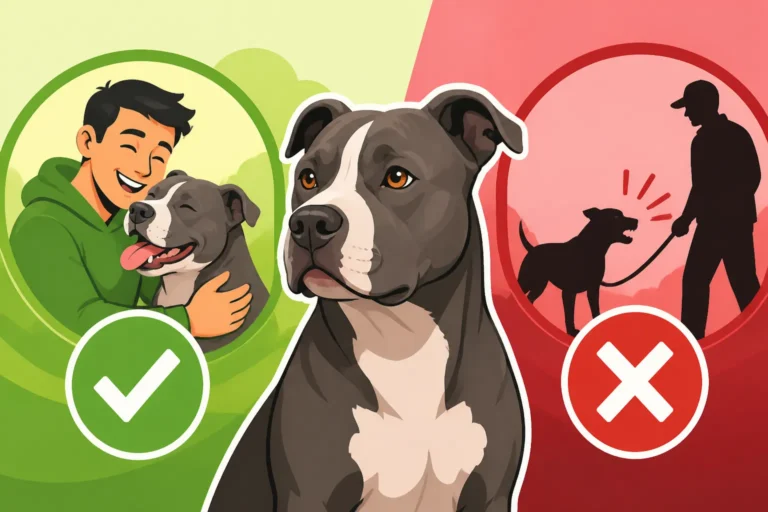
Pit Bull dog selectivity involves specific social preferences and body boundaries, rather than true aggression requiring punishment.
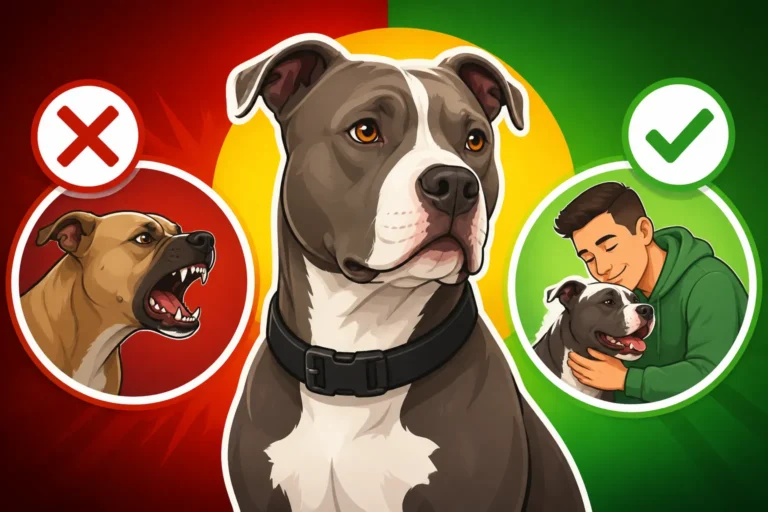
Dog selectivity in Pit Bulls is a behavioral pattern reflecting social preferences, differing from generalized aggression.
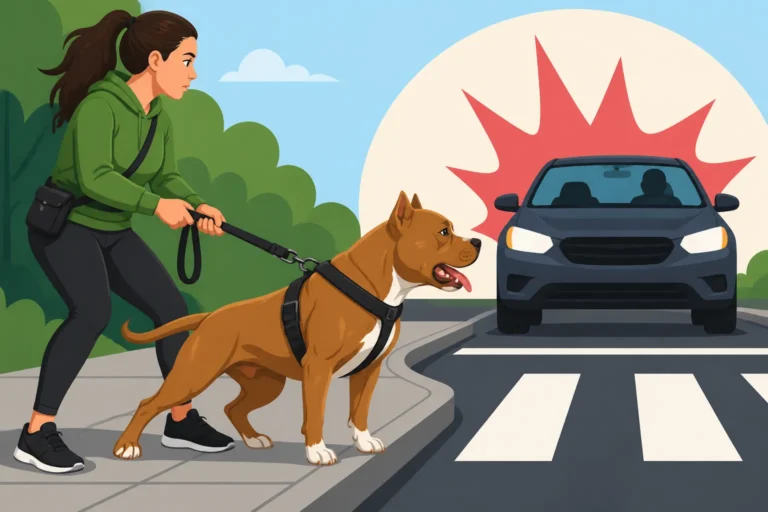
Pit Bull reactivity during walks stems from stress and fear, requiring owners to recognize triggers and early body language signs.
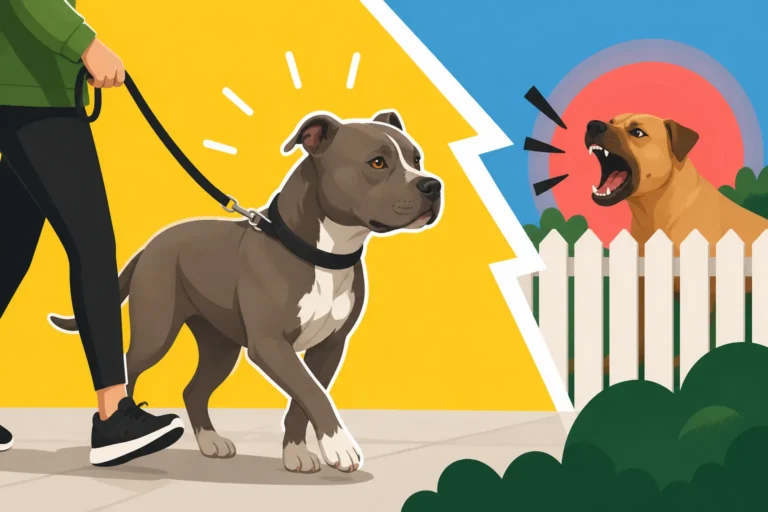
Practical strategies help a Pit Bull walk calmly past barking dogs by managing leash frustration and instinctual drives.
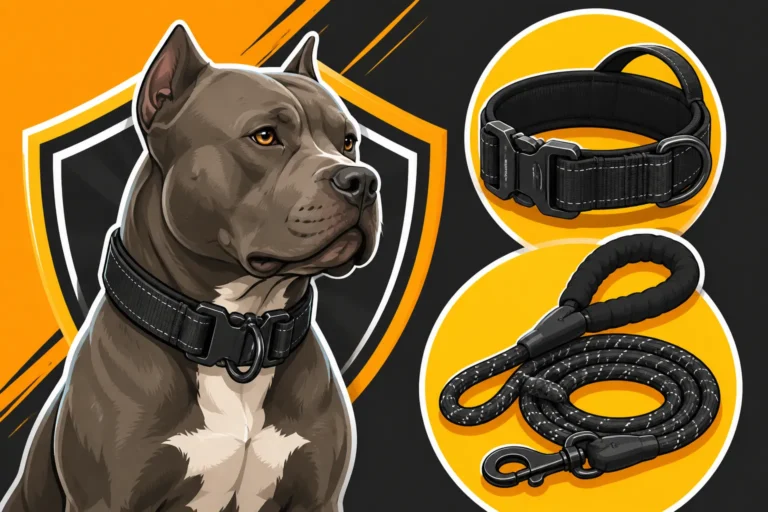
Pit bull leash equipment helps owners choose durable collars and leads that withstand unexpected lunges and pulls safely.
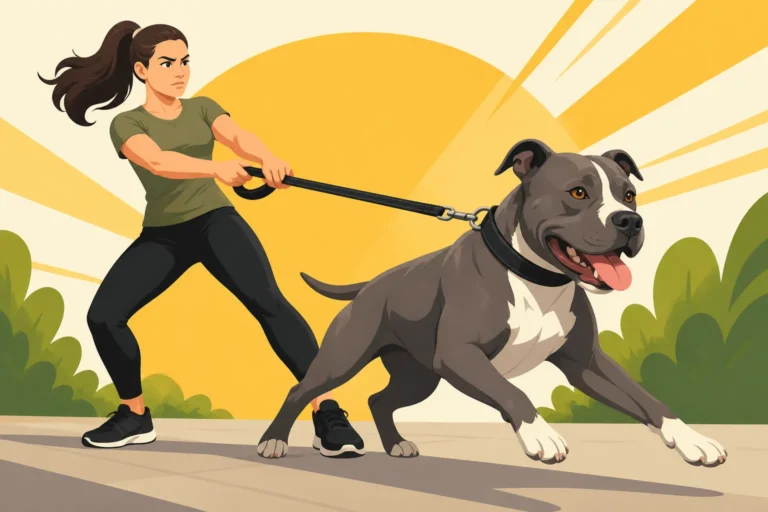
Front-clip harnesses and leash control techniques give smaller handlers safe leverage against fifty-pound Pit Bull Terriers.

Prong collars for Pit Bulls, detailing how metal links work, their negative reinforcement mechanics, and opposing views on use.
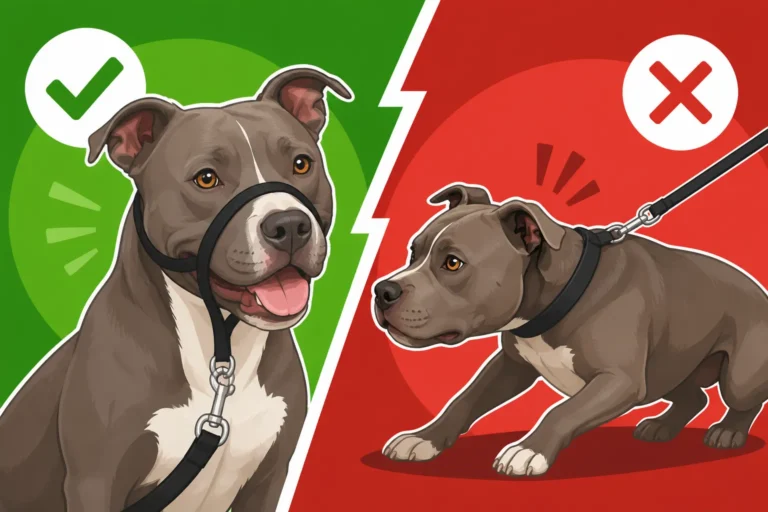
Head halters for Pit Bulls control leash pulling by shifting leverage from the neck to the head, preventing dogs from using their chest strength.
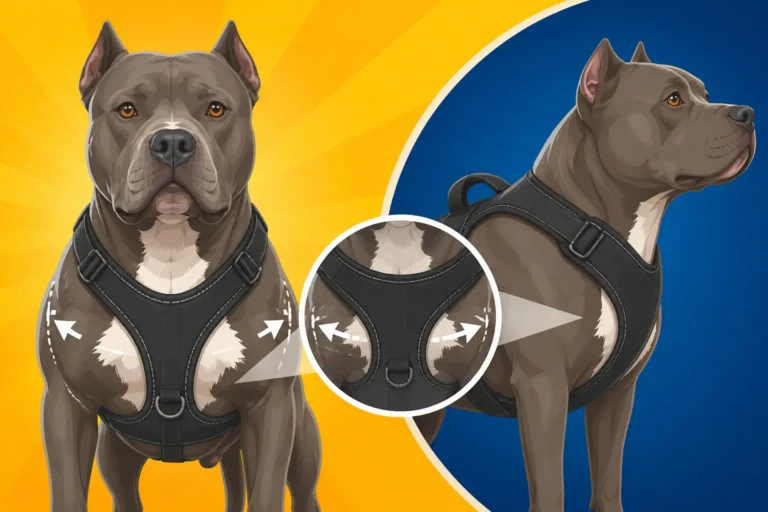
Pit Bull harness fit explains how deep, broad chests cause chafing, and details precise measurements needed for secure walks.
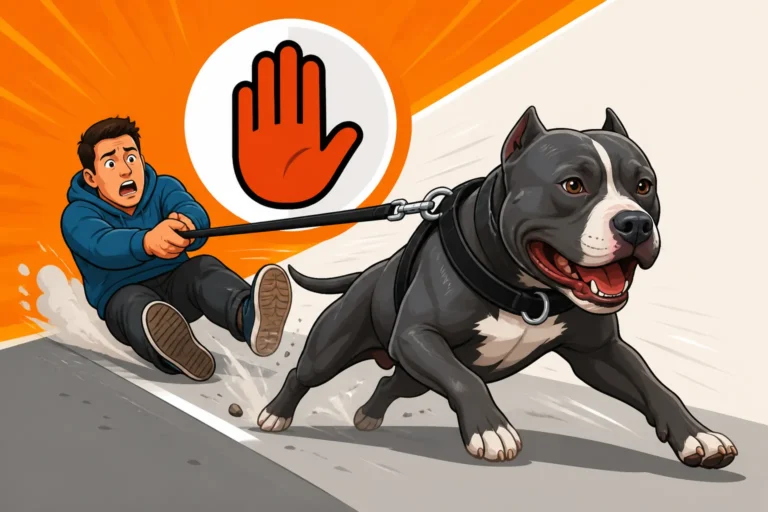
Strong Pit Bull pulling behavior requires understanding natural instincts, foundational leash training, and front-clip harnesses for control.