Building a Pit Bull’s Impulse Control
Pit Bull impulse control training strategies help dogs pause, think, and choose appropriate behaviors instead of reacting instantly.
Work with the temperament you have.
House-training and crate work, recall, leash manners, separation anxiety, and the behaviors this breed is wired for.
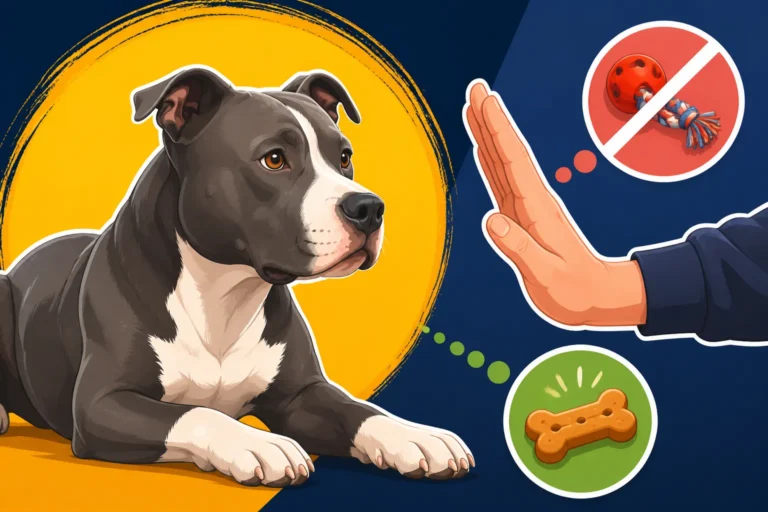
Pit Bull impulse control training strategies help dogs pause, think, and choose appropriate behaviors instead of reacting instantly.
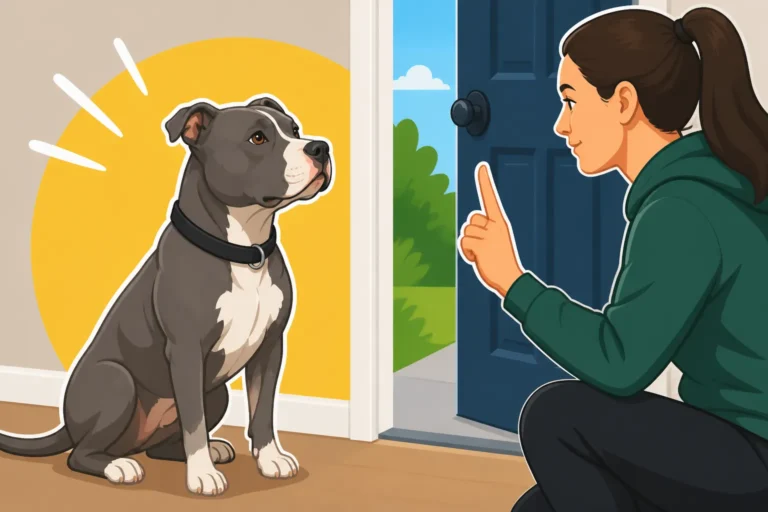
Teaching a forty to seventy pound Pit Bull to sit and wait before every door prevents escapes and builds impulse control.

High value treats help Pit Bulls maintain focus around distractions by outcompeting environmental lures during training sessions.
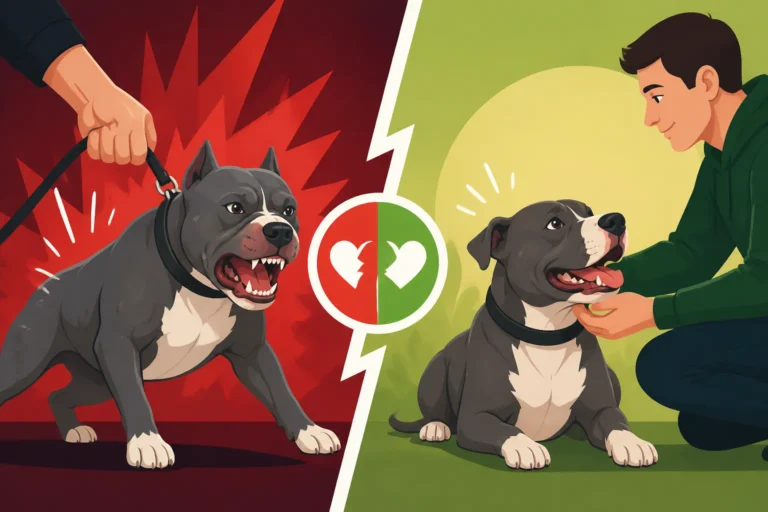
Harsh handling of a Pit Bull damages trust, creates behavioral issues, and ruins cooperative relationships through fear.
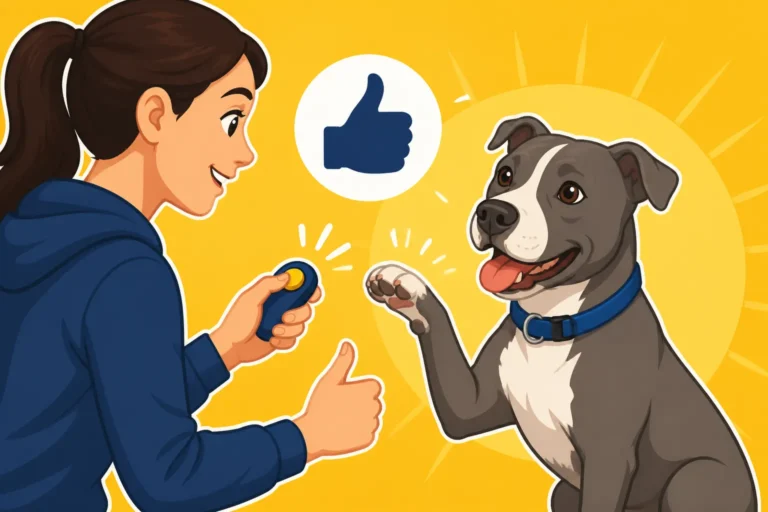
Clicker training uses a mechanical device and operant conditioning to help intelligent Pit Bulls learn commands and build trust.
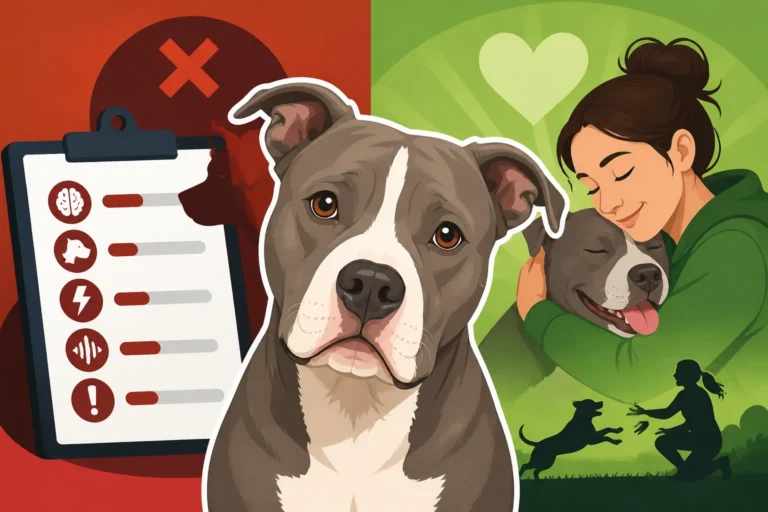
Temperament tests cannot predict a Pit Bull dog future behavior because environment and consistent training truly shape character.
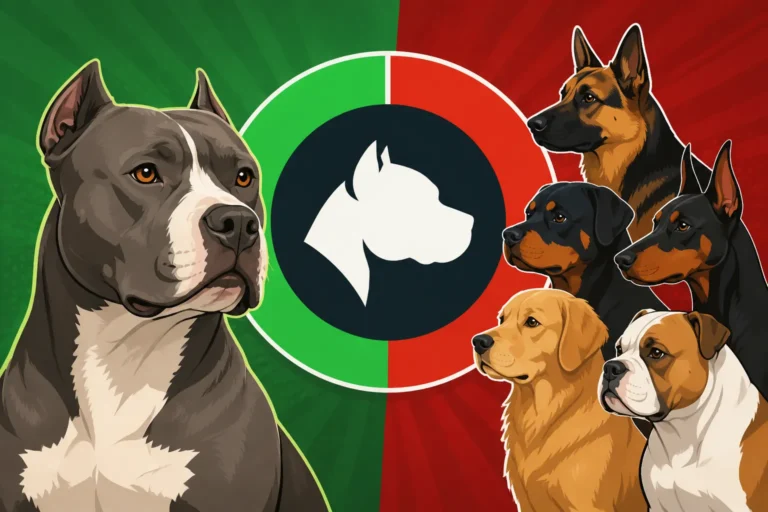
Pit Bull temperament test results from the American Temperament Test Society show objective pass rates compared to other popular dog breeds.
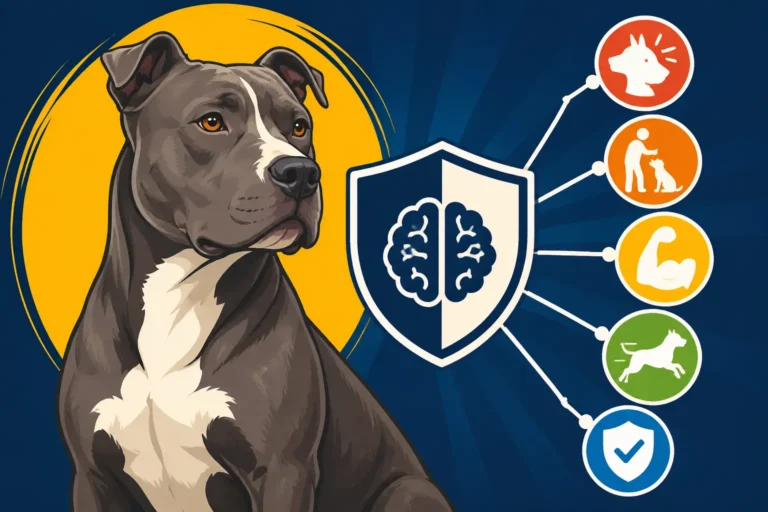
The American Temperament Test Society evaluation measures stability, recovery from startle events, and reactions to unusual situations.
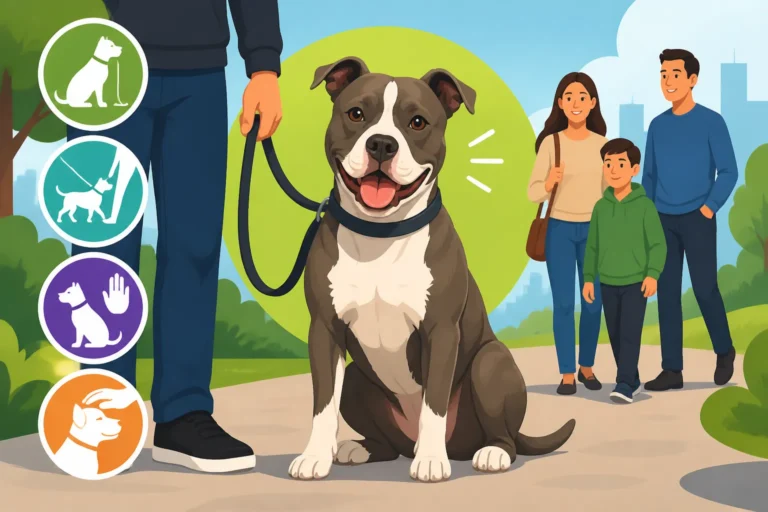
Public manners for a fifty pound Pit Bull reduce negative stereotypes and navigate intense public scrutiny during every walk.

Historical events and media narratives explain why Pit Bulls face negative public assumptions and strict breed legislation.