Bringing a Pit Bull Into a House With a Dog
Introducing a new Pit Bull to a resident dog requires careful steps and monitoring canine body language to prevent conflict.
Work with the temperament you have.
House-training and crate work, recall, leash manners, separation anxiety, and the behaviors this breed is wired for.

Introducing a new Pit Bull to a resident dog requires careful steps and monitoring canine body language to prevent conflict.

Pit Bull dog selectivity explains how breed history and social maturity affect multi-dog household compatibility and peaceful coexistence.

Pit Bull dog selectivity means preferring certain dogs while reacting to others, explaining signs, management, and training methods.
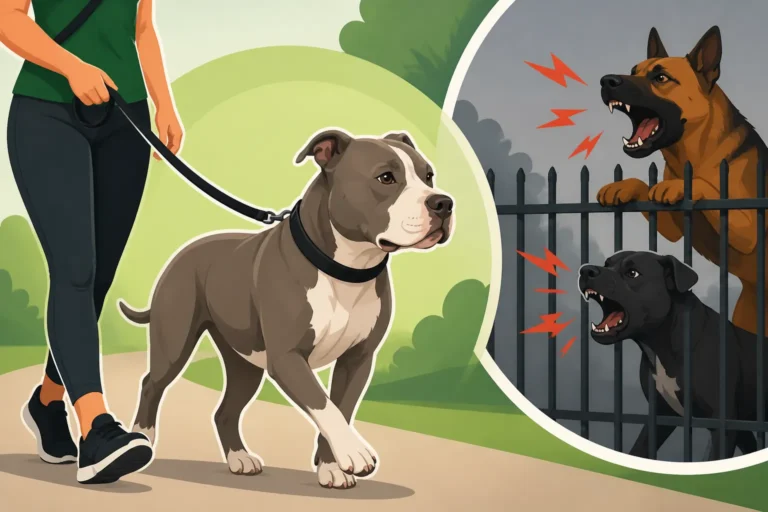
Walking a Pit Bull past reactive dogs requires managing public perception, learning early body language cues, and using proper equipment.

Pit Bull harnesses and front-clip head halters prevent tracheal strain and manage strong pulling dogs on walks safely.

Fifty-pound Pit Bull leash pulling stems from physical power and excitement, not dominance, requiring clear communication techniques.

Pit Bull training sessions require managing distractions, choosing quiet environments, and using high-value rewards for success.

Positive reinforcement training helps Pit Bull owners build trust and teach leash manners using rewards instead of punishment.

American Temperament Test Society pass rates reveal the true stability and confidence of Pit Bull type dogs across ten different stations.

Pit Bull double standards and negative public perceptions stem from media misinformation, breed generalizations, and historical misconceptions.