Chews Safe for Pit Bull Teeth
If you're a Pit Bull owner, you know the struggle is real when it comes to finding a chew toy that stands a chance against those powerful jaws. It feels like you spend more time researching "indestructible" toys than you do actually playing with them, only for your strong chewer to decimate them in minutes, or worse, break a tooth on something marketed as "tough." This guide is all about navigating that tricky landscape, helping you identify truly safe and satisfying chews that will keep your Pit Bull happy, healthy, and out of the emergency vet room for dental repairs.
Understanding Your Pit Bull's Unique Chewing Needs
Pit Bulls are renowned for their strength, and that reputation extends directly to their mouths. They possess incredible jaw power, often exceeding what many other breeds can deliver, which means a chew that might last weeks for a Golden Retriever could be gone in an hour for your Pit Bull. It's not just about destruction; chewing is a fundamental, instinctual behavior that helps keep their teeth clean, relieves stress, and provides mental stimulation. When they don't have appropriate outlets, they often turn their attention to your furniture, shoes, or anything else they can get their formidable jaws around.
The Power Behind a Pit Bull's Jaw
Let's be honest, a Pit Bull's jaw strength is impressive, almost a marvel of canine engineering. Their broad muzzles, strong muscles, and compact teeth are built for gripping and tearing, a legacy of their bull-and-terrier ancestry. This isn't just an anecdotal observation; studies on bite force often place dogs with similar cranial structures in the higher echelons. While the "locking jaw" myth is just that – a myth – their determination and sheer physical strength mean they can apply sustained pressure to objects in a way that will make short work of most standard dog toys.
This incredible power means you can't just pick up any chew off the shelf and expect it to be safe or last. A chew that fragments easily or has sharp edges can turn dangerous quickly. Imagine your fifty-pound Pit Bull applying hundreds of pounds of pressure to a seemingly innocent plastic toy; it could shatter, leaving sharp shards that can lacerate gums, splinter teeth, or even cause internal damage if swallowed. Understanding this isn't about fear-mongering, but about responsible ownership and acknowledging the unique physical capabilities of your beloved companion.
Why "Indestructible" Often Isn't Enough
The pet product market is flooded with toys advertised as "indestructible," "power chewer," or "tough." For a Pit Bull owner, these claims often feel like a cruel joke. Many of us have invested good money in these supposedly bomb-proof items, only to watch our dogs make quick work of them, sometimes in a matter of minutes. The problem isn't necessarily that the toys are falsely advertised, but that the term "indestructible" is relative. What's indestructible for a Chihuahua is certainly not for a strong-jawed Pit Bull.
These toys are often made from hard plastics or rubber. While some are indeed very robust, others simply don't stand up to the relentless, focused chewing of a determined Pit Bull. Furthermore, some materials, while hard, can be too rigid, posing a significant risk of dental fractures. A broken tooth, especially a molar in the back, can be incredibly painful for your dog and lead to expensive vet visits for extraction or root canal therapy. So, when you see that "indestructible" label, it's crucial to apply an extra layer of skepticism and consider the specific material and design in relation to your Pit Bull's chewing style. We need chews that are not just durable, but appropriately durable – tough enough to last, but with enough give to protect their teeth.
The Hidden Dangers of Common Chews for Pit Bulls
It's easy to assume that any product marketed for dogs is safe, but for Pit Bulls, certain popular chew types can pose serious risks. The very things that make a chew appealing – its hardness, its ability to clean teeth, its long-lasting nature – can also be its downfall when pitted against a strong chewer. As owners, we want the best for our dogs, but navigating the myriad of options requires a keen understanding of potential hazards.
Broken Teeth and Costly Vet Bills
One of the most common and painful dangers associated with inappropriate chews is dental trauma, specifically broken teeth. Pit Bulls are particularly susceptible because of their powerful bite. Chews that are too hard, such as natural antlers, bones that haven't been properly prepared, nylon toys that are rock-solid, or even ice cubes, can act like a wedge against a tooth. When your dog applies immense pressure, the tooth, not the chew, is often the one to give way.
Fractured teeth expose the sensitive pulp chamber, leading to excruciating pain, infection, and often, the need for costly procedures like root canals or extractions. A molar, one of those big chewing teeth at the back, is frequently the victim, and these repairs can run into the hundreds or even thousands of dollars. It’s far more economical, and certainly kinder to your dog, to invest in chews that offer some flex and resilience rather than opting for the absolute hardest options available. Prioritizing tooth safety over perceived longevity is paramount, especially when you consider a trip for Pit Bull Dental Cleaning Schedule can already be an annual expense, let alone emergency surgery. Remember the advice often given: if you can’t dent it with your thumbnail, or if it would hurt to hit your kneecap with it, it’s probably too hard for your dog’s teeth. You don't want to find yourself dealing with Pit Bull Broken Teeth From Hard Chewing.
Choking Hazards and Digestive Woes
Beyond dental damage, many chews can become choking hazards or cause significant digestive problems. As your Pit Bull chews, pieces of the toy or edible item can break off. If these pieces are small enough, they can be swallowed whole, posing a choking risk, especially for enthusiastic chewers who might not take the time to properly break down their food. Larger fragments can get stuck in the esophagus or stomach, requiring emergency veterinary intervention.
Furthermore, some materials, particularly certain types of rawhide or highly processed edible chews, can be difficult for dogs to digest. If large chunks are swallowed, they can cause intestinal blockages, which are life-threatening and require immediate surgery. Even smaller, more digestible pieces can lead to stomach upset, vomiting, or diarrhea if consumed in excess or if the material isn't suitable for your dog's sensitive system. Always consider the chew's consistency as it breaks down and how easily those pieces can be passed.
Contaminants and Unsuitable Materials
Another less obvious danger lies in the materials themselves. Some chews, especially those imported from unregulated sources, can contain harmful chemicals, dyes, or preservatives. While reputable brands adhere to safety standards, the cheaper, unknown options might not. These contaminants can leach into your dog's system over time, potentially leading to chronic health issues.
Beyond chemical concerns, certain natural materials, like poorly processed pig ears or bully sticks, can sometimes harbor bacteria like Salmonella, posing a risk to both your dog and your family. Even seemingly benign items like tennis balls can be problematic; the abrasive felt can wear down tooth enamel over time, especially for dogs who chew and retrieve them frequently. It’s crucial to source chews from trusted manufacturers who prioritize safety and use human-grade or pet-safe materials. Reading reviews, checking for certifications, and understanding the ingredient list for edible chews is a must for any Pit Bull owner trying to avoid problems like Chews That Crack a Pit Bull Molar.
Categories of Safe and Durable Chews for Pit Bulls
Finding that sweet spot between durability and safety for a Pit Bull can feel like a quest, but thankfully, there are categories of chews that tend to fare much better. It’s not just about how long they last, but how they break down (or don’t) and what kind of impact they have on your dog’s teeth and digestive system. Let’s explore some of the best options that can withstand a Pit Bull's enthusiasm.
Rubber and Nylon Power Chewer Toys
When it comes to non-edible chews, high-quality, dense rubber, and reinforced nylon toys are often the champions for Pit Bulls. Brands that specifically design for "power chewers" often use proprietary rubber formulas that are tough yet flexible enough to prevent tooth fractures. Look for toys that have passed rigorous safety tests and are known for their resilience. These typically have a slight give when pressed, rather than being rock-hard.
Examples include classic Kong Extreme toys, which can be stuffed with treats or peanut butter for extended engagement, or solid rubber bones and balls from brands like Goughnuts. These toys are designed to resist punctures and shredding, breaking down into very large, difficult-to-swallow pieces, if at all. Nylon chews, while very hard, are often designed to fray into tiny, bristle-like pieces that are less likely to cause impaction than large shards. However, even with these, consistent monitoring is essential. Once a nylon toy becomes too small or has sharp edges, it's time to replace it. A great place to explore a wide range of these durable options is through retailers like Amazon, where you can read countless reviews from other power-chewer owners to help guide your choice.
Edible Chews Designed for Aggressive Chewers
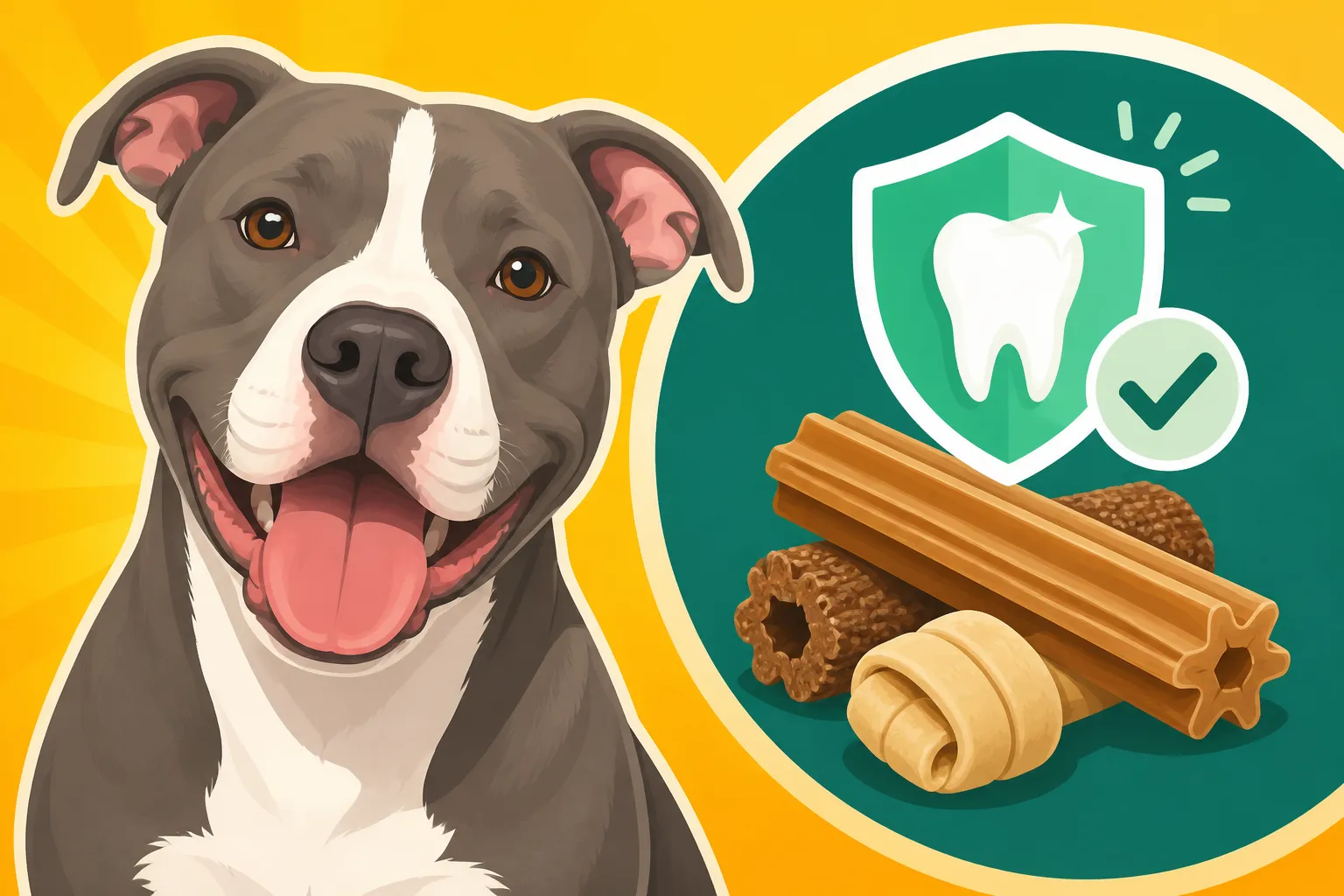
For those times when your Pit Bull needs something they can actually consume, specially formulated edible chews for aggressive chewers are a good bet. These are typically denser, longer-lasting, and made with ingredients that are digestible. Think about dental chews that aren't meant to be swallowed in one gulp but rather slowly gnawed down, offering both satisfaction and some dental benefit.
Options like certain yak cheese chews (provided they are solid and don't splinter easily), or dense, long-lasting dental sticks from reputable brands, can work well. The key is to choose those with a texture that is firm but not brittle. Many owners also find success with subscription services like Ollie for fresh, human-grade food, and they sometimes offer appropriate, carefully curated chews as add-ons or separate purchases, ensuring high quality and thoughtful sourcing. Always check the ingredient list for potential allergens if your Pit Bull suffers from Food Allergies Behind Pit Bull Itching.
| Chew Type | Durability for Pit Bulls | Dental Safety | Choking Risk | Digestibility (if edible) | Notes |
|---|---|---|---|---|---|
| Feature / Characteristic | American Pit Bull Terrier (APBT) | American Staffordshire Terrier (AmStaff) | |||
| ———————————– | —————————————————————– | —————————————————————————– | |||
| Primary Registering Body | United Kennel Club (UKC) and American Dog Breeders Association (ADBA) | American Kennel Club (AKC) | |||
| AKC Status | Not recognized as a distinct breed by AKC | Recognized as a distinct breed by AKC | |||
| Origin | Developed in the United States from English imports | Also developed in the United States, shares common ancestry with APBT | |||
| Historical Purpose | Bred for bull-baiting, dog-fighting (historically), farm work, companionship | Bred for fighting (historically), but developed more for conformation and temperament within AKC. | |||
| Physical Appearance (General) | Tends to be slightly larger, more athletic build, varying body types based on breeding lines. | Often a bit more compact, heavier boned, and uniform in appearance due to strict AKC standard. | |||
| Head Shape | Broad, strong, with well-defined cheeks. Can vary more. | Broad, with a pronounced stop and very strong jaws. More consistent. | |||
| Body Build | Muscular, powerful, athletic; can appear more "racy" or agile. | Muscular, stocky, powerful, often described as a "brick" in build. | |||
| Weight Range | Generally 30-65 pounds (can vary) | Generally 40-70 pounds (can vary, often heavier end of the Pit Bull "type") | |||
| Height Range | Generally 17-21 inches (can vary) | Generally 17-19 inches | |||
| Temperament (Ideal) | Loyal, confident, good-natured, eager to please, high prey drive possible. | Brave, strong, gentle with family, intelligent, good-natured. Often described as a stable temperament. | |||
| Breed Standard Focus | Emphasizes working ability, agility, strength, game-readiness (historically). | Emphasizes specific physical conformation and stable temperament for the show ring. | |||
| Variability within Breed | More varied in appearance and size due to different breeding goals and broader standards. | Less variability in appearance due to strict adherence to AKC standard. | |||
| Common Misconception | Often misidentified simply as "Pit Bull" and conflated with other bully breeds. | Often assumed to be just another "Pit Bull," but is a distinct AKC breed with its own standard. |
Natural Chews with Careful Consideration
Natural chews, while often appealing because they seem "real" and healthy, require the most careful consideration for Pit Bulls. This category includes things like raw bones, antlers, and bully sticks. The biggest pitfall here is the hardness and potential for splintering. While a raw, meaty recreational bone (like a beef knuckle bone) can be a fantastic, enriching chew, it comes with caveats. Never give cooked bones, as they splinter easily. Always supervise closely, ensure the bone is appropriately sized (too small is a choking hazard, too large might be ignored), and remove it when it becomes small enough to swallow. Raw Bones and a Pit Bull's Jaw Strength is a real consideration here.
Antlers are often marketed as extremely durable, and they are – sometimes too much so. Their non-yielding hardness can be just as dangerous as other hard objects, leading to slab fractures of molars. If you opt for an antler, choose a softer, split antler that exposes the marrow, reducing the risk of dental injury. Bully sticks, while generally digestible, can be consumed very quickly by a determined Pit Bull, leading to potential stomach upset or, if a large piece is swallowed whole, a choking or blockage risk. You can find many of these types of natural chews at online pet supply stores like Chewy, which often carry a wide range of brands and customer reviews to help you make informed decisions. Always err on the side of caution with natural chews and provide them only under strict supervision.
Choosing the Right Chew: Size, Material, and Supervision
The sheer variety of chews available can be overwhelming, making the decision process feel like a minefield. For Pit Bull owners, it's not enough to just grab the biggest or most expensive option. A thoughtful approach that considers the specific characteristics of your dog, the chew itself, and your ability to supervise is crucial for safety and satisfaction.
Matching Chew Size to Your Pit Bull
One of the most fundamental rules of chew safety is size appropriateness. A chew that is too small for your Pit Bull can quickly become a choking hazard. Imagine your powerful chewer getting a small, hard object lodged in their throat – it's a terrifying scenario no one wants to face. Conversely, a chew that is ridiculously large might be too unwieldy or simply uninteresting to them.
For a Pit Bull, this usually means opting for chews labeled for "large" or "extra-large" breeds, even if your dog isn't at the absolute top of the weight scale. The key is to select a chew that cannot be entirely swallowed, even if it gets lodged sideways in their mouth. It should be large enough that they have to actively work at it, holding it with their paws and chewing with their back molars, rather than trying to fit the whole thing in their mouth. As a rule of thumb, if it's smaller than their jaw width, it's too small. This helps prevent swallowing too quickly and also encourages proper chewing mechanics, which can contribute to better dental health and prevent Tartar Building on Pit Bull Molars.
Assessing Chew Material and Design
Beyond size, the material and design of a chew are paramount. For robust chewers like Pit Bulls, you want materials that are durable but have some give. We've discussed the dangers of rock-hard chews; instead, look for dense, flexible rubber or highly compressed nylon designed to stand up to strong jaws without being completely rigid. Some companies even offer different "hardness" levels within their lines, so you can tailor it to your specific dog's chewing intensity.
Consider the chew's shape and texture as well. Toys with nubs, ridges, or interesting contours can help clean teeth and engage your dog more effectively. Avoid chews with small, protruding parts that can easily break off and be swallowed. If it’s an edible chew, read the ingredient list carefully. Look for single-ingredient items or those with minimal, recognizable components. If your Pit Bull has known sensitivities or allergies, scrutinize the ingredients even more closely. This also extends to how the chew is designed to break down: ideally, it should wear down slowly and safely, or fray into small, manageable pieces, rather than breaking off in large, potentially dangerous chunks.
The Importance of Active Supervision
Perhaps the most critical, yet often overlooked, aspect of chew safety is active supervision. No chew, no matter how highly rated or specifically designed, is 100% foolproof, especially with a determined Pit Bull. Things can go wrong quickly, and being present to intervene can prevent a minor incident from becoming a major emergency.
Active supervision means more than just being in the same room. It means paying attention to how your dog is interacting with the chew. Are they chewing appropriately, or trying to swallow large pieces? Is the chew starting to break apart in a dangerous way? Has it become small enough to pose a choking risk? If you see signs of excessive wear, splintering, or if your Pit Bull is trying to gobble it, it's time to remove the chew. This also extends to managing multiple dogs in a household; supervised chewing prevents resource guarding issues, such as A Pit Bull Standing Over a Bone, which can lead to conflict. Don't leave your Pit Bull unattended with any chew, especially new ones, until you're absolutely confident in its safety and your dog's chewing habits with that specific item.
Maintaining Chew Health and Longevity
Even the best chews for Pit Bulls aren't a "set it and forget it" solution. To maximize their safety, effectiveness, and lifespan, it's important to have a routine for monitoring, cleaning, and knowing when to let go. This mindful approach not only protects your dog but also makes your investment in durable chews more worthwhile.
Knowing When to Discard a Chew
One of the hardest parts of being a Pit Bull owner is knowing when to say goodbye to a favorite chew. Your dog loves it, it's served its purpose, but it's now reached a point of potential danger. For non-edible rubber or nylon toys, the critical indicator is when the toy has been chewed down to a size that could be swallowed, or when large, sharp pieces have broken off. If you notice severe cracking, large chunks missing, or if the texture has changed significantly (e.g., becoming brittle), it's time for the trash can. A good rule of thumb is: if it's significantly smaller than its original size, or if your dog can fit the entire remaining piece into their mouth, it's too risky.
For edible chews, the decision is often simpler: they're gone when they're gone. However, if an edible chew splinters into sharp pieces while being consumed, or if your dog is consuming it far too quickly, it might not be the right type of edible chew for them in the first place. Always monitor how they are breaking it down. If you're consistently replacing chews within a day or two because of aggressive chewing, it might be worth exploring even more robust options, or rotating through different types to keep your Pit Bull engaged while prolonging the life of each item. This vigilance is a key part of preventing serious issues like Pit Bull Dental Disease and Hard Chewing.
Cleaning and Care for Reusable Chews
For those durable rubber and nylon chews, regular cleaning is essential. Over time, these toys can accumulate dirt, grime, saliva, and food residue, becoming a breeding ground for bacteria. A simple routine of washing with warm, soapy water (using pet-safe dish soap) and thoroughly rinsing can keep them hygienic. Some rubber toys are even dishwasher safe – just be sure to check the manufacturer's instructions.
Proper care also extends to where you store these chews. Keeping them in a clean, dry place between uses helps prevent mold or mildew growth. If your Pit Bull tends to bury their chews outside, give them a good scrub before bringing them back indoors for continued play. This not only maintains hygiene but can also make the chew more appealing to your dog if it doesn't smell stale. Regularly inspecting the chews during cleaning also gives you another opportunity to check for wear and tear, ensuring that only safe toys remain in rotation.
Beyond Traditional Chews: Enriching Chewing Experiences
While having a stash of safe, durable chews is vital, expanding your Pit Bull's chewing repertoire can provide additional benefits, from enhanced dental hygiene to crucial mental stimulation. Chewing is a versatile behavior, and by offering a variety of safe outlets, you can cater to different needs and keep your intelligent companion engaged.
Dental Health Focused Chews and Routines
Beyond just satisfying the urge to chew, some products are specifically designed to promote dental health. These often feature textures and shapes engineered to scrape plaque and tartar off teeth as your dog chews. While no chew can entirely replace regular brushing or professional dental cleanings, they can certainly be a valuable part of a comprehensive oral hygiene strategy. Look for VOHC (Veterinary Oral Health Council) approved dental chews, as these have undergone testing to prove their efficacy.
Remember, though, that even VOHC-approved chews need to be appropriate for your Pit Bull's chewing power. If they consume it in seconds, it won't have enough contact time to do much good. Consider combining these chews with other dental care routines. For instance, after a good chew session, you might follow up with a quick A Weekly Toothbrushing Routine for a Pit Bull to target any spots the chew missed. Stuffed Kongs or similar puzzle toys, filled with dog-safe pastes or kibble, can also promote licking and gnawing, which can have a cleansing effect on teeth and gums.
Puzzle Toys and Mental Stimulation
Pit Bulls are intelligent dogs who thrive on mental engagement. Chewing isn't just a physical act; it's a mentally stimulating one that helps relieve boredom and stress. Puzzle toys that dispense treats as your dog works at them are fantastic for this. They encourage problem-solving and prolong the chewing experience, turning mealtime or snack time into an enriching activity. These toys are typically made from very durable rubber or hard plastic, designed to withstand chewing while your dog figures out how to get the reward.
These types of toys often require a different kind of focus than simply gnawing on a bone. Your Pit Bull has to manipulate the toy, roll it, or perhaps lick vigorously to access the goodies inside. This mental effort can be just as tiring as physical exercise, leading to a calmer, more satisfied dog. Many of these durable puzzle toys can be found at pet supply retailers, including Chewy and Amazon, where you can browse options from simple treat-dispensing balls to more complex interactive feeders that demand more strategic chewing and pawing. They’re a great way to occupy your dog when you need them to settle down, perhaps after a long walk or during times you need to focus on other tasks.
Safe Raw Bones: A Calculated Risk
We touched on raw bones earlier, but it's worth reiterating their specific role and the calculated risk involved. When chosen and supervised correctly, raw recreational bones (never weight-bearing bones from large animals, which are too dense and pose a high fracture risk) can provide immense chewing satisfaction and some natural dental abrasion. The key is "recreational" – these are not meant to be fully consumed, but gnawed on.
Good choices might include beef knuckle bones, marrow bones (once the marrow is removed to avoid excessive fat intake), or large pieces of beef ribs. They should be larger than your Pit Bull's muzzle and too big to be swallowed whole. Always give raw bones only, as cooked bones are brittle and splinter dangerously. Provide them on an easy-to-clean surface, like outdoors or on a designated mat, and always, always supervise your dog. Remove the bone if it starts to splinter, becomes too small, or if your dog becomes overly possessive. This is an advanced chew option that requires an owner to be fully informed and constantly vigilant, but for many Pit Bulls, the reward of a good raw bone is unmatched.
Disclaimer
This article is for general informational purposes only and does not constitute professional advice. Laws, prices and regulations vary by location and change over time. Consult a qualified professional for guidance on your specific situation.