Moving a Pit Bull Off Puppy Formula
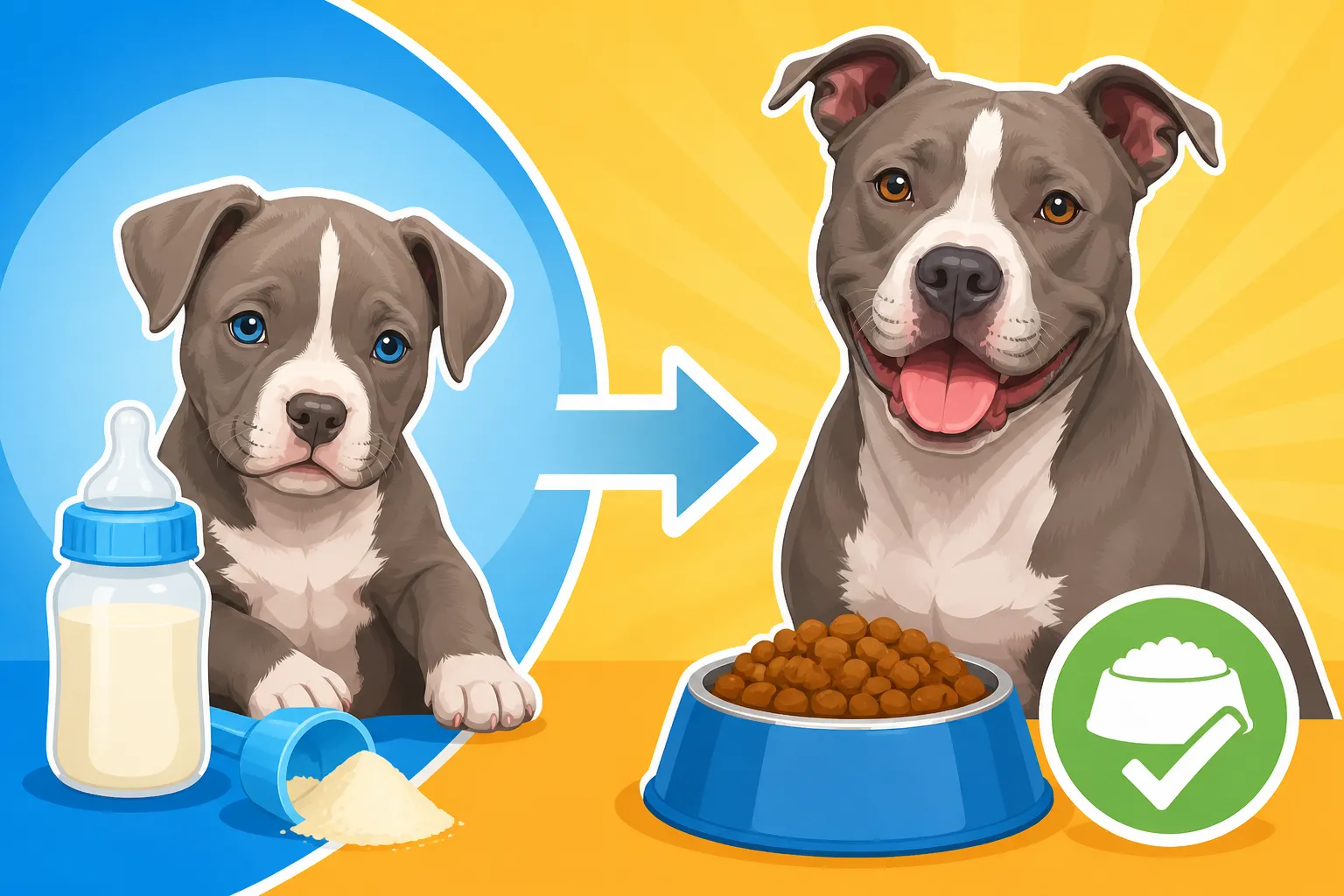
One of the most common anxieties for any Pit Bull owner, especially new ones, is knowing exactly when and how to transition their beloved, growing puppy from calorie-dense puppy food to a more appropriate adult formula. It's not just about swapping bags; it's about supporting their powerful development without encouraging unhealthy growth or weight gain. This guide will walk you through the nuanced process of moving your Pit Bull off puppy formula, ensuring a smooth and healthy transition that sets them up for a vibrant adult life.
Understanding Your Pit Bull Puppy's Growth Stages
Pit Bull puppies are bundles of energy and muscle in the making, and their nutritional needs during their formative months are vastly different from those of an adult dog. It’s easy to think "food is food," but for a growing Pit Bull, the distinction between puppy and adult formula is critical for their long-term health.
The Rapid Growth Phase
From the moment they're born until roughly 6-8 months, Pit Bull puppies experience an incredible growth spurt. Their bones are lengthening, their muscles are developing, and their brains are soaking up everything like a sponge. Puppy food is specifically formulated to fuel this intense period of development. It’s packed with higher levels of protein, fat, and essential vitamins and minerals, all designed to support rapid growth and high energy expenditure. Think of it like rocket fuel for little bodies.
However, this rocket fuel isn't meant for sustained use once the initial launch phase is over. Continuing to feed such a nutrient-dense diet past the point of rapid growth can have unintended consequences, such as putting too much strain on their developing skeletal system. It's a delicate balance; you want to support their growth without overdoing it. A growing Pit Bull needs careful attention to its diet to prevent issues down the line. Many new owners worry about underfeeding, but often the reverse becomes true as puppies get older and their metabolism starts to regulate.
When Growth Plate Closure Influences Diet
For Pit Bulls, like other medium to large breeds, their growth plates—areas of cartilage at the ends of long bones—don't fully close until later in their development, often around 12 to 18 months of age. These growth plates are crucial for bone lengthening, and while they're open, they're vulnerable to injury if subjected to excessive stress or rapid weight gain. This is a huge factor in deciding when to transition off puppy food.
High-calorie puppy foods, if fed for too long, can encourage too-rapid growth, which can, in turn, put undue stress on these still-developing joints and growth plates. While Pit Bulls are known for their robust health, conditions like hip and elbow dysplasia can be exacerbated by overly fast growth or carrying extra weight during this critical period. It’s not just about preventing obesity; it’s about allowing their skeletal system to mature at a healthy, steady pace. You want a strong, sound foundation, and that means respecting their natural developmental timeline. The Age a Pit Bull Finishes Growing gives a broader overview of when you can expect your Pit Bull to reach their full adult size.
Signs Your Pit Bull is Ready for Adult Food
Knowing when to make the switch from puppy to adult food is often the trickiest part. There isn't a hard and fast rule that applies to every single Pit Bull, as genetics, activity level, and individual metabolism play a role. However, there are clear signs to look for that indicate your dog is ready for a change in their diet.
Reaching Physical Maturity
Most Pit Bulls typically reach their full physical size and skeletal maturity somewhere between 10 to 18 months of age. For some individuals, especially larger males, it might even stretch a little closer to two years. What does "physical maturity" look like? You'll notice their growth rate slowing down significantly. The gangly, awkward puppy phase starts to give way to a more "filled out" and adult appearance. They'll stop gaining height and length at the same rapid pace you saw in their earlier months.
You should be able to feel their ribs easily, but not see them protruding. They should have a noticeable waist when viewed from above, and their belly should tuck up slightly when viewed from the side. If your Pit Bull still looks very "puppyish" – all legs and growing every time you turn around – they might not be quite ready. But if they've settled into their adult frame, even if they're still gaining a little muscle, it's a good indicator that their structural growth is largely complete and they no longer require the intense caloric density of puppy food.
Behavioral and Activity Level Changes
Pit Bull puppies are notorious for their boundless, often chaotic, energy. They seem to have an endless fuel tank, zooming around, pouncing, and playing with an intensity that can exhaust even the most dedicated owner. As they mature, while still active dogs, you might notice a subtle shift in their energy levels. They might settle down more readily after play, or their bursts of energy might become more predictable rather than constant.
Similarly, their eating habits might change. A younger puppy might scarf down food with incredible urgency, always seeming hungry. As they approach adulthood, their frantic hunger pangs can become more regulated. They might eat with less frenetic energy, or even leave a little food in the bowl sometimes. This doesn't mean they're unwell; it often means their metabolism is slowing down from the constant growth demands, and they are becoming more efficient with their energy intake. If your Pit Bull is still acting like a hyperactive, constantly ravenous infant, they might still benefit from puppy food for a little longer.
Weight Management and Body Condition
This is arguably the most critical factor, especially for a muscular breed like the Pit Bull. Puppy food is incredibly calorie-dense, and continuing to feed it past the point of peak growth can easily lead to excess weight. For Pit Bulls, who naturally have a sturdy, athletic build, it can be tricky to tell if they're carrying extra fat or just looking well-muscled. Many owners, with the best intentions, often mistake puppy chub for burgeoning muscle.
A healthy Pit Bull, regardless of age, should have an hourglass figure from above and a tuck-up at the waist from the side. You should be able to easily feel their ribs when running your hand along their side, without pressing hard, and definitely without seeing them protrude sharply. You should also be able to feel the bones of their hips and spine beneath a thin layer of muscle and fat. If your Pit Bull looks rounder than usual, lacks a defined waist, or has a belly that sags, it’s a strong sign they're carrying too much weight, and transitioning to an adult formula is imperative to help manage their caloric intake. Overweight puppies are at a higher risk for joint issues later in life. Why Muscle Makes Pit Bull Weight Hard to Judge offers deeper insights into how to accurately assess your Pit Bull's physique.
The Transition Process: A Step-by-Step Guide
Once you've determined your Pit Bull is ready to move onto adult food, the actual transition needs to be handled with care. A sudden switch can wreak havoc on your dog's digestive system, leading to upset stomachs, diarrhea, or even food refusal. A gradual approach is always best, giving their body time to adjust to the new ingredients and nutritional profile.
Choosing the Right Adult Formula
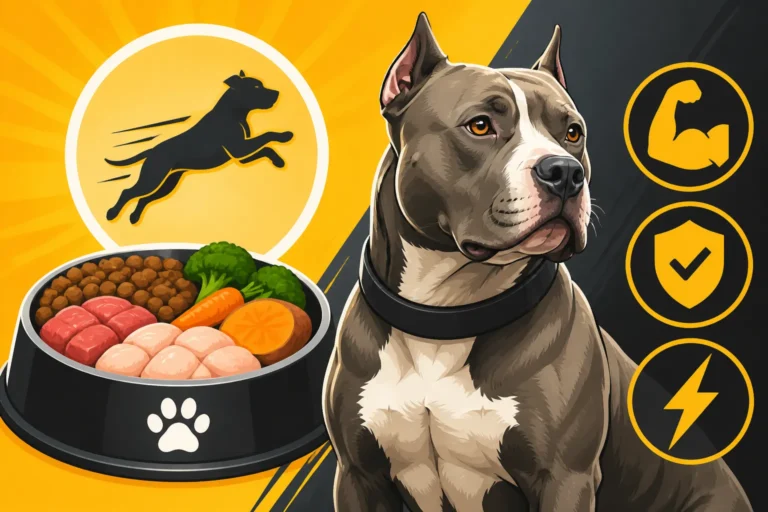
This is where a little research goes a long way. Don't just grab the first bag of "adult dog food" you see. For a powerful, athletic breed like a Pit Bull, you'll want a high-quality adult formula that supports lean muscle mass and sustained energy. Look for foods with real meat (like chicken, beef, or lamb) as the first ingredient, and avoid those with excessive fillers or artificial additives. Different brands offer various formulations, from grain-inclusive to grain-free, and limited ingredient diets.
Consider your Pit Bull's individual needs. Are they particularly active? Do they have any sensitivities? Brands like Orijen, Blue Buffalo, or Royal Canin often have breed-specific or active-breed formulas that could be a good fit, or you might find excellent options on online retailers like Chewy or Amazon, where you can read reviews and compare ingredients easily. Some owners even explore fresh food options, like those offered by Ollie, ensuring human-grade ingredients. Pay close attention to the protein and fat content – a balance that supports muscle without promoting excessive weight gain is ideal. What to Check on a Pit Bull Food Bag can help you decipher those often-confusing labels.
The Gradual Mix-In Method
This is the golden rule of food transitions. You want to slowly introduce the new food while phasing out the old, giving your Pit Bull's digestive system ample time to adapt. A good timeline is typically 7-10 days, but for very sensitive dogs, you might stretch it out to two weeks.
Here’s a common schedule you can follow:
| Day | Puppy Food Ratio | Adult Food Ratio |
|---|---|---|
| Day 1-2 | 75% | 25% |
| Day 3-4 | 50% | 50% |
| Day 5-6 | 25% | 75% |
| Day 7+ | 0% | 100% |
During this period, ensure you're mixing the foods thoroughly at each meal. Don't just layer them – your Pit Bull might pick out the familiar food and leave the new one. Keep a close eye on their stool quality; if you notice any significant softening or diarrhea, slow down the transition. You might need to go back a step (e.g., from 50/50 back to 75/25) and stay there for a few extra days before attempting to increase the new food again. Patience is key to a smooth transition and a happy, healthy pup.
Monitoring During the Transition
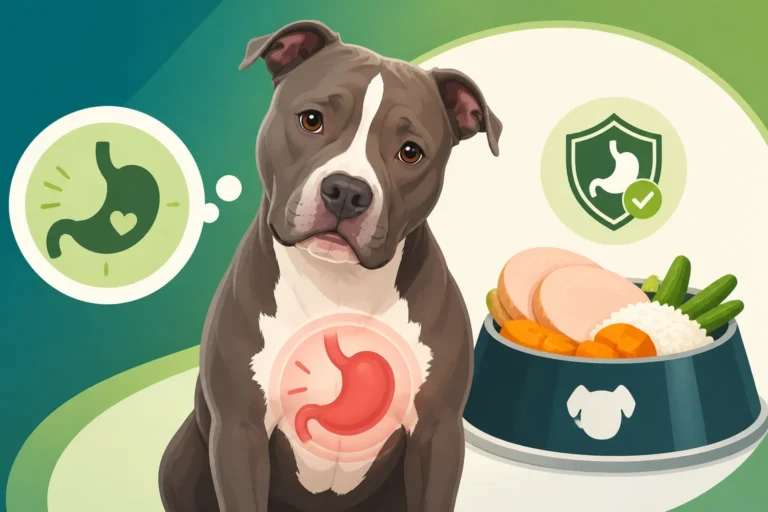
As you introduce the new adult food, your Pit Bull will likely be thrilled with the novelty, but it's vital to observe them closely for any signs of digestive upset or other issues. The primary thing to watch for is changes in their stool. A slight softening is sometimes normal as their system adjusts, but persistent diarrhea, excessive gas, or visible mucus or blood in the stool are red flags. If these occur, pause the transition, maintain the current ratio until things normalize, or even revert to the previous ratio for a day or two.
Beyond stool quality, pay attention to their appetite and energy levels. Are they still eating enthusiastically? Are they showing signs of nausea, such as lip-licking, drooling, or refusing meals? If your Pit Bull is consistently turning their nose up at the new food, it might be that the formula doesn't agree with them, or the transition is happening too quickly. Keep an eye on their general demeanor too; while it’s rare, some dogs can have allergic reactions to new ingredients, which might manifest as itching or skin irritation. A Pit Bull Puppy Stomach After Switching Food has more details on how to handle digestive upset during this sensitive time. Remember, the goal is a seamless shift, not a hurried one.
Common Pitfalls and How to Avoid Them
Even with the best intentions, owners can sometimes make mistakes during the food transition process. Being aware of these common pitfalls can help you steer clear of them and ensure your Pit Bull's journey to adult food is as smooth as possible.
Switching Too Early or Too Abruptly
One of the most frequent errors is changing food too soon, or without a gradual introduction. Some owners might see their Pit Bull puppy growing quickly and assume they're ready for adult food by 6-8 months, when in reality, their growth plates are still open and they require the specialized nutrients of puppy formula for a few more months. Switching prematurely can mean they miss out on critical nutrients needed for full skeletal and muscular development. It’s like stopping construction on a building before the foundation is truly set. Whether a Pit Bull Puppy Needs Large Breed Food touches on why early nutrition is so important for robust breeds.
On the flip side, an abrupt switch without a gradual mix-in is a recipe for digestive disaster. Imagine if you suddenly changed your entire diet overnight to something completely new and different – your stomach wouldn't be happy! Your Pit Bull's digestive system needs time to adapt to new protein sources, fat levels, and fiber content. An abrupt change often leads to vomiting, severe diarrhea, and discomfort for your dog, making the process stressful for everyone involved. Always refer back to that gradual mixing schedule, and if in doubt, err on the side of going slower.
Ignoring Weight Gain
It's tough to say no to those adorable puppy dog eyes, and it's even harder to see a Pit Bull puppy that looks "thin" when you're used to seeing solid, muscular adults. However, one of the biggest dangers of continuing puppy food for too long is unintentional weight gain. Puppy foods are calorie-dense to support rapid growth, but once that rapid growth slows, those extra calories quickly turn into fat. And for a Pit Bull, whose sturdy build can mask excess weight, it's a silent creeping problem.
An overweight Pit Bull, even as a young adult, is at a higher risk for a myriad of health problems, including joint issues (like exacerbating Pit Bull Hip Dysplasia Showing at One to Two Years), diabetes, and heart disease. It places unnecessary strain on their entire system. It’s crucial to distinguish between healthy muscle mass and excess fat. If you notice your Pit Bull is losing their waistline, or their ribs are becoming harder to feel without pushing, it's time to act. Don't be afraid to reduce their overall food portion slightly, and make the switch to an adult formula. Pit Bull Obesity and How to Spot It Under Muscle offers practical tips on how to identify and address weight issues in this breed.
Picking the Wrong Adult Food
Not all adult dog foods are created equal, and choosing the wrong one can be just as detrimental as switching incorrectly. Some common mistakes include:
- Opting for a low-quality food: Cheap foods often contain excessive fillers, artificial colors, and less digestible protein sources. While they might be budget-friendly, they often don't provide the optimal nutrition for a high-energy Pit Bull, potentially leading to dull coats, low energy, and digestive issues.
- Choosing a food with inappropriate protein/fat ratios: A sedentary adult Pit Bull won't need the same high protein and fat content as a highly active working dog. Conversely, a very active Pit Bull might thrive on a formula designed for athletic performance. Understand your dog's lifestyle and choose a food that matches their caloric and nutrient needs.
- Ignoring allergies or sensitivities: If your Pit Bull showed signs of allergies as a puppy (e.g., itchy skin, paw licking, ear infections), transitioning to an adult food is a good opportunity to consider a limited ingredient diet or a novel protein source. Reintroducing known allergens can trigger a new flare-up. Always read ingredient lists carefully, especially if your dog has a sensitive stomach or skin issues.
Take your time when selecting the new food. Read reviews on platforms like Chewy or Amazon, consult with your veterinarian, and remember that investing in a high-quality food now can save you money on vet bills down the line.
Post-Transition Care and Continued Nutrition
Successfully transitioning your Pit Bull to adult food is a big milestone, but the journey doesn't end there. Proper nutrition is a lifelong commitment, and managing their diet and exercise throughout their adult years is crucial for their overall health and longevity.
Maintaining Ideal Body Condition
Once your Pit Bull is on adult food, your new mission is to maintain that ideal lean, muscular body condition. This isn't a "set it and forget it" task. Your dog's needs will fluctuate based on their activity level, age, and even the season. A highly active Pit Bull who spends hours hiking or playing will require more calories than one who enjoys leisurely strolls around the block.
Regularly assess your Pit Bull's body condition. This means feeling their ribs, checking for a defined waist, and ensuring their abdomen tucks up. Don't rely solely on the feeding guidelines on the food bag; these are just starting points. If your dog starts to gain weight, reduce their portion size slightly. If they seem too lean, increase it. Consistency in feeding, with Two Measured Meals a Day for a Pit Bull, helps prevent overfeeding and keeps their metabolism steady. Remember, a fit Pit Bull is a healthy Pit Bull, and careful management of their caloric intake is a cornerstone of that fitness. How Many Calories a Fifty Pound Pit Bull Needs provides a good starting point for calculating daily intake. Also, consider Adjusting Pit Bull Food After the Neuter, as this procedure often impacts metabolic rate and can lead to weight gain if diet isn't adjusted.
Exercise and Diet Harmony
Diet and exercise go hand-in-hand for a Pit Bull. These are powerful, athletic dogs that need consistent physical activity to thrive, both mentally and physically. An appropriate adult diet provides the fuel for their exercise, while regular exercise ensures those calories are burned efficiently, maintaining muscle tone and preventing obesity. You can't have one without the other for optimal health.
Aim for a daily routine that includes a mix of structured exercise (like brisk walks, runs, or fetch) and mental stimulation. This helps them utilize the nutrients from their adult food, builds stamina, and keeps them engaged. A Pit Bull that doesn't get enough exercise is not only prone to weight gain but can also develop behavioral issues stemming from boredom and pent-up energy. Think about incorporating activities that challenge their strength and intelligence. The Daily Exercise a Pit Bull Actually Needs gives you a deeper dive into crafting an effective fitness routine for your companion.
Hydration and General Well-being
Often overlooked, consistent access to fresh, clean water is just as vital as their food. Proper hydration is essential for every bodily function, from digestion and nutrient absorption to temperature regulation and joint health. Ensure your Pit Bull always has a bowl of fresh water available, especially after exercise. If they're particularly active, consider bringing water with you on walks or using a portable bowl. Pit Bull Water Intake After Hard Exercise covers the importance of replenishing fluids.
Beyond diet and exercise, regular veterinary check-ups are non-negotiable. Your vet can monitor their weight, assess their overall health, and catch any potential issues early. They can also offer personalized dietary advice tailored to your Pit Bull's specific needs, activity level, and any emerging health concerns. Think of your vet as a partner in maintaining your Pit Bull's well-being throughout their entire life. Good care is a holistic effort, combining excellent nutrition, plenty of exercise, and vigilant health monitoring.
Disclaimer
This article is for general informational purposes only and does not constitute professional advice. Laws, prices and regulations vary by location and change over time. Consult a qualified professional for guidance on your specific situation.