Household Foods That Are Dangerous to a Pit Bull
It's incredibly tempting to share a little nibble of your dinner with those adoring eyes looking up at you from the floor. We all do it, don't we? But for Pit Bull owners, understanding which household foods are dangerous isn't just about preventing a tummy ache; it can be a matter of life or death. This guide dives deep into the common kitchen culprits and everyday items that can pose serious risks to your beloved Pit Bull, giving you the knowledge to keep them safe.
The Hidden Dangers in Our Kitchens
That moment when you’re relaxing on the couch, munching on a snack, and your Pit Bull nudges your hand with a hopeful gaze – it’s a universal dog owner experience. Their intense connection and seemingly robust nature can sometimes lead us to believe they can handle a little bit of whatever we’re having. After all, they’re big, strong dogs, right? But that couldn't be further from the truth. Many foods that are perfectly fine, or even healthy, for us humans are genuinely toxic to our canine companions, and specifically to our powerful Pit Bulls.
Why Sharing Isn't Always Caring
The bond we share with our Pit Bulls is incredibly special. They often feel like members of the family, and sharing food can feel like an extension of that love. You might think, "It's just a tiny piece, it won't hurt." Or perhaps you figure since they're such muscular, hardy dogs, their system can handle anything. This assumption is a dangerous one. Pit Bulls are indeed robust and generally healthy dogs, but their digestive systems and metabolic processes are very different from ours. What might be a harmless treat for a human can be a severe toxin for a dog, regardless of their size or perceived toughness.
Consider the classic scenario: you've dropped a piece of something on the floor, and before you can even react, your Pit Bull has swooped in and vacuumed it up. Their powerful drive to eat, often inherited from their working ancestors, means they're not picky. They aren't consciously discerning between safe and unsafe; they just see an opportunity for a tasty morsel. This instinct makes them particularly vulnerable to accidental ingestion of dangerous items left within their reach. This is why a proactive approach to knowing what's off-limits is so crucial.
Common Misconceptions and the Pit Bull Palate
There are so many urban legends and old wives' tales about what dogs can and can't eat. Some people still believe that dogs can eat anything because their ancestors scavenged. While dogs are remarkably adaptable, modern commercial dog food has refined their diets, and their bodies simply aren't equipped to process certain human ingredients. Thinking "my Pit Bull is tough, a little bit won't hurt" is a misconception that can have dire consequences.
Furthermore, it's not always about the immediate, dramatic reaction. Some toxins have cumulative effects, meaning small amounts over time can build up to a dangerous level. Others might not show symptoms for hours, or even days, by which point serious damage might already be done. Your Pit Bull's enthusiastic appetite means they're often willing to eat things they shouldn't, sometimes with gusto. This isn't a judgment on their intelligence; it's simply a reflection of their canine nature. They perceive food as a valuable resource, and if it smells good to them, they'll likely consume it. Understanding these fundamental differences is the first step in safeguarding your Pit Bull.
The Obvious Offenders: Foods Everyone Knows (But Still Might Slip Up On)
Some dangerous foods are widely known, almost household names in the world of pet toxicity. Yet, despite widespread awareness, accidental ingestions still happen far too often. Life gets busy, distractions occur, and sometimes, even with the best intentions, a piece of chocolate or a dropped raisin ends up in the wrong mouth.
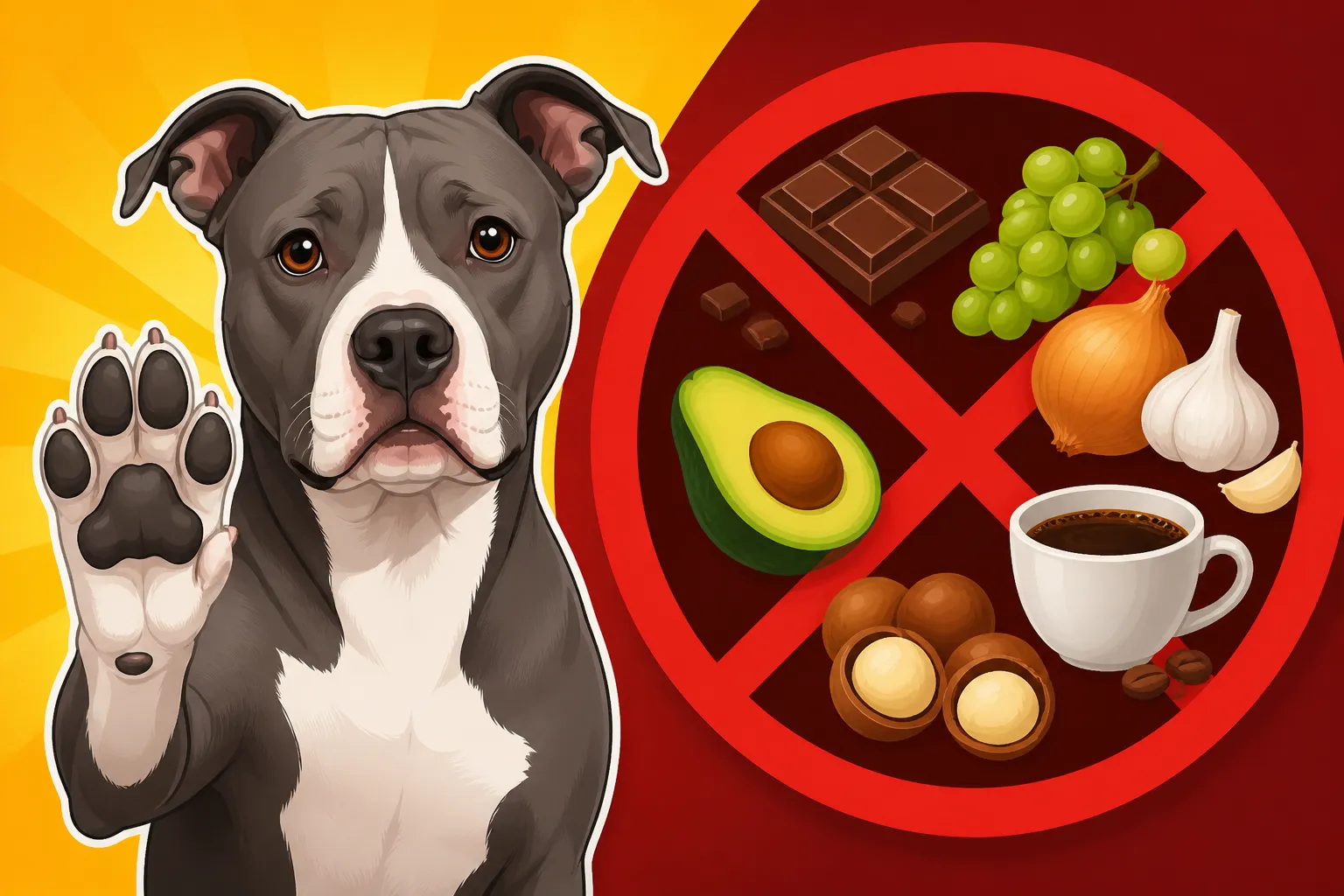
Chocolate, Coffee, and Caffeine Overload
Chocolate is probably the most famous toxic food for dogs, and for good reason. It contains a compound called theobromine, which dogs metabolize much slower than humans do. This slow metabolism allows the toxin to build up to dangerous levels in their system. Caffeine, also found in chocolate, coffee, and even some teas, is another stimulant that dogs are highly sensitive to.
The severity of the reaction depends on the type of chocolate and the amount consumed relative to your Pit Bull's body weight. Dark chocolate, baking chocolate, and cocoa powder contain the highest concentrations of theobromine, making them the most dangerous. Milk chocolate has less, but a large enough quantity can still be problematic. White chocolate, while low in theobromine, still contains fat and sugar that can cause gastrointestinal upset. Imagine your powerful Pit Bull, usually full of boundless energy, suddenly jittery, restless, and even experiencing muscle tremors or seizures. That's the terrifying reality of chocolate poisoning. Always keep chocolate, coffee beans, coffee grounds, and any caffeinated products well out of reach. Even a small piece of dropped dark chocolate could cause a serious issue for a smaller Pit Bull or a significant one for a larger dog if it's baking chocolate.
Grapes, Raisins, and the Mystery of Kidney Failure
Grapes and raisins are another widely recognized danger, but what makes them particularly insidious is the unpredictability of their toxicity. For some dogs, even a very small amount can lead to acute kidney failure, while others might consume a few without apparent ill effect. The exact toxic substance is still unknown, which means there's no "safe" amount for any dog, including your Pit Bull. This makes them especially alarming.
Symptoms often include vomiting, diarrhea, lethargy, loss of appetite, and abdominal pain, usually appearing within hours of ingestion. Left untreated, kidney failure can be fatal. This isn't like a chocolate reaction where a larger dog might need a substantial amount to be affected; with grapes and raisins, even one or two could be a catastrophic event for certain individuals. Imagine the horror of realizing your Pit Bull has gotten into a fruit bowl or a box of raisins, knowing the potential for such severe consequences. Always consider grapes and raisins a critical hazard and keep them completely out of your Pit Bull's reach.
Xylitol: The Silent Killer in So Many Products
Xylitol is a sugar alcohol used as a sweetener in many "sugar-free" human products. While harmless to humans, it is extremely toxic to dogs. Ingesting xylitol causes a rapid and profound release of insulin from the pancreas, leading to a sudden and severe drop in blood sugar (hypoglycemia). This can happen within 10-60 minutes of ingestion and can quickly become life-threatening. Higher doses can also lead to liver failure.
You'd be surprised how many common household items contain xylitol. We're talking sugar-free gum, mints, candies, certain brands of peanut butter, toothpaste, mouthwash, some chewable vitamins, and even some medications. Always check the ingredient label of any "sugar-free" product before letting your Pit Bull near it. A Pit Bull, with their strong jaws and determined nature, can easily chew through a package of gum or a container of peanut butter. The sudden onset of weakness, staggering, collapse, and seizures from hypoglycemia is a terrifying experience for any owner. This is one ingredient you absolutely must be vigilant about, and I'd recommend checking all peanut butter jars for xylitol before bringing them into your home. You can find many brands of safe, xylitol-free peanut butter from pet retailers like Chewy or even general online stores like Amazon.
The Less Obvious Threats: Everyday Staples with Hidden Risks
Beyond the well-known culprits, our kitchens hold many other seemingly innocent ingredients that can pose significant risks to our Pit Bulls. These aren't always front-of-mind, which makes them even more dangerous due to their common presence in daily cooking and snacks.
Onions, Garlic, and the Allium Family's Bloody Problem
The entire allium family – which includes onions, garlic, chives, and leeks – is toxic to dogs. These vegetables contain compounds that can damage a dog's red blood cells, leading to a condition called hemolytic anemia. This means their red blood cells burst, reducing their ability to carry oxygen throughout the body. What’s particularly tricky about allium toxicity is that symptoms might not appear immediately; they can be delayed for several days, and effects can be cumulative.
This means that even small, repeated ingestions of onion or garlic over time can lead to problems, not just one large meal. All forms are dangerous: raw, cooked, dehydrated, powdered, or in baby food. Think about garlic powder in your spice rack, or onions cooked into a stew, or even garlic bread. Your Pit Bull might find these incredibly appealing due to the strong aroma and taste. A Pit Bull's powerful sense of smell can lead them directly to these foods. Signs of toxicity include lethargy, weakness, pale gums, increased heart rate, rapid breathing, and reddish-brown urine. It’s a serious condition that requires immediate veterinary attention. So, when you're cooking, be mindful of where those chopped onions fall, and keep your spice cabinet securely closed.
Avocados: A Pit Bull's Sensitive Stomach
Avocados contain a fungicidal toxin called Persin. While Persin isn't usually considered highly toxic to dogs, especially compared to grapes or xylitol, it can cause gastrointestinal upset in some canines, including our Pit Bulls. More importantly, the pit itself presents a significant choking hazard or can cause an intestinal obstruction if swallowed.
The fleshy fruit, if ingested in large quantities, can lead to vomiting, diarrhea, or constipation in sensitive dogs. It's often recommended to avoid feeding avocado to dogs altogether to err on the side of caution. Even though Pit Bulls might have a robust digestive system in many regards, they can still experience severe stomach upset from something like a large amount of avocado. Beyond the fruit, the leaves, bark, and seed of the avocado plant also contain Persin and should be kept away from curious chewers. Given the risk of the pit and the potential for an upset stomach, it's best to keep avocados off your Pit Bull's menu entirely.
Macadamia Nuts and the Mysterious Weakness
Macadamia nuts are another specific food known to be toxic to dogs. Ingesting them can lead to a range of symptoms, including weakness, depression, vomiting, tremors, and hyperthermia (elevated body temperature). The exact toxic mechanism is still a bit of a mystery, but the effects are real and can be quite alarming.
Symptoms usually appear within 12 hours of ingestion and can last for 24-48 hours. While macadamia nut poisoning is rarely fatal, it can cause significant discomfort and distress for your Pit Bull. These nuts are often found in cookies, trail mixes, and other baked goods, making accidental ingestion more likely. A Pit Bull's strength means they can easily crack open nut shells if left accessible. Always be vigilant about snacks containing macadamia nuts, and remember that even a small handful can cause problems. Keep these rich, buttery nuts, and anything containing them, far away from your dog's curious snout.
Foods That Pose Indirect Dangers: Bones, Fat, and Yeast
Sometimes, it's not the intrinsic toxicity of a food that makes it dangerous, but rather its physical properties or how it interacts with a dog's digestive system. These indirect threats can be just as, if not more, dangerous than direct toxins.
Cooked Bones: Splinters and Obstructions
It's a classic image: a dog happily gnawing on a bone. But when it comes to cooked bones, this image turns into a dangerous reality. Cooked bones, regardless of their size, become brittle and can splinter easily. These sharp fragments can then cause a host of serious problems for your Pit Bull.
Imagine sharp shards perforating your Pit Bull's esophagus, stomach, or intestines. This can lead to internal bleeding, peritonitis (a severe abdominal infection), or even death. Cooked bones can also get lodged in the throat, causing choking, or get stuck in the digestive tract, leading to painful blockages that often require emergency surgery. Even if they pass, sharp fragments can cause severe constipation or rectal bleeding. Chicken bones, pork chop bones, steak bones – if they've been cooked, they are a no-go. While raw recreational bones can be given with caution and supervision, cooked bones are universally dangerous. Many Pit Bulls are powerful chewers, and a brittle cooked bone will shatter under their strong jaws, creating numerous hazards. It’s far safer to offer appropriate, hard-wearing chew toys designed for strong chewers. This helps avoid the dangers of cooked bones while still satisfying their natural urge to chew, protecting your Pit Bull from Pit Bull Dental Disease and Hard Chewing at the same time.
High-Fat Foods: Pancreatitis Pitfalls
Foods that are excessively high in fat, especially those not typically part of your Pit Bull's regular diet, can trigger a very painful and serious condition called pancreatitis. The pancreas is an organ that produces enzymes for digestion and hormones like insulin. When it becomes inflamed, these digestive enzymes can start to digest the pancreas itself, leading to severe pain, vomiting, diarrhea, lethargy, and loss of appetite.
Think about holiday leftovers: fatty trimmings from a roast, gravy, or rich sauces. A sudden, large intake of these fats can overwhelm your Pit Bull's digestive system. Even seemingly small amounts of something like bacon grease, fried food scraps, or rich dairy can be enough to set off a pancreatic flare-up in a susceptible dog. Pit Bulls, like many breeds, can suffer from this. Treatment for pancreatitis often involves hospitalization, IV fluids, pain medication, and dietary management, and it can be a recurring issue. It's a prime example of how something that tastes delicious to us can be incredibly harmful to our pets. Keeping your Pit Bull on a consistent, balanced diet and avoiding sudden, rich fatty foods is key to preventing this painful condition. For ideas on managing their weight and overall diet, you can check out Feeding a Muscular Fifty Pound Pit Bull.
Yeast Dough: Bloat and Alcohol Poisoning
Raw yeast dough is a double threat for dogs, and particularly concerning for a deep-chested breed like a Pit Bull. First, if ingested, the warm, moist environment of a dog's stomach acts like an oven, causing the yeast dough to continue to rise. This expansion can lead to dangerous stomach distension, similar to bloat (gastric dilatation-volvulus or GDV), which is a life-threatening emergency. The expanding dough can put pressure on internal organs, restrict blood flow, and potentially cause the stomach to twist. Why a Pit Bull Chest Raises Bloat Risk is an important read to understand just how serious bloat can be for your Pit Bull.
Second, as the yeast ferments in the stomach, it produces alcohol. This alcohol can then be absorbed into the bloodstream, leading to alcohol poisoning. Symptoms of alcohol poisoning include disorientation, lethargy, weakness, an unsteady gait, vomiting, tremors, and in severe cases, respiratory distress, seizures, and coma. This combination of physical obstruction and chemical toxicity makes raw yeast dough incredibly dangerous. Whether you're baking bread, pizza, or pastries, always ensure that raw dough is kept well out of reach of your Pit Bull.
Alcohol, Marijuana, and Medications: Beyond Food Scraps
It's not just food items that pose a threat; many other common household substances can be lethal to your Pit Bull. These items are often overlooked because they aren't "food" in the traditional sense, but accidental ingestion or exposure can be just as devastating.
The Dangers of Alcohol and Hops
Alcohol, in any form, is highly toxic to dogs. Their smaller body size and different metabolism mean that even small amounts can cause severe alcohol poisoning. Alcohol is rapidly absorbed into the bloodstream, affecting the central nervous system. Symptoms can appear quickly and range from vomiting, diarrhea, and disorientation to depression of the central nervous system, tremors, difficulty breathing, coma, and even death.
This isn't just about alcoholic beverages like beer, wine, or spirits. Alcohol can also be found in raw yeast dough (as discussed above), some fermentation processes, and even certain ripe fruits. Beyond alcoholic drinks, hops, a common ingredient in beer brewing, are also extremely toxic to dogs. Ingesting hops can lead to malignant hyperthermia, a rapid and dangerous rise in body temperature, along with panting, agitation, seizures, and death. For anyone who homebrews or has alcoholic beverages accessible, extreme caution is necessary. A Pit Bull might be tempted by a spilled drink or the smell of hops if left unattended. Always keep all forms of alcohol and brewing ingredients completely out of your Pit Bull’s reach.
Marijuana: Not Just a Mellow Buzz for Dogs
With the increasing legalization and availability of marijuana, accidental ingestion by pets has unfortunately become more common. While humans might experience a "mellow" high, the tetrahydrocannabinol (THC) in marijuana affects dogs very differently and can be quite dangerous. Dogs have more cannabinoid receptors in their brains than humans, making them much more sensitive to THC's effects.
Symptoms of marijuana toxicity in dogs typically include lethargy, incoordination (ataxia), dilated pupils, urinary incontinence, sensitivity to touch and sound, and a slow heart rate. In more severe cases, tremors, seizures, and even coma can occur. These symptoms can be distressing to witness. The concentration of THC can vary greatly in different products (edibles, oils, plant material), and edibles often contain other toxic ingredients like chocolate or xylitol, further compounding the danger. Always store cannabis products, whether plant material or edibles, in secure, dog-proof containers and locations that your Pit Bull cannot access. What might be recreational for you is potentially life-threatening for them.
Human Medications: A Top Cause of Pet Poisoning
It might not be a "food," but human medications are one of the most common causes of pet poisoning worldwide. Our medications are formulated for human bodies, with different metabolisms, organ sizes, and sensitivities. What's a therapeutic dose for a person can be a lethal overdose for a Pit Bull.
Common culprits include NSAIDs (like ibuprofen and naproxen), acetaminophen, antidepressants, ADHD medications, heart medications, and many more. For example, a single ibuprofen tablet can cause kidney failure and stomach ulcers in a dog. Acetaminophen can cause liver damage and red blood cell issues. Antidepressants can lead to neurological symptoms and seizures. Pit Bulls are intelligent and persistent, and a pill bottle that looks easy to open to us might be no match for their jaws. What a Pit Bull Health History Should Cover highlights the importance of open communication with your vet about all substances in your home. Always keep all prescription and over-the-counter medications securely stored in cabinets or drawers that your Pit Bull cannot possibly reach. If you drop a pill, find it immediately, no matter how small. If you have any doubts about what your Pit Bull might have ingested, treat it as an emergency and seek veterinary advice.
What to Do If Your Pit Bull Eats Something Dangerous
Despite all your best efforts, accidents can and sometimes do happen. Your Pit Bull might get into something they shouldn't have, and in those moments, quick and informed action is absolutely critical. Panicking is natural, but it's important to channel that energy into effective steps to help your dog.
Act Fast, But Don't Panic
Finding your Pit Bull with evidence of having eaten something toxic can send a bolt of fear through any owner. Your heart races, your mind might go blank, but this is precisely the moment to take a deep breath and act decisively. The faster you act, the better the prognosis often is for your dog. Your immediate goal is to establish what happened and get professional help.
First, remove your Pit Bull from the source of the danger and secure any remaining toxic material. This prevents further ingestion. Then, immediately call your veterinarian or a pet poison control hotline. Keep their numbers readily accessible, perhaps even taped to your fridge or programmed into your phone. These professionals are equipped to guide you through the next steps and determine the best course of action based on the specific circumstances. Don't waste time searching the internet for answers; direct communication with an expert is vital. For general emergencies, understanding Emergency Signs That Cannot Wait in a Pit Bull can also be very helpful.
The Importance of Accurate Information
When you contact your vet or poison control, providing accurate and detailed information is paramount. They need to understand the situation fully to give you the best advice. Try to gather the following details:
- What was eaten? Be as specific as possible (e.g., "a bar of dark chocolate," "three sugar-free gum pieces," "a handful of grapes").
- How much was eaten? Estimate as best you can (e.g., "about half a cup," "most of a bag," "one tablet"). If it's a packaged product, check how much is missing or remaining.
- When was it eaten? Give an approximate time frame (e.g., "within the last hour," "sometime this morning," "we just found the wrapper").
- What are the ingredients? If it was a packaged food, have the packaging or ingredient list handy, especially for sugar-free products that might contain xylitol.
- Your Pit Bull's weight and any pre-existing conditions. This information helps determine the severity of the dose and any potential complications.
- Any symptoms your Pit Bull is currently showing. Be specific (e.g., "vomiting," "staggering," "lethargic," "trembling").
Being honest about what happened, even if you feel embarrassed or guilty, is crucial. Your vet's priority is your Pit Bull's health, not judgment. Withholding information can hinder their ability to provide the right treatment, potentially costing precious time.
When to Induce Vomiting (and When NOT To)
One of the most common instincts is to try to make your dog vomit after they've eaten something bad. However, you should NEVER induce vomiting in your Pit Bull without direct instruction from a veterinarian or poison control expert. While inducing vomiting can be helpful in some situations, it can also be extremely dangerous in others.
For instance, if your Pit Bull has ingested a corrosive substance (like cleaning products) or a sharp object (like a cooked bone), inducing vomiting could cause more damage on the way back up. If your Pit Bull is already showing neurological symptoms (like seizures or severe lethargy), they could aspirate their vomit into their lungs, leading to pneumonia, which is a secondary, life-threatening condition. Moreover, some toxins require specific treatment that might not involve vomiting, or it might be too late for it to be effective. Your vet might advise you to come in so they can safely induce vomiting using medications or other methods, or they might recommend other interventions like activated charcoal to absorb toxins. Always defer to professional advice.
Building a Safer Home for Your Pit Bull
Preventing accidental ingestion is always better than reacting to a poisoning emergency. With a Pit Bull's intelligence, athleticism, and determined nature, you need to be strategic in how you manage your home and food. Think of it as Pit Bull-proofing your kitchen and pantry!
The "No Human Food" Rule: Consistency is Key
The most effective way to prevent your Pit Bull from eating dangerous human foods is to implement a strict "no human food" rule. This means no table scraps, no sneaking treats under the table, and no "just a little bit" of what you're eating. While it might feel harsh at first, it's truly for their own good.
This rule serves a dual purpose: first, it eliminates the risk of them ingesting toxic foods. Second, it helps manage their expectations and reduce begging behavior. When a Pit Bull learns that human food is never an option, they are less likely to persistent around the dining table or kitchen counter. Consistency is the absolute key here. Every family member, every houseguest, and anyone who interacts with your Pit Bull needs to be on board with this rule. One lapse can reinforce the begging behavior and teach your Pit Bull that persistence pays off, making them more likely to seek out tempting (and potentially dangerous) morsels. Instead of human food, consider offering specific, appropriate dog treats for good behavior.
Secure Storage and Pit Bull-Proofing
Pit Bulls are intelligent and can be surprisingly resourceful when it comes to getting what they want, especially if it smells good! Relying on simple height might not be enough. Many Pit Bulls are perfectly capable of counter-surfing, knocking things off shelves, or even opening cabinets if they're not secured.
Here are some practical tips for Pit Bull-proofing your home:
- Secure Cabinets and Pantries: Use child-proof locks or latches on lower cabinets where food or hazardous items are stored. Pit Bulls can easily nose open loose cabinet doors.
- High and Out of Reach: Store all toxic foods (chocolate, grapes, onions, etc.) on high shelves or in securely latched cabinets. Don't leave tempting items on kitchen counters, coffee tables, or reachable nightstands. Remember, a Pit Bull can stretch surprisingly high, especially if standing on their hind legs.
- Trash Cans: Invest in a heavy-duty trash can with a secure, locking lid that your Pit Bull cannot knock over or open. Many food scraps, wrappers, and even cooking grease in the trash can be dangerous.
- Clean Up Immediately: Spills, dropped food, or crumbs should be cleaned up instantly. Don't leave dirty dishes with food residue on low counters or within reach.
- Check Bags and Purses: Guests' bags, backpacks, or purses often contain medications, gum (with xylitol!), candy, or other items that could be tempting and dangerous. Keep these items off the floor and out of reach.
- Pet Food Storage: Even your Pit Bull's own food should be stored in an airtight, sturdy container to prevent them from breaking into the bag and overeating, which could lead to bloat or other issues.
By taking these proactive steps, you significantly reduce the risk of your Pit Bull having access to dangerous items, giving you peace of mind.
Healthy Alternatives and Safe Treats
Instead of sharing your human food, offer your Pit Bull appropriate and healthy dog-specific treats and snacks. There are many fantastic options available that are both safe and enjoyable for them.
- Dog-Specific Treats: Look for treats made with wholesome ingredients and no artificial additives. Brands like Zuke's, Blue Buffalo, or Wellness offer a variety of options. Retailers like Chewy offer an enormous selection, or you can find many options on Amazon.
- Fresh Food Options (Dog-Safe): Many Pit Bulls adore fresh fruits and vegetables that are safe for dogs. Consider small pieces of carrots, green beans, apples (without seeds), bananas, or blueberries. Always introduce new foods slowly and in small quantities to avoid stomach upset. For a wholesome, complete meal option, some owners opt for fresh food delivery services like Ollie, which provides pre-portioned, vet-formulated meals.
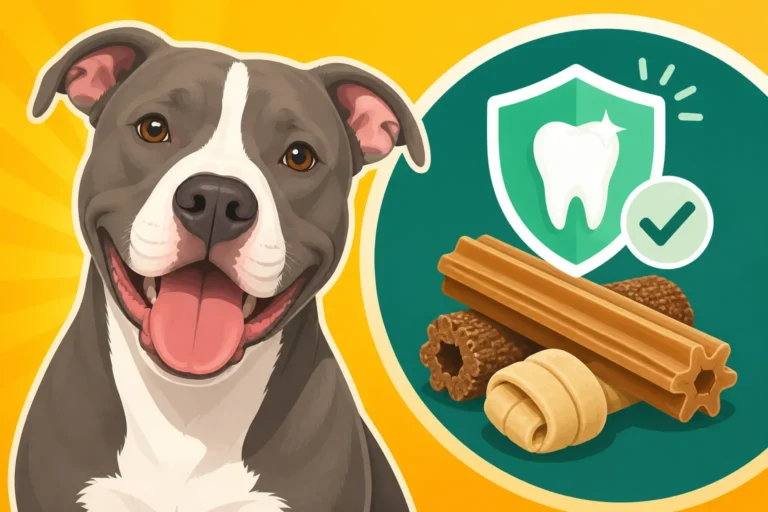
- Dental Chews: High-quality dental chews designed for strong chewers can help with dental hygiene and satisfy their chewing instincts without the risks of cooked bones.
- Puzzle Toys: Fill puzzle toys with a portion of their regular kibble or a small amount of dog-safe peanut butter (xylitol-free!) to provide mental stimulation and a safe "treat" experience. This is a great way to use Treat Costs Through Pit Bull Training effectively.
By consciously choosing safe alternatives and creating a secure environment, you can foster a healthy and happy relationship with your Pit Bull without the constant worry of accidental poisoning.
Here's a quick reference table for some common household food dangers:
| Food Item | Primary Danger / Toxin | Potential Symptoms | Prevention / Notes |
|---|---|---|---|
| Chocolate | Theobromine, Caffeine | Vomiting, diarrhea, restlessness, tremors, seizures | Keep all chocolate, cocoa powder, coffee beans/grounds out of reach. Darker chocolate is more dangerous. |
| Grapes & Raisins | Unknown (Kidney Failure) | Vomiting, lethargy, loss of appetite, abdominal pain, kidney failure | Absolutely no grapes or raisins. Even small amounts can be fatal to some dogs. |
| Xylitol | Xylitol (Sugar Alcohol) | Hypoglycemia (weakness, collapse, seizures), liver failure | Check labels for "sugar-free" products like gum, candy, peanut butter, toothpaste. Extremely dangerous, act immediately if ingested. |
| Onions, Garlic, etc. | Thiosulphates | Vomiting, diarrhea, lethargy, pale gums, red urine (anemia) | All forms (raw, cooked, powdered) are toxic. Cumulative effect possible. Avoid feeding any Allium family plants. |
| Alcohol | Ethanol | Vomiting, disorientation, lethargy, tremors, coma, death | No alcoholic beverages, raw yeast dough, or hops. Rapidly absorbed and highly toxic. |
| Cooked Bones | Splintering, Obstruction | Choking, internal perforations, blockages, severe constipation | Never feed cooked bones. They become brittle and can cause serious internal damage. Offer safe, purpose-made chews instead. |
| High-Fat Foods | Excess Fat | Vomiting, diarrhea, abdominal pain (pancreatitis) | Avoid fatty meat scraps, gravies, fried foods. Sudden fat intake can inflame the pancreas. |
| Yeast Dough (Raw) | Expansion, Alcohol | Bloat, vomiting, disorientation, weakness, alcohol poisoning | Keep raw dough away from your Pit Bull. It expands in the stomach and ferments, producing alcohol. Especially dangerous for deep-chested breeds. |
| Macadamia Nuts | Unknown | Weakness, vomiting, tremors, hyperthermia | Keep all macadamia nuts and products containing them out of reach. |
| Avocados | Persin (in large amounts) | Vomiting, diarrhea. Pit is a choking/obstruction hazard. | Best to avoid the fruit. Never allow access to the pit, skin, or plant leaves/stem. |
| Human Medications | Varied | Varied and often severe, organ damage, seizures, death | Keep ALL human medications securely locked away. Even common pain relievers are toxic. If a pill is dropped, find it immediately. |
| Marijuana | THC | Lethargy, ataxia, incontinence, seizures | Store all cannabis products, including edibles, in dog-proof containers out of reach. Edibles can contain other toxins like chocolate or xylitol. |
Disclaimer
This article is for general informational purposes only and does not constitute professional advice. Laws, prices and regulations vary by location and change over time. Consult a qualified professional for guidance on your specific situation.