Pit Bull Type Dogs in Sport and Weight Pull
For those of us who share our lives with Pit Bull type dogs, we know firsthand the incredible power, athleticism, and sheer drive they possess. It's often misunderstood by the public, but these dogs are natural athletes, built with impressive strength and a desire to work alongside their humans. While many see their physical prowess as intimidating, many dedicated owners channel this energy into organized dog sports like weight pull, where their dogs can truly shine, build confidence, and deepen the bond with their handler in a structured, safe environment. This guide will delve into the world of canine weight pull and other demanding sports, exploring what they entail, how to get started, and what to consider to ensure your powerful companion thrives.
Understanding Weight Pull as a Sport for Pit Bull Type Dogs
Weight pull might sound intense, and in many ways, it is, but it's also a highly structured and celebrated sport that showcases a dog's natural strength, determination, and willingness to work. It's not about brute force alone; it's a test of technique, conditioning, and the incredible bond between a dog and its handler. For many Pit Bull owners, it’s a perfect outlet, allowing these dogs to tap into their ancestral drive in a positive way.
What Weight Pull Involves for a Dog and Handler
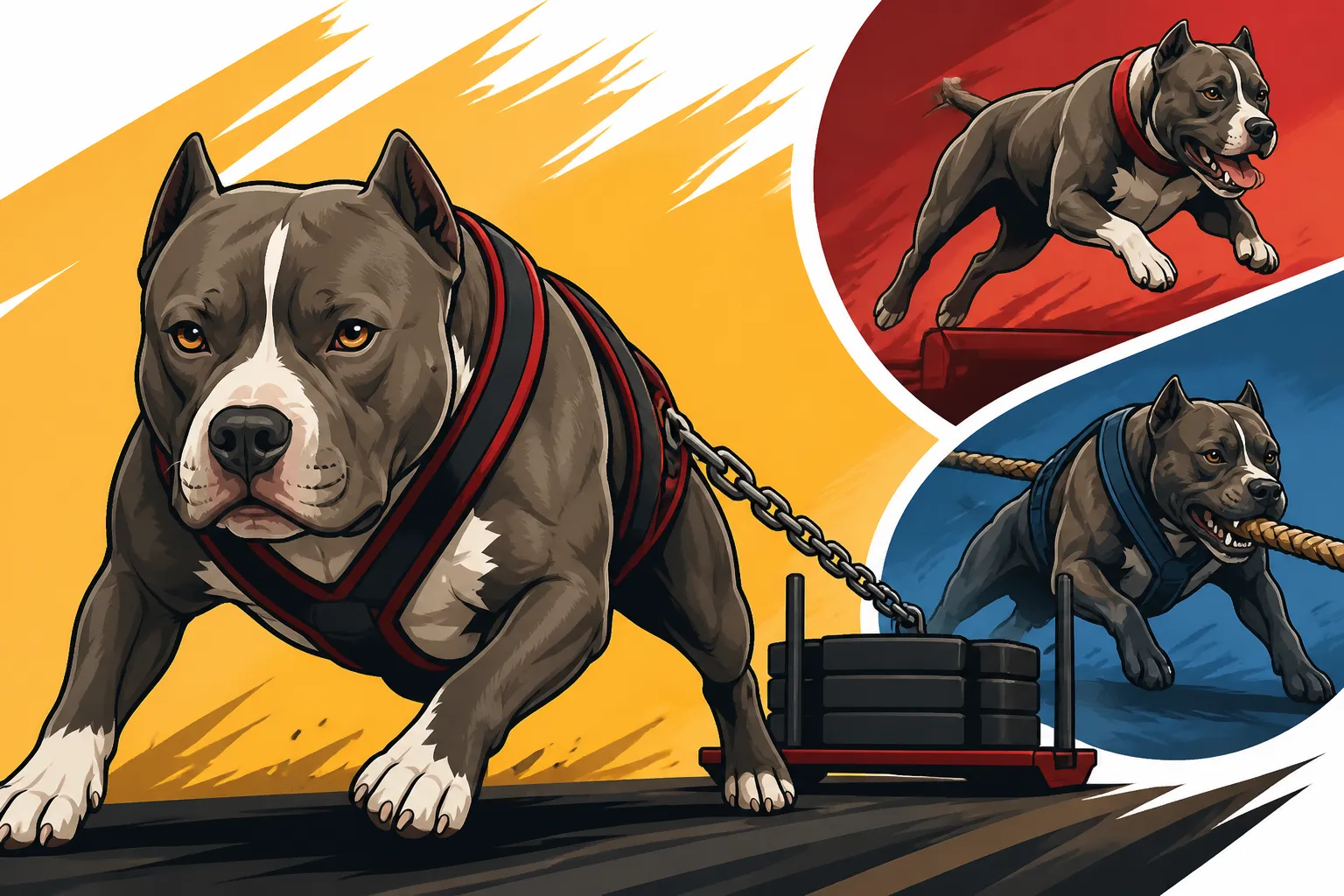
Imagine a dog, outfitted in a specialized, padded harness, hitched to a cart or sled loaded with weights. The goal is simple: pull that heavy load a short distance across a designated surface, typically dirt, grass, or sometimes carpet for indoor events. Dogs compete in weight classes to keep things fair, ensuring that a smaller dog isn't pitted against a much larger one without appropriate adjustments. The handler plays a crucial role, using voice commands and encouragement to motivate their dog. There's no physical pushing or pulling by the human; it's all about the dog's effort. The dog is given a specific time limit to complete the pull, usually around 60 seconds, and they might have multiple attempts to pull progressively heavier weights.
The equipment is specialized for a reason. You won't see these dogs pulling in a standard walking harness. Weight pull harnesses are designed to distribute the load evenly across the dog's chest and shoulders, minimizing strain on their spine and neck. It’s an art to fit these harnesses correctly, ensuring comfort and efficiency. Think of it like a powerlifter’s belt; it’s essential for safety and performance. The surfaces are chosen to provide consistent traction, reducing the risk of injury. Spectators often marvel at the focus and power these dogs display, sometimes pulling many times their own body weight. It's a true testament to their physical capabilities and mental fortitude.
The Core Appeal of Weight Pull for Pit Bull Owners
For Pit Bull type dogs, weight pull resonates with a part of their heritage. Their ancestors were often working dogs, bred for strength and tenacity. This sport allows them to express those natural traits in a controlled, sporting context. It's a fantastic way to burn off energy, build muscle, and engage their minds. Many owners find that participating in weight pull dramatically improves their dog's focus and obedience, as the sport requires intense concentration and responsiveness to commands. It's also a wonderful community. Weight pull clubs are often filled with passionate, supportive owners who understand and appreciate the unique qualities of powerful breeds. It provides a platform for Pit Bulls to be seen as the capable, dedicated athletes they are, rather than succumbing to negative stereotypes.
Beyond the physical benefits, the mental stimulation is profound. A dog needs to understand its job, respond to its handler, and push through challenging weights. This isn't just about strength; it's about problem-solving and partnership. Owners report a visible boost in their dog's confidence and overall happiness. Imagine seeing your dog, who might face unwarranted judgment in daily life, celebrated for its strength and drive. It’s incredibly rewarding. This sport offers a structured way to bond, to train with purpose, and to be part of a community that celebrates these dogs for their incredible potential.
Building a Pit Bull's Strength and Technique for Weight Pull
Getting started in weight pull isn't just about throwing a harness on your dog and adding weight. It's a gradual process that prioritizes safety, proper conditioning, and building the right technique. Skipping steps can lead to injury or turn your dog off the sport entirely. A solid foundation is key to a long and successful weight pull career.
Safe Conditioning for Weight Pull Participation
Before any serious pulling begins, your Pit Bull needs to be in excellent physical condition. This means a strong core, healthy joints, and good cardiovascular fitness. Start with regular, controlled exercise like brisk walks, jogging, or swimming. Short bursts of controlled sprints can also build explosive power. Focus on building endurance and strength without putting undue stress on growing joints. Remember, How Hard a Growing Pit Bull Should Work is a critical consideration; puppies and young adults need different conditioning protocols than fully mature dogs. A balanced diet, appropriate for an active dog, is also crucial. You might even consider supplements like glucosamine and chondroitin for joint support, especially for a heavily muscled dog, as detailed in Joint Support for a Heavily Muscled Pit Bull.
It's vital to warm up your dog before any pulling session and cool them down afterward. A proper warm-up might involve a 10-15 minute brisk walk or light jog to get the muscles ready. Cooling down could be a slower walk, followed by gentle stretches if your dog tolerates them. Gradual progression is the mantra here. Don't increase weights too quickly. Start with very light loads, even just the empty cart, to let your dog get used to the feel and the rhythm of pulling. The goal is to build strength progressively, reducing the risk of muscle strains or more serious injuries like Cruciate Ligament Tears in a Muscular Pit Bull. Always consult with your veterinarian before starting any new strenuous exercise regimen, especially if your dog has any pre-existing health conditions.
The Importance of Proper Harnesses and Equipment
The right equipment is non-negotiable for weight pull. A cheap, ill-fitting harness can cause discomfort, skin abrasions, and even serious injury. Weight pull harnesses are specifically designed to distribute the pulling force across the dog's chest and shoulders, not their throat or back. They typically have wide, padded straps and a spreader bar that ensures the load is pulled from the strongest part of the dog's body. These harnesses also feature a trace, which connects the harness to the cart or sled. The length and angle of the trace are important for proper mechanics.
Investing in a high-quality, custom-fitted harness is one of the best decisions you can make. Many specialized manufacturers offer harnesses tailored to your dog’s specific measurements. Brands found on platforms like Chewy or specialty dog sports stores often carry a range of options, but for serious weight pull, look for experienced makers. Beyond the harness, you'll need a proper cart or sled. Carts are used for wheeled events on solid surfaces, while sleds are for turf or carpet. The weights themselves are usually standard Olympic weight plates. Don't forget other essential gear like a sturdy, comfortable leash, a good water bottle to keep your dog hydrated, and perhaps a cooling vest for warmer weather. For more on harnesses and how they fit a strong dog, you can check out Harnesses Built for a Pulling Pit Bull.
Training Fundamentals for a Successful Pull
Successful weight pull isn't just about strength; it's about technique, focus, and a strong handler-dog partnership. Start with teaching basic obedience commands like "stay," "wait," and a strong recall. These are foundational. Next, introduce your dog to the harness gradually. Let them wear it around the house or on short walks without any weight attached, making it a positive experience with treats and praise. Once they're comfortable, introduce the empty cart or sled. Let them sniff it, walk around it, and then attach them to it for short periods, again, without asking them to pull initially.
When you begin actual pulling, start with minimal weight. The goal is to build confidence and reinforce the desired behavior. Use clear, consistent verbal cues like "pull" or "hike." Reward immediately and enthusiastically when your dog takes a step forward with the weight. Keep sessions short and positive. If your dog shows any signs of stress, fatigue, or disinterest, stop immediately. End every session on a high note. Consistency is key, but so is making it fun. Over time, as your dog gains strength and understanding, you can gradually increase the weight. Many handlers use a flirt pole or Tug Rules That Keep a Pit Bull Civil as a way to build drive and focus, which can translate well into the sustained effort needed for pulling. For general guidance on getting your dog in shape, consider articles like Getting a Pit Bull Back Into Condition.
Considering the Risks and Responsibilities in Weight Pull
While weight pull offers incredible benefits, it's crucial to approach it with a full understanding of the potential risks and the responsibilities that come with pushing your dog's physical limits. The well-being of your Pit Bull must always be the top priority.
Potential Injuries and How to Prevent Them
Any sport involving intense physical exertion carries a risk of injury, and weight pull is no exception. Common issues can include muscle strains, sprains, or soft tissue injuries. More serious problems might involve joint issues like torn ligaments or even spinal problems if proper technique and conditioning are neglected. To minimize these risks, a comprehensive approach is necessary. First, ensure your dog is fully mature before engaging in competitive weight pull. Their growth plates need to be closed to prevent damage. Second, implement a rigorous, yet safe, conditioning program as discussed earlier. This means gradual increases in weight and intensity, never pushing your dog beyond its current capabilities.
Proper warm-ups and cool-downs are non-negotiable. Think of it like an athlete preparing for a heavy lift. Hydration is also paramount; always have fresh water available before, during, and after training and competition. Regular veterinary check-ups are essential to catch any underlying issues early. A vet experienced in sporting dogs can provide invaluable advice on conditioning, nutrition, and injury prevention. If your dog exhibits any lameness, stiffness, or reluctance to work, it's a sign to stop and seek veterinary attention. Never force a dog to pull if it's showing signs of pain or discomfort. Understanding Pit Bull Joint and Ligament Injuries can help you recognize symptoms early.
Ethical Considerations and Welfare of the Dog
The ethical implications of any dog sport are important to address, especially for powerful breeds like Pit Bulls that already face scrutiny. Responsible weight pull is always centered on the dog's enjoyment and welfare. Dogs should never be coerced or punished to pull. It should be a willing partnership. If a dog doesn't enjoy the sport, it shouldn't participate. Signs of enjoyment include eagerness to get to the pulling area, excitement when the harness comes out, and a wagging tail or happy demeanor during the pull.
A critical ethical consideration is the dog's temperament. While Pit Bulls generally have a strong drive, not every individual dog is suited for weight pull. Some may not have the mental fortitude or physical conformation. Responsible owners carefully assess their dog’s personality and physical health. The sport should always be about enhancing the dog's life, not fulfilling a human ego. Judges and organizers at reputable events are trained to watch for signs of distress or unwillingness in dogs and will disqualify a dog if welfare is compromised. The entire premise is built on encouraging and celebrating the dog's natural abilities, not exploiting them.
Finding Reputable Clubs and Events
If you're interested in weight pull, finding a reputable club is your next crucial step. Look for organizations sanctioned by recognized bodies like the International Weight Pull Association (IWPA) or the American Pulling Alliance (APA). These organizations have strict rules, safety protocols, and ethical guidelines in place to protect the dogs and ensure fair competition. They also provide structure for judging, record-keeping, and titling.
Reputable clubs offer a wealth of knowledge and mentorship. Experienced handlers are often eager to guide newcomers, offering advice on conditioning, training, and equipment. They can help you with proper harness fitting and technique, which is invaluable. Attending an event as a spectator first is highly recommended. It allows you to observe the sport, talk to handlers, and get a feel for the atmosphere. You can ask questions about how to get started, what training resources are available, and what the local scene is like. Avoid any "underground" or unregulated pulling events, as they often lack safety standards and ethical oversight. Look for a community that prioritizes the health and happiness of the dogs above all else.
Other Sports and Activities Suited for Athletic Pit Bull Types
Beyond weight pull, Pit Bull type dogs excel in a wide array of other demanding sports and activities that capitalize on their strength, agility, and intelligence. Providing varied outlets keeps them mentally stimulated and physically fit, preventing boredom and potential behavioral issues.
Dock Diving and Agility as Alternatives
For Pit Bulls who love to jump and splash, dock diving is an exhilarating sport. It involves dogs running down a dock and leaping into a pool of water, with judges measuring the length or height of their jump. This sport is a fantastic way to burn energy and build explosive power, all while being relatively low impact on the joints compared to some other activities. Pit Bulls often show incredible enthusiasm for dock diving, combining their natural athleticism with a love for water. It’s accessible for many, with facilities often having open "splash times" where you can try it out without formal competition. You can even find training tools for dock diving on sites like Chewy to practice at home if you have access to a safe body of water.
Agility, on the other hand, is a test of speed, precision, and teamwork. Dogs navigate an obstacle course featuring tunnels, weave poles, jumps, and seesaws, guided by their handler. Pit Bulls, with their muscular builds and keen intelligence, can be surprisingly nimble and quick. Agility requires significant mental focus from both dog and handler, fostering an incredibly strong bond. It’s also excellent for developing body awareness and fine motor control. For any dog, but especially a powerfully built one, ensuring proper form over obstacles is crucial to prevent injuries. Starting with basic foundation skills and gradually introducing obstacles helps build confidence and technique safely.
Urban Mushing and Carting for Strength and Stamina
Urban mushing, also known as dryland mushing or carting, is another excellent option for Pit Bull type dogs who thrive on pulling and working. While traditional mushing involves sleds on snow, urban mushing utilizes specialized carts, scooters, or even bicycles (bikejoring) on dry ground. Your dog wears a pulling harness, similar to a weight pull harness but often lighter, and pulls you along. It's a fantastic cardiovascular workout that builds stamina and endurance. Many Pit Bull owners find their dogs absolutely love the sense of purpose and the consistent exertion this sport provides.
Carting takes this a step further, with the dog pulling a small cart that can carry groceries, gear, or even small children. It's a practical skill that harks back to working dogs of old. Both urban mushing and carting require a well-trained dog with excellent leash manners and strong directional commands. It’s also crucial to consider the weather; dogs can easily overheat, so these activities are best done in cooler temperatures or during early morning/late evening hours. Always use appropriate safety gear for both yourself and your dog, including helmets for you and reflective gear for both during low-light conditions. These activities provide an amazing way for your Pit Bull to utilize its natural strength and drive in a productive and enjoyable manner, further solidifying the bond between you and your athletic companion.
Disclaimer
This article is for general informational purposes only and does not constitute professional advice. Laws, prices and regulations vary by location and change over time. Consult a qualified professional for guidance on your specific situation.