Home Cooking for a Pit Bull and the Balance Problem
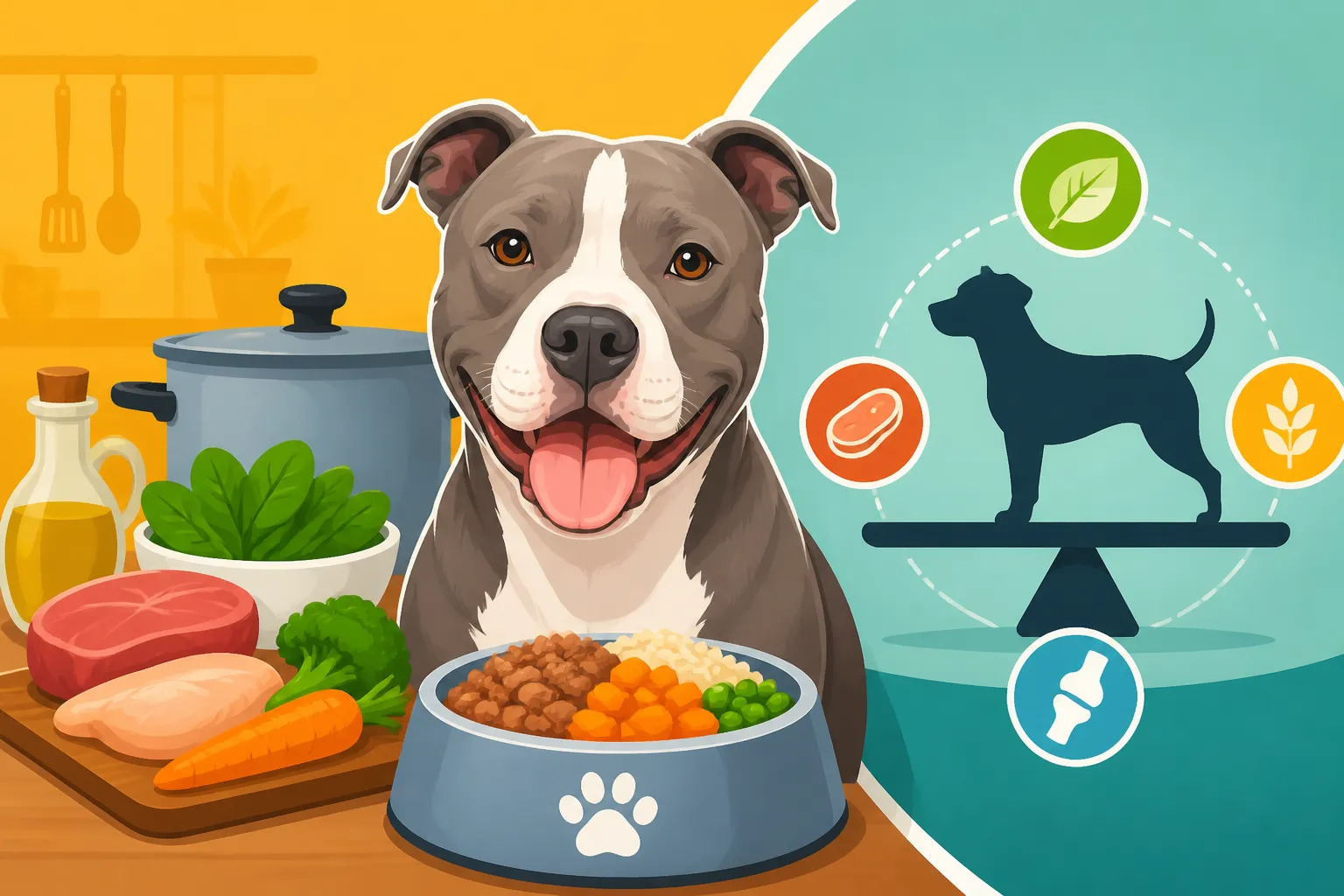
There's a special kind of satisfaction that comes from preparing a meal for your beloved Pit Bull with your own hands. You know exactly what’s going into their bowl, you can see the fresh ingredients, and you feel that deep connection as they eagerly gobble it down. However, this beautiful intention often runs headlong into a very real, very serious challenge: ensuring that every single homemade meal provides complete and balanced nutrition for your powerful, athletic companion. This guide is here to walk you through the complex world of home cooking for your Pit Bull, helping you understand the immense importance of nutritional balance and how to achieve it safely, without inadvertently compromising their long-term health.
The Allure and Risks of Home Cooking for Your Pit Bull
It’s completely understandable why so many Pit Bull owners are drawn to the idea of home cooking. You want the best for your dog, and sometimes, store-bought kibble just doesn't feel like enough. But while the intentions are always good, the path to a truly balanced homemade diet is fraught with potential pitfalls that can lead to serious health issues if not navigated carefully.
Why Owners Consider Home Cooking
The reasons for wanting to cook for your Pit Bull are often rooted in a deep love and concern for their well-being. Many owners tell me they worry about the ingredients in commercial dog foods – the long lists of unpronounceable chemicals, the question of sourcing, and the sheer volume of fillers. If your Pit Bull has had digestive issues or stubborn skin problems, you might start thinking, "What if I could just control every single thing they eat?" This desire for control can feel empowering, especially if you're trying to pinpoint potential allergens or provide a diet free from specific additives. There's also the undeniable joy of the process itself, the bonding experience of creating something nourishing for your dog, and seeing them thrive (or seemingly thrive) on meals you've prepared yourself. It truly feels like a tangible expression of love, and who wouldn't want that for their best friend?
The Hidden Dangers of Unbalanced Diets
Unfortunately, that heartfelt desire can sometimes overshadow the scientific complexity of canine nutrition. What looks like a healthy meal to us – some chicken, rice, and veggies – is almost certainly missing crucial micronutrients or has them in entirely incorrect ratios for a dog, especially a growing or working Pit Bull. The most common and dangerous imbalance we see with homemade diets is the calcium-to-phosphorus ratio. Dogs need these minerals in a very specific balance for strong bones, nerve function, and overall metabolic health. Too much phosphorus and not enough calcium, which is common in meat-heavy diets, can lead to conditions like secondary nutritional hyperparathyroidism, where the body starts to leach calcium from the bones to try and restore balance. This can result in fragile bones, fractures, and even painful lameness, particularly devastating for a robust breed like a Pit Bull.
Beyond these critical mineral imbalances, homemade diets often lack sufficient essential vitamins like Vitamin D, E, and various B vitamins, or contain them in quantities that aren't bioavailable. Long-term deficiencies or excesses of these vital components can lead to a host of problems: poor coat quality, weakened immune systems, neurological issues, and even organ damage. For a Pit Bull puppy, an unbalanced diet can permanently affect their skeletal development, leading to conditions like Pit Bull Hip Dysplasia Showing at One to Two Years or other orthopedic problems down the line. It's not just about providing food; it's about providing nutrition, and that’s where the balance problem truly lies.
Understanding Nutritional Balance for a Pit Bull
When we talk about a "balanced diet" for your Pit Bull, we’re not just talking about giving them a variety of foods. We're referring to the precise quantities and ratios of macro and micronutrients required to fuel their specific physiological needs. It's far more intricate than simply throwing together some leftovers.
Key Nutrients and Why They Matter
Think of your Pit Bull as a finely tuned athlete, and their body as a complex machine that needs very specific fuel to run optimally.
- Protein is crucial for muscle development and repair, immune function, and enzyme production. Given the natural musculature of a Pit Bull, adequate high-quality protein is non-negotiable.
- Fats provide concentrated energy, help absorb fat-soluble vitamins, and contribute to healthy skin and a shiny coat. But too much can lead to obesity, and too little can cause deficiencies.
- Carbohydrates offer quick energy and fiber for digestive health. While dogs don't have a strict carbohydrate requirement, they play an important role in many commercial and homemade diets.
- Vitamins are organic compounds vital for countless bodily functions. For example, Vitamin D is essential for calcium absorption, Vitamin E is an antioxidant, and B-complex vitamins are critical for metabolism and nerve function.
- Minerals are inorganic substances like calcium, phosphorus, zinc, copper, selenium, and iron. Each plays a distinct and vital role, from bone formation to oxygen transport. The precise ratios, especially for calcium and phosphorus, are paramount. An imbalance here can be far more detrimental than a slight shortage of a vitamin, as it can actively interfere with the body’s ability to function.
The difficulty with home cooking is consistently hitting the mark on all these elements, not just for one meal, but every single day, over the course of years. It’s an ongoing calculation that most home cooks aren’t equipped to make without professional guidance. To keep your Pit Bull lean and muscular without packing on unhealthy fat, understanding these nutrient needs is key. You can learn more about Feeding a Pit Bull to Keep Muscle Without Fat and getting The Calorie Target for a Lean Pit Bull right.
The Complexity of Meeting Daily Requirements
This isn't just about ensuring your Pit Bull gets some protein or some calcium. It’s about getting the right amount of each, relative to their age, activity level, and health status, and ensuring those nutrients interact correctly within the body. For instance, calcium and phosphorus need to be in a specific ratio – typically between 1:1 and 2:1 (calcium to phosphorus) for adult dogs, with slightly higher calcium for puppies. Achieving this ratio through whole foods alone is incredibly difficult, as most meats are naturally high in phosphorus and low in calcium. You can't just guess; you need precise measurements and often, specific nutrient supplements.
Human intuition, honed by years of preparing our own balanced meals, actually works against us when it comes to canine nutrition. What we consider a healthy, varied diet for ourselves is very different from what a dog needs. The caloric density of ingredients varies wildly, and portion sizes need to be meticulously weighed to prevent over or underfeeding, especially when trying to maintain Pit Bull Weight and Muscle on a Working Frame. Preparing home-cooked meals for a Pit Bull on a regular basis requires dedication, detailed recipes, and often a level of precision that goes far beyond what most of us are used to in the kitchen.
Working with a Veterinary Nutritionist or Formulated Plans
Given the complexity, if your heart is set on providing a home-cooked diet for your Pit Bull, the safest and most responsible route is to enlist professional help. Trying to DIY a perfectly balanced diet without expert guidance is a gamble with your dog's health.
The Professional Approach to Balanced Home Diets
This is truly the gold standard for home cooking. A board-certified veterinary nutritionist has advanced training specifically in animal nutrition and can formulate a custom, balanced recipe tailored precisely to your Pit Bull's individual needs. They'll take into account their age, weight, activity level, any existing health conditions (like allergies or joint issues), and even your preferences for ingredients. This personalized recipe will detail exact quantities of each ingredient, cooking methods, and necessary supplements to ensure complete nutritional adequacy.
You'll receive a recipe that specifies not just chicken and rice, but perhaps 8 oz of cooked chicken breast, 4 oz of cooked brown rice, 2 oz of steamed green beans, and then specific amounts of a custom mineral and vitamin blend. This level of detail removes all the guesswork and gives you the confidence that your efforts are truly beneficial, not just well-intentioned. They can also help if you're exploring Limited Ingredient Food for a Pit Bull With Atopy or other specialized diets.
Exploring Reputable Commercial Fresh Food Options
Perhaps you love the idea of fresh food but simply don't have the time or confidence to weigh and measure every single ingredient daily. This is where reputable commercial fresh food services come in. These companies, like Ollie, specialize in preparing and delivering fresh, human-grade, balanced meals right to your door. Their recipes are typically formulated by veterinary nutritionists, cooked in USDA-regulated kitchens, and flash-frozen or refrigerated to maintain freshness.
These services remove the burden of recipe formulation and daily cooking, offering a convenient way to provide fresh, whole foods that are guaranteed to be nutritionally complete. You'll simply thaw and serve. This can be a fantastic middle-ground solution for many Pit Bull owners who want the benefits of fresh food without the scientific challenge of balancing it themselves. Many of these services offer options for Delivered Fresh Food in Pit Bull Portions customized to your dog's size and caloric needs. You might also find these options or specific supplements on major online retailers like Chewy or Amazon, making it easier to manage your dog’s dietary needs with a few clicks.
Practical Steps for Safe Home Cooking (If You Must)
If you're absolutely determined to embark on the home cooking journey, and have consulted with a veterinary nutritionist, there are practical steps you must adhere to strictly to ensure your Pit Bull's well-being. This isn't a casual endeavor; it's a serious commitment to their health.
Starting with a Proven Recipe and the Importance of NOT Deviating
The absolute cornerstone of safe home cooking for your Pit Bull is to start with a recipe formulated by a board-certified veterinary nutritionist and stick to it rigidly. This isn't like cooking for yourself where you can swap out broccoli for cauliflower or chicken for beef based on what's in the fridge. Every ingredient in a nutritionally balanced recipe serves a purpose, and its quantity is precisely calculated. Swapping ingredients, even seemingly similar ones, can drastically alter the nutrient profile, throwing the entire diet out of balance. For example, substituting a lean protein for a fattier one changes the caloric density and fat content; swapping vegetables changes fiber and micronutrient levels.
Resist the urge to add "just a little bit" of this or that. Those small additions, while seemingly innocent, can accumulate and lead to nutrient excesses or deficiencies over time. If your vet nutritionist has provided a recipe, treat it like a scientific formula, not a suggestion. It’s critical for your Pit Bull’s long-term health to follow these guidelines precisely.
Essential Supplements and Monitoring
Even with a vet-nutritionist-formulated recipe, whole food ingredients alone often cannot provide all the necessary vitamins and minerals in the correct concentrations and ratios. This is why specialized veterinary supplements are almost always a crucial component of a home-cooked diet. These aren't your general over-the-counter multi-vitamins from the pet store, which can actually cause harm by creating further imbalances. Instead, they are specific mineral and vitamin blends designed by nutritionists to fill the gaps in home-prepared meals.
Your vet nutritionist will specify which supplement to use and in what exact dosage. Do not substitute these. Beyond supplements, consistent monitoring of your Pit Bull’s health is paramount. This means regular veterinary check-ups, potentially including blood work, to assess nutrient levels and ensure no deficiencies or excesses are developing. A general wellness check-up, perhaps twice a year, can catch subtle signs of dietary imbalance before they become serious problems. This proactive approach is part of What a Pit Bull Health History Should Cover and can include crucial tests like The Bloodwork an Old Pit Bull Should Have as they age.
Batch Cooking and Proper Storage
Preparing custom meals daily can be time-consuming, so batch cooking is often the most practical solution for home cooking. You can set aside a day or a few hours each week to cook a larger quantity of food, then portion it out for daily use.
Here's how to approach it:
- Prepare Ingredients: Chop, measure, and cook each ingredient according to your nutritionist's recipe.
- Combine Accurately: Mix all ingredients, including any specified supplements, thoroughly. Ensure even distribution of nutrients in every portion.
- Portion Control: Divide the cooked food into individual meal portions based on your Pit Bull's daily caloric needs. Using a digital kitchen scale for accurate measurement is crucial. You're likely aiming for Two Measured Meals a Day for a Pit Bull.
- Storage: Store daily portions in airtight containers in the refrigerator for up to 3-4 days. For longer storage, freeze individual portions. Thaw frozen meals in the refrigerator overnight before serving.
Proper food hygiene is also critical to prevent bacterial contamination. Always use clean utensils, surfaces, and storage containers. This disciplined approach ensures consistency in nutrition and saves you time while keeping your Pit Bull safe.
Comparing Dietary Approaches for Your Pit Bull
To help you visualize the different options, here's a brief comparison of various feeding methods, focusing on their typical advantages and challenges regarding nutritional balance.
| Feature | Commercial Kibble (High Quality) | Commercial Fresh/Cooked (e.g., Ollie) | Home-Cooked (Vet-Formulated) | Home-Cooked (DIY, Unbalanced) |
|---|---|---|---|---|
| Nutritional Balance | Formulated to AAFCO standards; complete & balanced | Formulated by vet nutritionists; complete & balanced | Professionally balanced for individual needs | Highly likely to be unbalanced; missing vital nutrients |
| Ingredient Quality | Varies; can be good with reputable brands | Human-grade ingredients, fresh, often higher quality | Human-grade ingredients, fresh, owner chooses sources | Human-grade ingredients, fresh |
| Convenience | Very high; scoop and serve | High; delivered, thaw and serve | Medium; requires batch cooking & meticulous preparation | Low; daily cooking, complex balancing |
| Cost | Varies; generally most affordable | Higher than kibble, comparable to premium human-grade food | Can be high due to ingredient cost & nutritionist fees | Can be low if using leftovers, but high for supplements |
| Customization | Limited; choose formulas for age/activity/allergies | Some customization based on profile/allergies | High; perfectly tailored to specific needs & health conditions | Appears high, but usually leads to imbalance |
| Allergy Management | Good for limited ingredient diets; An Eight Week Food Trial on an Itchy Pit Bull | Excellent for novel proteins or specific elimination diets | Excellent for specific allergen avoidance | Can be disastrous if not professionally formulated |
| Risk of Imbalance | Very low (if feeding reputable brand appropriately) | Very low (if feeding reputable brand appropriately) | Low (if strictly following nutritionist's plan) | Very high; significant health risks |
No matter which path you choose, remember that the goal is always the same: to provide your Pit Bull with the absolute best nutrition for a long, healthy, and happy life. Whether it’s meticulously preparing a vet-approved recipe or opting for a convenient, balanced fresh food delivery, the intention is to nourish them safely and completely. Don't let the desire to cook for your Pit Bull inadvertently put their health at risk. Always prioritize their nutritional well-being above all else, even if it means stepping back from the kitchen and embracing a professionally formulated option.
Disclaimer
This article is for general informational purposes only and does not constitute professional advice. Laws, prices and regulations vary by location and change over time. Consult a qualified professional for guidance on your specific situation.