Feeding a Pit Bull to Keep Muscle Without Fat
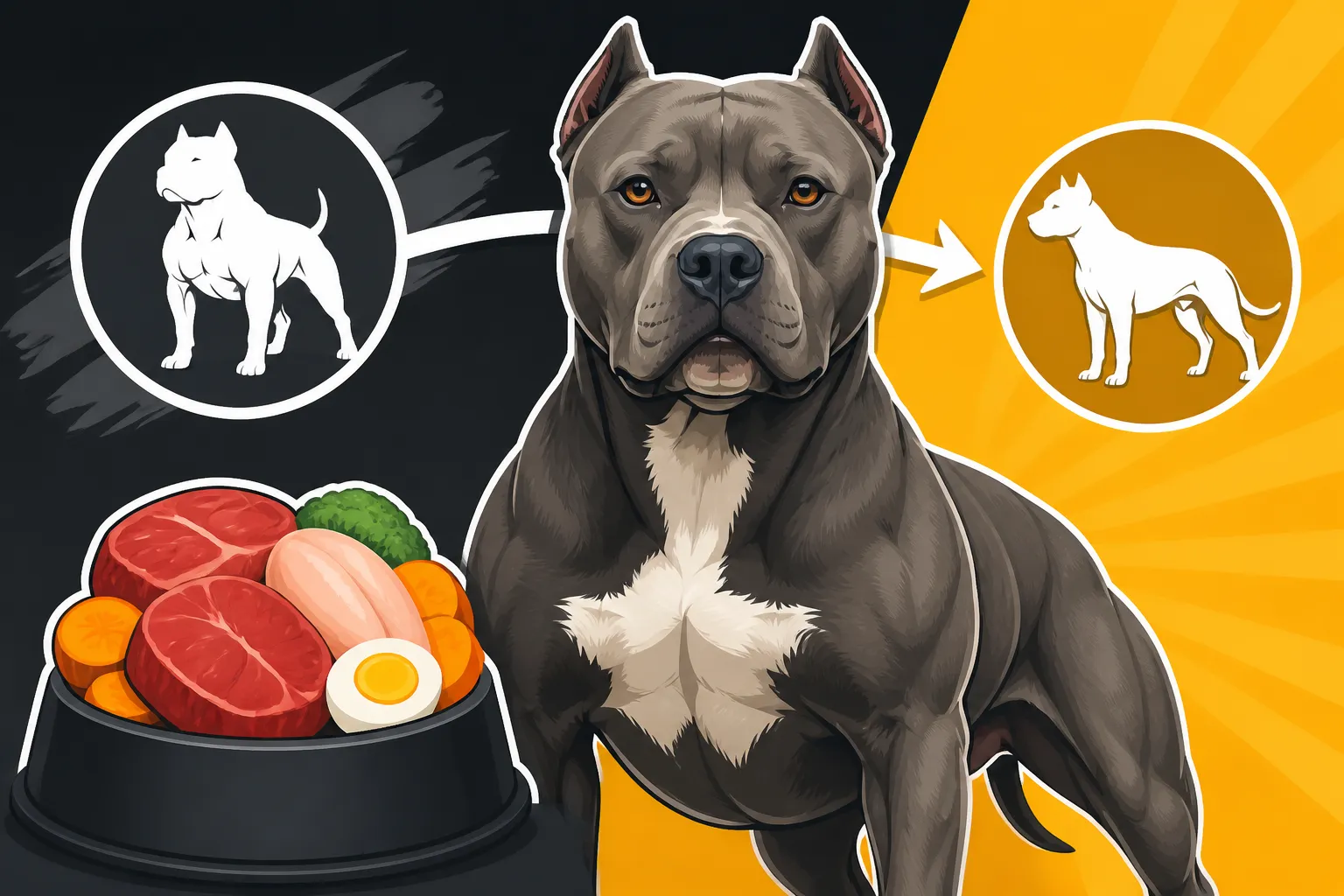
It's a common dilemma for Pit Bull owners: how do you keep that impressive muscle tone without letting your beloved companion get chunky? Their naturally powerful build can sometimes hide excess weight, leading to health issues down the road, and it can be genuinely frustrating to know you're trying your best but seeing that waistline disappear. This guide is dedicated to helping you master the art and science of feeding your Pit Bull to maintain their athletic, lean physique, ensuring they live their healthiest, happiest life.
Understanding Your Pit Bull's Unique Nutritional Needs
Pit Bulls are magnificent dogs, known for their strength, agility, and often, a playful, energetic disposition. But their very build, while admired, can make weight management a trickier endeavor than with other breeds. It’s not just about what you feed them, but how it aligns with their physiology.
The Athletic Build and Metabolism of a Pit Bull
When you look at a well-conditioned Pit Bull, you see power. Their broad chests, defined shoulders, and muscular hindquarters are a testament to their heritage as working dogs. This athletic build comes with a higher metabolic rate compared to less active breeds, meaning they require a diet that supports muscle maintenance and provides sustained energy for their active lifestyle. They burn through calories, yes, but they also need the right fuel to keep those muscles strong and resilient. It's not just about bulk; it's about functional fitness. A diet too high in empty calories or lacking in essential nutrients will quickly show up, not necessarily as immediate fat, but as a loss of that lean, tight musculature.
Why Muscle Can Mask Excess Weight
This is where many owners get tripped up, and honestly, it’s not your fault! Because Pit Bulls carry so much muscle, a few extra pounds of fat can be incredibly difficult to spot. What might look like a "big, strong dog" could actually be a "big, strong dog carrying an unhealthy amount of fat." Their dense musculature can obscure the subtle signs of weight gain that you might easily see on a leaner, lankier breed. You might not see prominent ribs or a tucked waist as clearly, making it easy to underestimate the creeping weight. This masking effect means you have to be extra vigilant and understand how to assess their body condition properly, looking beyond just their impressive musculature. It’s less about a number on the scale and more about feeling their frame.
The Impact of Genetics and Activity Levels
Just like people, not all Pit Bulls are created equal when it comes to metabolism. Some are naturally leaner and can tolerate a bit more food, while others seem to pack on pounds just by looking at a treat. Genetics play a huge role here; some lines are bred for sheer mass, others for athleticism. Beyond that, your individual dog's activity level is paramount. A Pit Bull that gets daily vigorous exercise – running, playing, training – will naturally have different caloric needs than one who prefers a more sedate lifestyle on the couch. A weekend warrior Pit Bull who only gets bursts of intense activity will have different requirements than a working dog or an agility competitor. You need to honestly assess your dog's actual energy output, not just what you wish it was or what it used to be. As they age, or if their activity drops due to injury or lifestyle changes, their dietary needs will change right along with them. This is why a static feeding plan rarely works for a Pit Bull's entire life.
Deciphering Food Labels and Choosing the Right Diet
Walking down the pet food aisle or browsing online can feel like navigating a maze. With so many options, how do you pick the best one for keeping your Pit Bull lean and muscular? The key is learning to read past the marketing jargon and understand the core components of a quality diet.
High-Quality Protein for Muscle Maintenance
Protein is the cornerstone of a Pit Bull’s diet, especially if you want to maintain that incredible muscle mass. Think of protein as the building blocks for their muscles, tissues, and enzymes. Look for foods where a named meat source (like "chicken meal," "beef," "lamb," or "fish") is listed as the first one or two ingredients. "Meal" forms of meat, like "chicken meal," are actually excellent because they've had the water removed, meaning they contain a higher concentration of protein by weight than whole chicken. Vague terms like "meat by-products" or "animal digest" are generally less desirable as they can be inconsistent in quality and source. Aim for foods with a protein content generally in the range of 25-35% on a dry matter basis for an active adult Pit Bull. This range supports muscle repair and growth without being excessively high, which can sometimes lead to other issues. Remember, quality over quantity is always the rule when it comes to protein. You want easily digestible, bioavailable protein sources that your Pit Bull's body can efficiently utilize. Whether Pit Bulls Need Extra Protein for Muscle is a common question, and while protein is vital, balance is key.
Balancing Fats and Carbohydrates for Energy
Fats are crucial for energy, healthy skin and coat, and nutrient absorption, but they're also calorie-dense. For a Pit Bull prone to gaining weight, balancing fat intake is critical. Look for healthy fats like chicken fat, fish oil (rich in Omega-3s), or flaxseed. An ideal fat content for a lean, active Pit Bull might range from 12-18%. Too low, and they might lack energy and have dull coats; too high, and those calories add up quickly.
Carbohydrates provide quick energy and fiber. Good sources include whole grains like brown rice, barley, oats, or vegetables like sweet potatoes and peas. Avoid foods with excessive fillers like corn or soy as primary ingredients, especially if your Pit Bull has sensitivities, as these often add calories without much nutritional punch. The goal is to provide enough carbohydrates for energy without overloading, helping to keep their blood sugar stable and prevent energy crashes. Complex carbohydrates are usually preferred over simple sugars for sustained energy release. The Calorie Target for a Lean Pit Bull will be heavily influenced by the fat and carbohydrate content of their food, so choosing wisely here is vital.
The Role of Fiber and Micronutrients
Fiber, while not a primary energy source, is incredibly important for digestive health, helping to regulate bowel movements and promote satiety. Sources like beet pulp, peas, or pumpkin can contribute healthy fiber. Micronutrients – vitamins and minerals – are essential for every bodily function, from immune health to bone strength. Most reputable commercial dog foods are formulated to be complete and balanced, containing all the necessary vitamins and minerals. However, some Pit Bulls might benefit from additional supplements if they have specific health issues, but this should always be discussed with your vet. A diet rich in natural ingredients generally provides a good spectrum of these essential nutrients. Don't forget the importance of fresh water, which is fundamental for digestion and overall health.
Practical Strategies for Portion Control and Feeding Schedules
It's easy to overfeed a Pit Bull, especially when they look at you with those soulful eyes! But consistent portion control and a reliable feeding schedule are your best allies in keeping them at their ideal weight and muscular condition. This is where the rubber meets the road.
Calculating Your Pit Bull's Daily Caloric Needs
This is arguably the most important step. The feeding guidelines on dog food bags are just a starting point, often overestimating the needs of many dogs. Your Pit Bull's precise caloric requirement depends on several factors: their age, activity level, metabolism, and whether they need to gain, lose, or maintain weight. A good rule of thumb is to start with a calculation based on their ideal body weight. Many online calculators can give you a baseline, or your veterinarian can provide a precise figure. For example, a 50-pound Pit Bull with moderate activity might need somewhere between 900-1400 calories per day, but this is a broad range. An active working Pit Bull, as highlighted in Pit Bull Weight and Muscle on a Working Frame, will need more fuel than a couch potato.
Once you have a baseline, observe your dog's body condition over a few weeks. Are they gaining, losing, or staying steady? You'll need to adjust from there. It's an ongoing process, not a one-time calculation. Remember that every treat, every lick from your plate, adds to that daily total. If you're giving a lot of training treats, you might need to slightly reduce their mealtime portion.
Weighing vs. Measuring Food for Accuracy
Here’s a secret that isn't so secret among experienced dog owners: measuring cups are notoriously inaccurate. The same cup of kibble can vary by as much as 20% in weight depending on how it's scooped and compacted. For a dog like a Pit Bull, where every calorie counts in maintaining that lean physique, this variability can quickly lead to unwanted weight gain.
The solution? Invest in a simple, inexpensive kitchen scale. Weighing your dog's food, even dry kibble, ensures absolute consistency. If your vet recommends 350 grams of food per day, you know exactly what that looks like. This precision is invaluable, especially if you're trying to fine-tune their weight. It removes the guesswork and provides peace of mind that you're hitting your targets consistently. This precise approach is exactly why we often discuss Measuring Pit Bull Food Instead of Guessing. Many food brands, like those found on Chewy or Amazon, will list the caloric content per cup or per gram, making this calculation straightforward.
Establishing Consistent Feeding Times
Dogs thrive on routine, and Pit Bulls are no exception. Feeding them at consistent times each day helps regulate their metabolism, aids digestion, and can reduce anxiety around meal times. Most adult Pit Bulls do well with two meals a day – one in the morning and one in the evening. This splits their daily caloric intake, preventing them from feeling overly hungry and helping to manage their energy levels throughout the day.
Consistent meal times also allow you to monitor their appetite and eating habits. Any sudden changes – refusal to eat, eating much slower or faster – can be an early indicator of a health issue. It also helps in house-training puppies and establishing a regular potty schedule. Furthermore, for deep-chested breeds like Pit Bulls, consistent meal times, along with a quiet period after eating, can help reduce the risk of bloat (gastric dilatation-volvulus), though this is a complex issue. Feeding two smaller meals rather than one large one is often recommended to mitigate this risk.
The Importance of Treats and Supplemental Feeding
Treats are an undeniable part of the bond we share with our dogs, and supplements can often feel like a good idea for their overall health. But when you’re aiming for a lean, muscular Pit Bull, these extras need to be approached thoughtfully. They can easily derail your carefully planned diet if not managed correctly.
Incorporating Treats Without Adding Excess Calories
Training treats, rewards for good behavior, or just a simple expression of affection – treats are everywhere. The problem is, those calories add up fast. A handful of seemingly small treats can equate to a significant portion of their daily caloric intake. The trick is to choose wisely and factor them into your dog's overall diet.
Opt for low-calorie, high-value treats. Small pieces of cooked chicken breast, carrots, green beans, or even plain air-popped popcorn can be fantastic, healthy alternatives to store-bought, calorie-dense options. If you do use commercial treats, break them into tiny pieces. For training, your Pit Bull often cares more about the frequency of the reward than its size. Think pea-sized bits instead of whole biscuits. For example, if you're using treats from Chewy for training, check their calorie count and deduct that amount from their main meal. This meticulous accounting ensures you aren't accidentally pushing them into a caloric surplus, which will quickly lead to fat accumulation rather than muscle retention.
When (and If) Supplements Are Necessary
The pet supplement market is booming, promising everything from shinier coats to better joint health. However, for a healthy Pit Bull on a high-quality, complete, and balanced commercial diet, most supplements are often unnecessary. Reputable dog foods are formulated to provide all the vitamins and minerals your dog needs.
That said, there are specific situations where supplements can be beneficial:
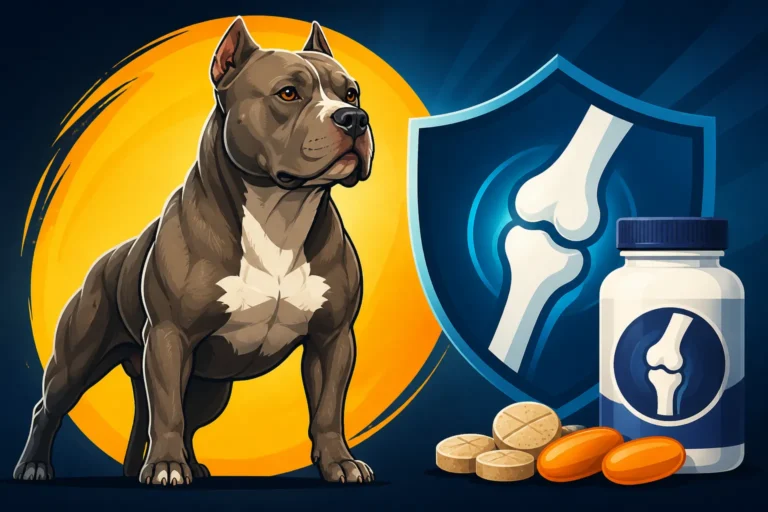
- Joint Support: As Pit Bulls are prone to Pit Bull Hip Dysplasia Showing at One to Two Years and other joint issues, glucosamine and chondroitin supplements might be recommended by your vet, especially as they age or if they're a very active working dog.
- Skin and Coat Health: If your Pit Bull struggles with dry skin or a dull coat, omega-3 fatty acids (like fish oil) can make a noticeable difference. These can also aid in managing inflammation associated with allergies, a common Pit Bull issue, as discussed in Pit Bull Skin Allergies and the Atopy Pattern.
- Probiotics: If your Pit Bull has a sensitive stomach or is recovering from antibiotics, probiotics can help restore gut health.
Always consult your veterinarian before adding any supplements to your Pit Bull’s diet. They can assess your dog's individual needs and recommend specific products and dosages. Giving unnecessary supplements can sometimes do more harm than good, or simply be a waste of money.
Avoiding Dangerous Human Foods and Scraps
While it might be tempting to share your meal with your loyal companion, many human foods are either unhealthy or outright dangerous for Pit Bulls. Sugary, fatty, or salty foods can contribute to weight gain and digestive upset. Even seemingly benign foods can be toxic.
A few common culprits to keep away from your Pit Bull:
- Chocolate, Grapes/Raisins, Onions, Garlic, Xylitol (artificial sweetener): These are highly toxic and can cause severe illness or even death.
- Cooked Bones: They can splinter and cause internal damage.
- Excessive Fat Trimmings: Can lead to pancreatitis.
- Alcohol and Caffeine: Extremely dangerous.
Stick to approved dog treats and ensure any human food you share (like plain cooked lean meats or certain fruits/vegetables) is given sparingly, in small portions, and only after you’ve confirmed it’s safe. Remember, these calories count too! Letting your Pit Bull constantly "clean up" fallen food or finish off your plate can quickly lead to an overweight dog, undermining all your efforts to keep them lean and muscular.
Adapting Diet for Different Life Stages and Activity Levels
A Pit Bull's nutritional needs aren't static; they evolve significantly throughout their life. What fuels a growing puppy won't be ideal for a senior dog, and an intensely active Pit Bull will require different caloric intake than one who prefers a leisurely pace. Recognizing and adjusting for these changes is crucial for lifelong health and a lean, muscular build.
Puppyhood to Adulthood: Growth and Development Needs
Pit Bull puppies grow rapidly, and proper nutrition during this critical phase sets the foundation for their adult health. Puppy food is typically higher in calories, protein, and specific nutrients like calcium and phosphorus to support the development of strong bones and muscles. However, even with puppies, balance is key, especially for larger, more muscular breeds. Overfeeding a puppy can lead to excessively rapid growth, which can put undue stress on developing joints and contribute to orthopedic issues later in life, such as hip dysplasia.
Look for a high-quality "large breed puppy formula" or one specifically designed for moderate growth. These formulas aim to prevent too-fast growth while providing all necessary nutrients. Feed several small meals throughout the day (3-4 meals for very young puppies, gradually reducing to 2 as they approach adolescence). Your veterinarian can guide you on The Age a Pit Bull Finishes Growing and when it's appropriate to transition your Pit Bull from puppy food to an adult formula, usually around 12-18 months, depending on their individual growth rate. Monitor their body condition closely, feeling for ribs and a waistline even in their adorable puppy rolls.
Fueling the Active Adult Pit Bull
Once your Pit Bull reaches adulthood, their metabolism and energy requirements will stabilize, but their activity level remains the primary determinant of their caloric needs. An adult Pit Bull engaged in regular, vigorous exercise – daily runs, fetch sessions, agility training, or even long, brisk walks – will burn significantly more calories than a less active counterpart.
For these energetic dogs, a diet formulated for "active" or "performance" dogs might be appropriate. These foods often have slightly higher protein and fat percentages to support sustained energy and muscle repair. However, if your Pit Bull is moderately active or less, a standard adult maintenance formula will likely suffice. The most important thing is to regularly assess their body condition and adjust their food intake accordingly. A Pit Bull that is very active will naturally maintain a leaner physique, but they still need appropriate fuel. As discussed in Feeding a Muscular Fifty Pound Pit Bull, the specific weight matters less than the body condition and activity level when calculating their nutritional needs. Don't be afraid to tweak their daily portion by small amounts (e.g., a quarter cup) based on how their weight is trending.
Senior Pit Bulls and Maintaining a Healthy Weight
As Pit Bulls enter their senior years, typically around 7-8 years of age, their metabolism often slows down, and their activity levels may decrease due to aging joints or other health conditions. This means their caloric needs will likely decrease, even if they're still active. Continuing to feed them the same amount of food they ate in their prime can quickly lead to weight gain, which puts extra strain on their joints and internal organs, worsening conditions like arthritis in a Pit Bull.
Transitioning to a "senior" or "reduced-calorie" formula can be beneficial. These foods are usually lower in fat and calories but still provide adequate protein to help maintain muscle mass. They may also contain added joint support ingredients like glucosamine. If your senior Pit Bull has specific health issues, such as kidney disease or heart conditions, your vet might recommend a prescription diet. Caring for a Pit Bull in Its Second Decade often involves dietary adjustments to manage weight and support aging systems. Even an old Pit Bull needs protein to prevent muscle wasting, so look for formulas that balance lower calories with good protein levels. Regular vet check-ups are especially important during these years to monitor their weight, blood work, and adjust their diet as needed.
| Life Stage / Activity | Typical Protein Range (Dry Matter) | Typical Fat Range (Dry Matter) | Key Considerations |
|---|---|---|---|
| Puppy (Growing) | 28-35% | 15-22% | Supports rapid growth; avoid overfeeding |
| Adult (Active) | 25-30% | 15-18% | Fuel for high energy; muscle maintenance |
| Adult (Moderate) | 22-26% | 12-16% | Balanced for average activity; weight control |
| Senior | 22-25% | 10-14% | Lower calorie, maintain muscle; joint support |
Addressing Common Feeding Challenges and Solutions
Even with the best intentions, feeding a Pit Bull to maintain an ideal lean and muscular physique isn't always straightforward. You might encounter specific challenges that require tailored approaches. It’s okay if things aren’t perfect; the important thing is how you adapt.
The Picky Eater Pit Bull
While many Pit Bulls are enthusiastic eaters, some can be surprisingly picky, turning their nose up at perfectly good food. This can be frustrating, especially when you've invested in a high-quality diet. Before assuming pickiness, rule out underlying medical issues with a vet visit. Dental pain, digestive upset, or other illnesses can cause a loss of appetite.
If health issues are clear, consider these strategies:
- Consistency: Avoid constantly switching foods, which can reinforce pickiness. Pick a good food and stick with it.
- Mealtime Routine: Feed at consistent times and remove the bowl after 15-20 minutes, whether they've eaten or not. This teaches them that food is available at certain times, not on demand.
- Enhancements ( sparingly): A small amount of low-sodium broth, a spoonful of canned pumpkin, or a sprinkle of a food topper (available on Chewy or Amazon) can sometimes make kibble more appealing. Be careful not to add too many extra calories.
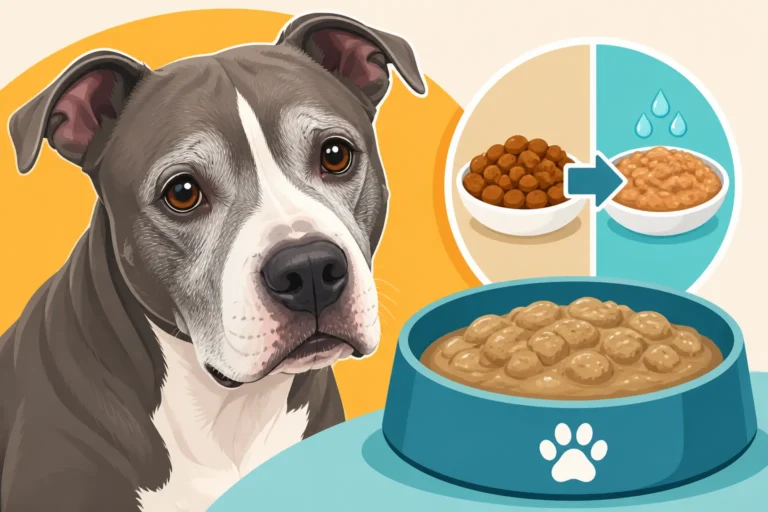
- Warmth: Sometimes, slightly warming wet food or adding warm water to kibble can release aromas that entice a picky eater.
- Location: Ensure their feeding area is quiet, calm, and free from distractions.
Remember, a healthy dog will not starve itself. If they're truly hungry, they will eventually eat. Don't fall into the trap of offering an endless buffet of different foods, as this often makes the problem worse.
Managing Rapid Eaters and Bloat Risk
Some Pit Bulls inhale their food faster than you can say "sit." While often just enthusiasm, rapid eating can lead to indigestion, vomiting, and, more seriously, increase the risk of bloat (gastric dilatation-volvulus), especially in deep-chested breeds. Recognizing Bloat in a Deep-Chested Pit Bull is critical, as it's a life-threatening emergency.
To slow down a rapid eater:
- Slow Feeder Bowls: These bowls have obstacles or maze-like designs that force your dog to eat around them, significantly slowing down their intake. You can find many effective options on Amazon.
- Puzzle Feeders: Similar to slow feeder bowls, these toys dispense food slowly as your dog manipulates them, providing mental enrichment at the same time.
- Spread the Food Out: You can scatter their kibble across a clean, hard floor or lawn, making them "hunt" for each piece.
- Multiple Small Meals: Instead of two large meals, try three smaller meals throughout the day to reduce the volume eaten at any one time.
- Elevated Bowls: While once thought to reduce bloat risk, current research is mixed, with some studies even suggesting a slight increase in risk. Consult your vet before using an elevated feeder.
- Quiet After Meals: Avoid vigorous exercise, excitement, or large amounts of water immediately before or after meals. A calm period of at least an hour before and after eating is recommended.
Dietary Changes for Skin and Allergy Issues
Pit Bulls are unfortunately predisposed to various skin allergies, and diet can play a significant role. If your Pit Bull is constantly itching, scratching, or suffering from recurrent ear infections, a food allergy could be a contributing factor. This can be a huge frustration for owners trying to keep their dogs comfortable.
- Food Trial (Elimination Diet): The gold standard for diagnosing food allergies is an 8-12 week food trial using a "novel protein" (one your dog has never eaten before, like duck, venison, or kangaroo) or a "hydrolyzed protein" diet. During this period, nothing else can be fed – no treats, no table scraps, no flavored medications. This requires extreme discipline but is the most reliable way to pinpoint a food allergen. An Eight Week Food Trial on an Itchy Pit Bull provides more details on this process.
- Limited Ingredient Diets (LIDs): Many owners turn to Limited Ingredient Diets for an Itchy Pit Bull. These diets simplify the ingredient list, often using a single protein source and a single carbohydrate source, making it easier to identify potential triggers. Brands like Ollie often offer novel protein options that can be great for food trials.
- Omega-3 Fatty Acids: These powerful anti-inflammatory agents can help reduce skin inflammation and improve coat health, whether the allergy is food-related or environmental.
- Working with Your Vet: Always work with your veterinarian or a veterinary dermatologist when tackling food allergies. They can help you design a safe and effective food trial and manage any secondary skin infections that often accompany allergies. Dietary changes alone may not resolve all allergy symptoms, as environmental allergies often play a part.
Monitoring Progress and Adjusting as Needed
Feeding a Pit Bull to maintain their lean, muscular physique isn't a "set it and forget it" task. It requires ongoing vigilance and a willingness to adapt. Just like a finely tuned machine, your Pit Bull's body responds to changes in diet and activity, and you need to be observant to keep them in peak condition.
Regular Body Condition Scoring
This is your most powerful tool for weight management, even more so than the scale. Since Pit Bulls carry a lot of muscle, the number on the scale can be misleading. Body condition scoring (BCS) involves visually assessing and physically feeling your dog to determine their fat reserves.
Here’s what to look for:
- Ribs: You should be able to easily feel your Pit Bull's ribs with slight pressure, like feeling the knuckles on the back of your hand. You shouldn't see them prominently sticking out, but you also shouldn't have to press hard to feel them.
- Waistline: When looking down at your dog from above, you should see a clear "tuck" or narrowing behind their ribs, forming a distinct waist.
- Abdominal Tuck: From the side, their belly should tuck up slightly from their chest, not hang low or be straight across.
- Spine and Hip Bones: You should be able to feel their spine and hip bones without them being sharply protruding.
A common scale for BCS is 1-9, with 1 being emaciated and 9 being obese. The goal for a Pit Bull is typically a 4 or 5 – lean and muscular. Why Muscle Makes Pit Bull Weight Hard to Judge is precisely why this hands-on assessment is so crucial. Perform a BCS check at least once a month, if not more frequently, to catch any creeping weight gain early.
The Importance of Veterinary Check-ups
Your veterinarian is your best partner in ensuring your Pit Bull's optimal health and weight. Regular check-ups, typically once a year for adults and twice a year for seniors, allow your vet to:
- Assess Overall Health: Rule out underlying medical conditions that might affect weight, such as thyroid issues (as discussed in Hypothyroidism and a Thinning Pit Bull Coat) or metabolic diseases.
- Provide Objective BCS: They can give an unbiased professional assessment of your dog’s body condition.
- Discuss Dietary Needs: Your vet can help calculate precise caloric needs, recommend specific diets (e.g., for allergies or seniors), and advise on supplements.
- Monitor Joint Health: Weight has a massive impact on joint health, and your vet can discuss ways to support joints through diet and exercise.
Don't hesitate to schedule a visit if you have concerns about your Pit Bull's weight, appetite, or any other changes in their eating habits or condition. They can provide tailored advice that considers your dog's unique medical history and lifestyle.
Keeping a Food and Exercise Journal
This might sound like a lot of work, but a simple food and exercise journal can be an incredibly insightful tool, especially if you're struggling to maintain your Pit Bull's ideal weight. It doesn't have to be fancy – a notebook or a note on your phone will do.
Log the following:
- Daily Food Intake: Exactly how much food (weighed, not measured!), what type, and any supplements given.
- Treats: List all treats, including their type and approximate quantity.
- Exercise: Detail the type, duration, and intensity of daily physical activity.
- Body Condition Score: Make a note of your weekly or monthly BCS assessment.
- Observations: Any changes in appetite, energy levels, stool quality, or overall demeanor.
Over time, this journal will reveal patterns. You might discover that a slight increase in treats on training days is causing subtle weight creep, or that a decrease in exercise during a rainy week led to a bit more padding. It provides objective data that can help you make informed adjustments to their diet and activity, keeping your Pit Bull perfectly lean and muscular for years to come.
Disclaimer
This article is for general informational purposes only and does not constitute professional advice. Laws, prices and regulations vary by location and change over time. Consult a qualified professional for guidance on your specific situation.