Why Pit Bull Type Dogs Are Returned More Often
It's a heartbreaking truth that Pit Bull type dogs often face higher return rates to shelters, a reality that weighs heavily on rescue workers and prospective adopters alike. Many people go into adopting one of these wonderful, often misunderstood dogs with the best intentions, only to find themselves overwhelmed by factors they hadn't anticipated or prepared for. This guide is here to shed light on the complex reasons behind why Pit Bull type dogs are returned more frequently, helping current and future owners understand these challenges and, hopefully, lead to more successful, lifelong adoptions.
The Weight of Public Perception and Misinformation
One of the biggest hurdles Pit Bull type dogs face isn't anything inherent to their character, but rather the deeply ingrained biases and misunderstandings that surround them. They often bear the brunt of generalizations and negative portrayals, which can set them up for failure even before they step paw into a new home.
Enduring Stereotypes and Media Portrayals
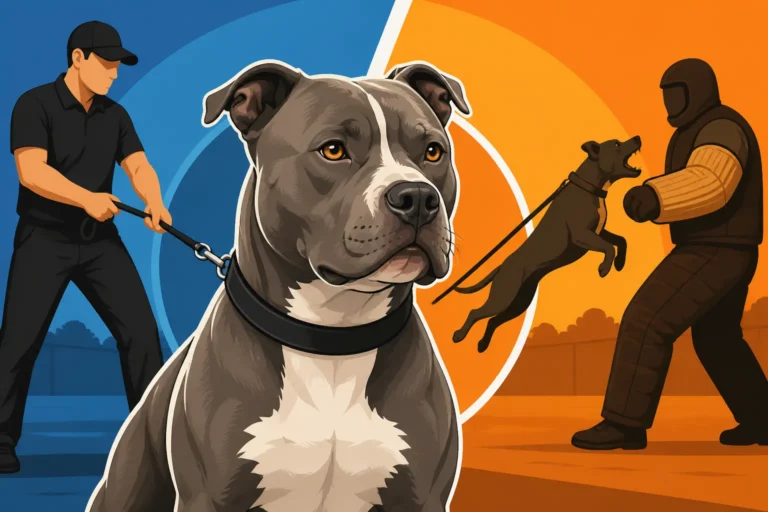
From sensationalized news stories to decades of misrepresentation in popular culture, the image of a "Pit Bull" in many people's minds is often far from the loving, goofy, and loyal companions these dogs truly are. These stereotypes often focus on aggression, strength, and an imagined dangerous nature, leading to a general public fear that can create an isolating environment for owners. Imagine trying to walk your sweet, playful dog in your neighborhood, only to have people visibly recoil or pull their own dogs away. This constant judgment can erode an owner's confidence and even lead to feelings of resentment or isolation, making it harder for them to advocate for their dog or seek proper training when challenges arise. It's an unfair burden to place on both dog and owner. Why a Pit Bull Is Judged by a Stricter Standard really delves into this.
Breed-Specific Legislation and Housing Restrictions
Perhaps one of the most significant external factors contributing to returns is the pervasive breed-specific legislation (BSL) and housing restrictions that target Pit Bull type dogs. Many cities, counties, and even entire states have laws that ban or severely restrict ownership of these dogs, often based solely on their appearance rather than individual behavior. This means an owner might adopt a Pit Bull type dog, only to find their housing situation becomes untenable due to landlord policies or HOA bylaws. A sudden job relocation or a desire to move to a new neighborhood can become a nightmare if the new location has BSL in place, leaving owners with the impossible choice of giving up their beloved pet or finding new housing that may not exist. We explore this further in Whether Your Housing Situation Allows a Pit Bull. It's a cruel reality that often forces owners to surrender dogs they deeply love, through no fault of their own or their dog's.
Common Challenges Faced by Adopters
Beyond external pressures, some internal challenges within the home can also lead to returns. These often stem from a mismatch between an adopter's expectations and the actual needs or typical characteristics of Pit Bull type dogs.
Underestimating Training and Exercise Needs
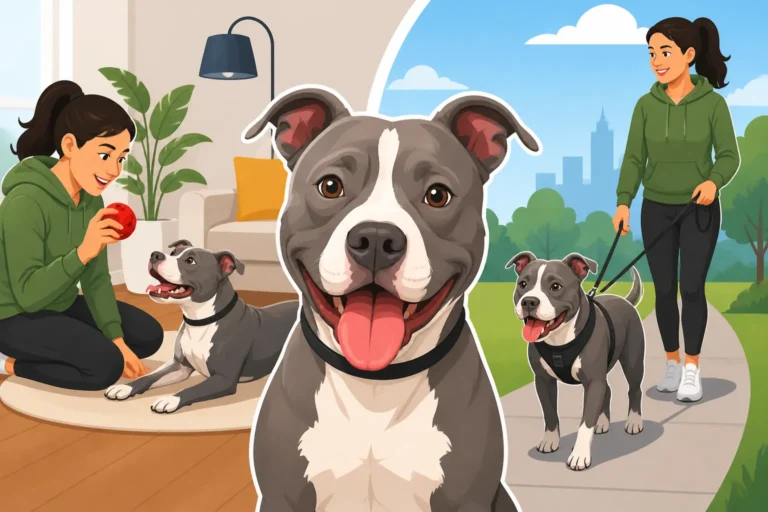
Pit Bull type dogs are athletic, intelligent, and often possess a strong drive. While this makes them incredibly capable and fun companions, it also means they have significant training and exercise needs that, if not met, can manifest as destructive or challenging behaviors. A dog that is bored or under-exercised might chew furniture, dig up the yard, or pull relentlessly on the leash. Owners, expecting a couch potato, might be quickly overwhelmed by a dog with boundless energy that needs consistent mental stimulation and physical outlets. Thinking a couple of short walks a day will suffice is a common mistake. These dogs thrive on structured walks, training sessions, puzzle toys, and interactive play. Proper Pit Bull Leash Manners and Physical Strength training is essential from day one to manage their power. Without this understanding and commitment, frustrated owners may feel they can't handle their dog, leading to surrender.
Managing Dog-Selective Tendencies
Another aspect that sometimes catches new owners off guard is the tendency for many Pit Bull type dogs to be "dog selective," meaning they may not automatically get along with every dog they meet, or may even prefer to be the only dog in the household. This isn't aggression in the way many people interpret it, but rather a preference for certain play styles or a lack of tolerance for rude canine manners. While many Pit Bulls live happily with other dogs, it's crucial for adopters to understand that careful introductions and ongoing management are often necessary, especially if they already have other pets or frequent dog parks. Pit Bull Dog Selectivity and Multi-Dog Homes offers more insight into this. When a new Pit Bull type dog doesn't integrate seamlessly into a multi-dog home, or if conflicts arise, owners may feel they have no choice but to return the dog. This often happens because they weren't adequately informed or prepared for this potential trait.
The Reality of Health and Ownership Costs
Adopting any dog comes with financial responsibilities, but for Pit Bull type dogs, these costs can sometimes be higher or more frequent than anticipated, especially concerning certain health issues common in the breed type.
Unexpected Veterinary Bills
Like many purebred or specific type dogs, Pit Bulls can be prone to certain health conditions. Skin allergies, for instance, are notoriously common and can lead to chronic itching, infections, and ongoing veterinary visits, often requiring specialized diets, medications like Apoquel or Cytopoint, and medicated baths. These conditions can be expensive to manage, with recurring bills for consultations, prescriptions, and special foods. Hip and elbow dysplasia are also concerns for these muscular dogs, and surgeries to address these issues can be a significant financial burden. A single emergency, such as a bloat scare or a major injury, can quickly drain savings. Many adopters may not budget for such extensive medical care, and when faced with mounting vet bills, they might feel forced to return their dog. Considering What a Pit Bull Costs a Year With Allergies can be eye-opening for prospective owners.
Here's a look at some common expenses that can catch owners by surprise:
| Category | Potential Cost Impact (Shape of Cost) |
|---|---|
| Allergy Management | Ongoing medication, special diets, vet visits |
| Orthopedic Issues | Diagnostic imaging, potential surgeries |
| Emergency Care | Unforeseen accidents, sudden illnesses |
| Dental Care | Regular cleanings, potential extractions |
| Preventative Care | Heartworm, flea/tick, vaccinations for larger dogs |
It's wise for any Pit Bull owner to explore options like pet insurance early on, although it's worth noting that Pit Bull Pet Insurance and Breed Exclusions can sometimes be a challenge to navigate.
Feeding and Gear for a Powerful Breed
Beyond medical care, the daily costs of owning a powerful, active Pit Bull type dog can also add up. These dogs often require high-quality food to maintain their muscular physique and energy levels, which can be more expensive than generic brands. If an allergy or sensitive stomach develops, prescription diets become a necessity, further increasing the food budget. Furthermore, Pit Bull type dogs are strong chewers and highly active, meaning they need durable toys, sturdy harnesses, and sometimes specialized crates that can withstand their power. Many standard pet store items simply don't hold up. Imagine constantly replacing toys your dog shreds in minutes or buying new leashes because they keep snapping. This constant replacement of gear, combined with substantial food bills, can strain a household budget. Retailers like Chewy offer a wide range of durable toys and specialized foods, but the costs still accumulate. Proper enrichment tools are also important; a strong, smart dog needs indestructible puzzle toys and interactive feeders to prevent boredom.
When Life Changes Impact Ownership
Life is unpredictable, and sometimes, even the most dedicated owners find themselves in circumstances that make continued pet ownership impossible. For Pit Bull type dogs, these life changes often intersect with existing breed biases, compounding the challenge.
Moving and Landlord Issues
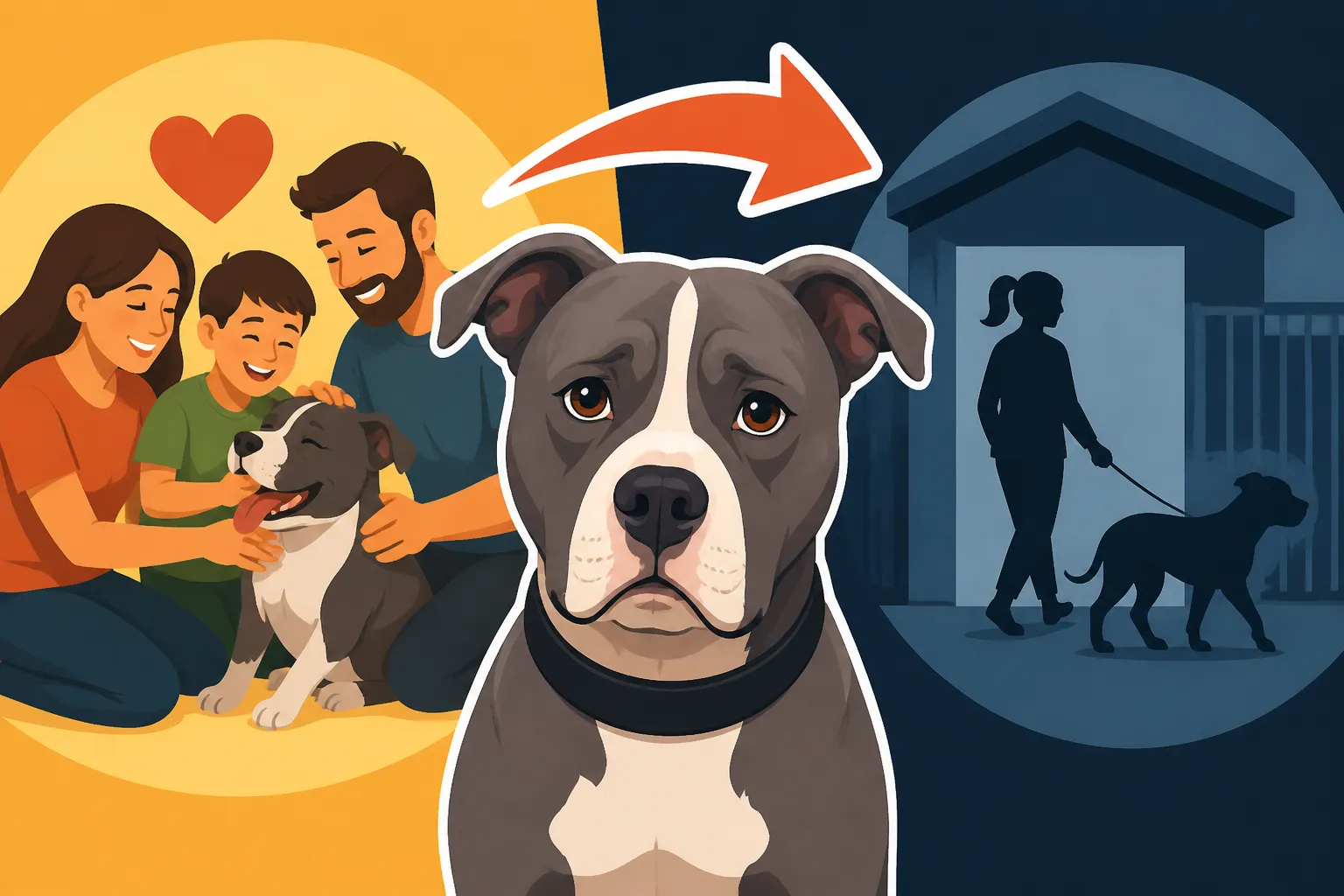
As mentioned earlier, moving can be a critical trigger for surrenders. Whether it's a cross-country move for a new job or simply relocating to a new apartment across town, finding housing that accepts a Pit Bull type dog can be incredibly difficult. Landlords and property management companies often have blanket breed restrictions, even if the individual dog is well-behaved and friendly. This puts owners in an impossible position: choose between stable housing and their beloved companion. It's not uncommon for families to try everything – from offering extra deposits to providing glowing references from previous landlords and trainers – only to be met with a firm "no." This heartbreaking situation is a leading cause of returns, especially for dogs in their prime. For more on this, check out Moving to a City With a Pit Bull Ban.
New Family Members and Compatibility
Bringing a new baby into the home or introducing a new partner who isn't comfortable with dogs can also lead to difficult decisions. While many Pit Bulls are wonderful with children and can adapt to new people, the perception of them as dangerous can create undue anxiety. A new parent, perhaps already stressed, might become overly cautious with their Pit Bull type dog around the baby, even if the dog has shown no concerning behavior. Or, a new partner might simply refuse to live with a dog that carries such a strong, often negative, stereotype. Education and careful, gradual introductions are key in these scenarios, but fear and societal pressure can sometimes override rational assessment. This isn't a reflection of the dog's character, but rather the immense pressure and fear placed upon owners of Pit Bull type dogs. In these situations, owners may feel they are making the "responsible" choice by returning the dog, rather than taking on perceived risks or relationship strain.
Ultimately, the higher return rates for Pit Bull type dogs are a multifaceted issue, deeply intertwined with societal prejudices, misinformed expectations, and the practical challenges of ownership. It highlights the critical need for comprehensive education for prospective adopters, thorough screening by shelters (like how What a Shelter Assesses in a Pit Bull is crucial), and ongoing support for owners. With the right preparation, understanding, and commitment, these incredible dogs can find and keep their forever homes. Knowing what to expect and being ready for both the joys and the challenges is the best way to ensure a loving, lifelong bond.
Disclaimer
This article is for general informational purposes only and does not constitute professional advice. Laws, prices and regulations vary by location and change over time. Consult a qualified professional for guidance on your specific situation.