When to Neuter a Pit Bull Without Costing Joints
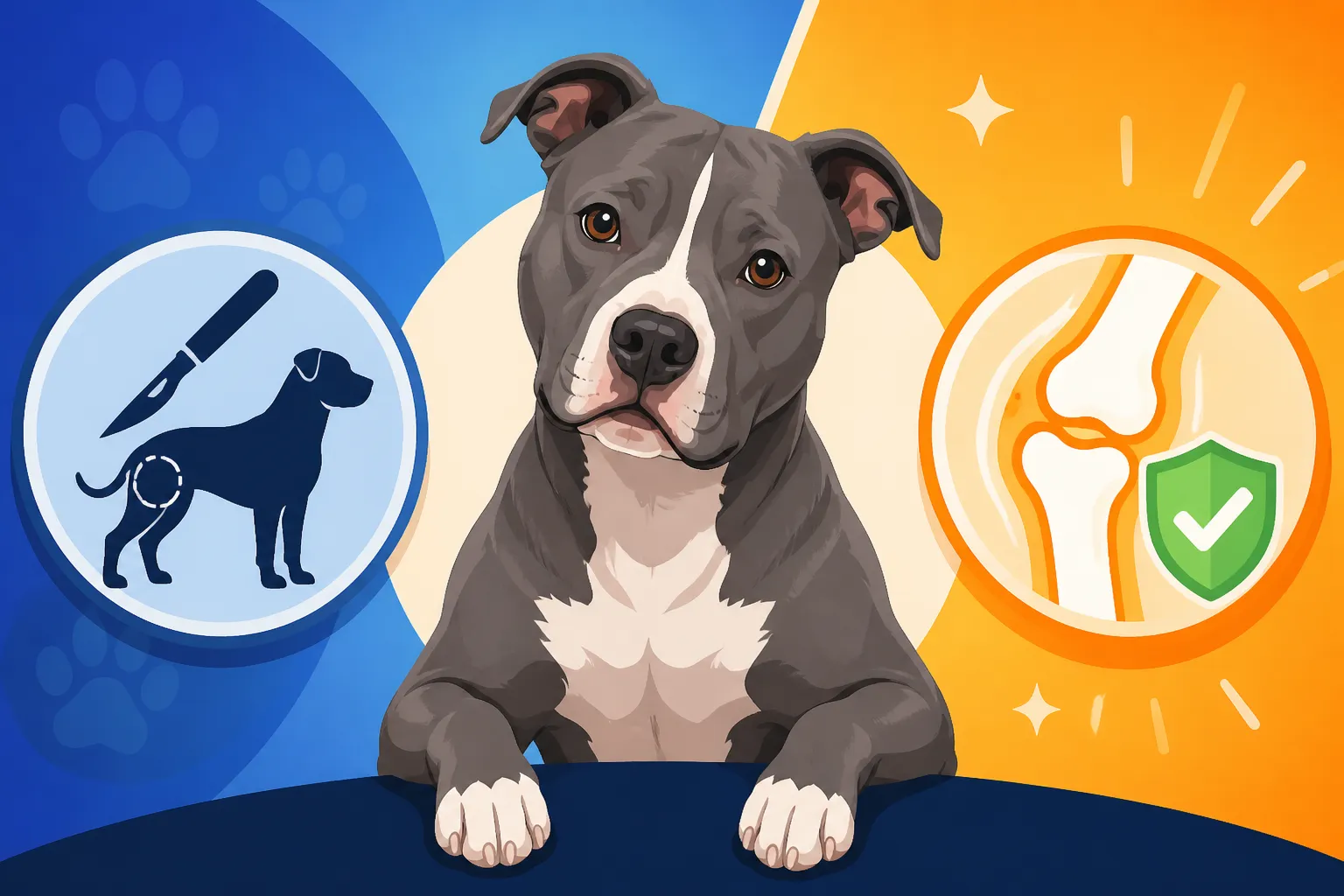
One of the most common and often agonizing decisions Pit Bull owners face is when to neuter their beloved companion. It’s not just about preventing unwanted litters or curbing certain behaviors; there’s a crucial link between the timing of this procedure and your Pit Bull’s long-term joint health. Many of us have heard conflicting advice, leaving us feeling overwhelmed and worried about making the wrong choice that could impact our dog’s mobility down the line. This comprehensive guide will help you understand the science behind neuter timing and how to make the best decision to protect your Pit Bull's joints.
The Impact of Hormones on Pit Bull Joint Development
It might seem counterintuitive to link sex hormones to bones and joints, but these powerful chemical messengers play an incredibly significant role in a dog's physical development. For a robust, active breed like the Pit Bull, whose skeletal structure bears a substantial amount of muscle, ensuring optimal joint health from the start is paramount. The timing of neutering directly influences the presence and duration of these hormones, and consequently, the way your Pit Bull's bones and joints mature.
The Role of Estrogen and Testosterone
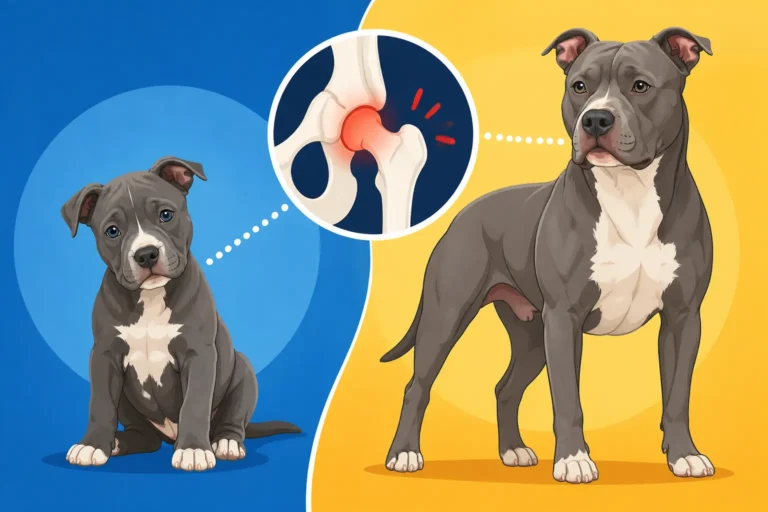
Estrogen and testosterone, the primary sex hormones in female and male dogs respectively, are far more than just reproductive agents. They are deeply involved in a multitude of bodily functions, including the regulation of bone growth and density. Think of them as master conductors orchestrating the development of your dog's skeleton. In growing puppies, these hormones are crucial for signalling the body when to stop growing. They influence the growth plates—areas of soft, developing cartilage at the ends of long bones—to eventually close and harden into mature bone. Without the proper duration of these hormones, this natural process can be disrupted, leading to bones that grow for too long or in abnormal ways.
For instance, studies have shown that dogs neutered early can have longer limb bones. This might sound like a minor detail, but it changes the biomechanics of their joints. Longer bones can put abnormal stress on ligaments and cartilage, which are designed to support a specific skeletal configuration. It’s like building a bridge with slightly longer spans than intended; the supporting cables and foundations will bear more strain. This altered growth can also affect muscle development and attachment points, creating a cascade of potential issues for a powerful, athletic dog like a Pit Bull.
Growth Plate Closure and Timing
The concept of growth plate closure is central to understanding neuter timing. Imagine the long bones in your Pit Bull’s legs, like the femur in the thigh or the humerus in the upper arm. At either end of these bones, there are specialized areas of cartilage called growth plates. These are where new bone tissue is produced, lengthening the bones as your puppy grows. Throughout puppyhood and adolescence, these plates remain open, actively contributing to the dog's increasing size.
As a dog approaches maturity, typically between 12 and 18 months for most large breeds, the sex hormones trigger these growth plates to calcify and fuse, effectively closing them. Once closed, the bones stop lengthening. If a Pit Bull is neutered before these growth plates have naturally closed, the removal of those crucial sex hormones can delay or alter this process. This can result in bones growing for a longer period, making the dog taller and sometimes lankier than they would have been otherwise. This extended growth can lead to disproportionate bone lengths, which in turn affects how the joints align and function. The longer bones can create leverage issues, placing excessive strain on the connecting ligaments and joint capsules. For a muscular breed that puts significant force on its limbs, these subtle changes can have profound implications, increasing the risk of orthopedic problems down the road.
Increased Risk of Joint Issues with Early Neutering
The direct link between early neutering and an increased risk of joint problems in larger, heavier breeds is a topic that has garnered significant attention in veterinary medicine and among responsible owners. For Pit Bulls, with their powerful builds and energetic natures, understanding these risks is vital. When the natural hormonal balance is interrupted by neutering before full skeletal maturity, specific orthopedic conditions become more prevalent and potentially more severe.
Cruciate Ligament Tears
One of the most frequently cited concerns with early neutering is the increased incidence of cranial cruciate ligament (CCL) tears. This ligament, located in the knee, is critical for stabilizing the joint. A tear in the CCL is a common and painful injury in dogs, often requiring expensive and invasive surgery to correct. For a Pit Bull, known for its athleticism and powerful hindquarters, a CCL tear can be devastating, impacting their quality of life significantly.
Research indicates that dogs neutered before their growth plates close, particularly those neutered before six months of age, have a significantly higher risk of developing CCL tears compared to their intact counterparts. The theory behind this is multifaceted. Firstly, the altered bone growth from early hormone removal can change the angle of the tibial plateau (the top surface of the shin bone), putting more strain on the CCL. Secondly, sex hormones contribute to the strength and integrity of connective tissues like ligaments and tendons. Without these hormones, the ligaments may be weaker or less elastic, making them more susceptible to injury during normal activities or sudden movements. A Pit Bull that experiences a CCL tear often requires significant recovery time, rehabilitation, and sometimes even surgery on the other knee later down the line, as the increased stress on the compensatory leg can lead to further issues. Learning about Cruciate Ligament Tears in a Muscular Pit Bull is crucial for any owner.
Hip Dysplasia and Elbow Dysplasia Exacerbation
Hip dysplasia and elbow dysplasia are unfortunately common orthopedic conditions in many medium to large breed dogs, including Pit Bulls. While these conditions have a strong genetic component, the timing of neutering can undeniably play a role in their severity and even their manifestation. These are complex conditions where the joints don't form properly, leading to looseness, pain, and eventually arthritis. Many Pit Bull owners are already vigilant about Pit Bull Hip Dysplasia Showing at One to Two Years and Pit Bull Elbow Dysplasia and Front End Lameness, but understanding the hormonal link adds another layer of preventative care.
For hip dysplasia, some studies have found an increased risk and severity in dogs neutered at an early age. The altered growth of the long bones and the surrounding musculature, influenced by the lack of sex hormones, can contribute to poorer joint conformation. When the femoral head (the "ball" of the hip joint) doesn't fit snugly into the acetabulum (the "socket"), it leads to instability and abnormal wear, paving the way for arthritis. Similarly, elbow dysplasia, which involves multiple developmental abnormalities in the elbow joint, can also be exacerbated. The timing of growth plate closure directly affects the precise fit and articulation of the bones in the elbow. An imbalance in bone growth, even slight, can lead to uneven weight distribution and excessive pressure on certain parts of the joint, accelerating degenerative changes. If you are ever faced with these issues, understanding What One Pit Bull Hip Costs to Replace can be daunting, highlighting the importance of preventative care.
For a Pit Bull, whose strong, muscular frame naturally puts considerable stress on these joints, minimizing any additional risk factor is incredibly important. This isn't to say that all early-neutered Pit Bulls will develop these issues, but the data suggests a measurable increase in risk that responsible owners should seriously consider.
Optimal Neutering Windows for Pit Bulls
Given the potential risks associated with early neutering, the question then becomes: what is the optimal time? There isn't a one-size-fits-all answer, as individual development can vary, but veterinary science and recent studies offer clear guidelines that prioritize joint health. The general consensus for larger, longer-maturing breeds like Pit Bulls points towards waiting until they are more skeletally mature.
Waiting Until Growth Plates Close
The most commonly recommended guideline for preserving joint health is to wait until your Pit Bull's growth plates have fully closed. As discussed earlier, this is when the soft cartilage at the ends of the long bones has solidified into mature bone, signaling that your dog has reached their adult height and bone length. For most Pit Bulls, this typically occurs between 12 to 18 months of age, though some may mature a little earlier or later. It's truly about observing the individual dog, not just sticking to an arbitrary calendar date.
Waiting until this stage ensures that the sex hormones have had their full effect on bone development, allowing the bones to grow to their natural length and the joints to form with the best possible structure. This minimizes the risk of the altered biomechanics that can predispose dogs to conditions like CCL tears, hip dysplasia, and elbow dysplasia. Your veterinarian can help you determine if your Pit Bull's growth plates have closed through physical examination and, if necessary, radiographs. While the exact moment of closure isn't always visibly obvious, a general age range provides a safe window. This approach supports a stronger, healthier musculoskeletal system for your active companion, potentially saving you from significant veterinary bills down the road. Pet insurance providers like Healthy Paws can be invaluable when unexpected health issues arise, but proactive choices like appropriate neuter timing can help reduce those instances.
Considerations for Males vs. Females
While the general recommendation is to wait until skeletal maturity for both sexes, there can be slight nuances between male and female Pit Bulls.
For male Pit Bulls, waiting until 12-18 months of age is broadly recommended. The benefits primarily revolve around joint health, as well as potential behavioral advantages such as better impulse control and reduced anxiety. Some owners worry about marking or aggression in intact males, but often these behaviors are more complex and can be managed through training, not solely neutering. Delaying neutering also allows for full development of secondary sexual characteristics, contributing to their robust physique. This doesn't mean you can ignore potential issues like Pit Bull Obesity and Joint Strain if they do gain weight post-neuter.
For female Pit Bulls, the decision carries an additional layer of consideration: the risk of mammary cancer and pyometra (a uterine infection). Spaying a female dog significantly reduces the risk of mammary cancer, especially if done before her first heat cycle. However, spaying before the first heat, typically around 6-12 months, would be considered early neutering for joint health purposes. The goal for joint health is still to wait until 12-18 months, or even after the first heat cycle, to allow for full bone development. A single heat cycle does slightly increase the risk of mammary tumors compared to spaying before any heats, but the protective effect still holds strong if spayed after one or two heats. The risk of pyometra, a serious and potentially life-threatening infection, increases with each heat cycle an intact female experiences.
Therefore, for females, it often becomes a careful weighing of the slightly increased cancer risk versus the joint health benefits. Discussing this with your vet to assess your individual dog's risk factors and lifestyle is key. If you decide to wait for spaying, meticulous management during heat cycles to prevent unwanted pregnancies and close monitoring for signs of pyometra become paramount. This involves strict supervision, secure fencing, and avoiding dog parks during estrus.
Here’s a simplified comparison:
| Factor | Early Neutering (Under 12 months) | Late Neutering (12-18+ months) |
|---|---|---|
| Joint Health | Increased risk of CCL tears, hip & elbow dysplasia | Reduced risk of joint issues; allows full growth plate closure |
| Bone Growth | Potential for longer limb bones, altered joint biomechanics | Natural bone length achieved, optimal joint alignment |
| Mammary Cancer (Females) | Lowest risk if spayed before first heat | Slightly increased risk after first heat, still highly protective |
| Pyometra (Females) | No risk | Risk increases with each heat cycle; requires diligent monitoring |
| Testicular Cancer (Males) | No risk | Eliminated with neutering at any age, but later removal is still preventative |
| Perianal Adenoma (Males) | No risk | Eliminated with neutering at any age, but later removal is still preventative |
| Behavioral | May reduce some hormone-driven behaviors, but not a universal fix | Allows for full hormonal maturity, potentially better impulse control |
| Anesthesia Risk | Generally lower due to younger age | Typically low, but slightly higher with age/other health conditions |
Assessing Your Pit Bull's Physical Maturity
Knowing when to neuter means understanding if your Pit Bull has finished growing. It’s not just about looking at a calendar, but truly assessing their physical development. Your vet is your best partner in this, but there are also signs you can look for at home to gauge their progress.
Monitoring Weight, Height, and Body Condition
One of the most straightforward ways to monitor your Pit Bull's maturity is by regularly tracking their growth. Keep a record of their weight and height, perhaps once a month, during their adolescent period. You'll notice that their growth rate, which might have been rapid during puppyhood, will gradually slow down and eventually plateau. Once their height and weight have remained consistent for a few months, it's a good indicator that they've likely reached their adult size and their bones have stopped lengthening. Remember, Pit Bulls are a muscular breed, so telling muscle from fat can be tricky. You want to aim for a lean, athletic body condition, not an overweight one, as How Weight Multiplies the Load on Pit Bull Joints is a serious concern.
Beyond just numbers, observe their overall body condition. Are they still looking a bit "leggy" or awkward, like a teenager still growing into their frame? Or do they appear more filled out, with a sturdy, balanced physique? A physically mature Pit Bull will have developed their characteristic broad chest and powerful musculature. While they may continue to build muscle mass into their second or even third year, the foundational skeletal growth typically completes by 12-18 months. Pay attention to their gait as well; a maturing dog will move with more coordination and power once their skeleton has settled. Keeping a keen eye on these physical changes provides valuable insights into whether your Pit Bull is nearing the point where those crucial growth plates are likely to be closed. For further reading, understand The Age a Pit Bull Finishes Growing.
Consulting with Your Veterinarian
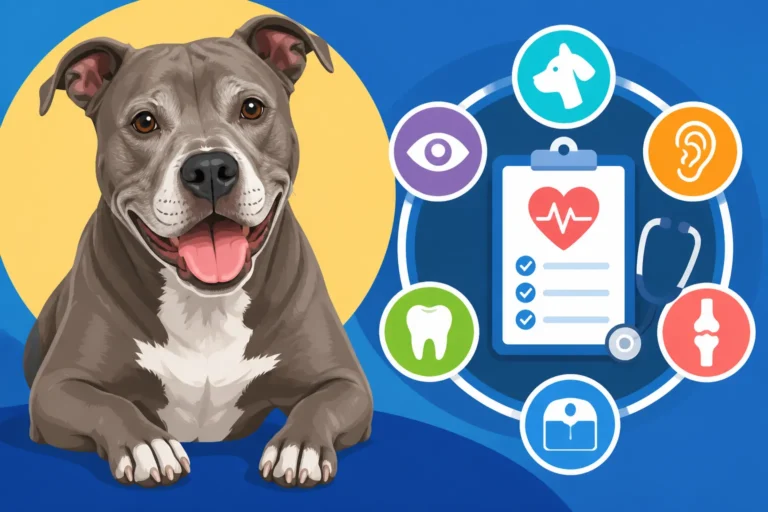
While at-home observation is helpful, your veterinarian is the ultimate resource for assessing your Pit Bull's physical maturity and guiding your neutering decision. During routine check-ups, your vet will perform a thorough physical examination, palpating joints and assessing overall body structure. They can often feel if growth plates are still open or if they have started to close. They have a deeper understanding of Pit Bull breed specifics and can factor in your dog's individual development, lifestyle, and any genetic predispositions.
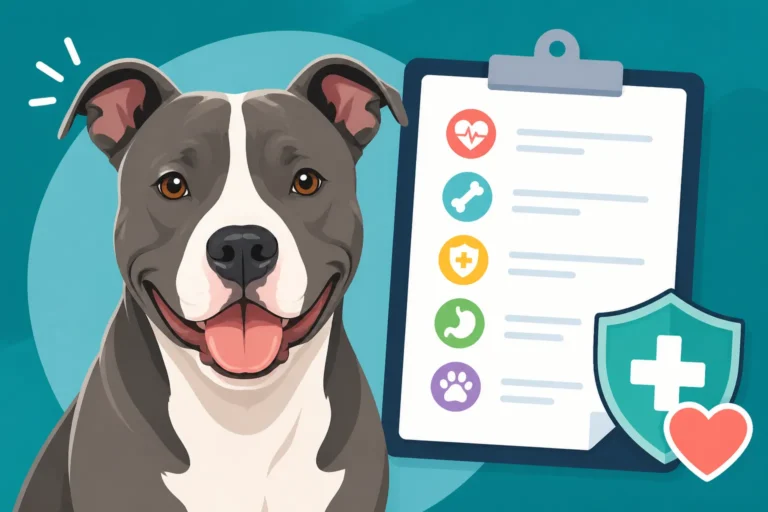
If there's any uncertainty about growth plate closure, your vet might recommend taking radiographs (X-rays) of your Pit Bull's legs. These images can clearly show whether the growth plates are still visible as distinct lines or if they have fused. This definitive diagnostic tool provides concrete evidence for making an informed decision. Your vet can also discuss the pros and cons of delayed neutering in the context of your dog's specific health history and your living situation. They can address concerns about behavioral changes in intact dogs or the management of a female in heat, offering solutions like pet insurance (which Healthy Paws offers) to help cover preventative care costs or potential complications if you choose to wait. Remember, this is a collaborative decision, and an open conversation with your vet ensures you're making the most responsible choice for your Pit Bull's long-term well-being.
Alternative Options and Managing Unneutered Dogs
Deciding to delay neutering, or even to avoid it altogether in some rare cases, brings up important considerations for responsible pet ownership. It’s not simply about not doing the surgery; it’s about understanding the alternatives and how to manage an intact dog safely and ethically.
Vasectomy/Ovary-Sparing Spay
For owners who are primarily concerned with preventing unwanted pregnancies but still wish to preserve their dog's natural hormone production for health benefits, alternative sterilization procedures exist. These options allow the dog to retain their sex hormones, thereby potentially mitigating the orthopedic risks associated with traditional neutering, while still preventing reproduction.
A vasectomy for male dogs involves severing the vas deferens, the tubes that carry sperm from the testes. This procedure renders the male infertile, but his testicles remain, continuing to produce testosterone. This means he will still exhibit intact male behaviors, such as interest in females in heat, potential marking, and a propensity for roaming if not securely contained. The key benefit is that he retains the testosterone crucial for proper musculoskeletal development and maintenance.
For female dogs, an ovary-sparing spay (OSS), also known as a hysterectomy or partial spay, involves removing only the uterus and cervix, leaving the ovaries intact. The ovaries continue to produce estrogen, preserving the hormonal benefits for bone and joint health, and potentially reducing risks of conditions like urinary incontinence later in life. However, because the ovaries are still present, the female will continue to experience heat cycles. She won't be able to get pregnant, but she will still attract intact males, require careful management during heat, and retain a risk (though reduced) of mammary tumors. Both a vasectomy and an OSS are specialized procedures that not all veterinarians perform, so you might need to seek out a veterinary surgeon experienced in these techniques. These options highlight that there are ways to consider joint health while still addressing the primary concern of population control.
Responsible Management of Intact Dogs
Whether you choose to delay traditional neutering or opt for a hormone-sparing sterilization, managing an intact dog, especially a powerful breed like a Pit Bull, requires a higher level of commitment and responsibility. This isn't just about preventing unwanted litters; it's also about ensuring the safety of your dog and others, and respecting your community.
For intact males, a secure yard is non-negotiable. Pit Bulls are known for their strength and determination, and an intact male driven by hormones can be incredibly motivated to escape in search of a female in heat. This not only puts him at risk of injury (e.g., hit by a car) but also creates the potential for unwanted pregnancies. Even on walks, an intact male needs to be on a sturdy leash and harness (a harness built for a pulling Pit Bull is essential), and handlers need to be vigilant for other dogs, especially females in heat. Many dog parks or daycares do not allow intact male dogs over a certain age due to potential behavioral dynamics. It’s important to understand Pit Bull Dog Selectivity and Multi-Dog Homes when managing an intact male around other dogs.
For intact females, managing heat cycles is critical. A female Pit Bull typically goes into heat every six to eight months, and each cycle can last for several weeks. During this time, she will attract intact males from a surprising distance. This means absolutely no unsupervised time outdoors, even in a fenced yard, as males can be incredibly resourceful. Walks must be timed to avoid high-traffic dog areas, and you must be constantly aware of your surroundings. Inside the home, diligent hygiene to manage discharge is necessary. Furthermore, you need to be aware of the increased risk of pyometra, a life-threatening uterine infection. Any signs of lethargy, increased thirst, vomiting, or abnormal discharge during or after a heat cycle warrant an immediate vet visit.
Regardless of sex, ongoing training and socialization are paramount for intact Pit Bulls. While hormones influence behavior, they do not dictate it entirely. A well-trained intact dog who understands boundaries and responds reliably to commands will be easier to manage than an untrained one. Owners of intact Pit Bulls must be prepared for potential scrutiny or breed-specific rules in certain areas, as Where Pit Bull Legislation Still Applies or Landlord Breed Clauses Naming Pit Bulls can create challenges. Choosing to keep a Pit Bull intact or opt for hormone-sparing surgery is a personal decision, but it's one that comes with a greater degree of responsibility and a commitment to meticulous management.
Disclaimer
The information provided in this article is for general informational purposes only and is not a substitute for professional veterinary advice. Always consult with a qualified veterinarian for any health concerns or before making any decisions about your pet's medical care, including neutering.