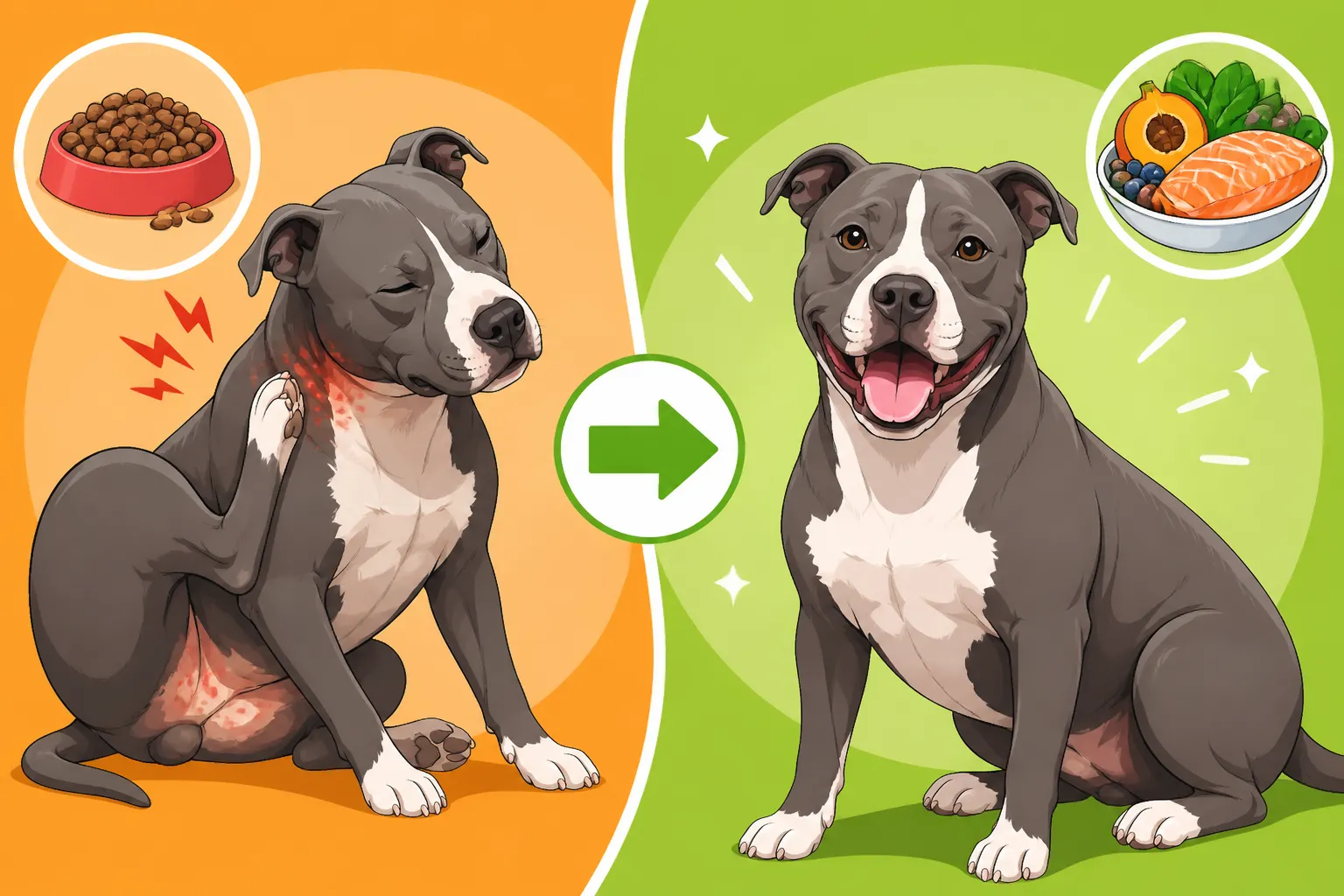
Whether a Diet Change Settles Pit Bull Itching
It's incredibly frustrating when your beloved Pit Bull can't stop scratching, licking, or chewing themselves raw. You watch them constantly agitated, perhaps developing ugly rashes or hot spots, and you're desperate to find a solution. One of the first things many of us wonder, and rightly so, is if a change in their diet could be the answer to their persistent itching. This guide will explore whether tweaking your Pit Bull's food can indeed settle those aggravating skin issues, delving into how food allergies work and what a proper diagnostic process entails.
Understanding Pit Bull Itching
Before we even consider diet, it's vital to grasp the various reasons a Pit Bull might be itching. While food is a common suspect, it's by no means the only one, and often, it's just one piece of a larger, more complex puzzle.
Common Causes of Itching in Pit Bulls
Pit Bulls, bless their loyal hearts, are often prone to skin sensitivities, and their robust build doesn't make them immune to these vexing issues. We see everything from parasites to environmental irritants to underlying medical conditions causing that incessant itch. Fleas, for instance, are tiny but mighty in their ability to cause widespread misery, especially if your Pit Bull has a flea allergy. Just one bite can set off a chain reaction of intense itching and irritation that lasts for days. Then there are other external invaders like mites, which can cause conditions such as demodectic mange, presenting as hair loss and scaly patches, often accompanied by severe itching. Demodex Mange in a Pit Bull is a common concern many Pit Bull owners face.
Beyond the creepy crawlies, environmental factors play a huge role. Think about seasonal allergies, often referred to as atopy, which can make your Pit Bull's life miserable when pollen counts are high, or during certain times of the year when specific allergens like grass, dust mites, or mold spores are prevalent. These airborne irritants settle on their skin, triggering an immune response that manifests as intense itching, especially on their paws, belly, and face. This can lead to your Pit Bull rubbing its face on the carpet in an attempt to relieve the irritation.
The Frustration of Persistent Itching
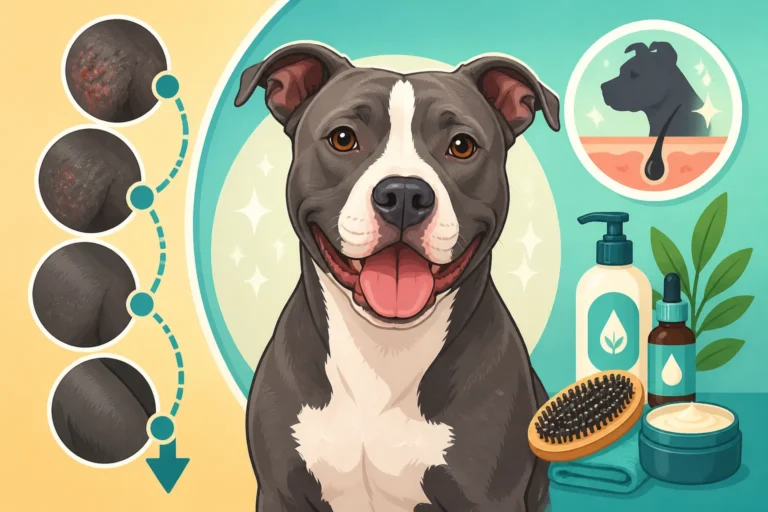
Watching your Pit Bull constantly scratch, lick their paws, or rub against furniture isn't just annoying; it's heartbreaking. You want them to be comfortable, happy, and free from discomfort. This persistent itching often leads to secondary issues, compounding the problem. The constant licking and chewing can break the skin barrier, allowing bacteria and yeast to move in, causing nasty skin infections (pyoderma) or yeast overgrowth. These infections add another layer of itchiness, creating a vicious cycle that's incredibly difficult to break. You might notice red, inflamed skin, greasy coats, or a distinct "yeasty" smell, all signs that the itching has progressed beyond a simple irritation. It’s a battle many Pit Bull owners know all too well, and it requires a methodical approach, not just guesswork.
Dietary Changes and Food Allergies
When other common causes like fleas or mites have been ruled out, food allergies often become the next target in the search for answers. While not as common as environmental allergies, food allergies in Pit Bulls can certainly cause significant and chronic itching.
How Food Allergies Manifest in Pit Bulls
Unlike a simple food intolerance, which might cause an upset stomach or diarrhea, a true food allergy involves the immune system. When your Pit Bull eats something they're allergic to, their body mistakenly identifies certain proteins in that food as a threat, mounting an immune response that manifests in various ways. For Pit Bulls, these reactions very frequently show up as skin problems. This means severe, non-seasonal itching, often focused around the face, ears, paws, and anal area. You might see reddened skin, hair loss from scratching, chronic ear infections that just won't clear up, or even digestive upset like vomiting and diarrhea. It's a cruel twist when the very food meant to nourish them is making them miserable. Food Allergies Behind Pit Bull Itching are a common presentation of underlying sensitivities.
It's important to understand that food allergies don't usually appear overnight. They often develop after prolonged exposure to a particular ingredient. Your Pit Bull could have been eating the same kibble for years before suddenly developing an allergy to one of its components. This is why it can be so confusing and frustrating for owners – the diet hasn't changed, but the itching has begun.
The Role of Novel Proteins and Limited Ingredient Diets
If your veterinarian suspects a food allergy, they will likely recommend a dietary elimination trial. This isn't just switching to a "sensitive stomach" food from the pet store; it's a very specific, strict process. The goal is to feed your Pit Bull a diet containing proteins and carbohydrates they have never eaten before. These are known as novel proteins – think venison, duck, kangaroo, or even insect protein – combined with a novel carbohydrate like sweet potato or green peas. The idea is to remove all potential allergens from their diet completely.
Another approach is a hydrolyzed protein diet, where the proteins are broken down into such tiny pieces that the immune system doesn't recognize them as allergens. Both novel protein diets and hydrolyzed diets are typically referred to as "limited ingredient diets" (LIDs) because they contain a minimal number of components to reduce the chance of triggering a reaction. You can often find these specialized diets through your vet or from reputable pet supply retailers like Chewy, who stock a range of prescription and non-prescription LID options. Limited Ingredient Diets for an Itchy Pit Bull are often the first step in diagnosing food sensitivities.
Common Food Allergens to Avoid
While any ingredient can technically trigger an allergy, certain culprits are far more common in dogs. For Pit Bulls, these usually include proteins like beef, dairy, chicken, wheat, and soy. Less common but still possible are allergies to eggs, lamb, pork, or fish. It's not about the quality of the ingredient, but rather the immune system's specific reaction to the protein structure.
Here's a quick look at common allergens versus novel proteins often used in elimination diets:
| Common Allergens (Frequent Exposure) | Novel Proteins (Less Common Exposure) | Novel Carbohydrates |
|---|---|---|
| Beef | Duck | Sweet Potato |
| Chicken | Venison | Green Peas |
| Dairy (e.g., cheese, yogurt) | Kangaroo | Tapioca |
| Wheat (including gluten) | Rabbit | Potato |
| Soy | Alligator | Quinoa |
| Egg | Insect Protein | Lentils |
| Lamb | Goat |
This table isn't exhaustive, but it gives you a sense of the kind of proteins and carbs typically avoided or chosen during a food trial. The key is strict novelty and simplicity.
Implementing a Food Trial
Undertaking a food trial, also known as an elimination diet, is not for the faint of heart. It requires extreme dedication and consistency, but it's the most reliable way to diagnose a food allergy.
The Strict Nature of an Elimination Diet
This isn't just swapping out one brand of kibble for another. A true elimination diet means absolutely nothing else goes into your Pit Bull's mouth besides the prescribed novel or hydrolyzed diet and water. This means no treats, no table scraps, no flavored medications, no rawhides, no chew toys with flavorings, and no sneaking bits of your sandwich. Not even a tiny crumb. Imagine trying to keep a curious, food-motivated Pit Bull completely isolated from all other food sources for weeks on end. It’s a challenge! Every single component matters, down to the toothpaste you use. If your Pit Bull picks up a dropped piece of food on a walk, the trial could be compromised, and you might have to start over. This level of strictness is why many owners find it incredibly difficult, but it's crucial for accurate results. Many turn to online retailers like Amazon for plain, non-flavored puzzle feeders to make mealtime more engaging without introducing unwanted ingredients.
Duration and Monitoring During a Food Trial
Typically, an elimination diet needs to be maintained for a minimum of 8 to 12 weeks. Yes, that's a long time! The reason for this extended period is that it takes time for old allergens to completely clear out of your Pit Bull's system and for the immune system to calm down. During this period, you need to closely monitor your Pit Bull for any changes in their itching, skin condition, and overall well-being. Keeping a detailed journal can be immensely helpful – noting down the date the trial started, any new symptoms, and any improvements or setbacks. You're looking for a significant reduction, or ideally a complete cessation, of their itching. Many owners find prepared fresh food services like Ollie can be helpful during a food trial, as they often offer limited ingredient recipes that are clearly defined and easy to manage, removing much of the guesswork from home preparation. An Eight Week Food Trial on an Itchy Pit Bull is often just the starting point.
Remember, patience is paramount. There might be small improvements initially, but a definitive diagnosis requires seeing if the symptoms completely resolve during this strict period.
Reintroducing Foods and Identifying Triggers
If your Pit Bull's itching completely resolves or dramatically improves during the elimination diet, congratulations! You've likely identified a food allergy. But the journey isn't over. The next step is called a "challenge phase." This is where you systematically reintroduce single, common allergens back into your Pit Bull's diet, one at a time, for about a week each, while carefully monitoring for a return of symptoms.
For example, you might add a small amount of cooked chicken to their novel diet for seven days. If the itching flares up again, you've found a likely culprit! You then remove the chicken, wait for symptoms to subside, and try the next potential allergen, perhaps beef. This careful reintroduction helps pinpoint exactly which ingredients your Pit Bull is allergic to, allowing you to formulate a long-term diet that avoids those specific triggers. This process confirms the allergy beyond doubt and provides you with the information you need to keep your Pit Bull comfortable for the long haul.
When Diet Isn't Enough
While a diet change can be a lifesaver for Pit Bulls with food allergies, it's crucial to understand that it's not a universal cure for all itching. Many times, diet is only one piece of the puzzle, or sometimes, not a factor at all.
Environmental Allergies: A Common Culprit
Far more Pit Bulls suffer from environmental allergies (atopy) than true food allergies. These are reactions to airborne particles like pollen, dust mites, grass, and mold. The symptoms can look almost identical to food allergies: incessant licking of paws, rubbing their face, recurring ear infections, and generalized body itching. The key difference is the trigger – external irritants rather than internal ones. If your Pit Bull's itching started or worsens during specific seasons, it's a strong indicator of environmental allergies.
A diet change won't fully resolve these issues, though a good quality, anti-inflammatory diet can sometimes help manage the severity of the symptoms. For true environmental allergies, your veterinarian might recommend other treatments such as antihistamines, allergy shots (immunotherapy), or medications like Apoquel or Cytopoint. Often, managing atopy requires a multi-pronged approach, including regular medicated baths to rinse off allergens and soothe the skin. Whether a Pit Bull Allergy Ever Goes Away is a question many owners ponder, and with environmental allergies, it's often about management rather than cure.
Secondary Infections and Their Management
As mentioned earlier, constant itching can break the skin, allowing opportunistic bacteria and yeast to move in and set up secondary infections. These infections, whether bacterial (pyoderma) or yeast (Malassezia dermatitis), are incredibly itchy in their own right, creating a vicious cycle. Even if the primary cause of itching (e.g., food allergy) is addressed, these secondary infections need to be treated separately.
Your vet might prescribe antibiotics for bacterial infections or antifungals for yeast. Often, medicated shampoos are a cornerstone of treatment, helping to cleanse the skin, reduce bacterial and yeast loads, and soothe inflammation. These shampoos need to be used according to specific instructions, often requiring a "contact time" where the lather stays on the skin for 5-10 minutes before rinsing, to allow the active ingredients to work. Neglecting these secondary infections means your Pit Bull will continue to itch, even if the underlying allergen is removed. Medicated Baths for a Pit Bull With Atopy can be a huge part of this management.
Holistic Approach to Pit Bull Skin Health
Ultimately, achieving long-term comfort for an itchy Pit Bull often requires a holistic approach that goes beyond just diet. It's about looking at the complete picture of their health and environment. This includes ensuring they're on year-round parasite prevention, maintaining a clean home environment to reduce dust mites and other indoor allergens, and regular grooming to keep their skin and coat healthy.
Supplementation can also play a supportive role, especially omega-3 fatty acids, which have natural anti-inflammatory properties and can improve skin barrier function. Omega Oils for Pit Bull Skin and Coat are a popular choice for many owners looking to support their dog's dermatological health. Regular veterinary check-ups are paramount to catch issues early and adapt treatment plans as needed. It's a continuous journey of observation, adjustment, and working closely with your vet to give your Pit Bull the comfortable, itch-free life they deserve. While diet can absolutely settle itching in cases of true food allergy, it's a piece of the puzzle, not the whole solution for every itchy Pit Bull.
Disclaimer
This article is for general informational purposes only and does not constitute professional advice. Laws, prices and regulations vary by location and change over time. Consult a qualified professional for guidance on your specific situation.