Cancers That Show Up in an Older Pit Bull
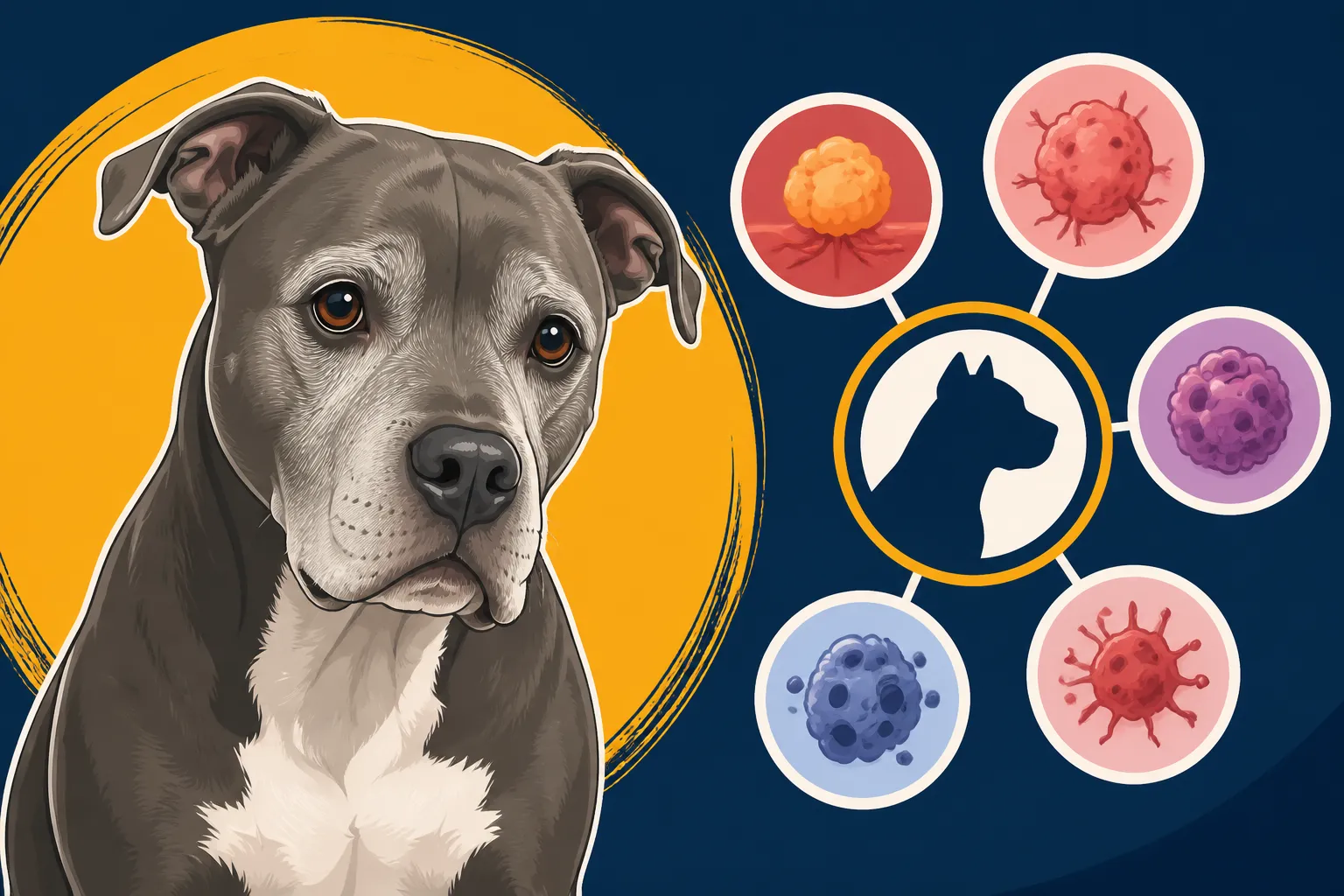
It's a tough pill to swallow when our energetic, powerful Pit Bulls start showing their age, and nothing can send a chill down your spine faster than finding a new lump or seeing a subtle change in their once-vibrant demeanor. As our beloved companions cross into their senior years, the specter of cancer unfortunately looms larger. This guide aims to prepare you for the types of cancers that commonly appear in older Pit Bulls, how to spot the early warning signs, and what steps you can take with your veterinarian to give your dog the best possible outcome.
Common Cancers in Older Pit Bulls
Bringing home a Pit Bull puppy, we often dream of the many happy years ahead, watching them grow into magnificent, muscular adults. But time marches on, and as they enter their golden years, typically around age seven or eight for many Pit Bulls, their bodies become more susceptible to certain conditions, including various forms of cancer. It’s a heartbreaking reality, but knowledge truly is power when it comes to early detection and management.
Mast Cell Tumors
Mast cell tumors are notorious in Pit Bulls and other bully breeds. These aren't just benign fatty lumps; mast cells are part of the immune system, and when they become cancerous, they can be quite aggressive. What makes them so tricky is their chameleon-like nature; they can appear in a myriad of ways. You might find a small, firm bump that looks like a bug bite, a soft squishy lump under the skin, or even a red, ulcerated lesion that seems to wax and wane in size. They can pop up anywhere on the body – on the trunk, limbs, face, or even internally on organs like the spleen or liver.
Often, owners will notice a new "wart" or "skin tag" that seems to appear overnight, or perhaps they'll feel a tiny nodule while petting their dog. The frustrating part is that they don't always look alarming, and many owners, understandably, might dismiss them initially. However, because these tumors can range from low-grade and relatively benign to high-grade and highly metastatic, quick action is crucial. If you feel for a Mast Cell Tumor on a Pit Bull, you might notice it feels different from a typical fatty lump (lipoma) – perhaps a bit firmer, or it might get red and itchy when irritated. This is why every single new lump or bump, no matter how small or innocent it appears, needs to be checked by your vet. They can perform a simple fine needle aspirate (FNA) right in the clinic, often confirming or ruling out a mast cell tumor within minutes. This quick diagnostic step can literally be a lifesaver, setting you on the right path if it turns out to be something more serious.
Lymphoma and Hemangiosarcoma
Beyond skin tumors, older Pit Bulls can be prone to more systemic or internal cancers, which can be much harder to spot initially. Lymphoma is one such cancer, affecting the lymphatic system, which is part of the body's immune defense. In its most common form, multicentric lymphoma, you might notice swollen lymph nodes, often in easily palpable areas like under the jaw (submandibular), in the armpits (axillary), or behind the knees (popliteal). These nodes can become dramatically enlarged, feeling like firm, rubbery grapes. But it's not always obvious. Sometimes, the only signs are subtle: a general lethargy, a decrease in appetite, or unexplained weight loss. Your dog might just seem "off," less enthusiastic for walks or play.
Hemangiosarcoma is another aggressive cancer that sadly strikes many older Pit Bulls and other large breeds. This is a cancer of the blood vessel lining, meaning it can grow anywhere there are blood vessels – which is everywhere. However, it most commonly appears in the spleen, heart, or liver. This type of cancer is particularly insidious because it often grows silently, causing no symptoms until it reaches a critical stage. Many owners only discover it when their dog experiences a sudden internal bleed from a ruptured tumor. This can lead to acute weakness, pale gums, a distended abdomen (due to blood accumulation), or even sudden collapse. It’s one of those terrible situations that often sends owners rushing to the emergency vet, facing a very grave prognosis. Unfortunately, there's no easy screening for hemangiosarcoma, which makes recognizing subtle shifts in your Pit Bull’s energy or overall health even more vital.
Osteosarcoma and Other Bone Cancers
Osteosarcoma, a painful and aggressive bone cancer, is another devastating diagnosis that older, larger breeds like Pit Bulls can face. It typically affects the long bones of the limbs – the legs – but can also show up in the ribs, spine, or jaw. The first sign many owners notice is a subtle lameness that doesn't resolve, or a swelling in one of their dog's legs, often near a joint. Your Pit Bull might start favoring one leg, or seem reluctant to put weight on it. This can be particularly confusing because arthritis in a Pit Bull at seven is also very common as they age, making it easy to dismiss early limping as just an age-related ache.
However, bone cancer pain tends to be more intense and persistent, often worsening over time. You might notice your Pit Bull licking or chewing excessively at the affected limb, or even crying out when the area is touched. The swelling, unlike inflammatory swelling, tends to be firm and fixed. If your Pit Bull is favouring one front leg, especially without an obvious injury, it warrants immediate veterinary attention. X-rays are typically the first diagnostic step, which can often reveal characteristic bone changes indicative of osteosarcoma. While treatment options can be complex and prognosis often poor due to the aggressive nature of this cancer and its tendency to spread rapidly, early diagnosis can still help manage pain and potentially extend quality of life. Other less common cancers can also affect older Pit Bulls, from oral melanomas to various carcinomas, reinforcing the need for diligent observation and routine veterinary care.
Recognizing the Early Signs of Cancer
When our Pit Bulls are young and full of boundless energy, we don't tend to scrutinize every little detail of their health. But as they age, becoming the cherished seniors we love, it's crucial to switch to a more vigilant mindset. Catching cancer early is often the best defense, and that means paying close attention to both the obvious and the incredibly subtle changes in their bodies and behavior.
Changes in Lumps and Bumps
As Pit Bulls get older, they inevitably develop lumps and bumps. Many of these are completely benign, like fatty tumors (lipomas) or sebaceous cysts. It's easy to get complacent, assuming "it's just another old dog lump." However, this complacency can be dangerous, especially with a breed prone to aggressive cancers like mast cell tumors. Any new lump or bump, regardless of its size, location, or how innocent it looks, deserves a check-up. More importantly, any changes to existing lumps need immediate attention.
Think about it: does a previously soft lump suddenly feel firmer? Has it grown noticeably larger in a short period? Is it red, itchy, or does it seem to bother your dog? Sometimes these changes can be subtle, like a slight discoloration or a new ulceration on the surface. Regularly performing a "pat-down" of your Pit Bull, feeling all over their body, especially under their legs, on their chest, and along their belly, can help you identify these changes early. Keeping a journal or taking photos with a ruler next to any suspicious lump can help you track its progression and provide valuable information to your vet. You might also want to consult a guide on Which Pit Bull Lumps Need a Needle for more specific advice.
Behavioral and Appetite Shifts
Cancer isn't always a visible lump; it can manifest through changes in your Pit Bull's overall well-being and daily habits. A once food-motivated Pit Bull suddenly leaving kibble in the bowl, or turning their nose up at a favorite treat, is a significant red flag. A Pit Bull that refuses food for a day might just be having an off day, but if it happens repeatedly or is accompanied by other symptoms, it's a concern. Similarly, changes in water intake – drinking much more or much less than usual – could signal underlying issues. Pay attention to their bathroom habits too: any changes in urination frequency, difficulty, or accidents indoors could be a sign.
Beyond physical signs, behavioral shifts can be telling. Is your usually playful Pit Bull suddenly lethargic, sleeping more, and showing less interest in walks or games? Are they isolating themselves, or do they seem more irritable or anxious without an obvious cause? Chronic pain from an internal tumor or bone cancer can cause these shifts. A dog experiencing discomfort might become withdrawn, or conversely, might become more clingy. While some slowing down is normal as they age, a significant or sudden change warrants investigation. These subtle cues are your Pit Bull’s way of communicating that something isn't right, and they should never be ignored.
Subtle Physical Symptoms
Sometimes, the early signs are incredibly subtle and easy to attribute to "just getting old." Keep an eye out for unexplained weight loss, even if your Pit Bull is still eating reasonably well. If their muscular frame seems to be thinning out without a change in diet or exercise, it's a concern. Conversely, unexplained weight gain, especially if accompanied by increased abdominal distension, could also be a sign of internal issues, such as fluid build-up or a growing internal mass.
Any persistent lameness or limping, especially if it doesn't improve with rest or seems to shift from one leg to another, needs checking out. This could indicate bone cancer or joint pain associated with a tumor. Chronic coughing, difficulty breathing, or changes in the sound of their breathing should prompt a vet visit, as these could point to lung issues, including metastatic cancer. Even seemingly minor things like recurrent ear infections, chronic anal gland issues, or persistent skin irritation that doesn't respond to usual treatments can sometimes be secondary symptoms of underlying systemic illness. Remember, you know your Pit Bull best. If something feels "off" to you, trust your gut and consult your veterinarian. Regular check-ups, as discussed in The Bloodwork an Old Pit Bull Should Have, can also help catch issues before they become obvious.
Diagnosis and Treatment Options for Pit Bull Cancers
Receiving a cancer diagnosis for your beloved Pit Bull is undeniably one of the hardest moments an owner can face. It’s natural to feel overwhelmed, but understanding the diagnostic process and available treatment options can help you make informed decisions for your dog's future. Modern veterinary medicine offers a surprising array of tools and therapies, many of which were once exclusive to human oncology.
Diagnostic Tools and Procedures
The journey to a cancer diagnosis usually begins with your vet's suspicion, often based on their physical exam and your observations. If a lump is found, a fine needle aspirate (FNA) is often the first step, where a small needle collects cells for microscopic examination. This quick procedure, which can often be done during a routine visit, can differentiate between benign growths like lipomas and more concerning ones like mast cell tumors. For internal issues, basic bloodwork and urinalysis are crucial, providing a general health snapshot and potentially revealing markers of inflammation, anemia, or organ dysfunction. For example, a dog with internal bleeding from hemangiosarcoma might show severe anemia.
However, often more advanced imaging is needed. X-rays can reveal changes in bones (like in osteosarcoma) or large masses in the chest or abdomen. For a more detailed view, especially of soft tissues and internal organs, ultrasound is invaluable. An abdominal ultrasound can detect tumors on the spleen, liver, or lymph nodes. To get the most comprehensive picture, particularly for staging cancer (determining if and where it has spread), a CT scan or MRI might be recommended. These provide incredibly detailed cross-sectional images, helping vets precisely locate tumors and plan surgical removal or radiation therapy. Sometimes, a biopsy, which involves surgically removing a small piece of the suspected tumor or lymph node, is necessary for a definitive diagnosis and to determine the specific type and grade of cancer, which guides treatment protocols. When facing a potential cancer diagnosis, remember that having a good pet insurance plan like Healthy Paws can be incredibly beneficial in covering the extensive costs of these diagnostic tests.
Treatment Modalities: Surgery, Chemo, Radiation
Once a cancer diagnosis is confirmed and staged, your veterinary oncologist will discuss treatment options. For many solid tumors, surgery is often the first and most effective approach, aiming to remove the entire cancerous mass with clean margins. This is particularly true for accessible mast cell tumors or splenic tumors. The success of surgery depends on the tumor's location, size, and whether it has invaded surrounding tissues. Post-surgical pathology is essential to confirm the tumor type and assess if all cancerous cells were removed.
Chemotherapy, much like in humans, uses drugs to kill cancer cells throughout the body. It’s often used in conjunction with surgery for aggressive cancers, or as the primary treatment for systemic cancers like lymphoma. The good news is that veterinary chemotherapy protocols are typically designed to minimize side effects, prioritizing quality of life for your Pit Bull. While some dogs may experience mild nausea or decreased appetite, severe side effects are less common than in human patients. Radiation therapy, which uses high-energy beams to target and destroy cancer cells, is another powerful tool, especially for tumors that are difficult to remove surgically or for managing pain associated with bone cancer. It can be particularly effective for local tumor control. Often, a multi-modal approach, combining surgery, chemotherapy, and sometimes radiation, offers the best chance for controlling the disease and extending your Pit Bull's life.
Considering Palliative Care
While aggressive treatment can be curative or life-extending for some cancers, there are times when the best path forward is palliative care. This approach focuses on managing your Pit Bull's symptoms and maintaining their comfort and quality of life rather than aggressively trying to cure the cancer. This is a compassionate choice, particularly for very advanced cancers, highly aggressive types with poor prognoses (like advanced hemangiosarcoma), or when a Pit Bull is already frail due to age or other health conditions.
Palliative care can involve pain management, using a combination of medications to keep your dog comfortable and mobile, as discussed in detail under Pit Bull Mobility Aids in Old Age. It might include anti-nausea medications to stimulate appetite and prevent weight loss, or specific diets to provide optimal nutrition. For instance, for painful bone cancers, palliative radiation or bisphosphonate drugs can significantly improve comfort. The goal is to ensure that your Pit Bull can continue to enjoy their daily life – eating, sleeping comfortably, interacting with their family, and having good days – for as long as possible. Making the decision for palliative care often involves a deep, honest conversation with your vet about prognosis, potential treatment burdens, and your Pit Bull's individual needs. It's about prioritizing their well-being and finding peace in their remaining time, a choice that ties into topics like The Hardest Call a Pit Bull Owner Makes.
Managing Quality of Life During Cancer Treatment
Once your Pit Bull has been diagnosed with cancer and you've decided on a treatment path, the focus shifts to ensuring they remain as comfortable and happy as possible throughout the process. This isn't just about managing the disease; it's about preserving their zest for life and keeping their spirits high, even when facing a serious illness.
Pain Management Strategies
Pain is a significant concern for many cancers, especially bone tumors like osteosarcoma or large internal masses pressing on organs. Effective pain management is paramount to maintaining your Pit Bull's quality of life. Your vet will likely prescribe a multi-modal pain relief plan, often combining several types of medications. Non-steroidal anti-inflammatory drugs (NSAIDs) such as carprofen (Rimadyl) or meloxicam (Metacam) are commonly used to reduce inflammation and pain. However, these need careful monitoring, especially in older dogs, due to potential side effects on kidneys or liver.
For more severe pain, stronger medications like gabapentin (which helps with neuropathic pain) or even opioids like tramadol may be added. Newer options, such as canine-specific monoclonal antibody injections (e.g., Librela for osteoarthritis pain, which can be adapted for cancer-related pain in some cases), are also becoming available. Beyond medication, adjunctive therapies like acupuncture, therapeutic laser, or even simple warm compresses can provide additional comfort. Ensuring your Pit Bull has a comfortable, well-padded bed, and providing assistance with stairs or getting into the car can also reduce physical strain and pain. Regularly assessing your dog’s comfort level and adjusting medication as needed, in close consultation with your vet, is key.
Nutritional Support During Illness
Cancer can take a heavy toll on a dog's body, often leading to weight loss and muscle wasting (cachexia) even if they are still eating. Providing appropriate nutritional support is critical. Your vet or veterinary nutritionist might recommend a specialized "cancer diet" that is typically higher in protein and fat, with a reduced carbohydrate content. This is because cancer cells often thrive on carbohydrates, while healthy cells can utilize fats and proteins more efficiently. Brands like Purina Pro Plan Veterinary Diets NC or Royal Canin Veterinary Diet Canine Renal Support often have suitable options, but always consult your vet for personalized dietary advice.
Palatability is also vital. If your Pit Bull's appetite is waning due to treatment side effects like nausea or general malaise, finding foods they will eat becomes the priority. This might mean offering bland cooked chicken and rice, low-sodium broths, or even prescription appetite stimulants. Feeding smaller, more frequent meals can sometimes help. You might also want to look into A Pit Bull That Refuses Food for a Day for more tips on encouraging eating during illness. Hydration is equally important, so ensure fresh water is always available, and consider adding low-sodium broth or wet food to increase fluid intake. Maintaining good nutrition can help support their immune system, maintain muscle mass, and improve their ability to tolerate treatments.
Maintaining Comfort and Routine
Cancer treatment, with its vet visits, medications, and potential side effects, can be stressful for both you and your Pit Bull. Maintaining as much normalcy and routine as possible is crucial for their mental and emotional well-being. Stick to regular feeding times, walk schedules (adjusted for energy levels), and cuddle sessions. Familiar routines provide a sense of security and stability.
Environmental enrichment also plays a vital role. Even if your Pit Bull can't romp like they used to, gentle playtime with favorite toys, puzzle feeders to engage their minds, or short, sniffy walks can provide mental stimulation and joy. Make sure their resting spaces are comfortable, quiet, and easily accessible. A soft, orthopedic bed can make a huge difference for an older, achy dog, especially one dealing with pain from tumors or Arthritis in a Pit Bull at Seven. Minimize stressors in the home, provide plenty of affection, and just be present with them. Our Pit Bulls thrive on companionship, and simply being near you can be incredibly comforting during a challenging time. Remember, the goal is not just to extend life, but to extend a good life, full of comfort, love, and familiar routines.
Proactive Care and Prevention for Senior Pit Bulls
While we can't completely prevent cancer in our beloved Pit Bulls, especially as they age, we can certainly take proactive steps to improve their chances of a long, healthy life and catch any issues as early as possible. This involves a combination of vigilant care, smart lifestyle choices, and understanding the financial realities of senior pet ownership.
Regular Vet Check-ups and Screening
One of the most powerful tools in early cancer detection for older Pit Bulls is regular, thorough veterinary check-ups. For senior dogs, typically those over 7-8 years old, an annual check-up might not be enough; many vets recommend twice-yearly visits. These appointments are not just for vaccinations; they allow your vet to perform a comprehensive physical exam, feeling for new lumps or changes, listening to their heart and lungs, and assessing their overall body condition. During these visits, your vet can conduct routine senior bloodwork, which includes a complete blood count (CBC) to check for anemia or infection, and a chemistry panel to assess organ function (kidneys, liver) and metabolic health. These tests can reveal subtle changes that might indicate underlying disease before any outward symptoms appear.
Additionally, consider asking your vet about more specific screenings. For breeds prone to certain cancers, routine abdominal ultrasounds for dogs over a certain age, particularly those with a family history of splenic tumors, might be a proactive measure. Urine tests can also catch early signs of kidney disease or urinary tract issues, which can sometimes be related to systemic illness. Be open and honest with your vet about any small changes you’ve noticed, even if they seem insignificant. Your observations combined with your vet's expertise are an unbeatable team for keeping your senior Pit Bull healthy. It’s also wise to discuss How Often a Ten Year Old Pit Bull Needs Checking to ensure you're on the right schedule.
Dietary and Lifestyle Considerations
A healthy lifestyle plays a crucial role in overall health and may help mitigate cancer risk. For Pit Bulls, maintaining an ideal body weight is paramount. Obesity is a known risk factor for various cancers, as well as putting undue strain on joints and exacerbating conditions like Pit Bull Obesity and Joint Strain. Feed a high-quality, balanced diet appropriate for their age and activity level. Avoid overfeeding and limit high-fat, sugary treats. Some research suggests that diets rich in antioxidants and omega-3 fatty acids may offer some protective benefits, but always discuss any dietary changes or supplements with your vet to ensure they are appropriate for your specific dog.
Regular, appropriate exercise is also essential. While an older Pit Bull won't have the same stamina as a puppy, consistent, moderate activity helps maintain muscle mass, supports a healthy immune system, and keeps their mind active. This could be daily walks, gentle games of fetch, or even indoor puzzle toys. Protecting them from environmental carcinogens is also worth considering: avoid exposure to cigarette smoke, harsh lawn chemicals, and excessive sun exposure, especially for Pit Bulls with light or pink noses who can get Pit Bull Sunburn on a Pink Nose. A healthy body, maintained through diet and exercise, is better equipped to fight off illness and recover from treatment if cancer does strike.
The Role of Pet Insurance
Let's be realistic: cancer diagnosis and treatment can be incredibly expensive. From initial diagnostics like ultrasounds and CT scans, to surgery, chemotherapy, and radiation, the bills can quickly climb into thousands, sometimes tens of thousands, of dollars. This financial burden can add immense stress to an already emotional situation, sometimes forcing owners to make heartbreaking decisions based on cost rather than what's best for their beloved pet. This is where having robust pet insurance, such as Healthy Paws, can be an absolute game-changer.
Many owners regret not having insurance when faced with an unexpected, major illness like cancer. Policies vary, but many can cover a significant portion (70-90%) of diagnostic tests, surgeries, medications, and specialist visits. While it won't cover pre-existing conditions, enrolling your Pit Bull when they are younger and healthy ensures coverage for conditions that develop as they age. Even for older Pit Bulls, it's worth exploring plans, though some may have age limits or higher premiums. Having that financial safety net allows you to focus solely on your Pit Bull's care, giving them access to the best possible treatments without the added worry of prohibitive costs. It's a proactive step that truly embodies comprehensive care for your aging Pit Bull.
Disclaimer
This article is intended for informational purposes only and is not a substitute for professional veterinary advice, diagnosis, or treatment. Always seek the advice of your veterinarian or other qualified animal health provider with any questions you may have regarding a medical condition.