Pit Bull Reverse Sneezing
That sudden, alarming snort from your beloved Pit Bull can be truly terrifying, making you wonder if they're choking, having an asthma attack, or if something much worse is happening. As Pit Bull owners, we're already conditioned to be hyper-vigilant about their health and behavior, so when an episode of reverse sneezing strikes, it's natural to feel a jolt of panic. This guide is here to demystify reverse sneezing, help you understand what's actually going on, and equip you with the knowledge to handle it calmly and effectively.
What Exactly Is Reverse Sneezing in a Pit Bull?
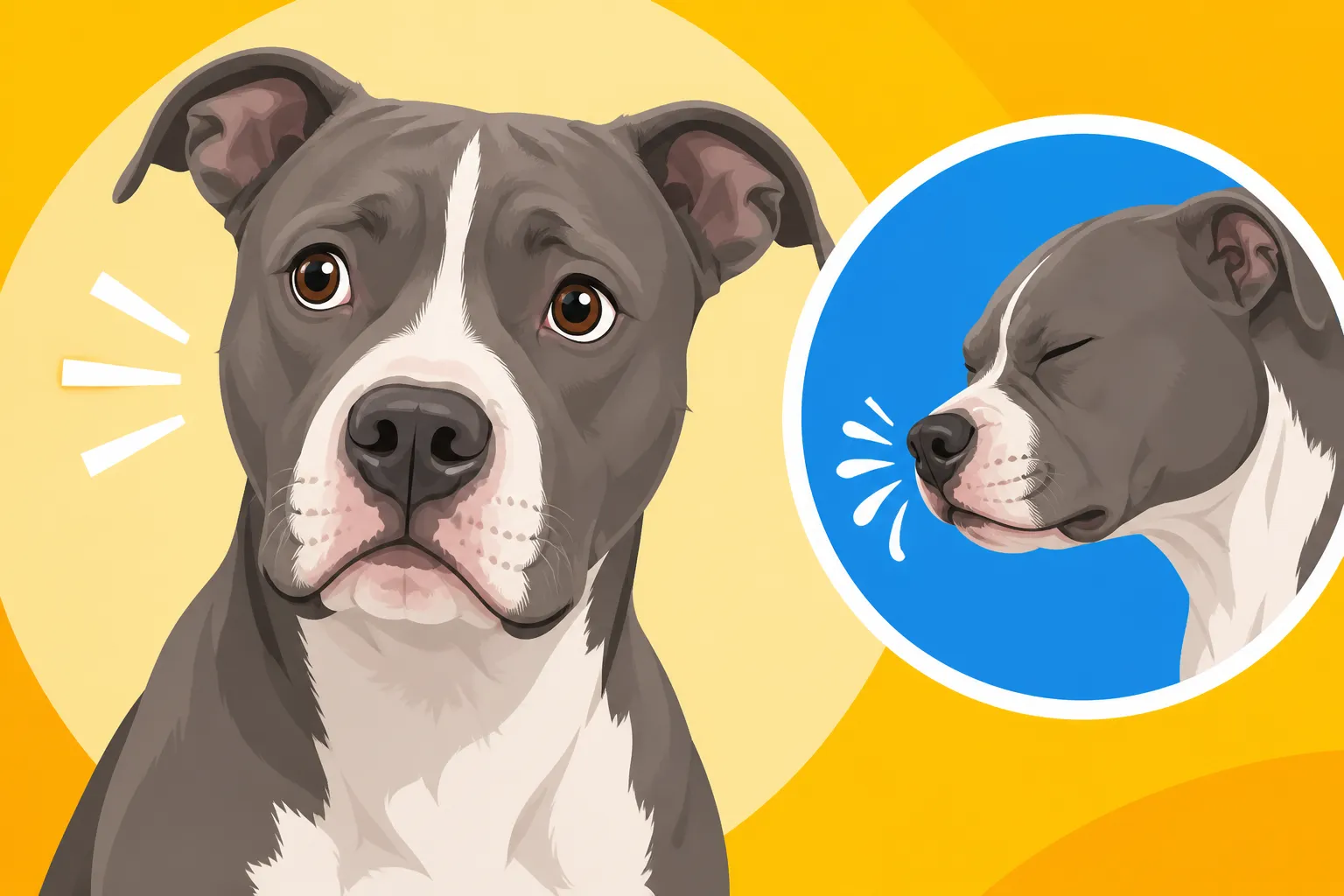
When your Pit Bull suddenly starts making those strange, gasping, snorting noises, it's usually an episode of what veterinarians call paroxysmal respiration, more commonly known as reverse sneezing. It’s a bit like a regular sneeze in reverse, hence the name, but the mechanics are quite different and it certainly sounds a whole lot scarier! Understanding what's happening physiologically can help alleviate some of that initial fear when it occurs.
The Physiology Behind the Snort
Imagine your Pit Bull's soft palate – that fleshy part at the back of the roof of their mouth – and throat. During a reverse sneeze, these areas suddenly spasm. Instead of forcefully expelling air out through the nose and mouth, like a regular sneeze does, your dog is rapidly and repeatedly trying to inhale air in through their nose. This intense, involuntary inhalation causes that distinctive loud snorting or honking sound as air rushes over the spasming soft palate and pharynx. It’s a sudden, violent contraction of the pharyngeal muscles, and it can look and sound quite dramatic. For us humans, it might feel a bit like when you accidentally inhale water or food and get that sudden, suffocating feeling where you can't quite catch your breath – only for dogs, it's usually benign and resolves quickly. It's truly a moment that makes your heart pound, especially the first few times you witness it in your strong, muscular Pit Bull.
How to Distinguish It from Other Respiratory Issues
It's crucial to be able to tell reverse sneezing apart from other, potentially more serious, respiratory problems. The characteristic sound of reverse sneezing is usually a series of rapid, noisy inhalations, a kind of snorting or gagging sound, often with the dog standing still, head extended, and chest heaving. It almost sounds like they're trying to clear something stuck deep in their throat or are having a severe nasal blockage.
Let's compare it to a few other common sounds:
- Regular Sneeze: A regular sneeze is a forceful expulsion of air out through the nose, usually to clear an irritant. It's a quick achoo sound, often followed by a head shake. Reverse sneezing is the opposite – rapid inhalation.
- Kennel Cough: This sounds like a dry, honking cough, often described as sounding like a goose. It’s usually consistent and might last for several minutes or come in bouts. While alarming, it's typically a respiratory infection, not a spasm. If your Pit Bull starts with a honking cough, it's worth getting them checked.
- Choking: If your Pit Bull is truly choking, they will likely be pawing at their mouth, drooling excessively, showing extreme distress, and may not be able to make any sound at all, or only very weak, struggling sounds. Their gums might turn blue. This is an emergency. Reverse sneezing, while it looks like they can't breathe, usually doesn't involve true choking.
- Asthma or Allergic Reactions (Severe): While allergies can trigger reverse sneezing, a severe allergic reaction (anaphylaxis) might include swelling of the face/muzzle, hives, difficulty breathing (more like labored breathing, not just snorting), vomiting, or collapse. True asthma in dogs is rare but would present as chronic coughing or wheezing, not typically short, sudden snorting episodes.
The key with reverse sneezing is its sudden onset and equally sudden resolution, often within seconds to a minute or two. The dog typically remains aware and quickly returns to normal once the episode passes, which is very different from the sustained distress of choking or a serious respiratory crisis.
Common Triggers for Pit Bull Reverse Sneezing
Understanding what might set off a reverse sneeze episode in your Pit Bull can be really helpful, not just for prevention but also for reassurance that it's often a response to something fairly innocuous. Pit Bulls, with their generally active natures and strong builds, are just as susceptible to these triggers as any other dog.
Environmental Irritants and Allergies
Just like us, dogs can react to irritants in their environment, and sometimes, that reaction manifests as a reverse sneeze. Dust, pollen, mold spores, or even strong fumes from household cleaning products, air fresheners, or perfumes can tickle their sensitive nasal passages and trigger a spasm. Think about walking your Pit Bull through a freshly mowed park during spring, or if they stick their nose into a dusty corner of the house. These tiny particles can irritate the soft palate and pharynx, leading to that dramatic snorting fit.
Beyond simple irritants, underlying allergies are a huge factor for many Pit Bulls. If your dog is prone to environmental allergies, also known as atopy, their respiratory system can be extra sensitive. This hypersensitivity means they might react more strongly to common airborne allergens that other dogs barely notice. You might already be familiar with the struggles of managing Pit Bull Skin Allergies and the Atopy Pattern, or dealing with the seasonal onslaught of itching related to Pit Bull Atopy and Seasonal Itching. These same allergens that cause skin irritation can also irritate their respiratory tract, leading to episodes of reverse sneezing. It's all connected, and a Pit Bull with chronic allergies might experience these episodes more frequently.
Excitement, Eating, and Leash Pulling
Sometimes, the simplest things can trigger a reverse sneeze. High levels of excitement, for instance, can cause your Pit Bull to inhale rapidly and forcefully, leading to a spasm. Imagine coming home after a long day – your Pit Bull's tail is wagging a mile a minute, they're bouncing off the walls with joy, and suddenly, they launch into a reverse sneeze episode. It's a physiological response to that sudden rush of adrenaline and rapid breathing.
Similarly, eating or drinking too quickly can also be a culprit. If your Pit Bull inhales their food like a vacuum cleaner or gulps down water without much thought, they might accidentally draw some particles or liquid into their pharynx, triggering the reflex. It's a common scenario that often catches owners off guard.
Leash pressure is another significant trigger, especially for our strong, enthusiastic Pit Bulls who might pull hard on the lead. A collar that puts pressure on the trachea can easily irritate the throat, especially if they're straining or pulling against it. This is why addressing Pit Bull Leash Manners and Physical Strength is so important, not just for your arm's sake, but for their comfort and health too. For many Pit Bull owners, switching to Harnesses and Head Halters for a Pit Bull can make a world of difference, as these distribute pressure more evenly and reduce direct strain on the throat.
Anatomical Considerations in Pit Bulls
While Pit Bulls are not extreme brachycephalic (short-nosed) breeds like Bulldogs or Pugs, they often have broad muzzles and strong, muscular necks. These anatomical features, while generally healthy, can sometimes contribute to their susceptibility to reverse sneezing. The structure of their nasal passages and soft palate can, in some individuals, be slightly more prone to spasm under certain conditions.
For example, dogs with slightly elongated soft palates or narrower windpipes might experience more frequent or intense episodes. While this isn't a condition unique to Pit Bulls, their robust build and enthusiasm for life means they often engage in activities that can inadvertently trigger these spasms. It's less about a defect and more about how their physiology interacts with everyday environmental and behavioral factors. It's a reminder that even the most well-built dogs can have their quirks.
What to Do When Your Pit Bull Has a Reverse Sneeze Episode
Seeing your Pit Bull go through a reverse sneeze episode can be genuinely frightening, even if you know what it is. Your first instinct might be to panic, but staying calm is the best thing you can do for your dog, as your anxiety can easily transfer to them and make the episode worse.
Immediate Calming Techniques
The good news is that most reverse sneezing episodes resolve on their own within a few seconds to a couple of minutes. However, there are a few simple things you can do to help your Pit Bull through it and potentially shorten the duration:
- Stay Calm: This is paramount. Your dog is already feeling a bit stressed and confused. If you start panicking, talking loudly, or rushing around, it will only escalate their anxiety. Speak to them in a soft, reassuring voice.
- Gently Massage Their Throat: Lightly stroke or rub their throat just under the jawline. This can help to relax the muscles in the pharynx and encourage them to swallow, which can interrupt the spasm.
- Briefly Cover Their Nostrils: For a second or two, gently cover both of your Pit Bull's nostrils with your hand. This forces them to swallow and breathe through their mouth, which can also help break the cycle of the spasm. Be very gentle and don't hold it for more than a second or two. The goal is to encourage a swallow, not to restrict breathing.
- Offer a Distraction: Sometimes, a quick distraction like a treat or a favorite toy can shift their focus and cause them to swallow, ending the episode. Just ensure it's a small, easy-to-swallow treat, not something they have to chew vigorously.
Most importantly, observe. Once the episode passes, your Pit Bull should immediately return to normal, acting as if nothing happened. They won't be disoriented, lethargic, or show any lingering distress.
When to Seek Veterinary Advice
While most reverse sneezing is harmless, there are definitely times when it warrants a trip to the vet. If you notice any of the following, it's time to get your Pit Bull checked out:
- Prolonged Episodes: If an episode lasts longer than a few minutes, or if they occur back-to-back with no real break.
- Increased Frequency: If your Pit Bull suddenly starts reverse sneezing much more often than usual, especially if there's no obvious change in their environment.
- Signs of Distress During or After: If they seem truly distressed, struggle to breathe in between episodes, become lethargic, or their gums appear bluish. This could indicate a more serious issue. You should be familiar with Pit Bull Emergency Signs That Cannot Wait in a Pit Bull.
- Nasal Discharge or Sneezing: If the reverse sneezing is accompanied by thick or colored nasal discharge, frequent regular sneezing, coughing, or other signs of illness.
- Other Symptoms: If you notice any other changes in their health or behavior, such as a loss of appetite, weight loss, or changes in their normal activity level.
Your vet will likely start with a thorough physical examination, paying close attention to their respiratory system. They might want to get a complete What a Pit Bull Health History Should Cover to understand any patterns. Depending on their findings, they could recommend further diagnostics such as X-rays of the chest or throat, blood tests to check for underlying infections or allergies, or even a rhinoscopy (a procedure where a tiny camera is used to look inside the nasal passages).
It's always a good idea to have a plan for unexpected vet visits. Many Pit Bull owners find that pet insurance, such as through providers like Healthy Paws, can be invaluable for covering these kinds of diagnostic tests or any necessary treatments if a more serious underlying condition is found. Understanding Pit Bull Pet Insurance and Breed Exclusions is important to ensure you have the coverage you need. Healthy Paws is known for its comprehensive plans that can help manage the costs associated with diagnosing and treating various health concerns, including those that might initially present as reverse sneezing.
Here's a quick comparison to help you distinguish common respiratory sounds:
| Symptom / Sound | Description | Usual Duration | Common Triggers | When to See a Vet |
|---|---|---|---|---|
| Reverse Sneeze | Loud, rapid, repeated inward snorting/gasping sounds (paroxysmal respiration) | Seconds to 1-2 minutes | Excitement, irritants, quick eating, leash pressure | Prolonged, frequent, accompanied by distress, discharge, or other symptoms |
| Regular Sneeze | Forceful, sudden outward expulsion of air, "achoo" sound | Single event or short series | Irritants (dust, pollen), mild allergies | Chronic, accompanied by discharge, bleeding, or other illness signs |
| Kennel Cough | Dry, harsh, "honking" cough (like a goose) | Episodes lasting minutes | Viral/bacterial infection (often after exposure) | If persistent, severe, accompanied by fever, lethargy, or loss of appetite |
| Choking (Partial/Complete) | Gagging, drooling, pawing at mouth, silent struggle, blue gums | Urgent, continuous | Object lodged in throat | IMMEDIATE EMERGENCY – your dog cannot breathe! |
| Wheezing | High-pitched whistling sound, especially on exhale | Variable, often continuous | Asthma, severe allergies, lung issues | If persistent, labored breathing, distress |
Long-Term Management and Prevention
While reverse sneezing can’t always be completely prevented, especially if it’s a natural reflex, there’s a lot we can do as Pit Bull owners to minimize triggers and support their overall respiratory health. Proactive management often comes down to paying close attention to their environment and habits.
Adjusting the Home Environment
Your Pit Bull spends a significant amount of time indoors, so their home environment can play a big role in reducing exposure to potential irritants.
- Reduce Dust and Allergens: Regular cleaning, vacuuming with a HEPA filter, and washing pet bedding frequently can cut down on dust mites and dander. Consider using an air purifier, especially in rooms where your Pit Bull sleeps or spends most of their time. This is particularly helpful for Pit Bulls already dealing with general allergies, as it supports their respiratory system alongside their skin issues.
- Avoid Strong Scents: Perfumes, scented candles, aerosol sprays, strong cleaning products, and air fresheners can all be respiratory irritants. Opt for unscented products or natural alternatives whenever possible. Even certain essential oil diffusers can be irritating to a dog's sensitive airways.
- Manage Outdoor Exposure: If you suspect seasonal pollen is a trigger, try to walk your Pit Bull during times of day when pollen counts are lower (e.g., early morning, late evening). After outdoor excursions, wiping down their paws and muzzle with a damp cloth can help remove environmental allergens.
- Consider Collar Alternatives: If leash pressure is a trigger, definitely explore options beyond traditional neck collars. Front-clip harnesses or head halters can greatly reduce strain on your Pit Bull's throat, making walks more comfortable and preventing those sudden snorting episodes caused by pulling.
Dietary and Exercise Modifications
Sometimes, simple adjustments to how and when your Pit Bull eats or exercises can make a big difference.
- Slow Down Mealtime: If your Pit Bull inhales their food, a slow-feeder bowl can be a game-changer. These bowls have obstacles that force your dog to eat around them, significantly slowing down their ingestion. This reduces the chance of food particles or air getting into their pharynx.
- Elevated Bowls: For some dogs, an elevated food and water bowl can help promote better posture while eating and drinking, potentially reducing instances of reverse sneezing.
- Hydration is Key: Ensure your Pit Bull always has access to fresh, clean water. Good hydration helps keep mucous membranes moist and can reduce irritation.
- Manage Excitement: Try to keep excitement levels moderate during times that typically trigger episodes. For example, if your Pit Bull reverse sneezes when you come home, try to keep your greeting calm and encourage them to settle before showering them with attention.
- Exercise Timing: While exercise is vital for a Pit Bull’s overall well-being, intense exercise right after eating or in very dusty/polleny environments might be best avoided if you notice a pattern of reverse sneezing.
It’s also worth considering if a specific food ingredient might be contributing to generalized inflammation or allergy symptoms that make your Pit Bull more prone to respiratory irritation. While less common, certain Food Allergies Behind Pit Bull Itching could indirectly exacerbate their sensitivity. Discussing dietary changes with your vet or a certified veterinary nutritionist can be a good step if you suspect this might be a factor.
Proactive Health Monitoring
Staying vigilant about your Pit Bull's overall health is your best defense. Regular vet check-ups are crucial, as they allow your veterinarian to catch any underlying conditions early. During these visits, always mention any instances of reverse sneezing, even if they seem minor.
- Record Episodes: Keep a small log. Note when episodes occur (time of day, after eating, during a walk), what might have triggered it, how long it lasted, and what you did to help. This detailed information is incredibly valuable for your vet to identify patterns or rule out other issues.
- Observe Normal Breathing: Spend time observing your Pit Bull’s normal breathing patterns when they are relaxed. Knowing what's normal for your dog makes it easier to spot when something is off.
- Address Other Allergy Symptoms: If your Pit Bull has other allergy symptoms, like frequent paw licking, skin irritation, or recurrent Pit Bull Ear Infections and What Drives Them, managing these effectively can often reduce their overall inflammatory load, which might in turn reduce the frequency of reverse sneezing episodes.
Remember, reverse sneezing is usually more startling than serious. With careful observation, environmental management, and a good relationship with your vet (and maybe a helpful pet insurance plan from Healthy Paws for those diagnostic unknowns), you can confidently navigate these peculiar snorting episodes.
Disclaimer
The information provided in this article is for general informational purposes only and is not a substitute for professional veterinary advice. Always consult with a qualified veterinarian for any health concerns or before making any decisions related to your pet's health and treatment.