When a Pit Bull Thyroid Panel Is Worth Running
It's incredibly frustrating when your strong, usually vibrant Pit Bull starts to slow down, gain weight, or suffer from a dull coat and recurrent skin issues, and you just can't pinpoint why. These subtle yet persistent changes can be tell-tale signs of an underlying thyroid problem, specifically hypothyroidism. This comprehensive guide will walk you through understanding why a thyroid panel might be necessary for your Pit Bull, what the tests involve, and how to interpret the results to get your beloved companion back to their best.
Understanding Hypothyroidism in Pit Bulls
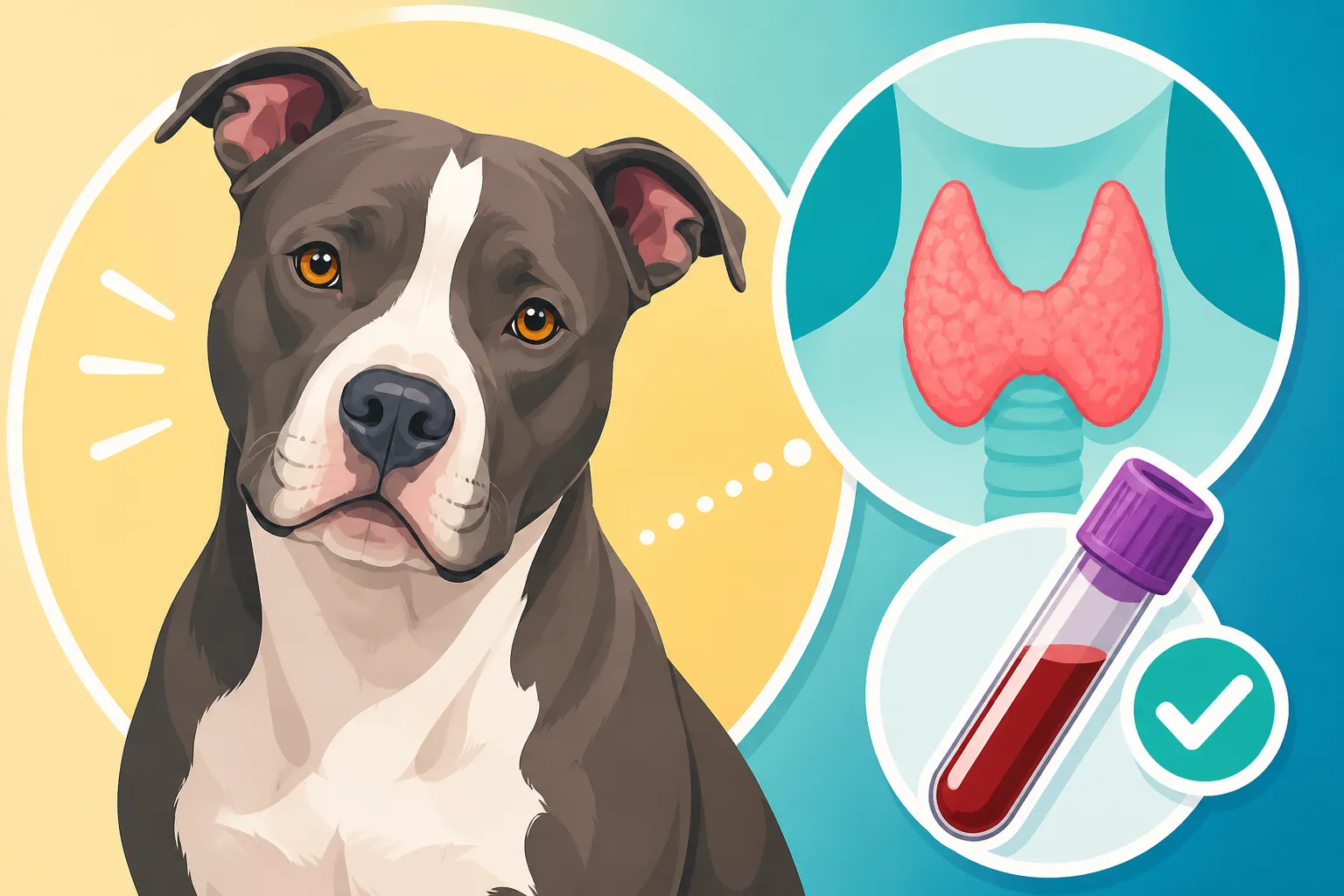
Hypothyroidism is a condition where the thyroid gland, located in your dog's neck, doesn't produce enough thyroid hormones. These hormones are crucial for regulating metabolism, energy levels, and even skin and coat health. When hormone levels drop, it can throw the entire body into disarray, leading to a cascade of often confusing symptoms that can be easily mistaken for other ailments or simply chalked up to old age. Knowing what to look for, especially in a breed as robust as a Pit Bull, is key to early detection and treatment.
Common Symptoms That Warrant Investigation
The signs of hypothyroidism in a Pit Bull can be insidious, creeping up slowly and often manifesting in ways that might seem unrelated at first glance. One of the most common complaints owners have is inexplicable weight gain, even when their Pit Bull is still eating the same amount of food or even less. You might notice your dog is less enthusiastic about walks, seems more lethargic, or just isn't as playful as they used to be. This isn't just "getting older" or "being lazy"; it's a significant red flag.
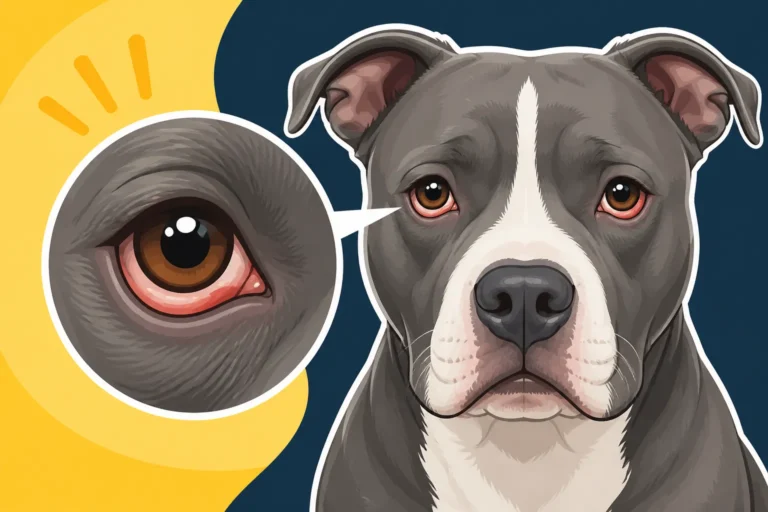
Another prominent symptom often observed in Pit Bulls is changes in their skin and coat. You might see a dull, dry, or brittle coat that lacks its usual sheen. Hair loss, particularly on the flanks, tail, or bridge of the nose, is also very common. This hair loss isn't typically itchy, unlike many allergic reactions, though secondary infections can make it so. Skin might become thickened, darkened, or flaky. Owners might dismiss these as seasonal allergies or general "bad skin," but they can very much be a sign that something is off with the thyroid. Some Pit Bulls might even develop a "tragic" facial expression due to thickening of the skin around the eyes. If you've been grappling with a Hypothyroidism and a Thinning Pit Bull Coat that just won't improve with regular grooming or basic skin treatments, it’s definitely time to consider a thyroid check.
Beyond these, your Pit Bull might also experience cold intolerance, seeking out warm spots or shivering more than usual. Chronic ear infections that recur despite diligent cleaning and treatment, or even Pit Bull Ear Infections and What Drives Them, can sometimes be linked to an underlying thyroid issue. In some cases, reproductive problems in intact dogs or even neurological signs like weakness or ataxia, though less common, can also be present.
Why Pit Bulls Might Be Prone to Thyroid Issues
While hypothyroidism can affect any dog breed, some breeds have a higher genetic predisposition, and Pit Bull types are among those that can be affected. The exact reasons aren't always clear-cut, but genetics play a significant role. It's often an autoimmune disease, where the dog's own immune system mistakenly attacks and destroys the thyroid gland (lymphocytic thyroiditis). This is particularly important for breeders to be aware of, and it’s one reason why responsible breeders engage in What Testing a Pit Bull Breeder Should Have Done for their breeding stock.
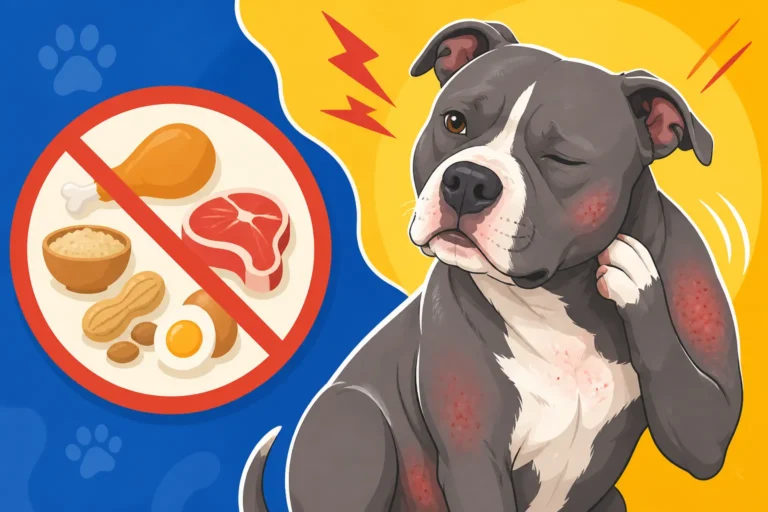
The fact that Pit Bulls are prone to certain skin allergies and conditions, such as Pit Bull Skin Allergies and the Atopy Pattern, can sometimes complicate diagnosis. Symptoms like hair loss or a dull coat can be misinterpreted as solely allergic in nature, leading to a delayed diagnosis of hypothyroidism. It's crucial to remember that while a Pit Bull might have allergies, an underactive thyroid can exacerbate these or present similar symptoms, making a comprehensive diagnostic approach essential. This is where a good veterinarian who understands the breed's common health concerns becomes invaluable, recognizing when it's appropriate to delve deeper than just surface-level symptom management.
The Diagnostic Process: What a Thyroid Panel Involves
If your Pit Bull is showing several of the symptoms we've discussed, the next step is usually a conversation with your veterinarian about running a thyroid panel. It's not just a single test, but typically a battery of blood tests designed to give a comprehensive picture of your dog's thyroid function. This isn't a procedure to be afraid of; it's a simple blood draw that can provide crucial answers and set your dog on the path to feeling better.
Breaking Down the Thyroid Panel Tests
A standard thyroid panel for dogs typically includes several key measurements:
- Total T4 (TT4): This measures the total amount of thyroxine, the main thyroid hormone, circulating in your dog's bloodstream. It includes both active (free) and inactive (bound) forms. A low TT4 is often the first indicator of hypothyroidism.
- Free T4 (FT4): This measures only the unbound, active form of thyroxine. Because it's not affected by factors like protein binding that can influence TT4, it's considered a more accurate indicator of thyroid function, especially if TT4 results are ambiguous.
- Total T3 (TT3) and Free T3 (FT3): These measure triiodothyronine, another thyroid hormone. While T3 is also important, it's often less reliable for diagnosing hypothyroidism in dogs compared to T4, as its levels can fluctuate more for non-thyroid reasons.
- Canine Thyroid Stimulating Hormone (cTSH): This hormone is produced by the pituitary gland and tells the thyroid gland to produce T4 and T3. In cases of primary hypothyroidism (the most common type, where the thyroid gland itself is failing), the pituitary gland will ramp up TSH production to try and stimulate the failing thyroid, leading to a high cTSH level. A high cTSH coupled with a low FT4 is generally considered definitive for primary hypothyroidism.
Sometimes, your vet might also recommend checking for Thyroglobulin Autoantibodies (TgAA). These antibodies are present when the immune system is attacking the thyroid gland, which is common in autoimmune thyroiditis. A positive TgAA test, even if T4 and TSH levels are currently normal, indicates a predisposition to developing hypothyroidism in the future. This can be particularly useful information for breeds like Pit Bulls that may have a genetic link to the condition.
The combination of these tests provides a robust diagnostic picture. It’s rare for a single abnormal result to be conclusive, as other illnesses, medications (like steroids), or even stress can temporarily affect thyroid hormone levels. That's why a full panel is so vital.
Preparing Your Pit Bull for Testing
Getting your Pit Bull ready for a thyroid panel is usually quite straightforward, but there are a few things to keep in mind to ensure the most accurate results. First, your vet will likely ask you to fast your dog for 8-12 hours before the blood draw. This means no food, though water is usually fine. Fasting helps to prevent lipemia (fat in the blood), which can interfere with some lab tests and make the sample harder to read accurately.
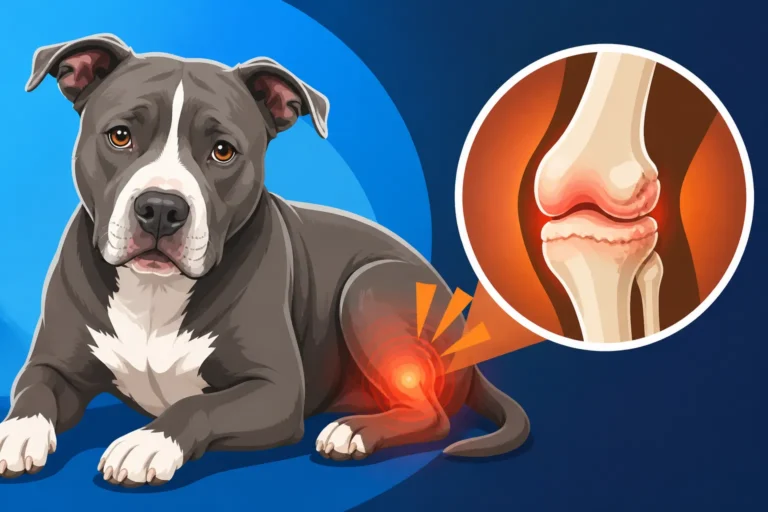
It's also crucial to inform your veterinarian about any medications, supplements, or even specialized diets your Pit Bull is currently on. Certain drugs, such as steroids, phenobarbital (used for seizures), or even some non-steroidal anti-inflammatory drugs (NSAIDs), can suppress thyroid hormone levels, leading to a false positive for hypothyroidism. If your dog is on such medication, your vet might suggest a temporary pause, if safe, or will take these factors into account when interpreting the results. For example, if your Pit Bull is on medication for Pit Bull Arthritis After the Age of Seven, this would be important to disclose.
Stress can also slightly impact results, so try to keep your Pit Bull calm and comfortable during the vet visit. A familiar toy or blanket can sometimes help. The actual blood draw itself is quick, usually from a leg vein, and most Pit Bulls tolerate it very well with a little positive reinforcement. It's a small inconvenience for the wealth of information it provides, potentially leading to a diagnosis that improves your dog's quality of life dramatically.
Interpreting the Results and Next Steps
Once the blood is drawn and sent to the lab, the waiting game begins. This can feel agonizing when you're worried about your furry friend. When the results come back, your veterinarian will be able to interpret them for you, piecing together the full picture of your Pit Bull’s thyroid health. Understanding what these numbers mean is the first step toward effective treatment.
What Abnormal Results Mean
Interpreting a thyroid panel isn't always as simple as "low means bad, high means good." It's a nuanced process, and that's why your vet's expertise is so important.
- Low T4/FT4 with High TSH: This combination is the strongest indicator of primary hypothyroidism. It means the thyroid gland itself isn't producing enough hormones, and the pituitary gland is working overtime (high TSH) trying to stimulate it to no avail. This is the most common form of hypothyroidism in dogs. If your Pit Bull has been A Pit Bull Gaining Weight on the Same Food despite no changes in diet or exercise, this result would confirm the metabolic slowdown.
- Low T4/FT4 with Normal or Low TSH: This can be trickier. It might indicate secondary hypothyroidism (where the pituitary gland isn't producing enough TSH, which is rare) or, more commonly, euthyroid sick syndrome. This syndrome means that another illness or medication is suppressing thyroid hormone levels, even though the thyroid gland itself is healthy. This is why a full physical exam and discussion of all other symptoms and medications are vital to avoid misdiagnosis and unnecessary treatment.
- Normal T4/FT4 with High TSH: This could suggest subclinical hypothyroidism, meaning the thyroid gland is starting to fail, but it's still able to produce enough hormones under maximum stimulation from TSH. It might also precede overt hypothyroidism. In some cases, a high TSH can just be a fluctuation, and your vet might recommend retesting in a few months.
- Normal Results: If all your Pit Bull's thyroid values fall within the normal range, it’s a huge relief! This means the symptoms you're seeing are likely due to something else, and your vet can then pivot to investigating other potential causes, such as allergies, joint pain, or other internal conditions.
It's worth noting that reference ranges can vary slightly between laboratories, so your vet will always interpret the results in context with your dog's specific clinical signs and overall health.
Treatment Options and Long-Term Management
If your Pit Bull is diagnosed with hypothyroidism, the good news is that it’s usually very manageable with daily medication. The standard treatment is thyroid hormone replacement therapy, typically with a synthetic levothyroxine (L-thyroxine) tablet, such as those made by brands like Thyro-Tabs or Soloxine. This medication essentially replaces the hormones your dog's body isn't producing enough of.
The dosage will be carefully determined by your vet, based on your Pit Bull's weight and the severity of their condition. It's usually given twice a day. Within a few weeks to a few months of starting medication, you should begin to see remarkable improvements. Your Pit Bull's energy levels will likely increase, their weight may normalize, and their coat should regain its luster. Many owners report a "new dog" once treatment begins.
However, medication isn't a one-and-done solution. Hypothyroidism requires lifelong management. Your vet will schedule follow-up blood tests, usually starting a few weeks after treatment begins, to ensure the dosage is correct. This involves checking thyroid hormone levels again to make sure they are within the optimal therapeutic range. Once stable, these checks might become less frequent, perhaps once or twice a year. If you have pet insurance, a provider like Healthy Paws can often help cover the ongoing costs of medication and monitoring, which can add up over time. Ensuring consistent medication and regular check-ups is paramount for your Pit Bull's long-term health and well-being.
| Symptom Category | Hypothyroidism Indicators | Potential Overlap with Other Conditions |
|---|---|---|
| Energy/Behavior | Lethargy, reduced activity, increased sleeping, cold seeking | Aging, Pit Bull Obesity and Joint Strain, chronic pain, heart disease |
| Weight | Unexplained weight gain, difficulty losing weight | Overfeeding, lack of exercise, Cushing's disease |
| Skin/Coat | Dull, dry, brittle coat, symmetrical hair loss (non-itchy), thickened skin, recurrent ear/skin infections | Allergies (e.g., Food Allergies Behind Pit Bull Itching), parasites (e.g., Demodex Mange in a Pit Bull), nutritional deficiencies |
| Other | Cold intolerance, "tragic" facial expression, occasionally reproductive issues | Various systemic diseases |
When to Consult Your Vet for a Thyroid Panel
Deciding when to ask your vet about a thyroid panel for your Pit Bull can feel tricky. You don't want to overreact to every little change, but you also don't want to miss something important. The key is recognizing persistent patterns of symptoms and having an open discussion with your trusted veterinary professional.
Age and Genetic Predisposition Considerations
Age is definitely a factor when considering thyroid issues. While hypothyroidism can technically occur at any age, it's most commonly diagnosed in middle-aged to older dogs, typically between four and ten years old. So, if your Pit Bull is in this age bracket and starts exhibiting symptoms like unexplained weight gain or a dull coat, it should certainly raise an eyebrow. For a senior Pit Bull, particularly one who might be experiencing A Pit Bull Confused in Rooms It Knows or other age-related changes, ensuring their thyroid is functioning correctly is an important part of their overall Caring for a Pit Bull in Its Second Decade and comfort. A yearly routine check-up for older dogs should always include a discussion of any changes you've observed, which might prompt your vet to suggest a thyroid screen as part of more comprehensive The Bloodwork an Old Pit Bull Should Have.
Beyond age, understanding that Pit Bulls, like many breeds, can have a genetic predisposition for hypothyroidism means that if you know of thyroid issues in your dog's family line, you might be more proactive about testing. Even without a known family history, if you're seeing those classic symptoms that just don't fit into other clear diagnoses, it’s always worth investigating. This proactive approach can lead to a much better quality of life for your Pit Bull in the long run.
The Importance of a Full Clinical Picture
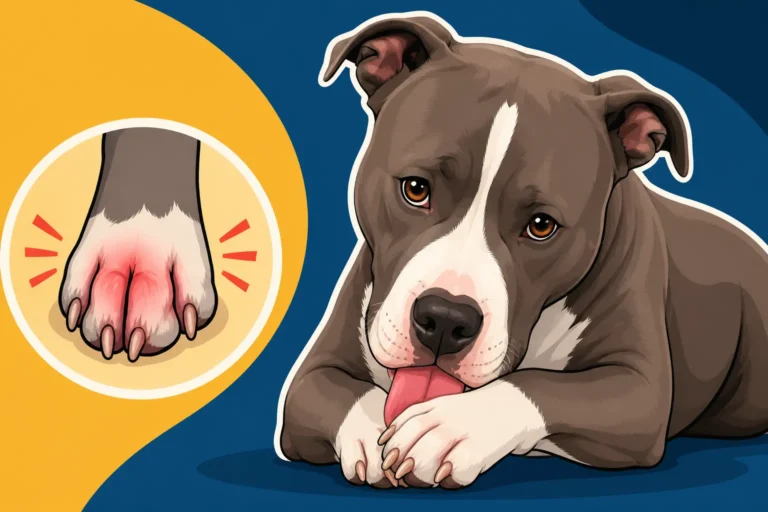
Ultimately, the decision to run a thyroid panel comes down to piecing together a full clinical picture. It’s rarely just one symptom; it’s a cluster of changes that, when viewed together, strongly suggest a thyroid imbalance. Your vet will conduct a thorough physical examination, ask detailed questions about your Pit Bull's history, diet, exercise, medications, and any other symptoms you've noticed. They'll also rule out other common conditions that might mimic hypothyroidism. For instance, if your Pit Bull is constantly scratching, the vet might first look into Pit Bull Paw Licking and Chewing or other dermatological causes before diving into thyroid.
If your Pit Bull is showing several consistent signs – particularly decreased energy, weight gain, and changes in skin/coat quality – and other more obvious conditions have been ruled out, then a thyroid panel is a highly valuable diagnostic tool. Even if your Pit Bull has pet insurance from a provider like Healthy Paws, it’s always wise to discuss the potential costs and benefits of testing with your vet. Catching and treating hypothyroidism early can prevent the progression of symptoms and significantly improve your Pit Bull's comfort and vitality. Don't hesitate to advocate for your dog if you feel something isn't right; you know your Pit Bull best, and your observations are crucial to their healthcare journey.
Disclaimer
This article is for general informational purposes only and does not constitute professional advice. Laws, prices and regulations vary by location and change over time. Consult a qualified professional for guidance on your specific situation.