A Pit Bull Favouring One Front Leg
Seeing your normally robust and energetic Pit Bull suddenly favoring a front leg can be incredibly alarming. One minute they're romping around, full of life, and the next they're hesitant, limping, or even refusing to put weight down. It’s a sight that instantly triggers worry in any loving owner, leaving you wondering what happened, how serious it is, and what you need to do to help your strong companion. This guide is here to walk you through the common reasons why a Pit Bull might favor a front leg and the steps you can take to get them back on all fours comfortably.
What to Do Immediately When Your Pit Bull Favors a Front Leg
That sudden limp can throw anyone into a panic, especially when it comes to a dog as powerful and resilient as a Pit Bull. Your immediate reaction might be to rush them to the vet, which is often the right instinct, but sometimes a quick home assessment can give you vital information and help you decide the urgency.
Performing a Gentle At-Home Examination
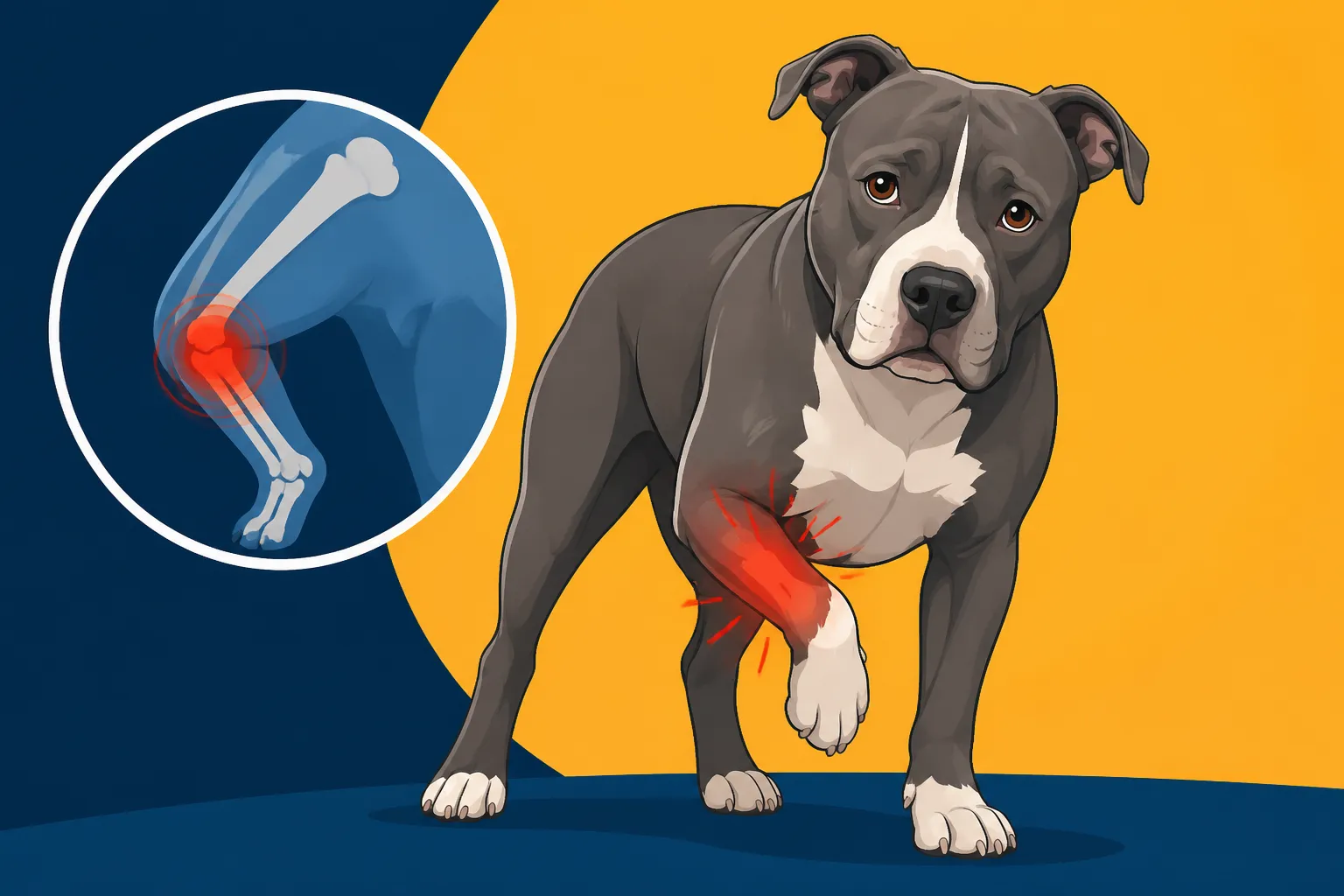
Before you even think about calling the vet, or while you're on hold, taking a few careful steps to examine your Pit Bull can be incredibly helpful. Remember, gentleness is key. They're already in discomfort, and you don't want to cause more pain or make them defensive. Start by just observing them. How are they holding the leg? Is it tucked up, or are they lightly touching the ground? Is there any visible swelling, redness, or an obvious wound?
Once you’ve observed from a distance, slowly and gently feel down the affected leg. Start at the shoulder and work your way down to the paw. Pay close attention to their reaction. Do they flinch, whine, or try to pull away when you touch a specific area? Are their muscles tense? Check each joint—the shoulder, elbow, carpus (wrist), and the individual toes. Don’t forget to check the paw pads for cuts, thorns, or debris, and look between the toes for anything lodged there. Sometimes, a tiny burr or a small crack in a nail can cause significant pain. A quick check of their nails, especially if they're overdue for a trim, can also reveal if a nail is broken or torn.
Deciding on Emergency Care Versus a Scheduled Vet Visit
The severity of the lameness and your Pit Bull's overall demeanor are your biggest clues here. If your Pit Bull is completely unwilling to put any weight on the leg, is crying out in pain, or if the limb looks visibly deformed (like it's bent at an unnatural angle), then this is absolutely an emergency. A trip to the closest emergency vet clinic is in order. These could be signs of a fracture, severe ligament tear, or other serious injury that needs immediate medical attention.
However, if your Pit Bull is just limping moderately, can still put some weight on the leg, and isn't showing extreme signs of distress, it might be safe to wait for your regular veterinarian's next available appointment. Keep them calm, restrict their movement as much as possible—no stairs, no jumping on furniture, and only short, controlled potty breaks on a leash. Observe them closely over the next few hours. Sometimes, a minor sprain or muscle strain will improve slightly with rest. But if it worsens, or if you're ever in doubt, err on the side of caution and call your vet. It's always better to be safe than sorry, especially with a breed known for its stoicism, which can sometimes mask serious pain.
Common Causes of Front Leg Lameness in Pit Bulls
Pit Bulls are incredibly athletic and tough dogs, which means they're prone to a range of injuries, especially those involving their powerful musculoskeletal system. Understanding the common culprits behind a front leg limp can help you communicate more effectively with your vet and feel more prepared.
Soft Tissue Injuries and Sprains
Just like us, Pit Bulls can pull muscles or sprain ligaments during play or exercise. Imagine your Pit Bull, full of zoomies, taking a sharp turn in the yard or jumping awkwardly off the couch. These quick, uncontrolled movements can easily lead to a muscle strain in the shoulder or a ligament sprain in the wrist or elbow. You might notice a sudden onset of limping, sometimes mild, sometimes quite pronounced, but often improving slightly with rest. There typically won't be any obvious swelling or deformity, but the area might be tender to the touch. These types of injuries are often diagnosed through a physical examination and ruling out more serious issues with X-rays. Treatment usually involves rest, anti-inflammatory medications prescribed by your vet, and sometimes cold or warm compresses. It’s important to give them adequate recovery time to prevent re-injury, which can be tough with an active dog.
Fractures and Breaks
This is one of the more terrifying possibilities, but it does happen. A fracture means a bone is broken, and it can occur from a sudden trauma like being hit by a car, falling from a height, or even an aggressive collision during play. If your Pit Bull has a fracture, they will likely be in severe pain, unable to bear any weight on the leg, and the limb might appear swollen or misshapen. There may also be an open wound if the bone has broken through the skin. If you suspect a fracture, immediate veterinary attention is critical. The vet will need X-rays to confirm the break and determine the best course of action, which could range from casting the leg to surgical repair, depending on the severity and location of the fracture. Recovery can be long and challenging, often involving strict crate rest and careful rehabilitation. You can learn more about how to manage these kinds of issues by reading our article on Pit Bull Joint and Ligament Injuries.
Arthritis and Joint Disease
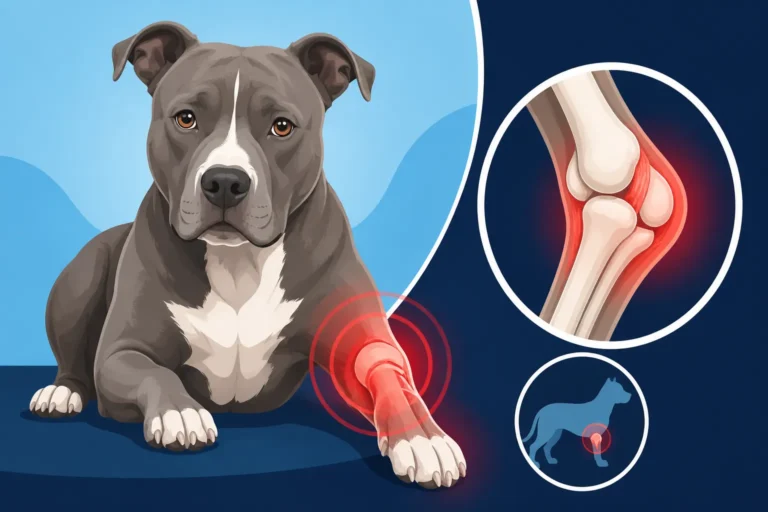
While we often think of arthritis in older dogs, joint issues can begin to manifest earlier, especially in active breeds like Pit Bulls. Conditions like osteoarthritis (degenerative joint disease) can affect any joint, including the shoulders, elbows, and wrists. You might notice a more gradual onset of lameness, especially after rest or exercise. Your Pit Bull might be stiff when getting up, or show less enthusiasm for walks and play. It’s not usually a sudden, acute limp, but rather a stiffness that becomes more pronounced over time.
Elbow dysplasia is a common developmental condition in many larger breeds, including Pit Bulls, where the elbow joint doesn't form correctly. This can lead to pain, stiffness, and lameness in the front leg, often becoming noticeable when a Pit Bull is between 4 months and a year and a half old. If your Pit Bull is showing signs of front leg lameness, especially in their younger years, your vet might investigate this. You might notice your dog favoring one front leg, or even both, with a distinct "choppy" gait or a reluctance to fully extend their elbow. Don't miss our detailed piece on Pit Bull Elbow Dysplasia and Front End Lameness for more insight into this specific condition. The key to managing arthritis and other joint diseases is early diagnosis, pain management through medication, supplements like glucosamine and chondroitin, controlled exercise, and maintaining a healthy weight. Regular check-ups become even more important as your dog ages, allowing your vet to monitor their joint health and adjust treatment as needed.
Other Less Common But Serious Causes
Sometimes, the cause of a limping front leg can be less obvious and potentially more serious.
- Bone Cancer: Osteosarcoma is an aggressive form of bone cancer that can affect any bone, but often targets the long bones of the limbs. It typically presents as a sudden, severe lameness that progressively worsens, often accompanied by swelling and tenderness around the affected bone. This is more common in older, larger breed dogs, but can occur in any breed. Diagnosis involves X-rays and a bone biopsy.
- Neurological Issues: Problems with the nerves or spinal cord in the neck can sometimes manifest as front leg lameness. A pinched nerve, disc disease, or a spinal injury could cause weakness, pain, or incoordination in one or both front legs. Your vet might perform a neurological exam to check reflexes and sensation.
- Infections: While less common, a bone infection (osteomyelitis) or a deep tissue infection from a puncture wound could also cause lameness, swelling, and pain. These would typically be accompanied by fever or other signs of systemic illness.
- Immune-Mediated Diseases: Rarely, conditions where the immune system attacks the body's own tissues, such as certain forms of polyarthritis, can cause joint pain and lameness that might shift from one leg to another.
Because the causes can range from minor to life-threatening, prompt and thorough veterinary evaluation is always recommended when your Pit Bull is favoring a front leg, especially if the lameness is persistent or severe.
When to Seek Veterinary Care
It’s easy to dismiss a slight limp, hoping it will just go away, especially if your Pit Bull is usually a tough cookie. But knowing when to get professional help is crucial for their well-being.
Signs That Warrant an Immediate Vet Visit
Certain signs should send you straight to the emergency vet, no questions asked. If your Pit Bull is crying out in severe pain, unable to put any weight on the leg, or if the leg appears to be at an unnatural angle or broken, this is an emergency. Other red flags include significant swelling that appears quickly, an open wound on the limb, or if your dog is also showing other signs of illness like lethargy, fever, loss of appetite, or difficulty breathing. These symptoms suggest a serious injury or underlying condition that requires urgent diagnosis and treatment. Don't hesitate; swift action can prevent further damage and alleviate suffering. For a broader understanding of critical situations, you may find our article on Emergency Signs That Cannot Wait in a Pit Bull helpful.
What to Expect at the Vet
When you arrive at the vet, they'll start with a thorough physical examination. This will include observing your Pit Bull’s gait, gently palpating the affected leg, and checking all the joints and muscles, often much more extensively than you could at home. They’ll be looking for signs of pain, swelling, instability, or any unusual clicks or grinding.
Based on their initial findings, your vet will likely recommend diagnostic imaging. X-rays are usually the first step to check for fractures, dislocations, or signs of arthritis or other bone abnormalities. In some cases, especially if soft tissue damage is suspected, they might suggest an ultrasound. For more complex cases, or if neurological issues are a concern, advanced imaging like an MRI or CT scan might be necessary, though these are typically done at specialist centers. Blood tests might also be run to check for systemic inflammation, infection, or other underlying health issues. Be prepared to discuss your Pit Bull's medical history, recent activities, and any specific incidents that might have led to the lameness.
Managing and Preventing Future Issues
Once you've got a diagnosis and treatment plan from your vet, your role in managing your Pit Bull's recovery and preventing future issues is paramount. It’s a commitment, but one that will ensure your beloved companion stays healthy and active for as long as possible.
Rehabilitation and Pain Management
Depending on the diagnosis, your vet will prescribe a course of treatment. For minor sprains or strains, this often includes anti-inflammatory medications to manage pain and swelling. Non-steroidal anti-inflammatory drugs (NSAIDs) like carprofen (Rimadyl), deracoxib (Deramaxx), or firocoxib (Previcox) are commonly used, but it's crucial to follow your vet's dosage instructions exactly and never give human pain medications, which can be toxic to dogs. In some cases, especially for more chronic pain or severe injuries, other pain relievers might be used, or a combination of therapies.
Physical rehabilitation can be incredibly beneficial, especially after surgery or for chronic conditions like arthritis. This might include therapeutic exercises, hydrotherapy (underwater treadmill), massage, or even acupuncture. A certified canine rehabilitation therapist can develop a tailored plan to help your Pit Bull regain strength, improve range of motion, and reduce pain. These sessions are not just about fixing the immediate problem, but about building long-term resilience.
Lifestyle Adjustments for Joint Health
Prevention is always better than cure, and for a powerful breed like the Pit Bull, proactive joint care is key.
Weight Management: This cannot be stressed enough. Excess weight puts enormous strain on your Pit Bull's joints, exacerbating conditions like arthritis or making them more prone to injury. Keeping your Pit Bull at a healthy, lean weight is one of the single most impactful things you can do for their joint health. If you're wondering how to tell if your muscular Pit Bull is at an ideal weight, take a look at our article, Pit Bull Obesity and How to Spot It Under Muscle. Your vet can help you determine their ideal weight and recommend a feeding plan if they need to shed a few pounds.
Appropriate Exercise: While Pit Bulls are energetic, high-impact activities like excessive jumping, agility, or intense running on hard surfaces can be tough on their joints, especially in younger, still-developing dogs or older dogs with existing arthritis. Focus on controlled, moderate exercise. Regular walks, swimming, or carefully managed play sessions are often better choices. If your Pit Bull is prone to pulling on the leash, investing in proper training and a suitable harness can prevent unnecessary strain on their shoulders and neck. Our piece on Pit Bull Weight and Muscle on a Working Frame has more tips on keeping them fit safely.
Nutritional Support: A high-quality diet provides the building blocks for healthy joints. Some vets also recommend joint supplements, particularly those containing glucosamine, chondroitin, and omega-3 fatty acids, which can help support cartilage health and reduce inflammation. Always discuss supplements with your vet before adding them to your Pit Bull's diet to ensure they are appropriate and won't interfere with any medications.
Regular Veterinary Check-ups: These are vital for monitoring your Pit Bull’s overall health, catching subtle signs of joint issues early, and adjusting their care plan as they age. Your vet can recommend screenings or preventative measures based on your individual dog’s breed predispositions and lifestyle. Having pet insurance, such as a policy from Healthy Paws, can provide immense peace of mind, knowing that you're supported in covering the costs of these critical check-ups, diagnostics, and potential treatments for joint issues or injuries throughout your Pit Bull's life. Many owners find relief knowing their veterinary bills for diagnostics or treatments are covered by plans like those from Healthy Paws.
A Pit Bull favoring a front leg is a sign that demands your attention. By understanding the potential causes, acting swiftly when necessary, and committing to ongoing preventative care, you can help your loyal companion lead a long, happy, and pain-free life.
Disclaimer
The information provided in this guide is intended for general educational purposes only and should not be considered a substitute for professional veterinary advice. Always consult with a qualified veterinarian for any health concerns or before making any decisions about your Pit Bull's medical care.