Whether Pit Bull Advocacy Has Changed Outcomes
It's incredibly frustrating to know that despite the unwavering love and dedication you pour into your Pit Bull, the world often still sees a caricature instead of the devoted companion you cherish. For years, Pit Bull owners and advocates have fought tooth and nail against pervasive stereotypes and discriminatory policies, and it's natural to wonder if all that effort has actually moved the needle. This guide dives deep into the profound impact of Pit Bull advocacy, exploring where progress has been made, the persistent battles still being waged, and what these changes mean for you and your beloved dog today.
The Long Road: Historical Perceptions and Early Advocacy
For generations, dogs falling under the "Pit Bull" umbrella have carried a heavy burden of public misunderstanding and outright fear. This perception didn't just appear out of thin air; it was carefully constructed and perpetuated, leading to very real and painful consequences for countless families.
The "Dangerous Dog" Label and Its Deep Roots
The origins of the Pit Bull's negative image are complex, rooted in historical uses, sensationalized media, and a general lack of education about dog behavior. What started as working dogs in various capacities – from farmhands to family companions – slowly morphed into symbols of aggression and danger in the public eye. This shift was tragically amplified by certain individuals who exploited their power and tenacity for nefarious purposes, particularly in illegal dog fighting.
Media outlets, often looking for a compelling narrative, would latch onto incidents involving dogs identified as "Pit Bulls," irrespective of their actual breed makeup or the circumstances surrounding the event. This constant drumbeat of negative press began to engrain a deep-seated fear in the public consciousness. As a result, the "dangerous dog" label became almost synonymous with the appearance of a Pit Bull, leading to widespread calls for restrictions. This isn't just an abstract problem; it directly impacts where you can live, whether you can get insurance, and how your dog is perceived on a simple walk around the block.
Initial Efforts Against a Rising Tide of Discrimination
In the face of this growing tide of fear and prejudice, early advocates for Pit Bulls found themselves in an uphill battle. Often, these were individual owners, small local rescue groups, or passionate volunteers who knew firsthand the true nature of these dogs. They held peaceful demonstrations, distributed educational flyers, and tried to engage with their communities to share positive stories.
However, these early efforts frequently faced significant resistance. The prevailing narrative was strong, and resources were limited. Many communities, swayed by public outcry and media sensationalism, began to enact Breed Specific Legislation (BSL), banning or heavily restricting Pit Bull type dogs. This meant that families were forced to choose between their homes and their pets, or face the heartbreaking prospect of euthanasia for a perfectly well-behaved dog. It was a dark time, where the legal system, often intended to protect, instead codified discrimination based purely on appearance. The emotional toll on owners during this period was immense, as they felt powerless against policies that demonized their companions.
The Evolution of Modern Pit Bull Advocacy
As the severity of BSL and breed discrimination became undeniable, the advocacy landscape began to evolve. What started as fragmented, individual efforts slowly grew into more organized, strategic movements, utilizing a wider array of tactics to challenge the status quo. Modern Pit Bull advocacy understands that real change requires a multi-pronged approach: education, legal action, community engagement, and promoting responsible ownership from the ground up.
Education and Busting the Myths
One of the cornerstones of modern advocacy is a relentless focus on education. Advocates realized that to change hearts and minds, they needed to provide accurate, scientific information to counter the emotional, often fear-driven narratives. This involves dispelling persistent myths, such as the infamous "nanny dog" story. While the idea of Pit Bulls as historical babysitters is a heartwarming thought, it's largely a romanticized fabrication. Why the Pit Bull Nanny Dog Story Is a Myth Instead, advocates emphasize that no dog, regardless of breed, should ever be left unsupervised with a child, and that responsible ownership means constant supervision and proper training around children.
Modern advocacy educates the public about:
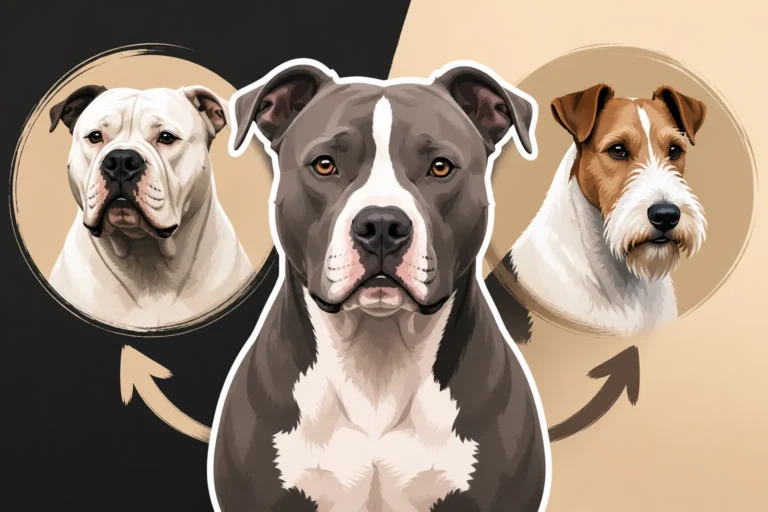
- Breed identification: Explaining that "Pit Bull" is a type, not a single breed, and that visual identification is notoriously inaccurate.
- Temperament: Highlighting the findings of temperament tests, like those from the American Temperament Test Society (ATTS), which often show Pit Bull type dogs performing as well as or better than many popular breeds.
- Responsible ownership: Emphasizing that behavior is largely a product of genetics, environment, and training, not solely breed. This includes promoting proper socialization, training, and management.
- Preventing bites: Shifting the focus from breed bans to comprehensive dog bite prevention strategies that address all dogs and owners, regardless of breed.
This educational push often involves creating accessible online resources, hosting community events, speaking at schools, and providing materials to shelters and veterinary clinics. The goal is to gradually re-educate the public, one conversation, one pamphlet, one positive interaction at a time.
Legal and Legislative Battles for Fairness
Beyond education, advocacy groups have become far more sophisticated in their legal and legislative strategies. They actively lobby lawmakers, challenge discriminatory ordinances in court, and work to introduce new legislation that protects dogs and owners. This often means working with legal teams to draft breed-neutral laws that focus on the actions of individual dogs and their owners, rather than blanket bans based on appearance.
We've seen tangible progress in this arena. For instance, the city of Denver's Pit Bull Permit After the 2020 Repeal is a prime example where years of advocacy led to a significant change in policy, transitioning from an outright ban to a regulated system that ultimately saw the ban fully repealed. Similarly, states like Why Florida Removed Its Pit Bull Bans have taken progressive steps to prevent local governments from enacting BSL. These victories are hard-won, often requiring years of dedicated effort, fundraising, and public awareness campaigns. Advocates gather data, present expert testimony, and rally supporters to make their voices heard at every level of government. It's a testament to persistence and the power of organized action.
Promoting Responsible Ownership and Certification
A crucial element of modern Pit Bull advocacy is empowering owners to be the best possible ambassadors for their dogs. This means promoting and often subsidizing access to responsible ownership education and training programs. Organizations frequently encourage owners to enroll their Pit Bulls in classes like the Canine Good Citizen (CGC) program. Canine Good Citizen and Why It Matters for a Pit Bull
A CGC title demonstrates that a dog has good manners and is a reliable, well-behaved member of the community. While a certificate alone won't erase all prejudice, it provides tangible proof of an individual dog's training and temperament. Advocacy groups often stress that Training a Pit Bull to a Higher Standard Than Other Dogs is not just about having a well-behaved pet, but about actively combating negative stereotypes. When a Pit Bull is calm, controlled, and polite in public, it challenges preconceived notions and creates positive experiences for those who encounter them.
This also extends to providing resources for appropriate equipment, such as durable leashes, harnesses, and indestructible toys from retailers like Chewy, to ensure dogs are safely managed and enriched. Advocates understand that empowering owners with the tools and knowledge to succeed is fundamental to changing public perception.
Tangible Outcomes: Where Advocacy Has Made a Difference
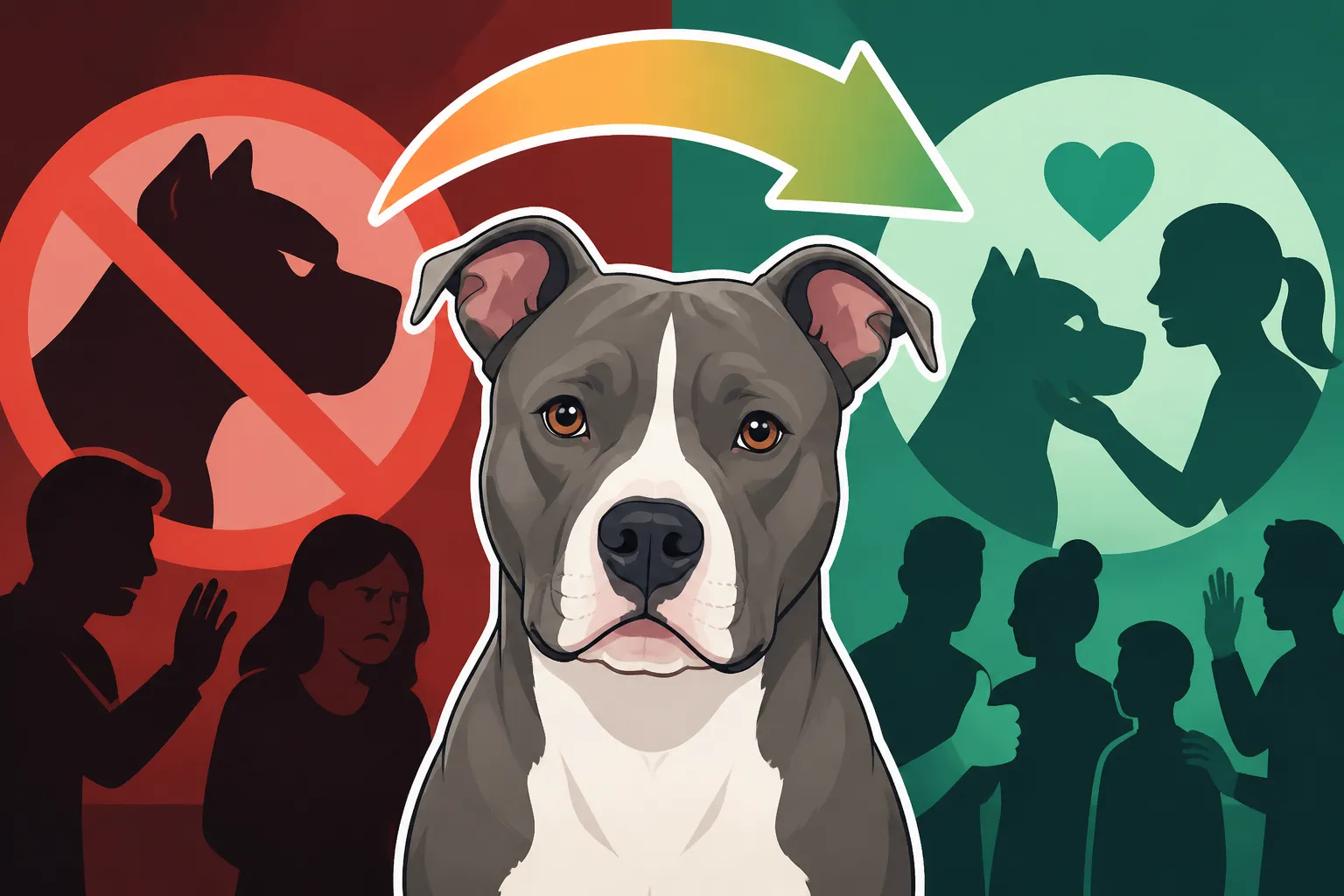
So, after years of tireless work, has Pit Bull advocacy truly changed outcomes? The answer, while nuanced, is a resounding yes. While the battle is far from over, there are concrete areas where dedicated efforts have demonstrably improved the lives of Pit Bulls and their owners.
Shifts in Legislation and Housing Policies
One of the most impactful changes brought about by advocacy is the visible trend away from Breed Specific Legislation. Many cities and even entire states have either repealed existing BSL or passed laws preventing new BSL from being enacted. This means fewer families are being forced to relocate or surrender their beloved pets purely because of their appearance.
Beyond direct bans, advocacy has also influenced broader housing and insurance policies. More insurance carriers are starting to reconsider their blanket exclusions for certain breeds, with some States Where Insurers Cannot Ask About a Pit Bull leading the way in protecting owners from discrimination. While finding a rental that accepts a Pit Bull can still be a challenge, there are now more resources and strategies available for Getting a Landlord to Accept a Pit Bull, often involving providing proof of training or advocating for breed-neutral lease agreements. This shift is a direct result of relentless lobbying, legal challenges, and public awareness campaigns that highlight the unfairness and ineffectiveness of breed-based discrimination.
Improved Shelter Outcomes
The impact of advocacy on animal shelters has been profound. For years, dogs labeled as "Pit Bulls" faced disproportionately high euthanasia rates and longer stays in shelters due to BSL and public apprehension. However, as advocacy efforts gained traction, many shelters began to adopt more progressive, breed-neutral policies.
One significant change is the move away from identifying dogs solely as "Pit Bulls" based on visual cues. Many shelters now classify dogs based on their most prominent breed characteristics or simply as "mixed breed," or remove breed labels altogether. What Happens When Shelters Drop the Pit Bull Label This simple change has a powerful effect: it allows potential adopters to see the individual dog for its personality and needs, rather than a stigmatized label. This has contributed to increased adoption rates and reduced euthanasia for these dogs in many areas.
Furthermore, advocacy groups often work directly with shelters, providing training, behavioral support, and fostering programs specifically for Pit Bull type dogs. They help rehabilitate dogs with behavioral challenges, provide enrichment to reduce kennel stress, and actively market these dogs to potential adopters. This collaborative approach has been instrumental in saving countless lives.
Gradually Shifting Public Opinion
Perhaps the slowest, yet most crucial, change is the gradual shift in public opinion. While deeply ingrained stereotypes take time to dismantle, there's growing evidence that more people are open to learning the truth about Pit Bulls. Positive media representation, from heartwarming stories of therapy dogs to appearances in family-friendly films and advertisements, plays a role. Pit Bull Type Dogs in Film and Television
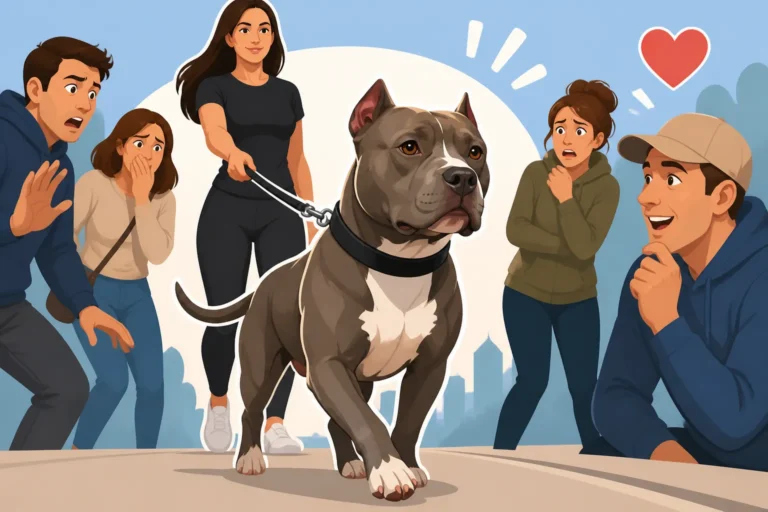
Every time a well-behaved Pit Bull is seen out with its responsible owner, whether at a farmer's market or a local park, it chips away at the negative narrative. Advocacy groups encourage owners to be mindful ambassadors, demonstrating that their dogs are friendly, trainable, and loving companions. This constant, positive exposure, combined with educational campaigns, is slowly but surely changing how society views these dogs. While prejudice still exists, the conversation is shifting from "Are Pit Bulls inherently dangerous?" to "How can we promote responsible pet ownership for all dogs?"
Ongoing Challenges and the Path Forward
Despite significant progress, the journey for Pit Bull advocacy is far from over. There are still considerable hurdles to overcome, and the work requires continued vigilance and dedication from owners and supporters alike.
Persistent Stereotypes and Misinformation
Even with all the educational efforts, persistent stereotypes and misinformation continue to plague Pit Bulls. The "dangerous dog" narrative is deeply embedded in some segments of society, and changing these long-held beliefs is an arduous task. A single negative incident, often sensationalized by media, can quickly undo years of positive work, reigniting fear and calls for breed-specific restrictions.
This means that Pit Bull owners must often work twice as hard to prove their dog's good nature. They face scrutiny that other dog owners simply don't. A playful nudge from a Pit Bull might be seen as aggression, while the same action from a Labrador might be dismissed as exuberance. This constant need to "over-prove" their dogs can be exhausting for owners, but it underscores the ongoing need for advocacy to continue challenging these biases head-on. It's about empowering owners to responsibly advocate for their own dogs, even in casual public encounters, by demonstrating calm control and positive interaction. Reading a Pit Bull Body Language Before a Greeting
The Crucial Need for Continued Education and Support
The fight for Pit Bulls isn't a battle that can be won once and then forgotten. It's an ongoing commitment to education, support, and active engagement. This means continually reinforcing the message of responsible ownership for all dogs, regardless of breed. We need to keep talking about the importance of proper training, socialization, and management for every dog in every household.
Advocacy groups continue to need support – through donations, volunteer hours, and simply spreading accurate information. Owners themselves are the best advocates, and sharing The Advice Experienced Pit Bull Owners Give with new owners can make a huge difference. This includes tips on everything from finding durable chew toys from Chewy to understanding dog body language.
The path forward involves:
- Sustained public education: Continuing to spread facts and positive stories to counter negative perceptions.
- Legislative vigilance: Monitoring proposed laws and actively fighting against new BSL, while supporting breed-neutral ordinances.
- Community engagement: Fostering positive interactions between Pit Bulls and the public, perhaps through events like dog-friendly festivals or responsible pet ownership workshops.
- Support for owners: Providing resources for training, behavior help, and navigating housing or insurance challenges.
- Data collection: Continuing to gather and present evidence that BSL is ineffective and that focusing on owner responsibility is the key to safer communities.
The progress made by Pit Bull advocacy is undeniable and significant, transforming the lives of countless dogs and their families. However, it's a marathon, not a sprint. The dedication of advocates and responsible owners remains vital to ensure that Pit Bulls are judged as individuals, not by outdated and unfair stereotypes.
Disclaimer
This article is for general informational purposes only and does not constitute professional advice. Laws, prices and regulations vary by location and change over time. Consult a qualified professional for guidance on your specific situation.