Feeding a Pit Bull That Trains Every Day
It’s a common scenario: you have a powerful, athletic Pit Bull who loves to train, whether it’s agility, long runs, or intense play sessions. You want to fuel that incredible drive and muscle, but figuring out how much to feed and what kind of food is best can feel like a constant puzzle. This guide aims to demystify the dietary needs of your active Pit Bull, helping you understand how to support their high energy levels and maintain peak physical condition without guesswork.
Understanding the Energy Needs of a Training Pit Bull
When your Pit Bull is training every day, their body is constantly burning calories and repairing muscle tissue. This isn't just about throwing extra food in the bowl; it's about providing the right kind of fuel in the correct amounts to sustain their performance, aid recovery, and prevent fatigue or injury. Owners often underestimate the sheer energy output of a consistently active Pit Bull, leading to scenarios where dogs are either underfed and losing condition, or overfed with the wrong nutrients and becoming sluggish.
Calorie Requirements for Active Dogs
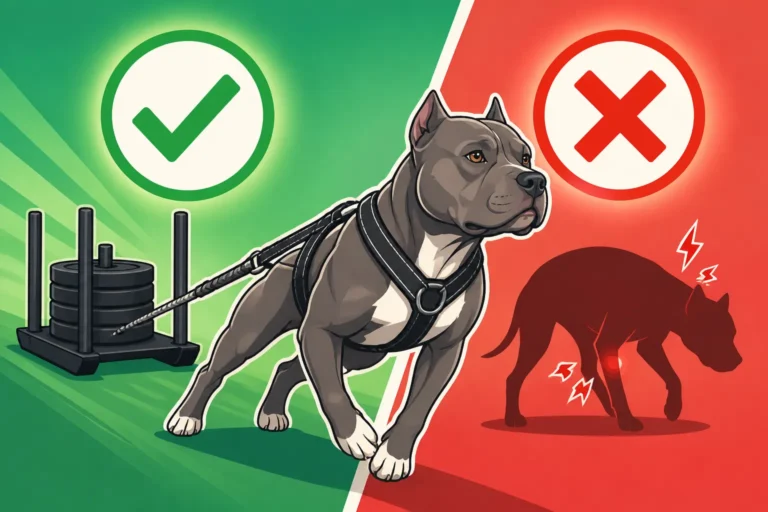
The caloric needs of an active Pit Bull can be significantly higher than those of a more sedentary companion. It's not a one-size-fits-all number, and it depends heavily on the intensity and duration of their daily activities. A Pit Bull engaged in regular, strenuous training like competitive weight pulling or intense agility will require substantially more calories than one whose daily exercise consists of a brisk walk and some backyard fetch. Factors like age, metabolism, and even the ambient temperature can also influence how many calories your dog burns. It’s a bit like a human athlete needing a specific diet to fuel their performance – your Pit Bull is no different.
Think of it this way: a well-muscled Pit Bull needs fuel not just to exist, but to build and maintain that muscle, and then to power through their daily workouts. If they're not getting enough, you might notice a dip in their energy, a struggle to recover after exercise, or even a gradual loss of muscle mass, which is the last thing you want for such a strong dog. On the flip side, too many calories without enough activity can quickly lead to unwanted weight gain, even in an active dog, putting unnecessary strain on their joints over time. This is why understanding The Calorie Target for a Lean Pit Bull is so critical.
Impact of Training Intensity on Diet
The type and intensity of training your Pit Bull undergoes directly dictates their dietary needs. A Pit Bull that is primarily doing scent work or obedience drills, while mentally stimulating, might not burn as many calories as one engaged in high-impact activities such as long-distance running, intense flirt pole sessions, or advanced agility courses with lots of jumping and weaving. These more physically demanding activities require a different nutritional approach.
For instance, a Pit Bull training for endurance might benefit from a diet that supports sustained energy release, perhaps with a balanced blend of fats and complex carbohydrates. In contrast, a dog focused on explosive power, like those in springpole work or short, intense sprints, might need more readily available energy sources and a higher protein intake for muscle repair. It’s not just about the calorie count; it's about the macronutrient distribution. You might even find yourself adjusting their food intake seasonally or depending on their competition schedule. During periods of heavy training or competition, their nutritional requirements will peak, whereas during an off-season or recovery period, you'll need to scale back to avoid unhealthy weight gain. It truly requires a keen eye and consistent evaluation of their body condition. Pit Bull Weight and Muscle on a Working Frame is a great resource to help you gauge this.
Choosing the Right Fuel: Diet Options for Active Pit Bulls
Selecting the right food for your active Pit Bull is paramount to their health and performance. There's a sea of options out there, and what works for one dog might not be ideal for another, even if they share the same breed type and activity level. It’s about finding a balance of nutrients that supports their high energy, aids muscle recovery, and keeps their coat gleaming and their skin healthy.
High-Quality Commercial Kibble
For many active Pit Bull owners, a high-quality commercial kibble is the most convenient and nutritionally complete option. The key here is "high-quality." Look for brands that list a named meat source (like chicken meal, lamb meal, or beef) as the first ingredient, rather than generic "meat meal" or excessive fillers. These diets are typically formulated to provide a balanced array of proteins, fats, carbohydrates, vitamins, and minerals. For an active dog, you'll generally want a kibble with a higher protein content to support muscle maintenance and repair, and a moderate to higher fat content to provide sustained energy. Fats are a dense energy source, crucial for endurance activities.
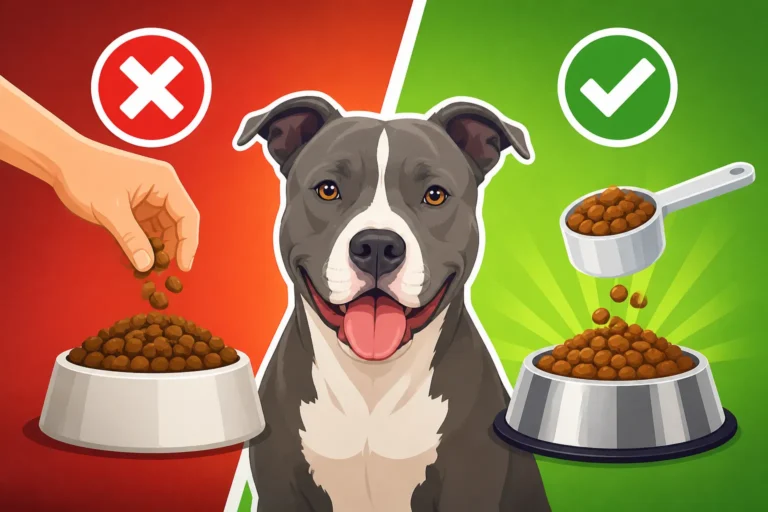
When choosing a kibble, pay close attention to the guaranteed analysis on the bag. Active Pit Bulls often thrive on foods with protein levels in the 25-30% range or higher, and fat content around 15-20%. However, don't just look at the percentages in isolation; consider the source and digestibility of these ingredients. Some owners find that a grain-inclusive diet works perfectly, while others prefer grain-free options, especially if their Pit Bull has sensitivities. Products available on sites like Chewy offer a vast selection, often with detailed ingredient lists and customer reviews that can help guide your choice. Remember, even with the best kibble, Why a Pit Bull Ration Should Be Weighed is crucial for accurate feeding.
Fresh Food and Raw Diets
The popularity of fresh food and raw diets has surged, with many owners believing they offer superior nutrition and digestibility, especially for active dogs. Fresh food diets, often gently cooked or minimally processed, aim to provide whole ingredients without artificial additives. Companies like Ollie deliver pre-portioned, customized fresh meals directly to your door, which can be incredibly convenient for busy owners of active dogs. These diets are often rich in lean proteins, vegetables, and healthy fats, which can contribute to excellent muscle tone, coat health, and sustained energy levels.
Raw diets, often referred to as BARF (Biologically Appropriate Raw Food) or prey model diets, involve feeding uncooked meat, bones, and organs. Proponents argue that this mirrors the ancestral diet of canines and can lead to optimal health, increased energy, and improved digestion. However, raw feeding requires meticulous research and planning to ensure it is nutritionally balanced and free from contaminants. It's a significant commitment and often requires supplementation to ensure all nutrient requirements are met, especially for a dog with high energy output. Whether fresh or raw, transitioning your Pit Bull to these diets should always be done gradually and preferably under veterinary guidance to monitor their response and ensure they are getting all the necessary nutrients to support their daily training.
Supplements for Performance and Recovery
Even with a high-quality diet, some active Pit Bulls may benefit from specific supplements to support their demanding lifestyle. Joint supplements, containing ingredients like glucosamine, chondroitin, and MSM, are often recommended for large, active breeds like Pit Bulls, especially as they age or if they engage in high-impact activities. These can help maintain cartilage health and support overall joint function, which is critical for a dog that's constantly running, jumping, and pivoting. Joint Support for a Heavily Muscled Pit Bull is a good article to explore this further.
Omega-3 fatty acids, typically from fish oil, are excellent for reducing inflammation, supporting skin and coat health, and potentially aiding in recovery from strenuous exercise. Some owners also consider probiotics to support gut health, which can improve nutrient absorption and bolster the immune system. Antioxidants can help combat oxidative stress caused by intense physical activity. However, it's vital to remember that supplements are meant to supplement a complete and balanced diet, not replace any part of it. Before introducing any new supplements, it's always best to consult with your veterinarian to ensure they are appropriate for your individual Pit Bull's needs and won't interact negatively with any existing conditions or medications. You can find a wide range of these supplements from reputable brands on marketplaces like Amazon or Chewy.
| Diet Type | Pros for Active Pit Bulls | Cons for Active Pit Bulls | Key Considerations |
|---|---|---|---|
| High-Quality Kibble | Convenient, cost-effective, nutritionally balanced, easy to store. | Can contain fillers, digestibility varies by brand. | Choose high protein (25%+) and fat (15%+) from named meat sources. |
| Fresh Food | Highly digestible, palatable, whole ingredients, custom portions. | More expensive, shorter shelf life, requires refrigeration. | Good for specific dietary needs, aids hydration. Services like Ollie can be a great option. |
| Raw Diet | Advocates claim superior digestibility, energy, and coat health. | Risk of bacterial contamination, requires careful balancing, can be more expensive. | Must be carefully prepared and balanced; consult vet. Not for everyone. |
| Home-Cooked | Full control over ingredients, highly palatable. | Extremely difficult to balance nutritionally, time-consuming. | Requires veterinary nutritionist consultation to avoid deficiencies, not recommended without expert guidance. |
Practical Feeding Strategies for Daily Training
Once you've settled on the right food, implementing practical feeding strategies is key to maximizing its benefits for your training Pit Bull. It’s not just about what you feed, but when and how. Getting this right can significantly impact their energy levels, digestion, and overall performance during and after training sessions.
Timing Meals Around Workouts
Timing your Pit Bull’s meals correctly around their training schedule is crucial for performance and preventing digestive upset. Generally, it's best to feed a larger meal at least 2-3 hours before an intense workout. This allows sufficient time for digestion, preventing discomfort like bloat or stomach upset which can be a concern for deep-chested breeds like Pit Bulls. A full stomach bouncing around during high-impact exercise is not only uncomfortable but potentially dangerous.
Similarly, avoid feeding immediately after a strenuous session. Give your Pit Bull at least 30-60 minutes to cool down and rehydrate before offering food. Their body needs to shift focus from physical exertion to digestion, and feeding too soon can interfere with this process. A small, easily digestible snack, like a piece of boiled chicken or a few high-quality treats, might be acceptable shortly after a light workout, but reserve the main meal for when they are fully settled. Consistency is vital; try to establish a routine that works for both of you, ensuring they have energy when they need it and proper recovery afterwards. This careful approach to feeding is just as important as the training itself. Also, consider Resting a Pit Bull Between Meal and Exercise to further reduce risks.
Incorporating High-Value Training Treats
Daily training often means lots of repetitions, and high-value treats are indispensable for keeping your Pit Bull engaged and motivated. The trick is to choose treats that are both highly palatable and fit into their overall daily calorie intake without causing unwanted weight gain or digestive issues. Small, soft, and easily digestible treats are ideal for frequent rewards during training sessions. Think tiny pieces of cooked chicken, cheese, or commercially available training treats designed for this purpose.
For a Pit Bull that trains every day, using their kibble as training rewards can be a smart strategy to manage calories. If your dog is sufficiently motivated by their regular food, simply set aside a portion of their daily ration for training sessions. If you need something more enticing, consider rotating high-value treats from your pantry or purchasing specialized, low-calorie options from stores like Chewy or Amazon. Remember to always factor these treats into their total daily calorie budget. If you're giving a lot of treats, you'll need to reduce their main meal proportionally to prevent overfeeding. This becomes particularly important when you're working on complex behaviors that require many repetitions. You can learn more about managing treats in Treat Costs Through Pit Bull Training.
Hydration and Water Intake
Hydration is a non-negotiable component of an active Pit Bull's care. Just like human athletes, dogs can become dehydrated quickly during exercise, especially in warmer weather. Always ensure your Pit Bull has access to fresh, clean water throughout the day, and particularly before, during, and after training. Carry a portable water bottle and bowl on walks and to training classes. Even on cooler days, their internal systems are working hard, and adequate water intake is vital for organ function, joint lubrication, and regulating body temperature.
Consider offering water breaks every 15-20 minutes during intense exercise. For highly active dogs, some owners even add a splash of low-sodium chicken broth to their water or offer electrolyte solutions (specifically designed for dogs, never human sports drinks) to encourage drinking and replenish lost minerals, especially after very long or strenuous sessions. However, these specialized solutions should be used judiciously and under veterinary advice. Observe your Pit Bull's water intake carefully; if they are drinking significantly less or more than usual, or if their urine is consistently very dark, it might be a sign to consult your vet. A well-hydrated Pit Bull will have more stamina, better focus, and a faster recovery. Don't forget to consider Pit Bull Water Intake After Hard Exercise in your routine.
Disclaimer
This article is for general informational purposes only and does not constitute professional advice. Laws, prices and regulations vary by location and change over time. Consult a qualified professional for guidance on your specific situation.