A Pit Bull That Greets Too Enthusiastically
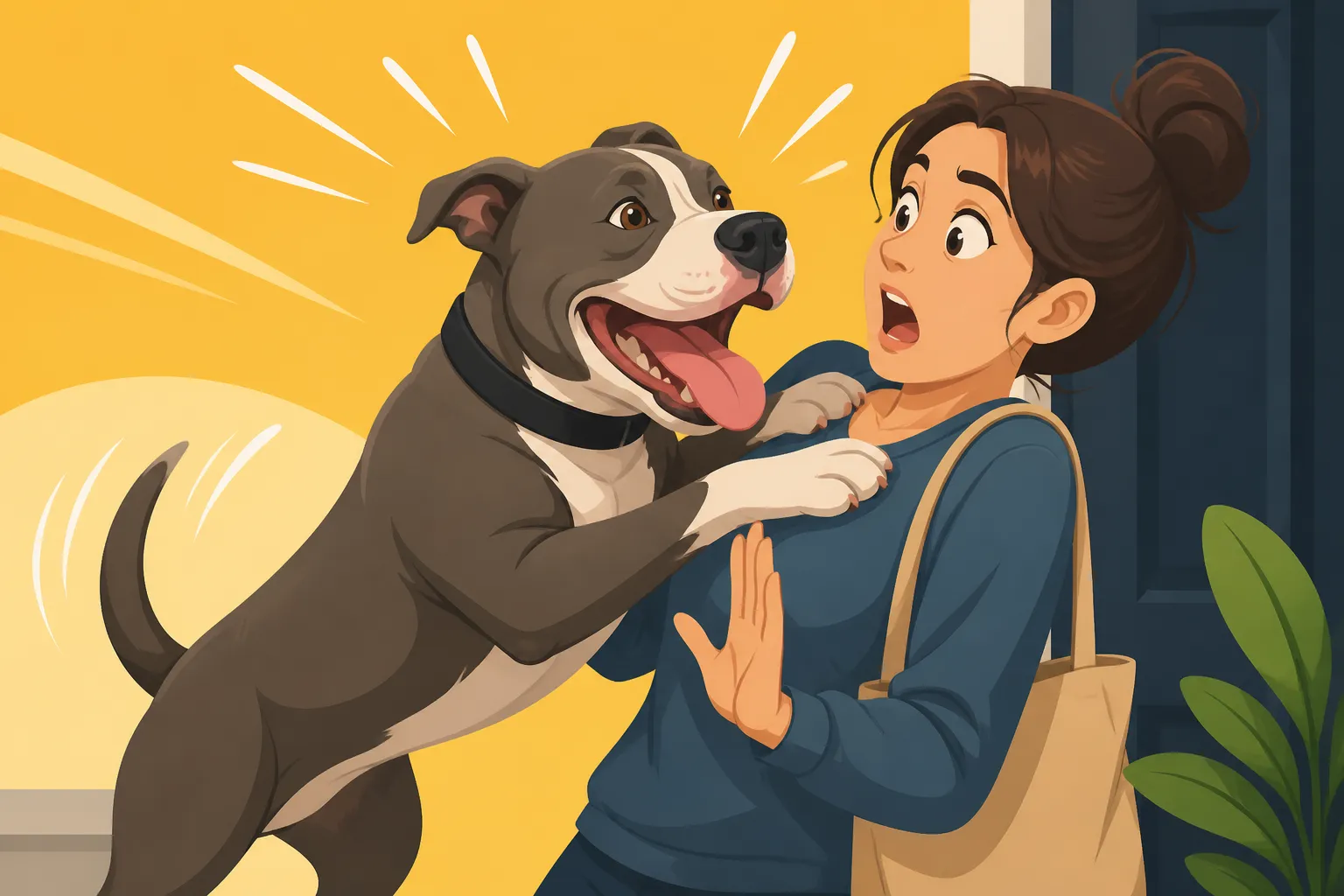
It's incredibly frustrating when your Pit Bull's boundless enthusiasm for people and other dogs translates into a clumsy, jumping, or even overwhelming greeting. You know your dog means no harm, but that full-body wiggle, the excited barking, or the sudden lunge can easily knock someone off balance or leave a less dog-savvy person feeling intimidated. It’s a common challenge for Pit Bull owners, who often feel an extra pressure to have their dogs exhibit impeccable manners. This guide will explore why your Pit Bull might be greeting so boisterously and, more importantly, equip you with practical, compassionate strategies to cultivate calmer, more appropriate hellos in any situation.
The Root of the Ruckus: Why Pit Bulls Get So Excited
Understanding why your Pit Bull greets so enthusiastically is the first step toward managing it. It’s rarely about malice; it’s almost always about pure, unadulterated joy and a lack of impulse control. These dogs are often incredibly social creatures, eager to engage with the world around them, and sometimes that excitement just spills over in ways that aren't ideal for human interaction.
Natural Predispositions and Breed Traits
Pit Bulls, in general, are known for their athleticism, strength, and often, an intense focus when stimulated. This can manifest as powerful, exuberant greetings. They are often incredibly people-oriented dogs, bred for companionship, which means they genuinely love people and want to interact. This desire for connection, combined with their physical prowess, can lead to greetings that are more akin to a linebacker hitting a tackling dummy than a polite handshake. Your dog isn't trying to be rude; they're trying to communicate their happiness in the most physical way they know how.
Think about how your dog reacts when you come home from a short errand. Do they instantly start wiggling, perhaps picking up a toy, or even letting out those excited little yelps? This is a natural, albeit sometimes inconvenient, display of affection and happiness. For some Pit Bulls, this level of excitement just naturally extends to anyone new or exciting entering their space. They simply haven't learned how to temper that initial burst of joy into a more controlled behavior. It's a testament to their loving nature, even if it's a bit much at times.
Learning History and Lack of Impulse Control
Beyond natural traits, how your Pit Bull has learned to interact with people over time plays a huge role. If jumping up or vocalizing has ever resulted in attention – even negative attention like pushing them off or saying "no" – they might have inadvertently learned that this behavior gets a reaction. For a dog, any attention is often reinforcing attention. If they've consistently been allowed to jump on family members or friends, it's a deeply ingrained habit that won't disappear overnight.
A key factor here is often a lack of impulse control. Pit Bulls, like many high-energy, intelligent dogs, need to be taught how to regulate their emotions and actions. Building a Pit Bull's Impulse Control is crucial for addressing enthusiastic greetings, as it teaches them to pause, think, and choose a more appropriate behavior rather than simply reacting to excitement. Imagine trying to hold back a child from running towards their favorite superhero; it takes a lot of self-control. For a Pit Bull, meeting a new person can be just as thrilling, and they need structured guidance to learn to channel that energy.
Laying the Groundwork: Essential Training Principles
Before diving into specific techniques, it's vital to establish a strong foundation of positive reinforcement and consistent expectations. Without these elements, any individual training method will likely struggle to stick. This isn't just about stopping a behavior; it's about teaching your Pit Bull a new, more desirable way to interact.
Consistency and Clear Expectations
The absolute cornerstone of managing enthusiastic greetings is consistency. Every single person who interacts with your Pit Bull must be on the same page. If some people allow jumping and others don't, your dog will be confused and the behavior will persist. This means family members, friends, and even visitors need to know the rules. It's often helpful to explain to guests before they enter your home how you're working on greetings and what they can do to help. Simple instructions like "please only greet Fido when all four paws are on the floor" can make a world of difference.
Establishing clear expectations also means that you need to be realistic about your dog's progress. Training takes time, especially when you're counteracting deeply ingrained habits. Don't expect perfection immediately. Celebrate small wins, like a brief moment of calm before jumping, and build from there. The goal is a gradual shift towards more polite behavior, not an instant transformation. Remember, Training a Pit Bull to a Higher Standard Than Other Dogs often feels necessary due to public perception, so your dedication to consistency pays off in many ways.
Positive Reinforcement and Reward Systems
Positive reinforcement is your best friend when addressing overly enthusiastic greetings. Instead of focusing on punishing the unwanted behavior (which can create fear or anxiety), you want to reward the desired behavior. This means identifying what a "calm greeting" looks like to you – maybe it's sitting, standing calmly, or offering a paw – and then rewarding your Pit Bull heavily when they display it. High-value treats are essential here. Pieces of cooked chicken, cheese, or specialized training treats often work wonders to capture your Pit Bull's attention and motivate them to perform.
Start in low-distraction environments, like your home with family members, and gradually increase the challenge. Practice having family members come and go, or enter a room, asking your dog for a sit or a "four paws on the floor" greeting, and immediately rewarding that calm behavior. The goal is to make the calm greeting far more rewarding than the excited, jumpy one. You can find excellent training treats and gear on platforms like Amazon, which can be delivered right to your door, making consistent training easier.
Management Tools and Techniques
While you're working on training, management tools are indispensable for preventing enthusiastic greetings from happening and reinforcing bad habits. A leash and collar, even indoors, can be a game-changer. When a guest arrives, you can keep your Pit Bull on a short leash, giving you direct control to prevent jumping. As soon as they calm down for a second, you can reward them. Pit Bull Leash Manners and Physical Strength is a massive topic on its own, but good leash control indoors is a great start.
Consider using a barrier, like a baby gate or keeping your dog in a separate room initially, when new guests arrive. This allows the initial excitement to dissipate before you bring your dog out for a controlled greeting. When they are ready to meet, having them on a leash helps manage their body and allows you to guide them into a sit or down position. Harnesses, especially front-clip harnesses, or head halters can also provide better control during greetings on a leash, redirecting their body without causing discomfort, and can be easily found on sites like Amazon. These tools aren't magic solutions, but they buy you time and control to teach the right behavior.
Techniques for a Calm Canine Hello
Now that we've covered the foundational principles, let's dive into some specific, actionable techniques you can implement to teach your Pit Bull calmer greetings. These methods focus on redirection, teaching alternative behaviors, and gradually exposing your dog to exciting situations in a controlled manner.
The "Four Paws on the Floor" Rule
This is a classic for a reason and forms the core of teaching a polite greeting. The rule is simple: your Pit Bull only receives attention when all four paws are firmly on the ground. If they jump, ignore them completely. Turn your back, walk away, or even step into another room if necessary. The moment their paws are on the ground, even for a split second, turn back, praise them, and offer a treat. This teaches them that calm behavior earns attention, while jumping loses it.
Practice this with everyone in your household. When you walk through the door, instead of bracing for impact, stand tall and turn away if your Pit Bull jumps. The instant they drop to four paws, you can calmly say "good!" and give a treat. Gradually, you can introduce a verbal cue like "off" or "four on the floor" as they are performing the desired action. This technique requires immense patience and timing, but it's incredibly effective because it directly addresses the behavior you want to change. Remember, the key is to be quicker than your dog, rewarding the start of the calm behavior.
Sit-to-Greet Protocol
The "sit-to-greet" protocol takes the "four paws on the floor" rule a step further by actively asking for an incompatible behavior. It's impossible for a dog to jump up if they are sitting. When someone approaches (or you approach a new person on a walk), ask your Pit Bull to sit. Reward them generously for sitting calmly. If they break the sit and jump, immediately disengage, turn away, and wait for them to sit again. Only once they are sitting calmly can the greeting proceed.
This is a fantastic way to give your dog a clear job during exciting moments. They know that "sit" equals good things, including getting to say hello. Start practicing this with people they know well, then introduce calm strangers. You can even enlist the help of a friend who understands the training process. Have them approach, and as they do, tell your dog to "sit." If your dog holds the sit, your friend can calmly offer a treat and a quick pet before disengaging. If your dog jumps, your friend should immediately turn and walk away, reinforcing that jumping makes the fun stop. This method is directly addressed by resources like Teaching a Pit Bull to Greet Calmly.
Here’s a simple table illustrating the Sit-to-Greet protocol:
| Step | Dog's Action | Handler's Action | Outcome |
|---|---|---|---|
| 1. Approaching a person/visitor | Gets excited, starts to pull/jump | Stop, turn away, or create distance. Ask for "Sit." | Dog learns excitement ends interaction. |
| 2. Dog sits calmly (even for a second) | Sits, eyes on handler | "Yes!" Mark the behavior. Treat immediately. | Dog learns sitting earns rewards. |
| 3. Controlled Greeting | Holds sit, remains calm | Person offers a brief, gentle pet. Treat. | Dog learns calm behavior gets interaction. |
| 4. Dog jumps or gets overly excited | Breaks sit, jumps, barks | Person immediately stands up/turns away. No interaction. | Dog learns jumping ends interaction. |
| 5. Repeat | Return to Step 1 or 2 as needed for practice. | Reinforce calm, disengage from excitement. | Gradual improvement in greeting manners. |
Redirection and Alternative Behaviors
Sometimes, simply asking for a sit isn't enough when the excitement is at its peak. This is where redirection comes in. Instead of letting your Pit Bull practice the jumping behavior, redirect their energy to something else. A favorite sturdy chew toy, a puzzle feeder, or a quick game of fetch (if appropriate for the environment) can divert their attention. For example, if someone is coming over, you could have a durable chew toy ready. As they enter, immediately give your Pit Bull the toy and praise them for focusing on it.
Teaching an alternative behavior, like going to their "place" (a specific bed or mat), is another powerful tool. Train your Pit Bull to go to their place and stay there when the doorbell rings or guests arrive. Reward them for staying on their place until they are released for a calm greeting. Brands like BAXTER & Bella offer online puppy and adult dog training programs that cover "place" training and impulse control in detail, which can be incredibly helpful for structured learning from home. This gives your dog a job and a designated spot, making greetings much less chaotic. Teaching a Pit Bull to Hold a Place can significantly reduce over-the-top greetings by giving them a controlled waiting spot.
Structured Socialization and Exposure
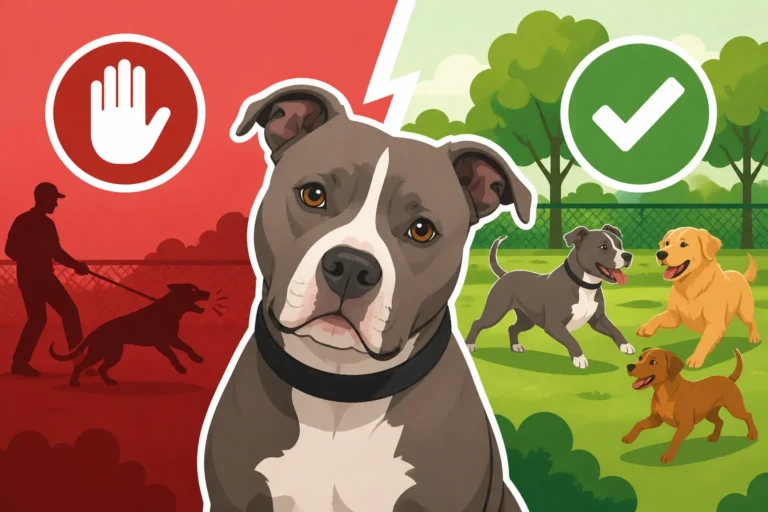
For Pit Bulls who get overly excited around other dogs or people in public, structured socialization is key. This isn't just about throwing them into a dog park; it's about controlled, positive exposure. Start by observing from a distance. Take your Pit Bull to a park or busy area, but stay far enough away that they notice other dogs/people but don't react with intense excitement. Reward calm observation. As they remain calm, gradually decrease the distance.
The goal is to teach your Pit Bull that the presence of other dogs or people doesn't always mean immediate, frantic interaction. Sometimes it just means calm coexistence. Use high-value treats to reward calm behavior while others pass by. This method helps your Pit Bull learn self-control in stimulating environments. For dogs that truly struggle with over-arousal around strangers, Socializing a Pit Bull Around Strangers provides excellent depth on how to approach this carefully and safely, avoiding situations that might set your dog up for failure. Remember, positive experiences, built gradually, are what create a well-adjusted, politely greeting dog.
Beyond Training: Managing Expectations and Environment
Even with consistent training, managing enthusiastic greetings is an ongoing process that benefits from thoughtful environmental management and a realistic understanding of your Pit Bull's personality and the public's perception. It's about setting both your dog and yourself up for success.
Understanding the "Why" Behind Over-the-Top Greetings
Often, a Pit Bull's over-the-top greetings stem from a desire for attention, a lack of consistent boundaries, or simply being over-threshold with excitement. When your dog jumps, barks, or whines incessantly, they're communicating. They want to engage, they're happy, and they haven't yet learned how to channel that energy politely. Ignoring the behavior without offering an alternative is only half the solution; you must teach them what to do instead.
Consider whether there are specific triggers. Does your Pit Bull only jump on certain people? Is it only when they're off-leash in a contained area? Or is it a consistent problem everywhere? Identifying these patterns can help you tailor your training. For instance, if they only jump on your husband but not you, it suggests a lack of consistent rules within the household, not necessarily an inherent "bad" behavior from the dog. This type of analysis allows you to pinpoint where the boundaries are breaking down and focus your efforts effectively. A Pit Bull That Greets Too Enthusiastically is a common search for owners dealing with this, highlighting the widespread nature of this behavioral challenge.
Managing Public Interactions and Perception
When you have a Pit Bull, you often walk a tighter line in public. An enthusiastic greeting that might be brushed off as "cute" from a smaller, fluffier dog can be perceived very differently when it comes from a powerful, muscular Pit Bull. This means your management and training need to be top-tier, not just for your comfort but for public perception and your dog's safety. Always err on the side of caution. If your Pit Bull is prone to jumping, keep them on a short leash in public and proactively prevent greetings until you can confidently manage them.
Teaching a solid "leave it" or "wait" command can be invaluable for passing people or other dogs calmly. If someone approaches and asks to pet your dog, it's perfectly fine to say, "We're working on calm greetings, please wait for him to sit." Educate people gently on how to interact properly. Remember, every calm, polite interaction your Pit Bull has in public helps chip away at misconceptions and builds their reputation as a well-behaved companion. Carrying a muzzle and having your Pit Bull muzzle-conditioned is also a responsible choice, not necessarily because they are aggressive, but as a safety measure and a tool to manage public perception if you are in an area with breed-specific rules or an emergency situation arises.
Continued Training and Reinforcement
Training is never truly "done." Maintaining polite greetings requires ongoing practice and reinforcement throughout your Pit Bull's life. Randomly reward calm greetings, even when you haven't explicitly asked for them. Continue to practice the sit-to-greet protocol with friends and family. As your Pit Bull ages and matures, their exuberance might naturally temper, but consistent reinforcement ensures good habits remain.
Don't forget the power of mental exercise. A tired Pit Bull is often a well-behaved Pit Bull. Incorporate puzzle toys, scent work, and regular training sessions into their routine to provide mental stimulation that can help reduce overall arousal levels, making them less likely to explode into an excited greeting. Indoor Trick Work for a Bored Pit Bull or engaging them with durable chew toys found on Amazon can keep their minds busy and their bodies calmer when guests arrive. It's all part of a holistic approach to raising a well-mannered Pit Bull who can confidently and calmly greet the world.
Disclaimer
This article is for general informational purposes only and does not constitute professional advice. Laws, prices and regulations vary by location and change over time. Consult a qualified professional for guidance on your specific situation.