Therapy Dog Work With a Pit Bull
Many of you out there know the incredible love, loyalty, and gentle spirit that a Pit Bull brings into your home. You see their potential, their eager-to-please nature, and their uncanny ability to connect with people on a deep level. But then you hear the whispers, or perhaps even outright statements, that dogs like yours could never be therapy dogs due to unfair stereotypes. It's frustrating, heartbreaking even, when your beloved companion, brimming with love, is judged before anyone even gets to know them. This guide is here to tell you that not only can a Pit Bull become a certified therapy dog, but they can be absolutely phenomenal at it, and we'll walk through exactly how to make that dream a reality.
Understanding the Misconceptions Around Pit Bulls and Therapy Work
Let’s be honest, the road to becoming a therapy dog for a Pit Bull type dog often feels like an uphill battle. The public perception, fueled by decades of negative media and breed-specific legislation, casts a long shadow. This can lead to extra scrutiny, skepticism from organizations, and even outright bans in some facilities where therapy dogs might visit. It’s not fair to the individual dog, or to you as their dedicated owner, but understanding this reality is the first step in navigating it successfully. Your dog might be the calmest, most gentle soul, yet the label alone can unfortunately create barriers.
Overcoming Breed Stereotypes
The term "Pit Bull" itself is loaded with misconceptions, often conjuring images far removed from the sweet, affectionate dogs many of us share our lives with. When people think of a therapy dog, they typically envision a Golden Retriever or a Labrador. While these breeds make wonderful therapy dogs, the mental image often excludes Pit Bulls. This isn't about your dog's actual behavior; it's about preconceived notions that have unfortunately become ingrained in society. Every time your Pit Bull performs beautifully in public, they're not just being a good dog; they're actively working to chip away at these stereotypes, one positive interaction at a time. It’s an extra responsibility that comes with owning these magnificent dogs, but also an incredible opportunity to change hearts and minds.
The Importance of Temperament Over Breed
Here's the absolute truth: a dog's suitability for therapy work is 100% about their individual temperament and training, not their breed label. A calm, stable, friendly, and predictable Pit Bull is infinitely more suited to therapy work than a skittish or overly excitable Golden Retriever. Reputable therapy dog organizations understand this and prioritize behavior assessments over breed identification. What matters is how your dog reacts to new people, unusual sights and sounds, different types of touch, and unpredictable situations. If your Pit Bull can maintain composure and demonstrate gentle engagement, their breed becomes secondary to their outstanding character. This is where your dedicated training and understanding of your dog's personality truly shine.
Essential Qualities for a Therapy Pit Bull
So, what exactly are we looking for in a Pit Bull candidate for therapy work? It's more than just being "nice." Therapy dogs need a specific set of traits that allow them to thrive in often challenging and unpredictable environments, all while providing comfort and joy.
Calmness and Gentle Demeanor
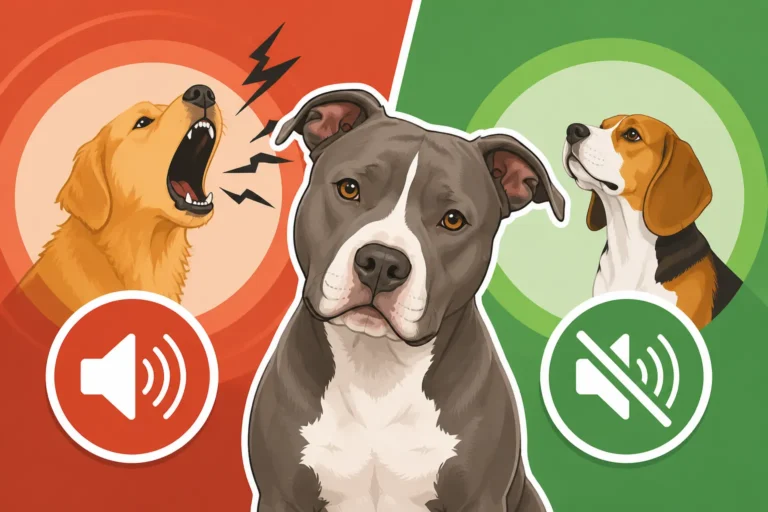
A therapy dog needs to be unflappable. They'll encounter people who are sick, elderly, emotionally vulnerable, or disabled. This means they must remain calm when faced with loud noises, sudden movements, medical equipment, wheelchairs, or even people crying. A gentle demeanor is crucial; they should approach people calmly, offer gentle nudges, and respond to petting with relaxed body language. They shouldn't jump up in excitement, mouth at hands, or get easily startled. Think of a dog that can lie quietly at someone's bedside for an extended period, absorbing their sadness or simply offering a warm, furry presence without demanding constant attention. This level of zen comes from a combination of natural disposition and consistent, positive training.
Sociability and Handling Tolerance
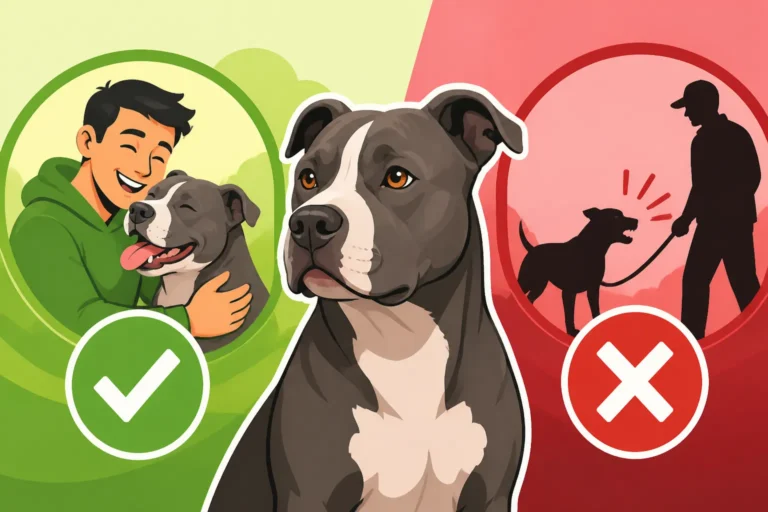
Therapy dogs will meet countless strangers, each with their own way of interacting. They need to genuinely enjoy meeting new people, no matter their age, appearance, or physical ability. This includes being comfortable with people who might not know how to interact with dogs, who might be clumsy, or who might even accidentally pull an ear or tail (under supervision, of course). Your Pit Bull must tolerate being petted all over their body, including their paws, tail, and head, without any signs of discomfort or stress. Think about how a child might clumsily hug a dog, or how an elderly person with limited mobility might stroke them awkwardly. Your dog needs to meet these interactions with patience and grace. Proper socialization from a young age is absolutely key here. This early exposure helps them build confidence around all sorts of people and situations, a foundation that you can reinforce with ongoing training. Socializing a Pit Bull Puppy Thoroughly is a great resource to help ensure this foundation is solid.
Reliability and Predictability
In therapy settings, safety and trust are paramount. A therapy dog needs to be utterly predictable in their responses. This means excellent obedience skills, responding reliably to commands like "sit," "stay," "down," "come," and "leave it" in distracting environments. They should walk politely on a loose leash, ignoring other dogs, people, or interesting smells. Their behavior shouldn't be erratic or prone to sudden changes. This reliability ensures that the facility staff, the people they visit, and you, their handler, can trust them completely in any situation. This level of training takes dedication and consistency, often going beyond basic pet obedience to include Training a Pit Bull to a Higher Standard Than Other Dogs. Many owners find programs like those offered by BAXTER & Bella incredibly helpful in building this strong, reliable foundation, with structured lessons that guide you through each stage.
The Path to Becoming a Certified Therapy Dog
So, you believe your Pit Bull has these amazing qualities? Fantastic! Now, let's talk about the practical steps to getting them certified and ready to make a real difference.
Foundation Training and Socialization
The journey begins long before you even think about official certification. It starts with basic obedience and extensive socialization. Your Pit Bull needs to be a truly well-mannered canine citizen first. This means:
- Puppy Classes: Early exposure to other dogs (vaccinated and healthy, of course) and various people is invaluable. These classes also start building that crucial bond and communication between you and your dog.
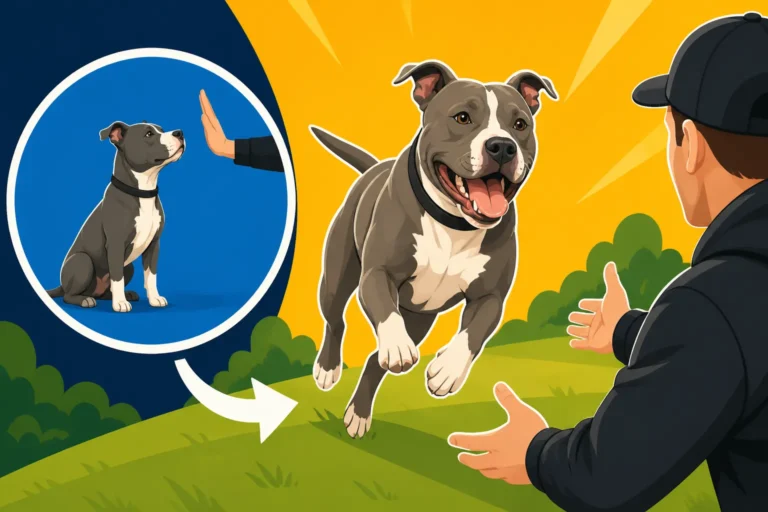
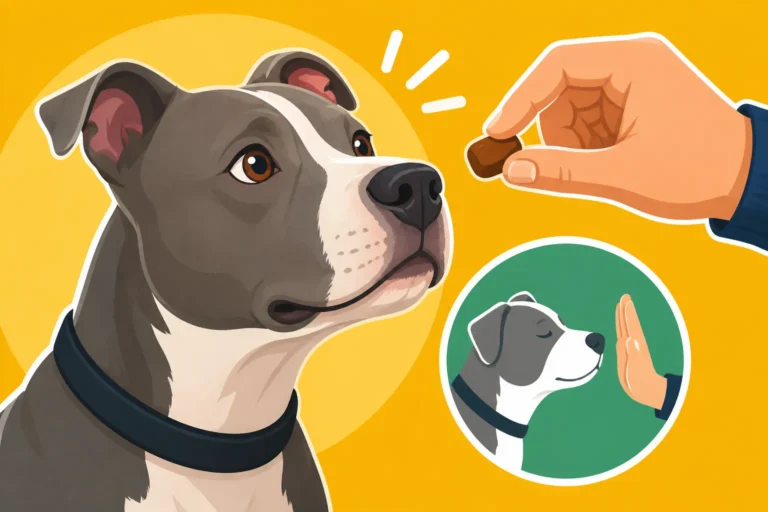
- Basic Obedience: Commands like "sit," "stay," "down," "come," and "walk nicely on a leash" are non-negotiable. Practice these in different environments—at home, in the park, even a pet-friendly store. The more diverse the training ground, the more robust your dog's understanding.
- Exposure to Novelty: Gently expose your Pit Bull to all sorts of sights, sounds, and smells. Think about wheelchairs, crutches, loud unexpected noises (like a dropped tray), different flooring textures, and people wearing hats, glasses, or uniforms. Positive associations are key here; reward calm curiosity. You might find sturdy, comfortable harnesses and leashes for these training excursions on Amazon that help manage your strong Pit Bull securely and comfortably.
- Handling Drills: Regularly practice handling your dog's paws, ears, tail, and mouth. Make it a pleasant experience with treats and praise. This builds their tolerance for being touched in various ways, which is essential for therapy visits.
For many Pit Bull owners, pursuing the Canine Good Citizen (CGC) title is an excellent stepping stone. The CGC test evaluates a dog's manners and reliability in everyday situations, covering many of the foundational skills needed for therapy work. Getting a Pit Bull Ready for the CGC is a fantastic goal to work towards.
Advanced Skills and Public Access Training
Once your Pit Bull has mastered the basics and shows a consistent, calm temperament, it's time to refine those skills for public access. Therapy dogs aren't just well-behaved; they are exemplary in public.
- Advanced Obedience: This might include holding a "down-stay" for extended periods with distractions, performing commands from a distance, and perfecting their "leave it" command for tempting dropped items.
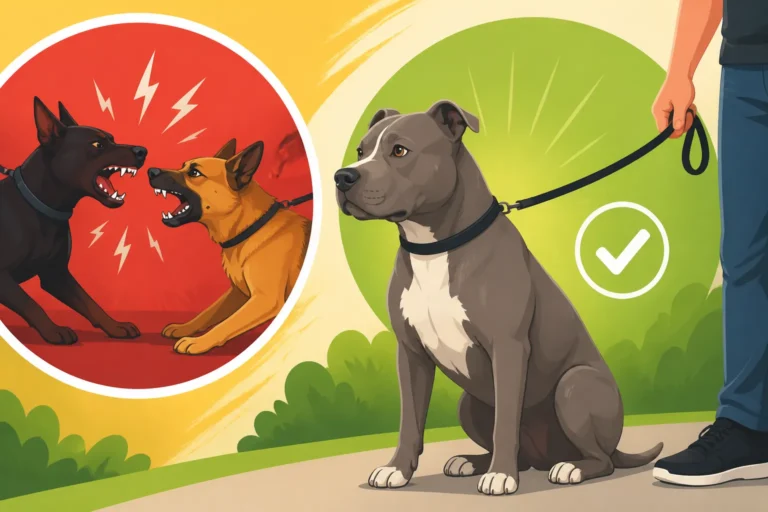
- Refined Leash Manners: They need to walk perfectly on a loose leash, even in crowded or stimulating environments. No pulling, no lunging, no sniffing every distraction. This is critical for navigating busy hallways in hospitals or nursing homes. Pit Bull Leash Manners and Physical Strength often requires specific training approaches given their power.
- Greeting Etiquette: Your dog needs to greet people politely, usually with all four paws on the floor, and remain calm during interactions. They shouldn't be overly enthusiastic, demand attention, or jump. Teaching a Pit Bull to Greet Calmly is a core skill for any therapy dog.
- Simulated Environments: Practice in places that mimic therapy settings. Visit quiet parks, pet-friendly hardware stores, or even designated "therapy dog prep" classes where you can expose your dog to props and scenarios they might encounter. The goal is to make these experiences commonplace, so nothing fazes them on actual visits.
This phase is where professional guidance can be incredibly valuable. Look for trainers who have experience with therapy dog preparation and, ideally, with Pit Bulls. They can provide insights into your dog's body language and help fine-tune responses. Vetting a Trainer Before Booking a Pit Bull is a critical step to ensure you find someone knowledgeable and supportive.
Choosing a Therapy Dog Organization and Evaluation
Once you and your Pit Bull are consistently demonstrating all these qualities, it’s time to seek out a therapy dog organization. There are several reputable national and local organizations that certify therapy teams.
- Research Organizations: Look into groups like Therapy Dogs International (TDI), Pet Partners, or Alliance of Therapy Dogs (ATD). Each has slightly different requirements, evaluation processes, and volunteer opportunities. Check their websites for detailed guidelines. They will typically have information on what kinds of facilities they serve and what their insurance covers.
- Evaluation Process: The evaluation will typically test your dog's obedience, temperament, and ability to handle various stimuli. They'll assess how your dog reacts to strangers, loud noises, people using medical equipment, and other dogs. The evaluator is looking for a dog that is calm, confident, and eager to interact positively with people. They're also evaluating you as the handler, ensuring you can read your dog's body language and advocate for them. Understanding Reading Pit Bull Body Language Before a Greeting is a crucial part of being an effective therapy dog handler.
- Ongoing Commitment: Certification isn't a one-time event. Most organizations require annual re-certification or proof of continuing education and health checks. Therapy dog work is a continuous commitment to excellence in behavior and well-being for both you and your Pit Bull. Some organizations may even recommend Why Every Pit Bull Should Be Muzzle Trained as a part of their public access protocol, especially for breeds that face public scrutiny, not because the dog is aggressive, but to manage public perception and ensure comfort for all.
Real-World Experiences and the Impact of Therapy Pit Bulls
The impact of a certified therapy Pit Bull is profound, not just for the individuals they visit, but for changing societal perceptions. Every gentle paw offered, every soft nuzzle, every quiet presence challenges the misconceptions head-on.
Bringing Comfort to Those in Need
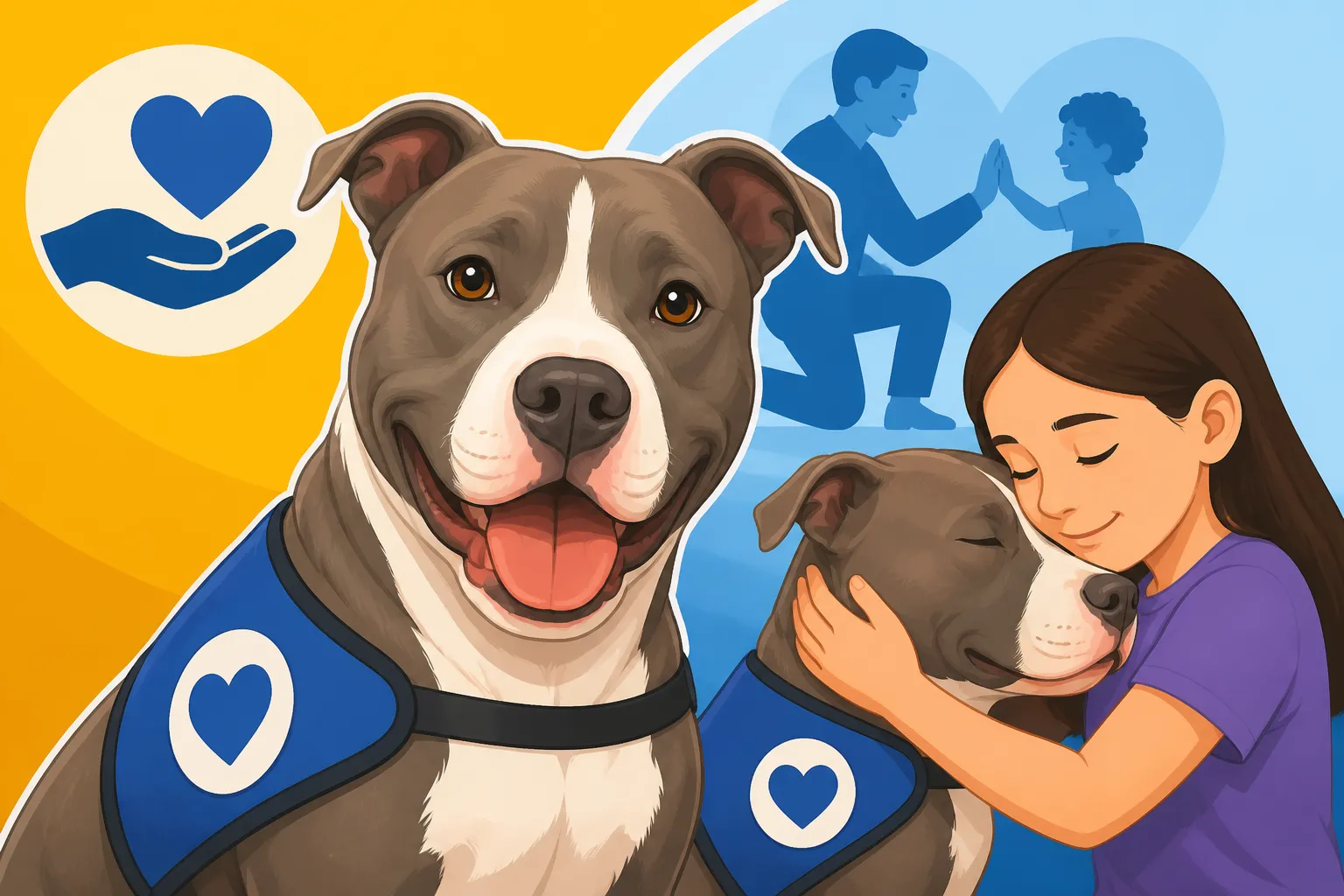
Imagine a child recovering from surgery, anxious and scared. Then, a strong, muscular, yet incredibly gentle Pit Bull named Bella quietly steps into the room, lays her head on the bed, and offers a soft lick to the child's hand. That moment of connection, that unconditional acceptance, can be incredibly healing. Or picture an elderly resident in a nursing home, perhaps struggling with memory loss, whose eyes light up at the sight of a familiar, loving Pit Bull. They might recall a dog from their own past, or simply find solace in stroking soft fur and feeling a warm presence. Pit Bulls, with their often expressive faces and deep, soulful eyes, have a unique way of drawing people in and offering comfort that transcends words. Their physical strength, often unfairly maligned, can translate into a grounding presence for those who feel fragile or alone.
Challenging Perceptions One Visit at a Time
Beyond the individual comfort they provide, therapy Pit Bulls are powerful ambassadors for their breed. Each successful visit, each positive interaction, helps to dismantle the unfair stereotypes that plague them. When a hospital staff member, initially hesitant, sees a Pit Bull calmly navigating their facility and bringing smiles to patients, their perspective shifts. When a volunteer at a school reading program witnesses a Pit Bull patiently listening to a shy child read aloud, the narrative begins to change. These dogs are living proof that character, not breed, defines a dog. They demonstrate that love, patience, and good training can overcome any prejudice. It’s a slow process, but the dedication of Pit Bull owners who commit to therapy work is one of the most effective forms of advocacy out there, proving daily that The Advice Experienced Pit Bull Owners Give about training and socialization is invaluable.
The journey to becoming a therapy team with your Pit Bull is demanding, requiring immense dedication and a thick skin against judgment. But for those who embark on it, the rewards are immeasurable. You're not just providing comfort; you're changing the world, one wagging tail and one loving glance at a time.
Disclaimer
This article is for general informational purposes only and does not constitute professional advice. Laws, prices and regulations vary by location and change over time. Consult a qualified professional for guidance on your specific situation.