Trainer Rates for a Strong Pulling Pit Bull
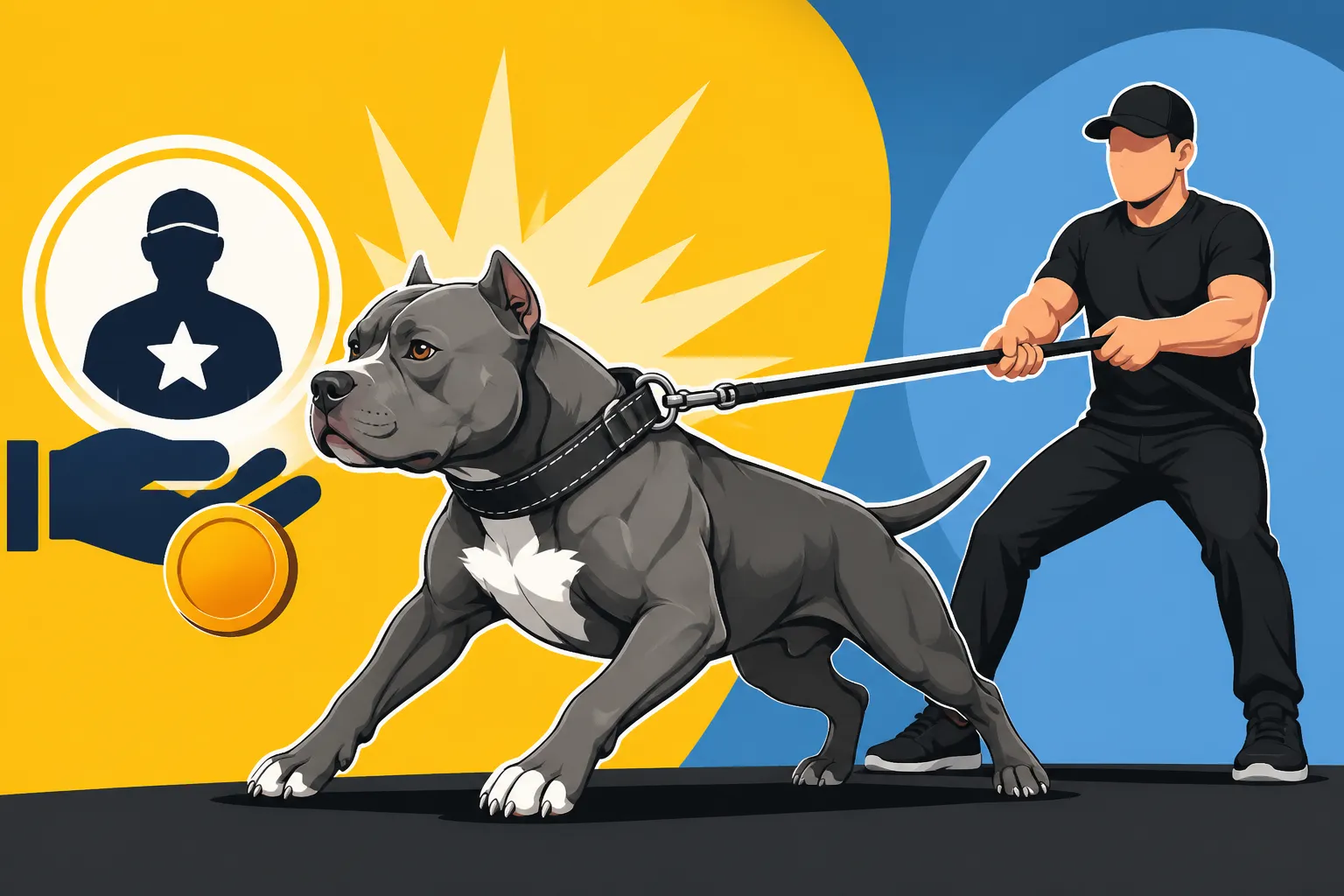
It’s a familiar scenario for many Pit Bull owners: that moment when your powerful, enthusiastic companion spots a squirrel, another dog, or just a particularly interesting scent, and suddenly you’re being dragged down the sidewalk, feeling your shoulder strain and your patience wear thin. This isn't just frustrating; it can be downright dangerous for both you and your dog. You’re not alone in wishing for smoother, calmer walks, and this guide is here to break down what it typically costs to get professional help for a strong pulling Pit Bull, exploring various training options and the factors that influence their rates.
Why a Pit Bull's Strength Impacts Training Needs and Cost
Let's be real, a Pit Bull’s physical prowess is one of their most defining characteristics. They are often muscular, compact dogs with a low center of gravity, which translates to incredible pulling power. When a 50 to 70-pound Pit Bull decides to lunge, it can feel like trying to anchor a small boat in a storm. This isn't just about general obedience; it requires specialized strategies to manage that innate strength effectively and safely.
The Reality of a Powerful Puller
Many folks get a puppy, imagine pleasant strolls, and then quickly realize their adult Pit Bull has different ideas about leash walking. It's not a matter of malicious intent; it's often a combination of instinct, excitement, and a lack of consistent, effective training in managing their drive. The sheer force your dog can generate means that a simple "heel" command often isn't enough when faced with high-value distractions. You need more than just basic manners; you need methods that respect and redirect that powerful build. This means trainers often need to dedicate more time and employ specific equipment and techniques tailored to larger, stronger breeds.
Think about it: a gentle tug on a tiny Chihuahua's leash is very different from attempting to correct a determined Pit Bull lunging after a rabbit. The tools, the physical technique, and the amount of repetition required for a Pit Bull often exceed what's needed for a less physically imposing dog. A trainer who understands these dynamics won't just teach commands; they'll help you build robust communication and handling skills that can stand up to your dog's strength, ensuring you're not constantly being overpowered. If you're struggling with this, you're not failing; you're dealing with a powerful animal that needs specific guidance. For a deeper dive, check out our article on Pit Bull Leash Manners and Physical Strength.
Beyond Basic Obedience for Strong Pullers
While all dogs benefit from foundational obedience, a strong pulling Pit Bull often needs training that goes several steps further. We're talking about advanced leash handling, impulse control exercises, and desensitization to triggers that make them pull. This isn't just about teaching "sit" and "stay"; it's about building a solid "loose leash walk" foundation that can withstand real-world distractions. A good trainer will focus on consistency, reward systems, and making sure the human on the other end of the leash has the confidence and technique to guide their powerful companion.
Often, what starts as a simple pulling issue can evolve into other challenges if not addressed, like reactivity on leash because the dog feels frustrated or overwhelmed. A trainer specializing in strong breeds will often include elements of focus work, structured walks, and even environmental management, helping you understand your dog’s specific motivations for pulling and how to proactively manage them. This comprehensive approach naturally takes more time and expertise, which influences the overall training investment.
Types of Training Programs and Their Pricing Structures
Just like finding the right school for a child, finding the right training program for your Pit Bull means exploring different formats, each with its own benefits and cost structure. What works best for you and your dog might depend on your schedule, your budget, and the severity of the pulling issue.
One-on-One Coaching Sessions
Private training sessions, often conducted in your home or at a trainer's facility, are typically the most personalized and, consequently, the most expensive per hour or session. These sessions allow the trainer to focus entirely on your Pit Bull's specific challenges and your handling skills. You'll get direct feedback, hands-on practice, and customized homework assignments. For a strong pulling Pit Bull, this can be invaluable because the trainer can immediately address the nuances of your dog's pulling, your body mechanics, and the environmental factors in your neighborhood.
The rates for private sessions can vary widely based on the trainer's experience, certifications, and location. Many trainers offer package deals, such as 4-6 sessions at a slightly reduced rate compared to booking individual appointments. While the upfront cost might seem higher, the focused attention can often lead to faster progress for complex issues. It's worth remembering that these sessions are as much about training you as they are about training your dog, equipping you with the skills to maintain good leash manners long-term. When looking for a trainer, consider our tips on Vetting a Trainer Before Booking a Pit Bull.
Group Classes for Socialization and Skill Building
Group classes are a more budget-friendly option and can be excellent for dogs that need general obedience skills and supervised socialization. These classes are typically structured as a course over several weeks (e.g., 6-8 sessions) and cover basic commands, loose-leash walking foundations, and impulse control in a distracting environment. While they offer less individualized attention than private sessions, the presence of other dogs and people can be a huge benefit for a Pit Bull learning to focus in varied settings.
For a strong pulling Pit Bull, group classes can provide a controlled environment to practice walking politely with distractions. However, if your dog's pulling is severe, or if they react strongly to other dogs, you might find that the group setting is too overwhelming to start with. In such cases, some private sessions might be beneficial first to build a solid foundation before transitioning to a group environment. The cost for a multi-week group class is generally significantly less than a comparable number of private sessions, making it a popular choice for many owners.
Intensive Board-and-Train Options
Board-and-train programs involve sending your Pit Bull to live with a professional trainer for an extended period, typically ranging from two weeks to a month or more. During this time, the dog receives intensive, consistent training in a structured environment. This option can be highly effective for addressing significant behavioral challenges, including severe pulling and reactivity, as the trainer can work with the dog daily, sometimes multiple times a day, without the owner's ingrained habits getting in the way initially.
The cost for board-and-train programs is considerably higher than private or group lessons, reflecting the around-the-clock care, training, and the expertise involved. These programs are an investment, but they can offer a jump-start on training for owners who are struggling to make progress on their own, or who have busy schedules. Upon your dog's return, a reputable board-and-train program will include detailed "go-home" sessions to teach you how to maintain the training and continue building on the foundation your dog has established. Remember to always ask about the trainer's methods, ensuring they align with positive reinforcement principles.
Factors Influencing Trainer Rates
The rates you encounter for Pit Bull training aren't just pulled out of thin air. Several key factors contribute to how trainers price their services, and understanding these can help you manage your expectations and budget effectively.
The Trainer's Experience and Certifications
Just like in any profession, a trainer's experience level and formal certifications play a huge role in their pricing. A highly experienced trainer, especially one specializing in strong breeds or complex behavioral issues, will command higher rates. Look for trainers with credentials from recognized organizations, as these often indicate a commitment to ethical, up-to-date, and effective training methodologies. Certifications might include Certified Professional Dog Trainer (CPDT-KA), Karen Pryor Academy Certified Training Partner (KPA CTP), or memberships in professional organizations.
Trainers who have invested in continuing education, attended seminars, and consistently refined their skills will understandably charge more for their expertise. They bring a deeper understanding of canine behavior, learning theory, and practical application, which can be crucial when dealing with a powerful dog like a Pit Bull. Their ability to troubleshoot problems, adapt techniques on the fly, and provide comprehensive guidance often makes the higher cost a worthwhile investment for lasting results. It's not just about what they do, but how effectively and safely they do it.
Geographic Location and Market Rates
Where you live significantly impacts the cost of dog training. Trainers in major metropolitan areas with a higher cost of living and stronger demand for services will typically charge more than those in rural or less populated regions. The local market rates are also influenced by the number of trainers available and the average income in the area. It’s simply supply and demand coupled with operating costs.
For instance, a private session in New York City or Los Angeles will likely cost more than a similar session in a smaller town in the Midwest. When you're researching, it’s a good idea to get quotes from several trainers in your specific geographic area to get a feel for the local pricing landscape. This will help you establish a realistic budget for your Pit Bull's training.
Specialized Skills for Strong Breeds
Training a strong pulling Pit Bull often requires more than just general obedience knowledge. It demands an understanding of canine biomechanics, advanced leash handling techniques suitable for powerful dogs, and a nuanced approach to building impulse control. Trainers who have specific experience with Pit Bulls and similar strong breeds often possess these specialized skills. They know which tools work best (such as front-clip harnesses or head halters – you can read more about these in Harnesses and Head Halters for a Pit Bull), how to read the body language of a powerful dog, and how to structure training sessions to maximize focus and minimize frustration for both dog and owner.
These specialized trainers might also be proficient in using high-value rewards effectively, understanding that not just any treat will motivate a focused Pit Bull in a distracting environment. For ideas on what works, check out High-Value Treats That Hold a Pit Bull's Focus. Their expertise in managing strength and drive, rather than trying to suppress it, is a valuable asset and contributes to their pricing. It’s often worth paying a bit more for a trainer who truly understands the specific challenges and strengths of your Pit Bull.
Making the Investment in Your Pit Bull's Leash Manners
Investing in professional training for your Pit Bull’s pulling can feel like a significant expense, but it’s an investment in your shared future, safety, and enjoyment. Beyond the immediate benefit of calmer walks, there are long-term advantages that extend to your dog's overall well-being and your relationship with them.
The Long-Term Benefits of Professional Guidance
Think beyond just "stopping the pulling." Professional training, especially with a positive reinforcement approach, builds a foundation of trust and communication. When your Pit Bull learns to walk politely on a leash, it opens up a world of possibilities: enjoying urban strolls, hiking on trails, and calmly visiting friends or family. This improved behavior can reduce stress for both of you, minimize the risk of injury, and even enhance your dog's social skills. It also reinforces the idea that you are a reliable leader, fostering a more harmonious household.
A well-trained Pit Bull is also a fantastic ambassador for the breed, helping to counteract misconceptions. When people see a strong, focused, and polite Pit Bull walking calmly with its owner, it challenges stereotypes. The initial financial outlay for training can lead to years of enjoyable outings and a deeper bond with your dog, making it a truly worthwhile investment in their quality of life and yours.
Budgeting for Training and Supplies
When budgeting for dog training, remember it’s not just the trainer's fee. You'll likely need durable leashes and collars (consider Leads and Collars That Will Not Fail on a Pit Bull), a comfortable and effective harness, and a steady supply of high-value treats. Online retailers like Chewy are great places to find these supplies, often with options for bulk purchases that can save you money in the long run. Many training programs also strongly recommend having specific items on hand.
Furthermore, consistent practice at home is crucial. Factor in the time commitment needed to reinforce lessons learned with the trainer. Some owners find that incorporating fresh, high-quality food from services like Ollie into their training treats can be a game-changer for motivation, though this adds to food costs. While the direct training sessions are a primary cost, remember the ongoing need for quality tools and consistent reinforcement to solidify those good habits. A breakdown of potential costs is shown below.
| Training Type | Structure | Typical Cost Shape | Key Benefits | Considerations |
|---|---|---|---|---|
| Private Sessions | Per hour/session | Higher per session | Highly customized, focused on specific issues. | Most expensive; requires owner's active participation. |
| Group Classes | Per course | Lower per session | Socialization, foundational skills, distractions. | Less individualized; might be overwhelming for some. |
| Board-and-Train | Per week/program | Most expensive overall | Intensive, consistent training, jump-starts progress. | Dog is away from home; owner must learn maintenance. |
Note: These cost shapes are generalizations. Actual rates vary significantly by trainer, region, and program specifics. Always get direct quotes.
When to Consider Pet Insurance for Behavioral Support
It's a common misconception that pet insurance covers all forms of dog training. Generally, standard pet insurance policies, even from providers like Healthy Paws, do not cover basic obedience training or behavioral modification for issues like pulling, which are considered owner-preventable or within the scope of typical pet ownership. However, if your Pit Bull's pulling is a symptom of an underlying medical condition (e.g., pain causing irritability) or if a veterinarian diagnoses a behavioral condition (like severe anxiety or compulsive disorders) and prescribes medication or refers you to a veterinary behaviorist, some pet insurance plans might offer coverage for the veterinary consultations and prescription medications.
It’s crucial to thoroughly read your policy and understand what is and isn't covered. Behavioral issues that escalate to requiring veterinary intervention may sometimes find partial support through insurance, but direct training for leash manners usually falls outside the scope. It’s a good conversation to have with your insurer before any issues arise, so you understand your options. For more information on what pet insurance typically covers, you might find our article on Pit Bull Pet Insurance and Breed Exclusions helpful.
Disclaimer
This article is for general informational purposes only and does not constitute professional advice. Laws, prices and regulations vary by location and change over time. Consult a qualified professional for guidance on your specific situation.