Tug Rules That Keep a Pit Bull Civil
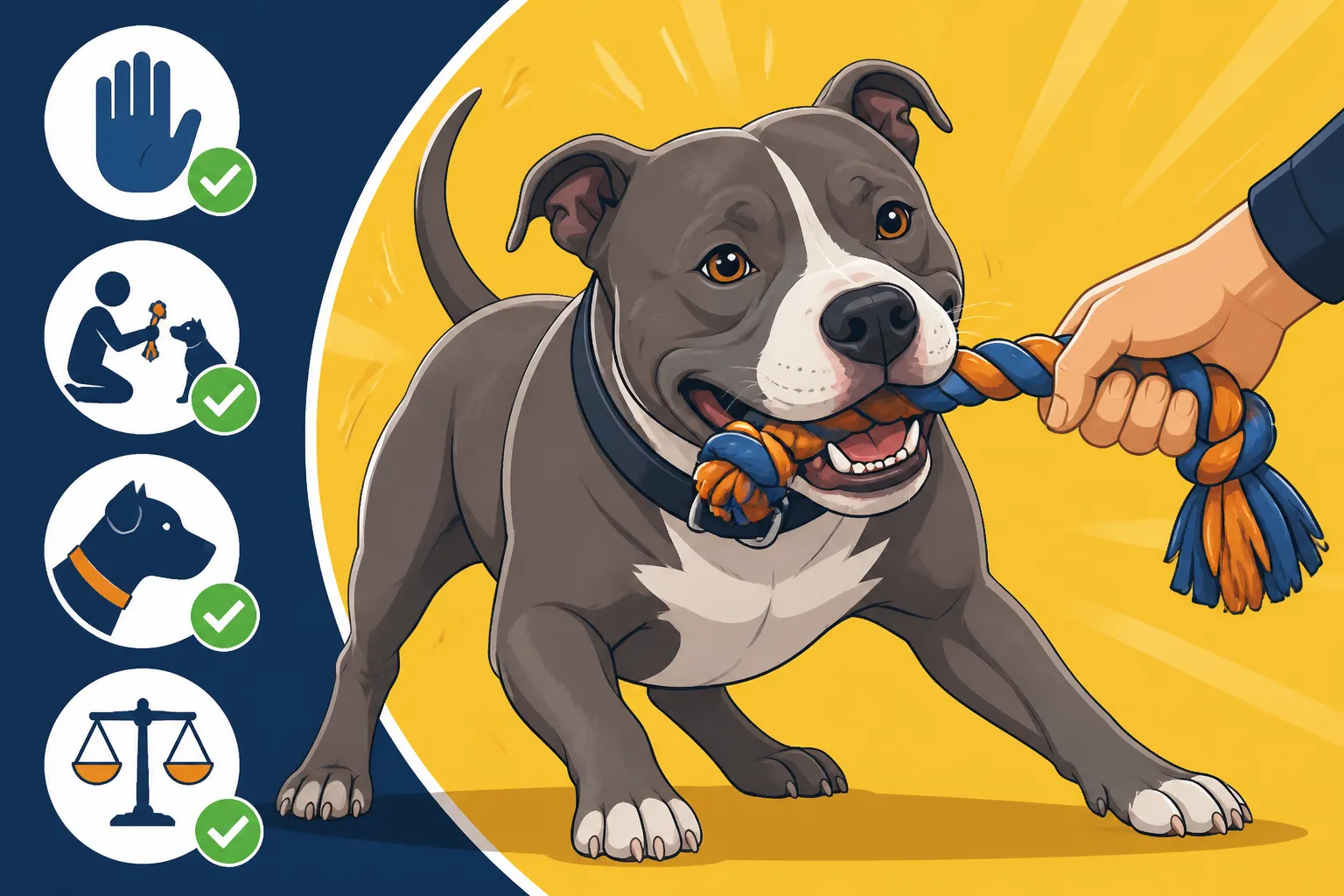
Playing tug with your Pit Bull can be an incredible bonding experience and a fantastic outlet for their energy, but let's be honest, their strength and enthusiasm can sometimes make it feel a bit overwhelming. The good news is, with clear boundaries and consistent communication, tug can remain a fun, civil game where everyone understands the rules, ensuring it's a positive interaction for both you and your powerful companion.
Understanding the Pit Bull's Drive for Tug
Pit Bulls are renowned for their incredible strength, powerful jaws, and inherent drive. These traits, while sometimes misunderstood, make them exceptional partners for games like tug-of-war. For many Pit Bulls, tug isn't just a game; it taps into their natural instincts and offers a robust physical and mental workout.
The Instinct Behind the Game
At its core, the game of tug taps into a dog's natural prey drive. When you hold a rope and wiggle it, your Pit Bull often sees a "prey item" that needs to be caught and "killed." This isn't a bad thing; it's a natural canine behavior. For a breed like the Pit Bull, with generations bred for tenacity and strength, this instinct is often particularly strong. They love the challenge, the physical exertion, and the feeling of "winning" or engaging with their human. It’s an incredibly satisfying release of energy and a fantastic way to build a deeper bond, provided it's managed correctly. Without proper rules, however, that powerful drive can lead to over-arousal or unwanted behaviors.
Why Rules Are Non-Negotiable
Given their sheer physical prowess and enthusiasm, establishing firm rules for tug is not just a good idea for a Pit Bull; it's absolutely essential. An unregulated game of tug can quickly escalate. We've all seen dogs get a little too jazzed during play, maybe jumping up or getting a bit mouthy. With a Pit Bull, whose bite can be incredibly strong, these slips in manners can have more significant consequences, even if accidental. Clear rules prevent over-arousal, reduce the risk of accidental nips, teach impulse control, and reinforce that you are in charge of the game. It ensures that the play is always constructive, building desirable behaviors rather than inadvertently encouraging resource guarding or uncontrolled excitement. Think of it as teaching your dog excellent Pit Bull Leash Manners and Physical Strength even when off-leash in the house.
Essential Rules for Civil Tug Play
To keep tug-of-war a fun and civil game with your Pit Bull, specific rules need to be established and consistently enforced. These aren't about squashing their spirit, but channeling their natural drive into an enjoyable, safe activity.
"Take It" and "Leave It" as Foundation Commands
These two commands are the absolute bedrock of civil tug play. Your Pit Bull needs to understand that the game begins and ends on your terms, and that the toy is yours until you offer it.
To teach "Take It," simply present the tug toy, say "Take It!" enthusiastically, and let your dog grab it. Praise them as they do. This command is usually easy for most Pit Bulls as it aligns with their natural inclination to grab the toy. The real challenge, and the most crucial command for safety, is "Leave It." Start by holding the toy loosely, allowing your dog to tug. After a few seconds, stop tugging, hold the toy still, and say "Leave It!" or "Drop It!" in a calm, firm voice. When your dog releases the toy, immediately reward them with a high-value treat – something they absolutely adore, perhaps a small piece of a fresh food option like Ollie. Do not restart tug right away. This teaches them that letting go of the toy results in a reward, not just the end of fun. If they don't let go, stop playing completely, hide the toy behind your back, and wait a moment. Re-engage only when they are calm and willing to release. This builds crucial Building a Pit Bull's Impulse Control.
Consistency is paramount here. If your dog doesn't drop the toy on command, the game stops immediately. No exceptions. This teaches them that the consequence of not listening is the cessation of play, which they want to avoid. Regularly practice these commands even outside of tug play, perhaps with other toys, to generalize the behavior. When you're looking for durable tug toys, places like Chewy offer a fantastic selection that can withstand a Pit Bull's powerful jaws and make training more engaging with varied textures and shapes.
No Teeth on Skin
This is a non-negotiable rule. Your Pit Bull's teeth should never touch your skin during tug play, not even accidentally. Their powerful jaws mean that what might be a playful nip from a smaller, less powerful dog could be a serious injury from a Pit Bull.
From the very first game of tug, make it clear that teeth on skin is an absolute no-go. If your Pit Bull's teeth accidentally scrape your hand, even lightly, make a sharp "ouch!" sound, immediately drop the toy, and cease all play. Turn your back and ignore them for 10-15 seconds. The game should only resume when they are calm and you can re-engage without any contact with your skin. This teaches your dog that rough mouth behavior instantly ends the fun. It’s similar to how you would approach Pit Bull Puppy Biting and Bite Inhibition when they are young, consistently redirecting to appropriate chew items.
If this happens repeatedly, it might mean your dog is becoming over-aroused and needs a break, or perhaps the session needs to be shorter. Always ensure there's a clear barrier between your hands and their mouth, like a long, sturdy tug toy. You can find excellent, robust Chew Toys That Hold Up to a Pit Bull on platforms like Amazon, specifically designed for strong chewers.
Four Paws on the Floor
A strong Pit Bull jumping up during play can be quite impactful, especially for children or less stable individuals. To ensure civil play, your Pit Bull must keep all four paws on the floor.
If your Pit Bull jumps up while playing tug, the game stops instantly. Do not say anything, do not push them down. Simply drop the toy and turn your back. Wait until all four paws are back on the ground and they have calmed down before you even consider restarting the game. This teaches them that jumping ends the fun. It takes away the reward (the game) for the unwanted behavior (jumping). You might need to start with shorter, calmer sessions to ensure they can maintain their composure.
For dogs that are particularly prone to jumping, consider starting tug play in a seated position or with your dog in a "sit" or "down" stay before you even present the toy. This reinforces calm behavior and makes it easier for them to keep their feet on the ground. A strong foundation in Positive Reinforcement Training With a Pit Bull will be invaluable for teaching these rules effectively.
Initiating and Ending the Game
You, the human, should always initiate and end the game of tug. This reinforces your role as the leader and ensures that play happens on your terms, preventing your Pit Bull from demanding attention or becoming pushy.
To initiate the game, wait until your Pit Bull is calm and not soliciting attention. Then, pick up the tug toy, give your "Take It!" command, and start playing. Avoid playing if your dog nudges you with the toy, barks at you, or paws at you. This teaches them that demanding behavior does not get results. The game is a privilege, not an entitlement.
To end the game, use your "Leave It!" or "Drop It!" command. Once they release the toy, praise them, give a final treat, and put the toy away out of reach. Do not leave tug toys lying around where your dog can access them freely. This elevates the value of the toy and ensures that tug is always a structured, engaging activity rather than something they can do whenever they please. This structure is a key part of setting proper boundaries and is an important aspect of overall Pit Bull Training and Certification Costs, as it contributes to a well-behaved dog.
Implementing and Reinforcing the Rules
Establishing these rules is only half the battle; consistent implementation and reinforcement are where the real magic happens. This means being vigilant and ensuring everyone in the household is on the same page.
Short, Controlled Sessions
For a powerful and enthusiastic breed like the Pit Bull, short, controlled tug sessions are far more effective than long, free-for-all marathons. Aim for sessions that last no more than 3-5 minutes, especially when you're first teaching the rules. Longer sessions can lead to over-arousal, where your Pit Bull gets so worked up that their impulse control goes out the window.
Think of it like this: a few intense, focused bursts of play where they follow all the rules are much better for their training and mental stimulation than one long, chaotic session. Ending the game while your dog is still eager to play, rather than when they're exhausted or over-stimulated, is also beneficial. It leaves them wanting more, making them more likely to respond positively to your commands in the next session. Always ensure they get other forms of The Daily Exercise a Pit Bull Actually Needs to burn off energy in a less intense manner, like walks or fetch.
Consistency is Key
This cannot be overstated: every single person who plays tug with your Pit Bull must adhere to the exact same rules, every single time. If one person allows teeth on skin or lets the dog initiate play, it undermines all the hard work you've put in. Dogs thrive on consistency and clear expectations. Inconsistency creates confusion, making your Pit Bull wonder why the rules change depending on who they're playing with.
Hold a family meeting and ensure everyone understands the commands ("Take It," "Leave It"), the zero-tolerance policy for teeth on skin, and the "four paws on the floor" rule. Practice together. If children are playing, supervise closely and ensure they are physically capable of holding the toy safely and enforcing the rules. If you have any doubts about a child's ability, it's best for an adult to supervise or for children to engage in other types of supervised play. Clear and consistent boundaries are crucial for shaping Pit Bull Play Style and Rough Games into positive interactions.
What to Do When Rules Are Broken
Despite your best efforts, there will be times when your Pit Bull breaks a rule. The key is how you respond.
If a rule is broken:
- Immediate Cessation of Play: The very second a rule is broken (e.g., teeth touch skin, they jump up, or refuse to drop the toy), the game stops. Instantly. Drop the toy, turn away, and give a short, sharp "no" or "oops!" if necessary, but primarily, the immediate end of fun is the consequence.
- Time-Out: Walk away from your dog for a brief period (10-15 seconds) or even leave the room. This reinforces that the unwanted behavior not only stops the game but also removes your attention, which is often a powerful reinforcer for them.
- Return to Calm: Only restart play when your Pit Bull is calm, settled, and clearly understands what behavior is expected. If they continue to struggle, perhaps the session needs to end for the day, and you can try again later when both of you are feeling more patient.
- Re-evaluate: If a specific rule is repeatedly broken, it might indicate that your dog needs more practice with that particular command in a lower-distraction environment. Sometimes, going back to basics with easier exercises and higher rewards is necessary. For example, if "Leave It" is an issue, practice it with less exciting items before reintroducing the tug toy.
Ultimately, establishing and consistently enforcing tug rules helps manage your Pit Bull's incredible strength and drive, transforming a potentially unruly game into a structured, fun, and mutually rewarding activity that strengthens your bond and builds their manners.
| Tug Play Issue | Why It Happens | Solution |
|---|---|---|
| Refusal to Drop Toy | Dog sees toy as prize, lacks impulse control | Teach "Leave It" with high-value treats; game stops immediately if ignored. |
| Teeth on Skin | Over-arousal, accidental, poor mouth manners | Immediate "ouch!" and stop play; turn away; re-engage only when calm. |
| Jumping Up During Play | Excitement, trying to reach toy, lack of control | Immediately drop toy, turn away; resume only when all four paws are down. |
| Dog Demands Play | Has learned demanding behavior gets attention | Ignore all demands for play; initiate play only when dog is calm. |
| Over-Arousal | Sessions too long, intensity too high | Keep sessions short (3-5 mins); end before dog gets too wild; incorporate calm activities. |
Disclaimer
This article is for general informational purposes only and does not constitute professional advice. Laws, prices and regulations vary by location and change over time. Consult a qualified professional for guidance on your specific situation.