Pit Bull Puppy Biting and Bite Inhibition
Few things are more universally frustrating and concerning for new Pit Bull puppy owners than the incessant, sharp nips and mouths of a teething "land shark." It's easy to feel overwhelmed, wondering if this constant biting is normal or if your energetic little companion is destined for a lifetime of hard mouths. This guide aims to demystify Pit Bull puppy biting, explain the critical concept of bite inhibition, and provide actionable, empathetic strategies to help your puppy develop a soft mouth for life.
Understanding Normal Pit Bull Puppy Biting
Bringing home a new Pit Bull puppy is a whirlwind of joy, boundless energy, and, let's be honest, a whole lot of sharp little teeth. It’s absolutely normal for puppies, especially those with the drive and enthusiasm of a Pit Bull, to explore the world with their mouths. This isn't usually a sign of aggression; it's just how they learn. However, it's crucial to understand this phase to guide them through it effectively and ensure they develop good habits.
Why Puppies Bite: A Natural Exploration
From the moment they're born, puppies use their mouths for everything. They nurse, they explore their littermates, and they test boundaries with their moms and siblings. Their mouths are their primary tool for understanding textures, pressure, and the world around them. When your Pit Bull puppy nips at your fingers, your clothes, or your ankles, they're not trying to be malicious; they're simply investigating and playing in the most natural way they know how. This exploratory biting is a fundamental part of their development, akin to human babies putting everything in their mouths. They're trying to figure out what's food, what's a toy, and what's a body part that elicits a squeal.
It's also how they communicate. A gentle nip might be an invitation to play, while a harder one could mean they're overstimulated or trying to tell you something hurts. Understanding this underlying communication is the first step toward teaching them what is, and isn't, acceptable. The sooner you start, the better, as The Weeks That Shape a Pit Bull Puppy are incredibly influential for their long-term behavior.
The "Sharky" Phase: Instincts at Play
Many puppy owners refer to a certain stage as the "land shark" phase, and it's particularly apt for breeds like Pit Bulls known for their strong jaws and tenacious play. This period, usually peaking between 8 weeks and 5 months, is characterized by relentless nipping, mouthing, and chewing on anything and everything within reach. Their needle-sharp puppy teeth are designed for ripping and tearing, and they're constantly growing and falling out as adult teeth come in, which intensifies the need to chew.
During this time, your Pit Bull puppy is driven by instinct. In a litter, they would be wrestling, tumbling, and biting each other constantly. This rough-and-tumble play teaches them crucial social skills and, importantly, bite inhibition. Without their littermates to provide feedback (usually in the form of a yelp and cessation of play), your puppy will look to you to fill that role. It can be exhausting, feeling like you're constantly fending off a tiny, furry piranha, but remember, it’s a phase rooted in natural puppy development, not aggression. It’s simply your job to gently guide those powerful instincts toward appropriate outlets.
Differentiating Play Biting from Aggression
It's natural to worry when your Pit Bull puppy's nips feel painful. You might wonder if this is a precursor to aggression, especially given the breed's unfair reputation. However, it's vital to differentiate normal puppy play biting from genuine aggressive behavior. Most puppy biting is play-related: it often involves loose, wiggly body language, a "play bow," playful growls that aren't tense, and a willingness to re-engage after a brief pause. The bites might be sharp, but they rarely break the skin or cause deep puncture wounds.
Aggressive biting, even in a puppy, looks and feels different. It's usually accompanied by stiff body language, tense facial expressions, raised hackles, a hard stare, and a refusal to disengage. The puppy might show resource guarding over food or toys, or react with intense fear or anger when approached. If your Pit Bull puppy exhibits these signs, especially combined with growling or snarling that feels genuinely threatening rather than playful, it’s a red flag. In such cases, or if the biting consistently breaks the skin, you should seek immediate guidance from a professional dog trainer or veterinary behaviorist. However, for the vast majority of Pit Bull puppies, the biting you're experiencing is simply enthusiastic, albeit painful, play.
The Critical Role of Bite Inhibition
Teaching bite inhibition is perhaps one of the most important lessons you can impart to your Pit Bull puppy. It's not about stopping them from biting entirely—which is unrealistic and often unnecessary for a healthy dog—but about teaching them how hard they can bite. This skill is a safety net for life, ensuring that even if they do bite in the future, the damage is minimal.
What is Bite Inhibition and Why It Matters for Pit Bulls
Bite inhibition is essentially the ability of a dog to control the force of its jaws when biting. A dog with good bite inhibition understands that human skin is fragile and will modify the pressure of its bite, even during excited play or if startled. Think of it as teaching your puppy to use their mouth gently. They learn this naturally with their littermates: if one puppy bites another too hard, the bitten puppy yelps, stops playing, and withdraws. This teaches the offender that hard bites end the fun.
For Pit Bulls, with their powerful build and strong jaws, bite inhibition is not just important; it's absolutely crucial. While Pit Bulls are often gentle and loving companions, their physical strength means that an uncontrolled bite could cause significant damage. Teaching them to control that strength is a responsible and loving act. It provides a safety mechanism that can prevent serious injury in the unlikely event they feel the need to nip or bite in the future. Imagine a scenario where a child accidentally steps on their paw, or they get startled during a vet visit. A dog with excellent bite inhibition might startle and nip, but it would be a "soft" bite, not one that causes deep wounds. This single skill can change the trajectory of their life and public perception.
The Consequences of Lacking Bite Inhibition
A dog that hasn't learned proper bite inhibition is, frankly, a dangerous dog, regardless of breed. Without this crucial skill, any accidental bite, whether out of fear, pain, or over-excitement, can be severe. If your Pit Bull puppy grows into an adult dog that still bites with full force during play or when startled, it creates significant risks for everyone they interact with, including you, your family, guests, and other animals. This is especially true for a powerful dog like a Pit Bull.
Beyond the immediate safety concerns, a lack of bite inhibition can lead to behavioral problems, social isolation, and even euthanasia. Dogs that bite hard are often unwelcome in dog parks, training classes, or even at the homes of friends and family. It can be incredibly isolating for both the dog and the owner. In worst-case scenarios, a severe bite incident can lead to legal consequences, mandatory muzzling, or even the difficult decision of rehoming or euthanasia. Investing the time in teaching bite inhibition now is an investment in your Pit Bull's entire future, ensuring they can safely and happily coexist in a human world.
How Puppies Learn Bite Inhibition Naturally
Puppies begin learning bite inhibition from their mother and littermates. The mom will correct her puppies with a growl or a gentle snap if they bite too hard while nursing or playing. More importantly, puppies learn from each other. When puppies play, they mouth and nip. If one puppy bites another too hard, the bitten puppy will often let out a sharp yelp, immediately disengage, and sometimes even stop playing entirely. This sudden end to play is a powerful negative consequence for the biting puppy. They quickly learn that if they want the fun to continue, they need to soften their bite.
This natural learning process is why it's so beneficial for puppies to stay with their littermates until at least 8 weeks of age, giving them ample time to learn these critical social skills. When you bring your Pit Bull puppy home, you become their primary teacher in this regard. You need to mimic those natural consequences. This is why tools like the "yelp" method (which we'll discuss next) are so effective, as they speak directly to the puppy's natural learning instincts. If you got your puppy very young or from a situation where they had limited interaction with littermates, you'll need to be extra diligent in teaching this vital skill.
Practical Strategies for Teaching Bite Inhibition
Now that we understand why bite inhibition is so important, let's dive into practical, empathetic strategies you can implement right away. The key is consistency, patience, and clear communication with your Pit Bull puppy.
Yelping and Disengagement: Mimicking Littermates
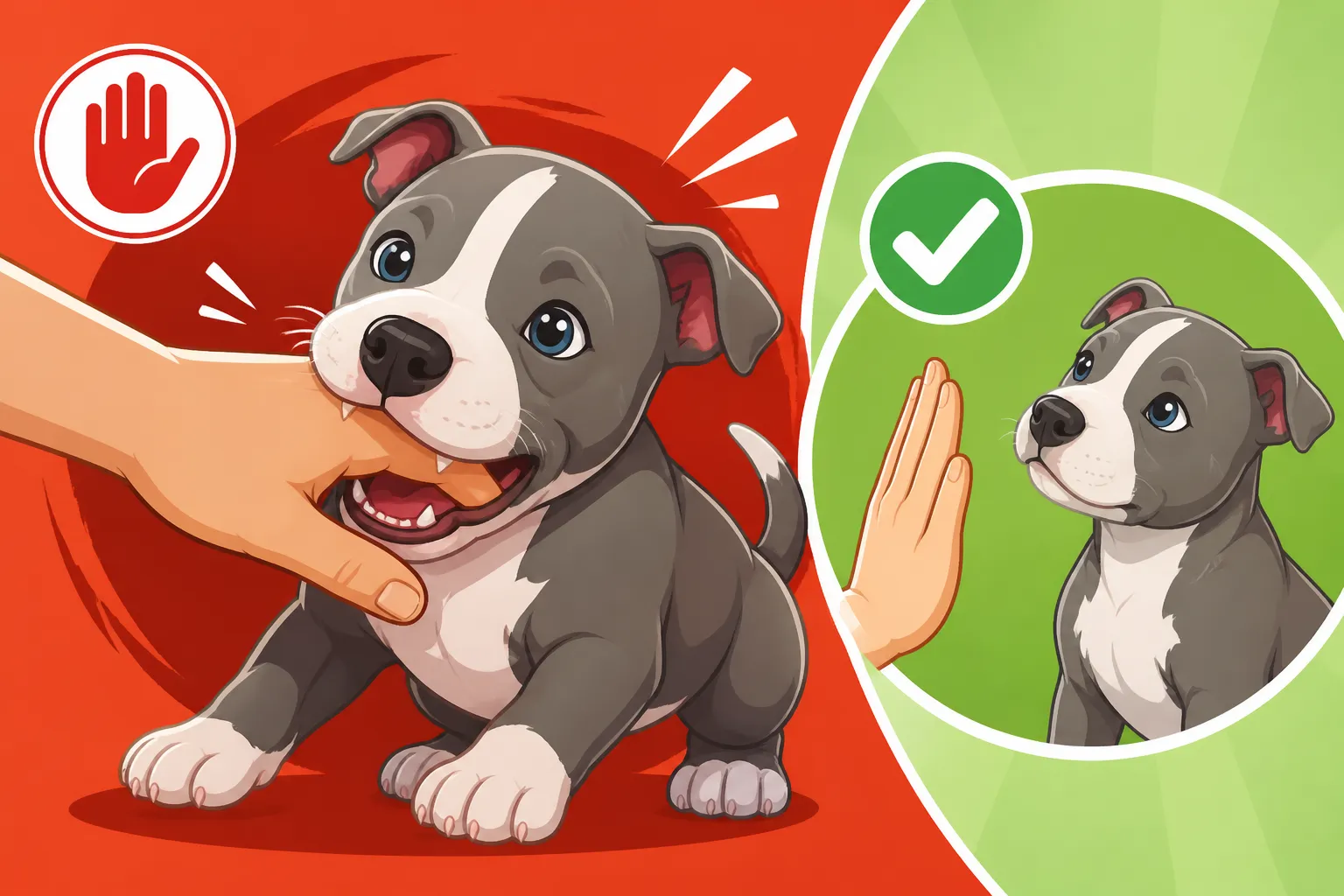
One of the most effective ways to teach bite inhibition is to mimic the way puppies learn from each other: the yelp and disengagement method. When your Pit Bull puppy bites you too hard during play, let out a high-pitched yelp or "ouch!" that is loud enough to startle them, but not so loud that it scares them. This sound is meant to replicate the sound another puppy would make.
Immediately after the yelp, remove your hand or body part from their mouth and immediately end the play session. You can turn your back, walk away, or even leave the room for 30-60 seconds. The crucial part is that the fun stops immediately. The puppy quickly learns that "hard bite = play ends." When you return, or if they approach you gently, you can resume play. If the hard biting resumes, repeat the process. This teaches them that a gentle mouth allows the game to continue, while a hard mouth makes the fun disappear. Consistency is absolutely vital here. Every family member needs to use this method every single time a hard bite occurs. It might feel a bit silly at first, but it's incredibly effective because it leverages their natural learning instincts.
Redirection with Appropriate Chew Toys
Pit Bull puppies have a strong instinct to chew, especially during teething. Instead of trying to stop them from biting entirely, which is often futile and frustrating, redirect that natural urge onto appropriate chew toys. Always have a variety of sturdy, safe chew toys readily available. When your puppy starts to nip at your hands or clothes, immediately offer a toy. Wiggle the toy enticingly to make it more appealing than your fingers.
It's helpful to have a range of textures and hardness levels. Some days they might prefer a softer rubber toy, other days a harder nylon or Benebone chew. Rotate toys to keep them interesting. When they take the toy in their mouth, praise them calmly and enthusiastically, reinforcing that this is the correct item to chew. This teaches them: "Human hands are for gentle interaction and pets; toys are for chewing." You might find yourself constantly handing off toys, and that's okay! This proactive redirection prevents unwanted biting incidents and teaches valuable self-control. Brands like Kong and Nylabone offer excellent durable options that stand up to strong Pit Bull jaws, and you can often find a wide variety on Amazon.
| Chew Toy Type | Description | Benefits |
|---|---|---|
| Rubber Toys | Durable, often hollow for stuffing with treats (e.g., Kong) | Satisfies chewing, mental stimulation, can be frozen for teething relief |
| Nylon/Hard Chews | Very durable, non-edible plastic chews (e.g., Nylabone) | Long-lasting, helps clean teeth, good for strong chewers |
| Rope Toys | Braided cotton or synthetic rope | Good for tug, helps with dental hygiene (flossing action) |
| Puzzle Toys | Dispense treats as dog plays (e.g., snuffle mats, Treat Ball) | Mental enrichment, slows down eating, redirects oral fixation |
| Edible Chews | Bully sticks, dental chews (always supervised) | Satisfies urge to chew and consume, can aid dental health |
Remember to always supervise your puppy with any chew toy, especially edible ones, to prevent choking hazards.
Managing the "Land Shark" Sessions Proactively
Prevention is often the best medicine when it comes to puppy biting. Instead of waiting for your Pit Bull puppy to turn into a biting machine, learn to recognize the signs that they're getting overstimulated, overtired, or simply need an appropriate outlet. Just like human toddlers, puppies can get "cranky" when they're tired, leading to more intense biting.
Proactively manage your puppy's day:
- Scheduled Naps: Puppies need a lot of sleep. If your puppy is biting more intensely, it might be a sign they're overtired. Guide them to their crate or a quiet designated nap spot. Enforce regular "downtime" even if they protest a little.
- Short, Frequent Play Sessions: Keep play sessions short and engaging. Long, uncontrolled play can lead to over-arousal and increased biting.
- Enrichment: Provide plenty of mental stimulation. Puzzle toys, training sessions, and scent games can tire out a busy brain just as much as physical exercise.
- Appropriate Exercise: Ensure your puppy gets enough breed-appropriate exercise for their age. A tired puppy is often a good puppy. However, avoid over-exercising a young Pit Bull puppy, as this can harm developing joints. Instead, focus on The Daily Exercise a Pit Bull Actually Needs for their age.
- Chew Station: Have a designated "chew station" with several enticing toys in a puppy-proof area where they can settle and chew independently.
By anticipating their needs and managing their environment, you can significantly reduce the frequency and intensity of unwanted biting.
Common Challenges and Troubleshooting
Even with the best intentions and consistent training, you'll likely encounter challenges. It's important to remember that raising a puppy is a journey, and there will be ups and downs. Don't get discouraged!
When Biting Becomes Too Intense
Sometimes, despite your best efforts, your Pit Bull puppy's biting can become too intense. Maybe the yelping isn't working, or they're just too worked up to be redirected. When this happens, it's time for a "reverse timeout." Instead of the puppy getting a timeout, you get a timeout from the puppy.
When the biting gets too hard, immediately and calmly stand up and walk away. Leave the room and close the door behind you, even if only for 10-20 seconds. This is a very clear signal to your puppy that their biting immediately makes their favorite person (you!) disappear. Pit Bulls are often very people-oriented and crave interaction, so losing access to you is a powerful consequence. Repeat this as many times as necessary. If you come back and they bite hard again, leave again. They will quickly connect the hard biting with your disappearance. This is a crucial step in Teaching a Pit Bull Puppy a Soft Mouth.
It's important to remain calm during these timeouts. Yelling, punishing, or getting angry will only confuse or scare your puppy and can damage your bond. The goal is to teach, not to punish. The concept of Positive Reinforcement Training With a Pit Bull should always be at the forefront of your methods.
Handling Nipping and Mouthing Around Children
This is a particularly sensitive area, and safety must always be the top priority. Pit Bull puppies, like all puppies, can be mouthy, and their sharp teeth can easily break a child's delicate skin, even during playful nips. Never, ever leave a puppy and a young child unsupervised, even for a moment. This rule is non-negotiable.
Here are some strategies for managing nipping around children:
- Supervision and Intervention: An adult must always be actively supervising interactions. When the puppy starts to mouth or nip the child, the adult should immediately intervene using the yelp-and-disengage or reverse timeout methods.
- Teach Children "Statue Game": Teach children to freeze like a statue and keep their hands still when the puppy nips. Moving hands and screaming can often escalate puppy play biting.
- Redirect to Toys: Always ensure children have appropriate toys to offer the puppy for redirection, rather than using their hands.
- Controlled Interactions: Keep interactions short and positive. End them before the puppy gets overstimulated.
- Manage the Environment: Use baby gates or playpens to create separate spaces for the puppy and children when direct supervision isn't possible. This is also important for Socializing a Pit Bull Around Children safely and effectively.
- No Rough Play with Hands: Teach everyone in the family, especially children, that hands are not toys. Avoid wrestling or roughhousing with the puppy using bare hands, as this encourages biting. Use a tug toy instead to channel that energy into appropriate play, respecting Pit Bull Play Style and Rough Games.
By being proactive and vigilant, you can teach your Pit Bull puppy appropriate behavior around children while keeping everyone safe.
Consistency is Key: Involving the Whole Family
Consistency is the cornerstone of successful puppy training, especially when it comes to bite inhibition. If one family member allows rough play or tolerates hard biting, while another consistently corrects it, your Pit Bull puppy will become confused. They won't understand the rules and the behavior will be much harder to extinguish.
Hold a family meeting to establish clear, consistent rules for how everyone will interact with the puppy and respond to biting. This includes:
- Using the same verbal cues: "Ouch!" or "No Bite!"
- Applying the same consequences: Immediate disengagement or a reverse timeout.
- Having toys readily available: Everyone should know where the appropriate chew toys are kept and how to Redirecting a Pit Bull Puppy Onto a Chew.
- Reinforcing good behavior: Everyone should praise and reward gentle mouths.
The more unified your approach, the faster your Pit Bull puppy will learn. This consistency helps them understand what's expected and builds trust. It also reinforces their understanding of boundaries, which is essential for What to Teach a Pit Bull Puppy and When.
Advanced Techniques and Professional Help
While the foundational steps are critical, sometimes you need to layer in more advanced training or recognize when it's time to call in the experts.
Incorporating Training for Impulse Control
Teaching basic obedience commands like "sit," "stay," "leave it," and "drop it" are fantastic ways to build your Pit Bull puppy's impulse control, which directly translates to better bite inhibition. A puppy that can control its impulses is less likely to bite out of excitement or frustration.
- "Leave It": This command teaches your puppy to ignore something tempting, like your fingers, in favor of a reward. Start with low-value items and gradually increase the difficulty.
- "Drop It": If your puppy has something inappropriate in their mouth (like your shoe or your hand), "drop it" teaches them to release it on command. Practice this by trading a less desirable item for a high-value treat or toy. This is a critical skill for any dog, especially one with strong jaws.
- Structured Play: Incorporate "stop" and "start" into play sessions. Play tug, then ask for a "drop it," pause, and then resume play. This teaches them to regulate their arousal levels.
- Rewarding Calmness: Actively reward your puppy when they are calm and not biting. If they're lying down chewing their toy quietly, toss a treat near them or offer a gentle stroke. This reinforces that calm behavior is desirable. Use High-Value Treats That Hold a Pit Bull's Focus to make these training sessions extra rewarding.
These structured exercises not only help with bite inhibition but also strengthen your bond and improve overall manners, which is particularly important as your puppy approaches The Pit Bull Teenage Months.
The Role of Socialization in Refining Bite Inhibition
Thoughtful and appropriate socialization is paramount for a Pit Bull puppy, and it plays a significant role in refining bite inhibition. When done correctly, exposure to a variety of safe, vaccinated adult dogs and well-mannered puppies can provide invaluable lessons your puppy might not get from humans alone. These interactions offer opportunities for real-time feedback on bite pressure.
- Puppy Classes: Enroll your Pit Bull puppy in a well-run puppy socialization class. Look for classes that prioritize positive reinforcement and ensure puppies are well-matched in play styles and size. A good instructor will monitor play and intervene if interactions become too rough or if a puppy is consistently biting too hard.
- Safe Dog-Dog Interactions: Arrange playdates with calm, vaccinated, and known adult dogs who are good at teaching puppies manners. An older, well-socialized dog can be an excellent teacher, providing clear feedback (a growl, a snap, or disengagement) when a puppy oversteps.
- Avoid Overwhelm: Don't throw your puppy into situations where they are overwhelmed or feel unsafe. Negative early experiences can lead to fear and reactivity, which can sometimes manifest as defensive biting later on. The goal is positive exposure. This is why Socializing a Pit Bull Puppy Thoroughly is not just about meeting other dogs, but doing it in a controlled and positive manner.
Knowing When to Seek Professional Guidance
While much of puppy biting can be managed with consistent home training, there are times when professional help is absolutely necessary. It's never a sign of failure to seek expert advice; it's a sign of a responsible owner committed to their dog's well-being.
Consider professional help if:
- Biting consistently breaks skin: If your puppy is routinely causing puncture wounds or drawing blood, even during play, their bite inhibition is severely lacking, and you need immediate intervention.
- Biting is accompanied by aggressive signs: If you see stiff body language, growling (not playful), lunging, or guarding behavior, especially towards people, this is a serious concern that requires a certified professional.
- Home methods aren't working: If you've been consistent with the techniques described above for several weeks and see no improvement, or the biting is getting worse, a trainer can offer tailored strategies.
- Fear or anxiety seems to be a factor: If your puppy bites out of fear, defensiveness, or displays significant anxiety, a veterinary behaviorist or certified professional dog trainer can help address the underlying emotional issues.
- You feel overwhelmed or unsafe: If you're constantly stressed, anxious, or worried about your puppy's biting, it's time to get help. Your mental well-being matters too.
When looking for a professional, seek out a certified professional dog trainer (CPDT-KA) or a veterinary behaviorist. Ask about their experience with Pit Bull type dogs and their training philosophy. A good resource for finding reputable trainers might be through online communities or platforms like BAXTER & Bella, which offer various online training programs. Avoid anyone who suggests harsh punishment or force, as this can exacerbate fear and aggression, especially in a Pit Bull. Vetting a Trainer Before Booking a Pit Bull is a crucial step to ensure you get the best, most humane help available.
Training a Pit Bull puppy through the biting phase can be challenging, but it's an incredibly rewarding experience. By understanding their natural instincts, consistently teaching bite inhibition, and knowing when to seek professional help, you'll set your Pit Bull up to be a well-mannered, safe, and beloved companion for life.
Disclaimer
This article is for general informational purposes only and does not constitute professional advice. Laws, prices and regulations vary by location and change over time. Consult a qualified professional for guidance on your specific situation.